
What is a Good Budget for a Wedding Cake? Tips for Sweet Savings
When planning your special day, you might wonder what a good budget for a wedding cake is. On average, couples spend between $600 and $900 on their wedding cake. This cost can vary based on factors like the number of guests, flavor choices, and design complexity.
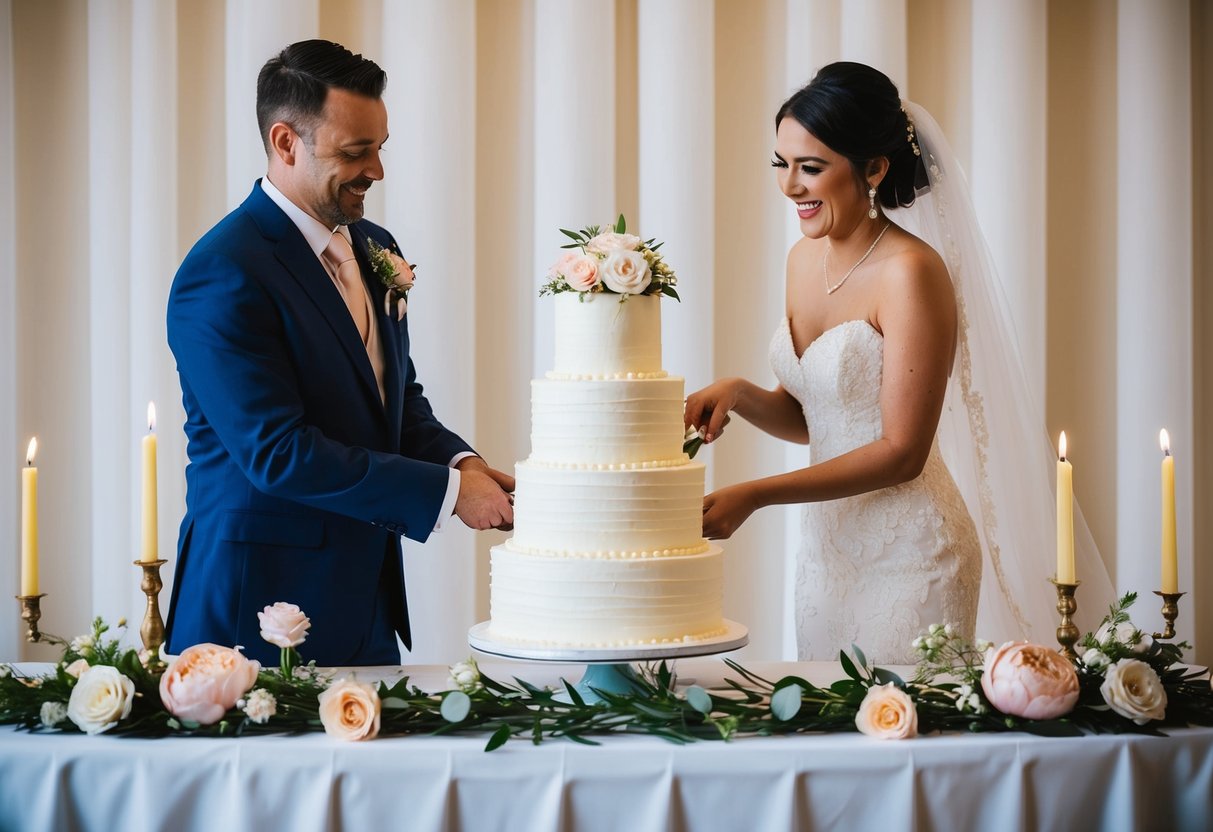
Keep in mind that the ingredients and the local market can also affect the final price. If you opt for a simple design, you might save money while still having a beautiful centerpiece for your celebration. With the right planning, you can find a cake that fits your vision and keeps your wedding budget on track.
Determining Your Wedding Cake Budget
Setting a budget for your wedding cake is essential for keeping your finances on track. By understanding wedding cake pricing and the factors that influence costs, you can make an informed decision that fits your overall wedding budget.
Understanding Wedding Cake Pricing
When planning your wedding cake budget, it’s important to know the average wedding cake cost. Most couples spend between $300 and $700. This amount can vary based on specific choices like size, flavor, and design complexity.
Most bakers charge per slice, so your total cost will also depend on your guest count. A cake that serves 100 people may cost more than one for 50 guests. You can think of spending 2-5% of your total wedding budget on the cake for better planning.
Factors That Affect Wedding Cake Costs
Several elements can influence the price of your wedding cake. First, the size of the cake matters. Larger cakes require more ingredients and time, which increases the cost.
Next, the design complexity plays a big role. Intricate decorations or custom designs can add significantly to your wedding cake prices. The choice of flavors also affects the final cost. Unique flavors or filling can lead to higher prices compared to standard options.
Additionally, the expertise of the baker impacts costs. More experienced bakers may charge more, but they can also offer high-quality designs and taste. Keep these factors in mind while planning your budget, as they will help you create the perfect wedding cake that fits your vision and finances.
Selecting Your Wedding Cake Style
Choosing the right style for your wedding cake is crucial. It should echo your personal taste and fit your wedding theme. Let’s explore various aspects of cake design, size options, and decoration ideas to guide your decision.
Classic vs. Contemporary Designs
When selecting a design, think about what reflects your personality. Classic designs often feature elegant, simple lines and traditional flavors. These may include tiered cakes with smooth buttercream frosting and delicate sugar flowers.
In contrast, contemporary designs embrace bold colors and unique shapes. You might opt for a cake that is geometric or asymmetrical, perhaps paired with fresh flowers to create a stunning visual. Cupcakes are also a trendy choice, offering variety without sacrificing style.
Choosing the Right Cake Size and Shape
The size of your cake should correspond to your guest count. Basic cakes generally serve 50 to 100 guests. If you have a larger crowd, consider adding a display cake for looks, while serving sheet cake behind the scenes.
Shapes also play a significant role. Round cakes are traditional, while square and hexagonal shapes can give a modern twist. Think about how your cake’s shape complements other decorations at your venue.
Decoration and Customization Options
Decorations can make your cake truly special. You may consider various options, such as intricate sugar flowers for a classic look or vibrant fresh flowers for a more natural touch.
Customization can also include themed elements that reflect your wedding’s style. For instance, if you’re having a beach wedding, shells or sea colors could inspire your cake design.
Remember, the complexity of the design will impact the cost. Elaborate decorations might increase the price, so balancing your vision with your budget is essential.
Exploring Wedding Cake Alternatives
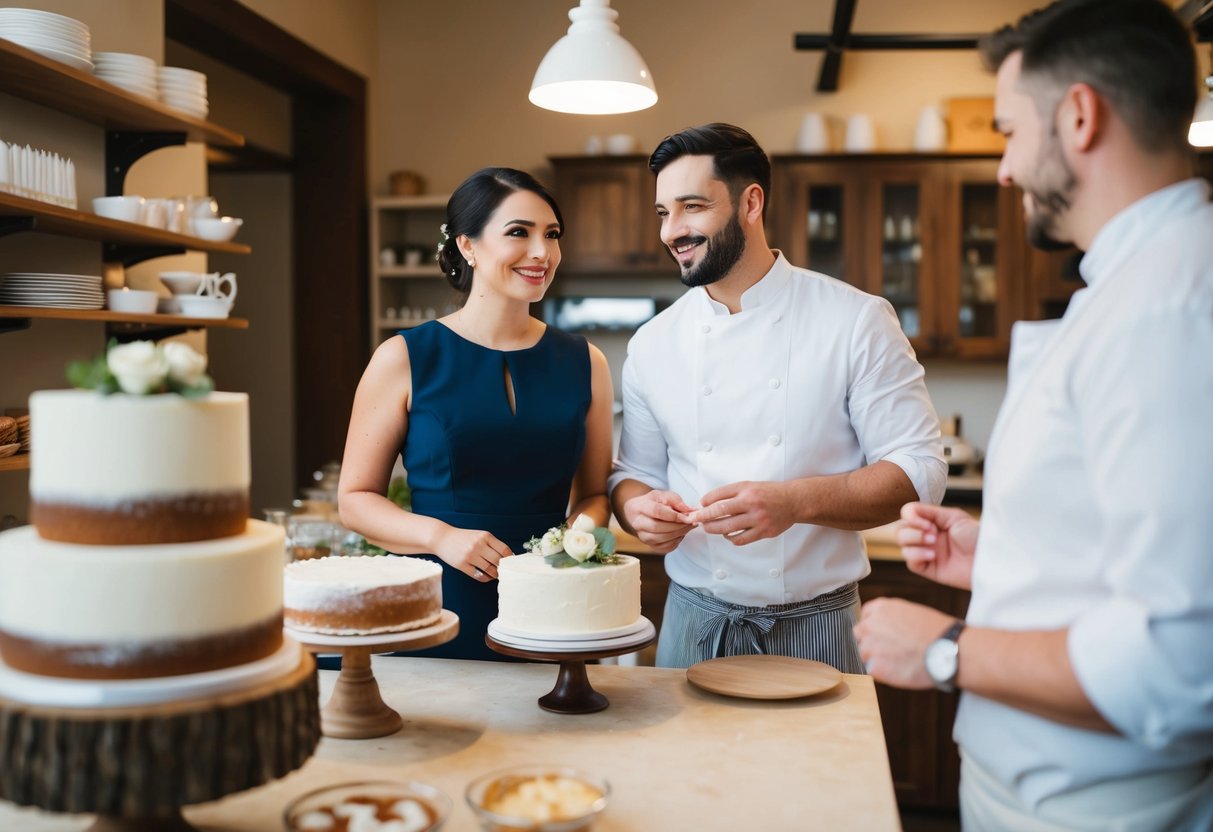
If you’re looking to save on your wedding or want something unique, exploring alternatives to traditional wedding cakes can be a fun option. Many couples find creative ways to satisfy their guests’ sweet tooth while staying within budget.
When to Consider Non-Traditional Options
Choosing a non-traditional wedding cake can be a great idea in several situations. If you’re planning a smaller wedding, a large cake might not make sense. You might also want variety—different desserts can please more guests.
Consider your wedding style. A fun and casual vibe may not mesh well with a traditional cake, so think about something like a dessert bar. You can also explore seasonal options, such as using pies, which are easy to slice and serve.
Budget-Friendly Alternatives to Traditional Cakes
There are many delicious, budget-friendly alternatives to wedding cakes. Cupcakes can be more affordable and are easy to customize. Another fun option is a cake pop station, where guests can pick their favorite flavors.
If you’re feeling adventurous, a DIY wedding cake can save money. You can create unique designs with your baking skills or recruit friends and family to help.
For something different, consider an ice cream sundae bar. This option provides interaction and allows guests to create their own desserts. Cookies and macarons are also tasty and can showcase your favorite flavors, making them a sweet addition to your wedding.
Explore these options and see what fits your style and budget best!
Working With Your Baker
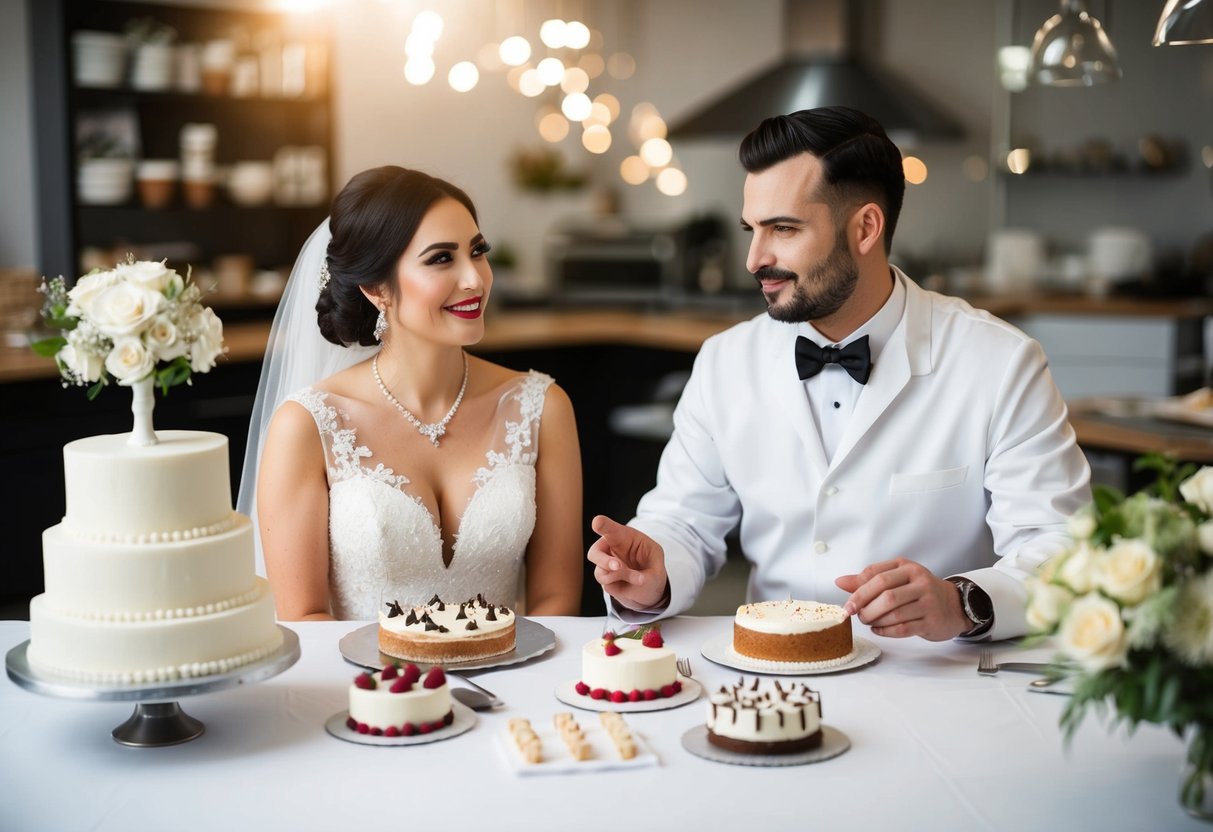
Choosing the right baker is essential for creating the wedding cake of your dreams. You want to work closely with them to ensure every detail matches your vision. From tastings to final delivery, clear communication will help make the process enjoyable and successful.
Scheduling a Cake Tasting
Scheduling a cake tasting is one of the most exciting parts of planning your wedding cake. Most bakers offer tastings, often for a small fee or even for free if you place an order.
When you book your appointment, bring along any inspiration photos or flavor ideas you like. This way, your baker can prepare options that fit your vision.
Typical flavors might include classic vanilla, rich chocolate, or unique options like red velvet or lemon. Don’t hesitate to try multiple combinations so you can find the perfect match.
Some bakers also ask about the number of tiers you want, as this can affect the flavor choices available during your tasting. Enjoy this experience, as it sets the tone for your special day!
Discussion on Cake Ingredients and Flavors
After you settle on a cake size and the number of tiers, discuss the ingredients and flavors that appeal to you. Bakers often provide a variety of options, including choices for vegan or gluten-free cakes.
Be open about any allergies or dietary restrictions, so your baker can offer safe choices. For example, if someone has a nut allergy, they’ll need to ensure those ingredients are avoided entirely.
Consider combinations like chocolate and raspberry or almond and vanilla for a unique twist. Your cake should reflect your personal style and tastes, making it memorable for you and your guests.
Engaging in this discussion ensures you have a cake that’s not only visually stunning but also delicious.
Finalizing Details and Delivery
Finalizing details with your baker is crucial for a smooth cake experience.
Once you’ve chosen flavors and design, you’ll need to confirm the delivery date and time. Make sure the delivery fits within your wedding schedule.
Ask about delivery fees and any additional charges for setting up the cake at your venue.
Some bakers offer delivery and setup, while others may require you to have someone else responsible for this.
Also, confirm details like how the tiers will be stacked and if any special equipment is needed. This can prevent last-minute surprises on your big day.
By communicating openly and clearly, you can ensure everything comes together perfectly for your wedding celebration!