
What is a Good Catchy Introduction? Tips to Engage Your Readers Instantly
A catchy introduction is your best tool for grabbing a reader’s attention. A strong intro hooks your audience right away, making them eager to read more. By using a captivating opening line or an interesting fact, you can pique curiosity and set the stage for what’s to come.

In writing introductions, think about what will resonate with your readers. You might share a surprising statistic, pose a thought-provoking question, or even tell a brief story. Each of these techniques can create an attention-grabbing moment that keeps your audience engaged.
The goal of a compelling introduction is to lead your readers smoothly into the main content. When they feel intrigued and connected from the start, they’re more likely to stick around for the entire article. Use your intro wisely, and you’ll keep your readers wanting more!
Laying the Groundwork
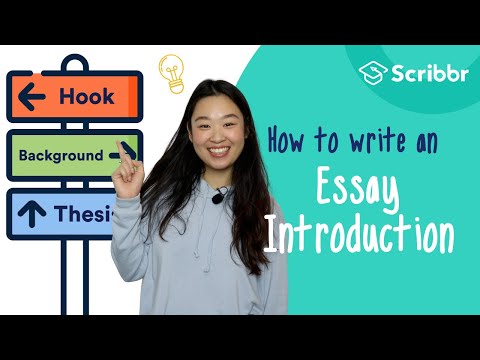
Before diving into your introduction, it’s important to establish a strong foundation. This section covers how to understand your audience, set the right context, and use the appropriate tone and style for your writing.
Understanding Your Audience
Knowing your audience is key. Think about who will be reading your article. Are they students, professionals, or casual readers? Each group has different expectations.
For a research paper, you might use technical terms, but for a personal narrative, a conversational approach works best. Consider what interests your readers. What questions do they have? Address these in your introduction to engage them from the start.
Establishing the Context
Context provides your readers with background information. Explain why your topic matters. This helps frame your argument.
For an argumentative essay, state the issue clearly. For an expository essay, outline what you will explain. Giving historical or current insights can make your piece more relevant. This way, readers can grasp the importance of your thesis statement early on.
Setting the Tone with Style
The tone and style you choose shape how your message is received. Are you aiming for a formal academic style or a more casual narrative tone? Match your style to your audience and purpose.
Using engaging language can capture attention. Short sentences create a brisk pace, while varied sentence lengths keep the reader interested. Remember to stay authentic. If you write authentically, readers are more likely to connect with your ideas.
Engaging Techniques

A catchy introduction grabs your reader’s attention from the start. You can use various engaging techniques to create a compelling introduction that resonates with your audience, such as starting with a bang, storytelling, and using statistics.
Starting with a Bang
Kicking off your introduction with a strong hook can instantly engage your reader. You might consider asking a thought-provoking question or sharing a surprising fact. This approach creates curiosity and makes readers want to learn more. For instance, asking, “What would you do if you discovered something that changed your life overnight?” encourages the reader to think.
Using a powerful quote can also resonate well. A relevant saying can set the tone for your piece while connecting emotionally with your audience. The key is to ensure your hook relates to your topic.
The Power of Storytelling
Storytelling is a fantastic way to connect with readers. Sharing a personal anecdote makes your introduction relatable. By telling a brief but engaging story, you create an emotional connection. People love narratives, and they can see themselves in the story you share.
You might introduce a character or describe a situation that relates to the theme of your article. This technique not only draws readers in but also helps them remember your message. It’s about crafting a moment that paints a picture in their minds, sparking curiosity for what follows.
Using Statistics and Facts
Statistics can be powerful tools in your introduction. They add credibility and highlight the importance of your topic. Sharing a shocking statistic or a fun fact can grab attention immediately. For example, stating, “Did you know that 70% of people fear public speaking more than death?” can make readers sit up and take notice.
Ensure that the facts you use are clear and directly related to your subject. They should enhance your message and encourage readers to consider your points more seriously. Statistics can transform a simple introduction into a compelling one.
Contextual Connections

When writing a catchy introduction, connecting to current events can help pull readers in. Topics like climate change can engage those who care about the environment. You can start with a question or a surprising fact to grab attention.
Think about how your content relates to everyday challenges. For example, people often seek ways to overcome challenges in their lives. An intriguing story about resilience can resonate well.
Using references to influential figures can also add interest. Consider mentioning Elon Musk and his ventures in artificial intelligence. Connecting his innovations to your topic can make it more relatable.
If you’re discussing technology, touch on generative AI. Explain its relevance in simplifying tasks or enhancing creativity. This can clearly show your readers the importance of your subject.
For instance, if you’re writing a blog post about the future of work, relate it to how AI is changing the job market. Highlight challenges and opportunities in a clear and concise way.