
What is a Groom’s Cake and Bride’s Cake? Celebrating Unique Wedding Traditions
When planning your wedding, you’ve probably heard of the wedding cake, but you might be wondering about the groom’s cake and bride’s cake too. The groom’s cake is a special cake chosen by the groom, while the bride’s cake is selected by the bride, adding personal flair to your wedding celebration. These cakes are not just tasty treats; they represent the unique personalities and interests of each couple.
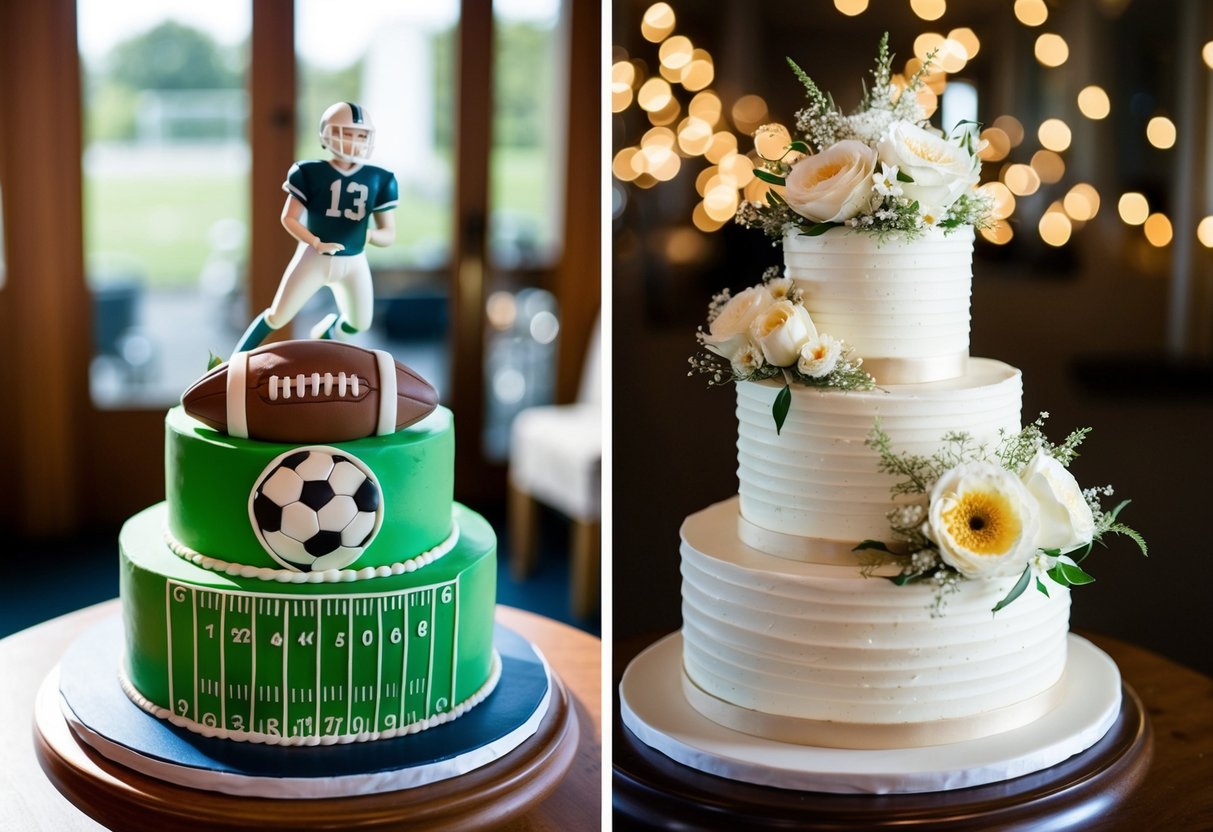
The groom’s cake has Southern roots and often showcases the groom’s hobbies or favorite flavors, while the bride’s cake is typically more traditional.
In many cases, these cakes can be designed creatively, making them a fun part of the wedding festivities.
Wedding cake traditions vary, but incorporating both cakes can enhance your dessert table and give your guests a memorable experience.
As you explore the difference between these cakes, you’ll find that they can turn your special day into a true reflection of both you and your partner. Whether you lean towards a classic design for the bride’s cake or a playful theme for the groom’s, these cakes can make your wedding day feel even more personal and meaningful.
History and Significance
The history of groom’s and bride’s cakes is rich and fascinating, tracing back to traditions from the Victorian era in England. Understanding their origins and evolution helps you appreciate the significance they hold in today’s celebrations.
Origins of Cake Traditions
The concept of multiple wedding cakes began in Victorian England, where weddings featured three cakes: a wedding cake for guests, a bride’s cake for the bride, and a groom’s cake meant for groomsmen. These cakes symbolized different aspects of the marriage celebration. The groom’s cake was often darker and richer, made with fruit or chocolate, reflecting the groom’s preferences and personality.
Evolution of the Groom’s Cake
Over time, the groom’s cake evolved into a special dessert that showcases the groom’s interests and hobbies. While the bride’s cake generally remained the centerpiece, the groom’s cake became a fun addition serving a distinct purpose.
In the American South, this tradition gained traction, often featuring creative designs and flavors. Southern couples use it as a way to personalize their celebration, making the cake a statement about the groom’s character and life.
Regional Popularity of Bride’s and Groom’s Cakes
The bride’s and groom’s cakes have different levels of popularity depending on the region. In the American South, the groom’s cake is a staple of traditional weddings, often served at the rehearsal dinner or reception.
In contrast, some areas may prioritize only the bride’s cake, sidelining the groom’s cake. This regional variance adds to the charm of wedding traditions, allowing couples to blend old customs with their unique styles and cultural backgrounds.
Design and Flavors
When planning for a wedding, the design and flavors of the bride’s and groom’s cakes are essential. These choices reflect personal tastes and can add a unique touch to the celebration. Here’s what you need to know about creating cakes that truly stand out.
Innovative Cake Designs
Innovative cake designs allow for creativity and expression. You might consider options like a traditional round cake or something more whimsical like an armadillo cake, which can be a fun nod to the groom’s interests.
Intricate decorations, like custom fondant figures or themed sugar art, make the cakes visually stunning. You can incorporate elements that represent the couple’s story or hobbies, ensuring the design adds a personal flair to your celebration.
For example, using the groom’s favorite sports team colors or symbols makes the cake uniquely his. Other trends include two-tiered designs or cakes featuring multiple flavors on each layer, keeping guests excited and engaged.
Flavor Profiles for the Bride’s and Groom’s Cakes
Flavor choices are key to making your cakes delicious and memorable. The bride’s cake is often more traditional, featuring flavors like vanilla or chocolate.
In contrast, the groom’s cake can showcase his personality. Popular options for the groom’s cake include rich red velvet or even unique choices like chocolate stout or key lime.
You can even have fun with unexpected pairings, like a carrot cake topped with cream cheese frosting. This allows the groom’s flavor to shine while surprising guests. Allowing both of you to select flavors creates a blend that celebrates your tastes, making every bite special.
Personal Touches and Themes
Adding personal touches to both cakes can enhance their meaning. Think about what represents you as a couple. This could be a favorite quote, shared hobbies, or elements from significant moments in your relationship.
Choose decorations or flavors that reflect these themes. For instance, if you both love traveling, consider incorporating global spices or decorations inspired by places you’ve visited together.
Don’t forget about the presentation! A unique cake stand or themed display can draw attention to the cakes. Including elements like fresh flowers or personalized cake toppers can add a special touch. Let your creativity guide you in making these desserts not just tasty, but truly yours.
Traditions and Etiquette
Groom’s cakes and bride’s cakes have specific traditions and etiquette that can help make your wedding celebration even more special. Understanding these will ensure that these cakes enhance your big day.
Serving Customs
Traditionally, the groom’s cake is often served at the rehearsal dinner. This allows you to showcase the groom’s personality and tastes, as the cake can reflect his hobbies or interests. It’s typically less formal than the bride’s cake.
Some couples choose to serve a liquor-infused fruit cake as the groom’s cake. This cake type adds a unique flavor and can be a delightful surprise for your guests. Don’t forget to keep a slice of both cakes to save for your first anniversary, as it’s a lovely way to reminisce about your wedding day.
Rehearsal Dinner Inclusions
At the rehearsal dinner, the groom’s cake plays a crucial role. This event is a chance for you to gather close friends and family before the wedding.
Serving the groom’s cake here can become a fun tradition. It’s common to have the cake cut at this dinner. You can encourage groomsmen and bridesmaids to share stories about the groom while enjoying this special dessert.
Adding the cake to the dinner menu creates a relaxed atmosphere and gives everyone a taste of what to expect at the wedding.
Modern Takes on an Old Tradition
Many couples modernize the groom’s cake tradition to fit their style. Instead of the traditional fruit cake, you might opt for a cake that features unique flavors or designs that tell a story about the groom.
Fun ideas include cakes that resemble sports equipment or favorite hobbies. You might also consider having a smaller version of the couple’s wedding cake designed just for the groom. This can make the dessert table more engaging and highlight both personalities, ensuring that guests enjoy a variety of flavors.
Presentation and Celebrations
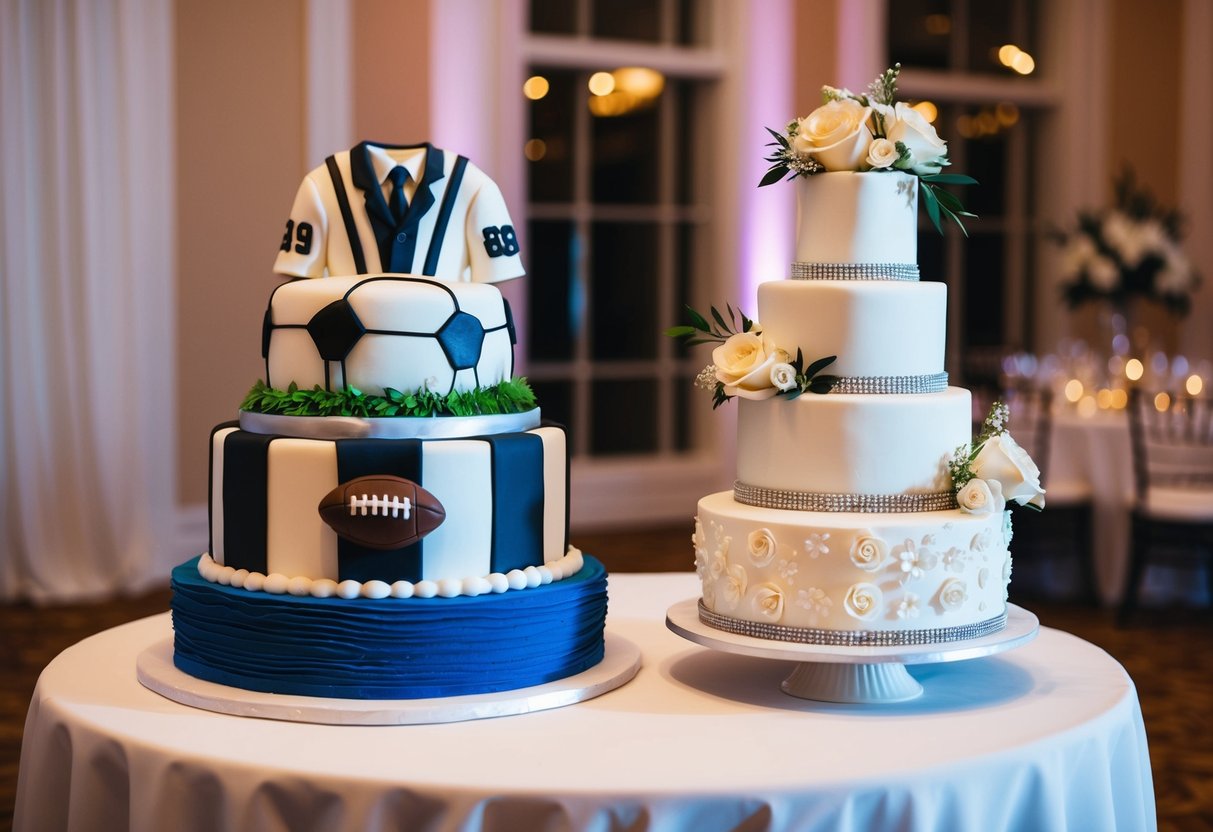
When it comes to showcasing your groom’s and bride’s cakes, setting the right tone at your wedding reception is key. The way these cakes are presented adds a special touch to your celebration. The following options can help create a memorable experience for you and your guests.
Showcasing at the Wedding Reception
One exciting way to present your cakes is by strategically placing them on display at your wedding reception. You might choose a beautifully decorated table as the centerpiece for your dessert area.
Using decorative stands can elevate the cakes, making them stand out even more. Adding flowers, lights, or other themed decor around the cakes can enhance their visual appeal.
Tip: Use your wedding colors to make the cake displays consistent with the overall theme. This cohesive look will impress your guests and set a joyful atmosphere.
Dessert Tables and Cake Alternatives
Consider setting up a dessert table alongside your groom’s and bride’s cakes. This table can feature a variety of sweet treats that reflect your tastes.
Options can include cookies, brownies, or even themed desserts related to your hobbies, like hiking-inspired sweets.
You can arrange these items in an attractive manner, using different heights for visual interest. Labeling each item with fun names can engage and entertain your guests. For example, you might name a chocolate treat “Choco Peak” if hiking is significant to you both.
Offering a wide selection allows your guests to indulge in their favorites. This variety makes your dessert table a focal point and encourages interaction among your guests.