
What Is a Humanist Officiant? Understanding Their Role in Ceremonies
A humanist officiant is a person who leads meaningful ceremonies without traditional religious elements. They focus on celebrating important moments in life, such as weddings, memorials, and naming ceremonies, through a humanist lens that emphasizes values like compassion and connection. This nonreligious approach can offer a unique and personalized experience, making your special occasions feel more genuine and reflective of your beliefs.
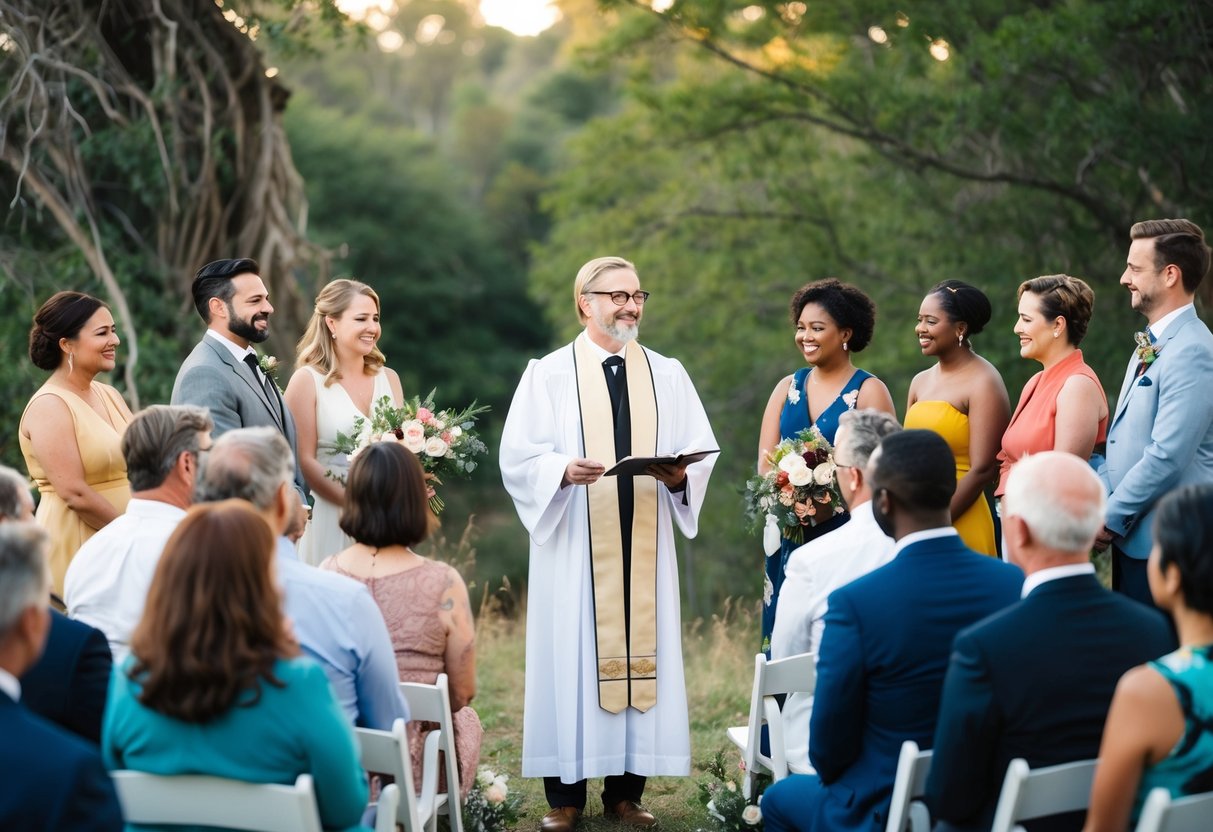
When you choose a humanist officiant, you’re opting for a ceremony that aligns with your values and worldview. Humanism promotes the idea that humans can find meaning and purpose through their experiences and relationships, rather than relying on religious doctrine. This makes a humanist ceremony an excellent choice for those seeking an inclusive and memorable way to mark significant life events.
Whether you’re planning a wedding or honoring a loved one’s life, a humanist officiant can help you create a ceremony that truly resonates with your heart and spirit. By focusing on what matters most to you, they ensure that your ceremony reflects your unique story and connection to those you cherish.
Understanding Humanist Officiants
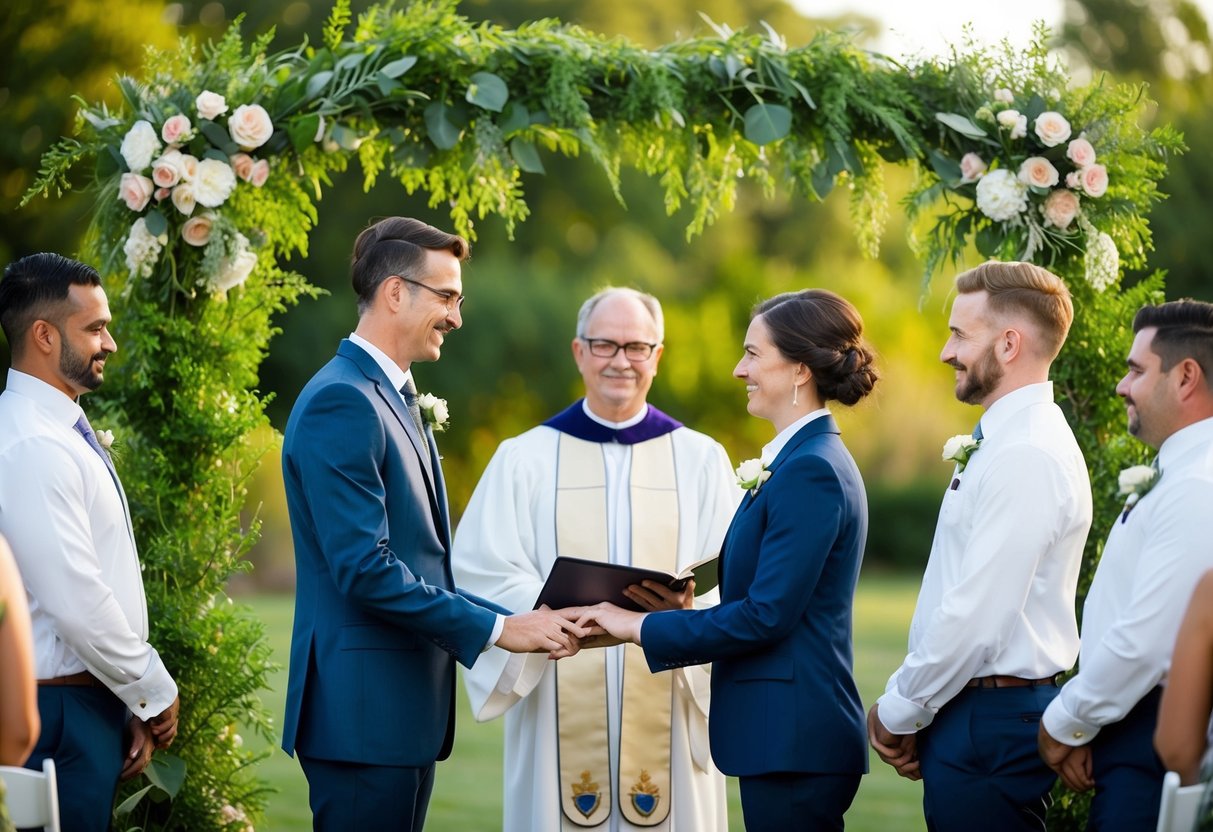
Humanist officiants play a vital role in creating meaningful ceremonies for life’s milestones. They focus on personal values, ethics, and connection rather than religious traditions. Here, you will learn about their role, the unique characteristics of humanist ceremonies, and the foundational principles of humanism.
The Role of a Humanist Officiant
A humanist officiant, often called a celebrant, conducts various ceremonies such as weddings, funerals, and baby naming events. Unlike traditional clergy, they are not bound by religious practices. Instead, they honor the beliefs and preferences of the individuals involved.
When officiating a wedding, for instance, a humanist celebrant works closely with the couple to create a personalized ceremony. This process includes discussing the couple’s values, stories, and the elements they wish to include. This makes each ceremony unique and reflective of the people being celebrated.
Characteristics of Humanist Ceremonies
Humanist ceremonies stand out because they are completely nonreligious and focus on humanist values. They emphasize personal stories, shared experiences, and the importance of relationships.
Typically, these ceremonies include elements like meaningful readings, music, or rituals that resonate with the individuals involved. For weddings, popular practices may include handfasting, where the couple’s hands are tied together to symbolize their union. The focus remains on love and commitment, free from religious symbolism.
The Humanist Philosophy
Humanism is a philosophy that places human beings and their experiences at the center. It promotes values such as compassion, reason, and ethical living. This philosophy influences the work of humanist officiants, guiding their approach to ceremonies.
Humanist values encourage inclusivity and respect for diverse beliefs. This is why humanist officiants are skilled at conducting interreligious ceremonies. They create spaces where everyone can feel comfortable and valued, regardless of their background. Through this lens, they help individuals celebrate milestones in a way that feels true to themselves.
Types of Ceremonies Conducted
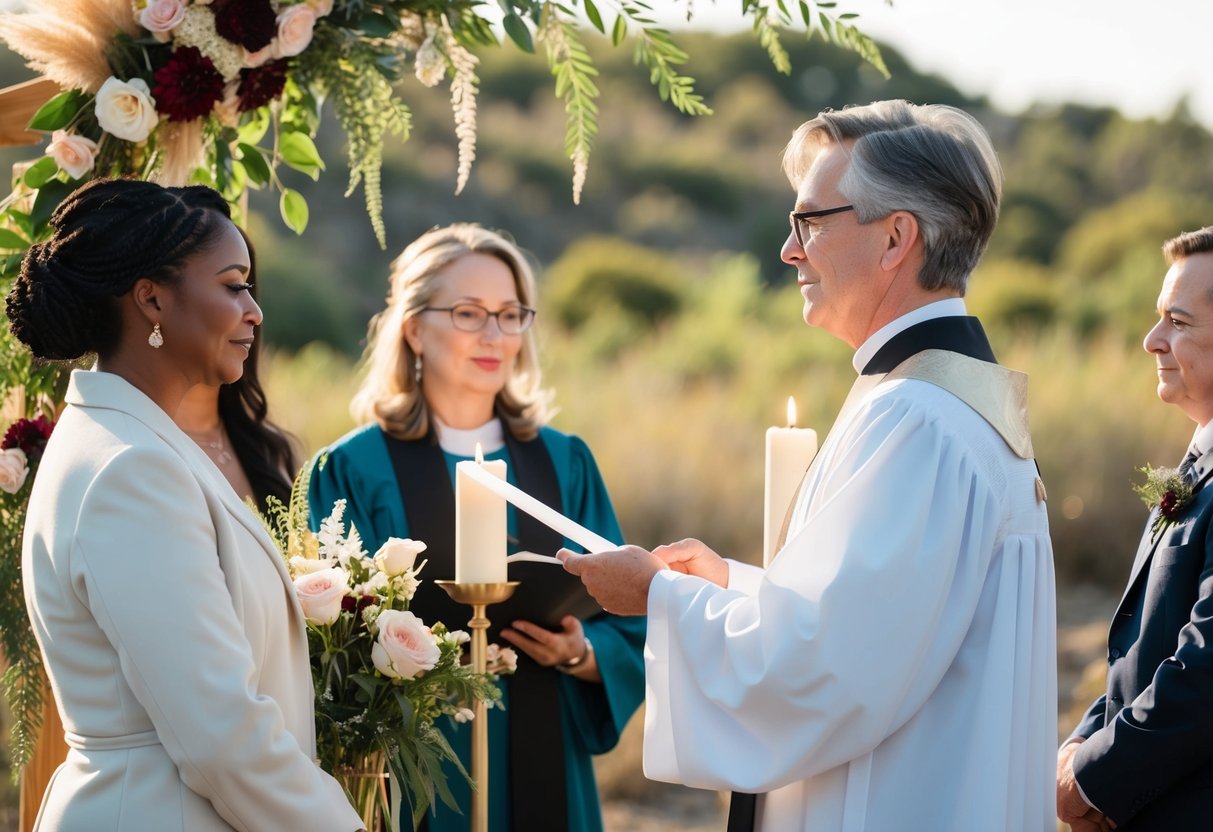
Humanist officiants conduct a variety of ceremonies that mark important life events. These ceremonies reflect personal values and beliefs, providing a meaningful way to celebrate or honor milestones in life.
Weddings and Commitment Unions
Humanist weddings are unique celebrations tailored to the couple’s values and preferences. You can have a ceremony that reflects your love story without religious elements. These weddings may include personal vows, readings, and music of your choice.
Commitment unions and same-sex weddings are also embraced by humanist officiants. You can expect a ceremony that honors your relationship, regardless of its form. Celebrants ensure that every detail aligns with your vision, making your special day truly unforgettable.
Baby Namings and Coming-of-Age Rites
Baby naming ceremonies offer a chance to celebrate the arrival of a new child in a non-religious way. You might choose to invite family and friends to share in this joyful occasion. Personal touches can include readings, music, and wishes that family members share for the child’s future.
Coming-of-age rites, such as those for teens, mark significant transitions in life. These ceremonies acknowledge the journey into adulthood. You can celebrate important milestones, such as a bar/bat mitzvah or a sweet sixteen, in a way that aligns with your beliefs.
Funerals and Memorials
Humanist officiants offer compassionate support in planning funerals and memorials. These ceremonies reflect the life and values of the deceased, honoring their memory in a personal manner. You can incorporate stories, poems, and music that were meaningful to them.
Memorial services focus on celebrating the person’s life rather than mourning. A humanist officiant will help you create a space where family and friends can share memories and find comfort. This approach can be healing, allowing you and your loved ones to remember life’s precious moments.
Becoming a Humanist Officiant
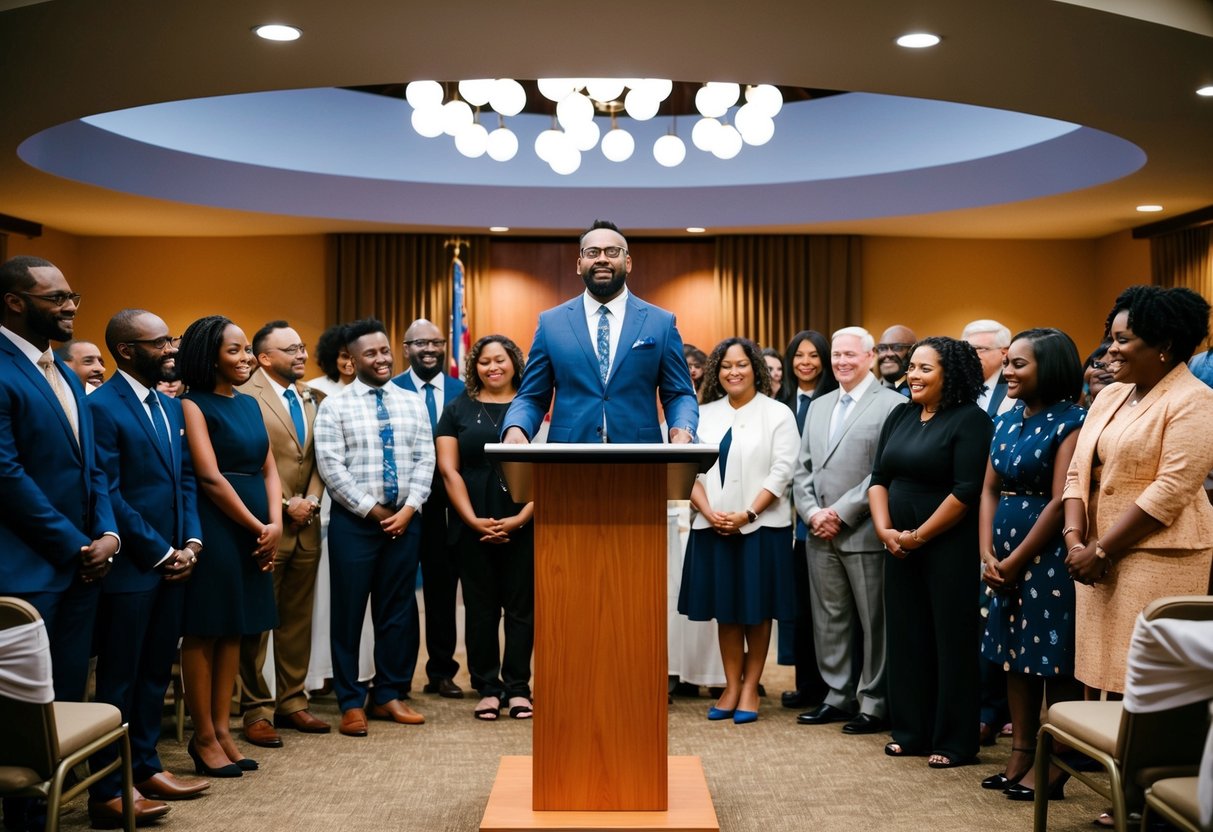
Becoming a Humanist officiant allows you to lead meaningful ceremonies that reflect humanist values. This process involves securing an endorsement or ordination, as well as participating in training.
Endorsement and Online Ordination
To become a Humanist officiant, you often need an endorsement or online ordination. Organizations like the American Humanist Association offer these services.
You can apply to become an associate celebrant initially, which allows you to gain experience. After demonstrating your commitment to humanist values, you may receive full endorsement.
Online ordination typically involves completing an application and may require a fee. Make sure you choose a reputable organization that aligns with your beliefs and meets the legal requirements for officiating ceremonies in your area.
Training and Development
Training is key to being a successful Humanist officiant. Many organizations provide courses focused on the skills you need to conduct ceremonies. These skills may include interpersonal communication, ceremony planning, and writing.
You could participate in workshops or shadow experienced officiants. Networking with fellow humanist professionals can also improve your understanding of various ceremonies.
As you train, you’ll learn to create personalized experiences for those you serve. Remember that every ceremony should reflect the values and wishes of the individuals involved, making your development ongoing and vital.
Legal and Cultural Considerations
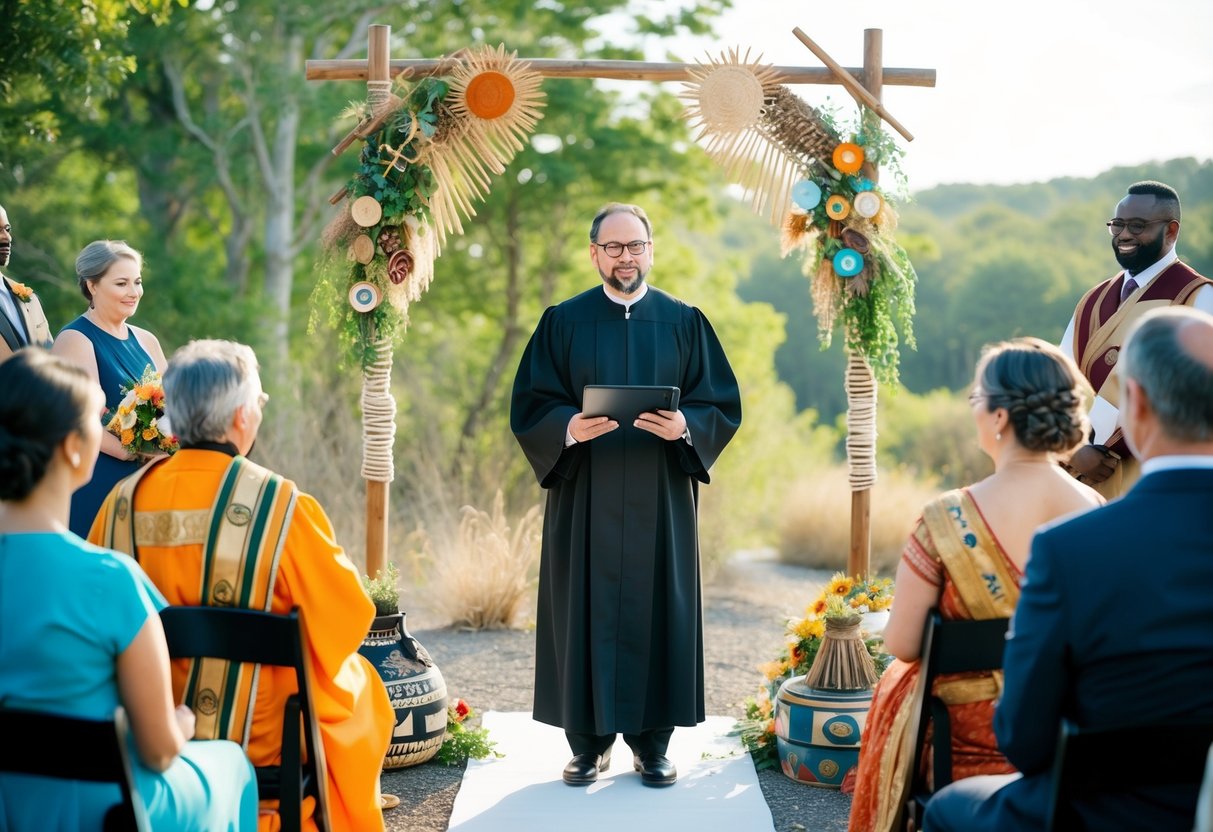
It’s important to understand the legal standing and cultural aspects of humanist officiants. These factors can significantly impact how ceremonies are performed and accepted in different settings.
Legal Marriages in the United States
In the United States, humanist officiants are legally recognized to perform marriages in many states. They can be seen as equivalent to traditional clergy like priests, ministers, or rabbis. This means that you can have a legal and binding wedding without traditional religious elements.
To ensure your marriage is recognized, check the specific laws in your state. Some states require officiants to be registered or to meet certain criteria. It’s a good idea to verify your officiant’s qualifications before scheduling your ceremony. This will avoid any legal issues later on.
Multicultural and Secular Celebrations
Humanist officiants offer a great alternative for multicultural and secular celebrations. They can create personalized ceremonies that embrace diverse cultural backgrounds and beliefs. This is particularly important in a society that is becoming increasingly diverse.
Your wedding can celebrate your unique story without religious connotations. Instead of traditional rituals, you can incorporate elements that reflect your values and heritage. Humanist officiants are skilled at blending different customs while respecting your wishes, making your ceremony truly yours.
This allows you to enjoy a secular wedding or humanist wedding that feels authentic to you and your partner. Whether you want a simple backyard gathering or a grand event, a humanist officiant can help shape the experience to fit your needs.