
What is a Non-Religious Celebrant? Exploring Meaningful Ceremonies Beyond Tradition
If you’re planning a wedding or a special ceremony and prefer something that reflects your unique values, you might consider a non-religious celebrant. A non-religious celebrant leads ceremonies that are personalized and free from religious elements, allowing you to express your beliefs and style in a meaningful way.
This type of officiant can work with you to create a ceremony that is truly yours, whether it’s a wedding, naming ceremony, or other life events.
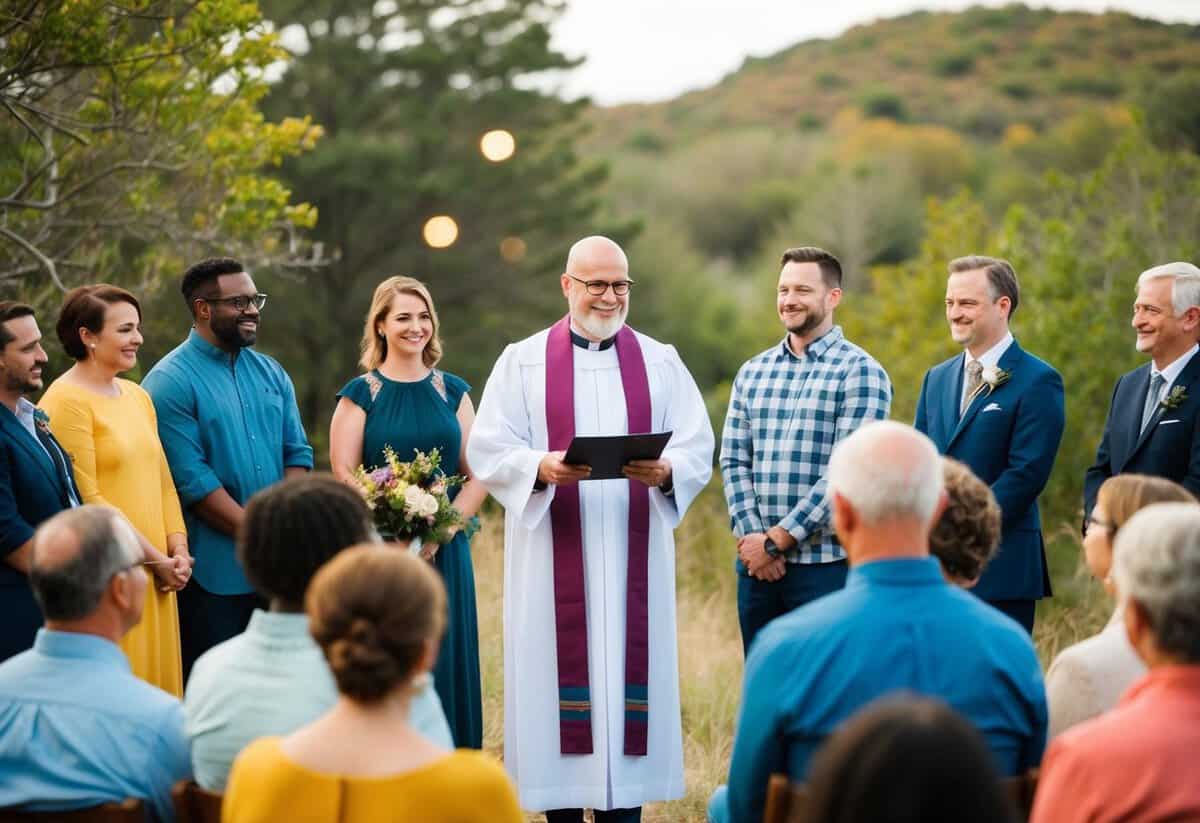
Non-religious ceremonies can take many forms. A humanist celebrant, for example, focuses on human values and ethics, crafting a ceremony that is unique to your journey.
You’ll have the freedom to choose the words, readings, and rituals that resonate with you, ensuring that your ceremony feels genuine and special.
Choosing a non-religious celebrant can truly enhance your experience. With their support, you can create a memorable event that highlights your shared values and love, all without traditional religious constraints. This choice gives you the creativity and flexibility to make your ceremony one-of-a-kind.
Understanding Non-Religious Celebrants
Non-religious celebrants play an important role in creating personalized ceremonies that reflect the values and beliefs of individuals and families. They offer a wide range of services for various life events, ensuring each ceremony is meaningful and unique.
Role and Responsibilities
As a non-religious celebrant, your main job is to lead ceremonies without any religious elements. You work closely with your clients to understand their preferences and dreams for their special event.
You might conduct weddings, funerals, and naming ceremonies. Each ceremony requires careful planning, from writing the script to suggesting readings and rituals.
Your ability to listen and connect with people is key. Clients appreciate that you respect their wishes and help create an atmosphere that feels right for them. Flexibility is also essential since every ceremony is different.
Types of Ceremonies Conducted
Non-religious celebrants can conduct a variety of ceremonies.
Weddings are a popular choice. Couples often seek you out for a ceremony that reflects their love story without religious practices. You help them create vows, choose readings, and personalize their day.
Funerals are another important aspect of your role. You guide families through grief, helping them create a meaningful tribute to their loved one. This might include sharing memories and honoring the person’s life without religious content.
Naming ceremonies are suitable for families welcoming a new child. You facilitate a joyful event, often involving family and friends, to celebrate and formally name the child, proving that non-religious ceremonies can be rich in tradition and love.
Planning a Non-Religious Funeral Service
When planning a non-religious funeral service, it’s important to focus on personal touches that reflect the life and values of your loved one. This includes collaborating with professionals and selecting meaningful readings and music. Here are some key steps to help you through this process.
Working With a Funeral Director
Choosing the right funeral director is essential. They can guide you through the planning stages of a non-religious funeral. Look for someone with experience in non-religious services.
Ask about their approach to personalizing the service. A good director will help you create a ceremony that reflects your loved one’s life. Discuss any specific wishes the deceased may have had. This could make the service feel more authentic.
You can also discuss logistics, like the venue and other arrangements. Make sure to share any ideas you have for the funeral. A supportive funeral director can make this process smoother.
Designing the Ceremony
Designing the ceremony allows you to honor your loved one’s uniqueness. You can choose the location, from a park to a private home or a funeral home. Pick a spot that was special to them.
Consider including personal elements that reflect their personality. You may want to share stories, photos, or videos. This can make the ceremony feel more special and intimate.
Don’t forget about the order of events. You can start with a welcome message, followed by readings and music. Keep in mind the tone you want to set—joyful or reflective. Each choice can add depth to the experience.
Selecting Non-Religious Readings and Music
Choosing readings and music is a crucial part of the ceremony. Look for poems, quotes, or passages that resonate with your loved one’s life. Favorite books or authors can offer inspiration.
You might also consider including readings from family and friends. This can add a very personal touch and make the service feel connected.
For music, consider their favorite songs and what represents them. Non-religious music can create the right atmosphere. Whether it’s classic, contemporary, or something unique, choose tunes that reflect their spirit.
These elements can help create a meaningful farewell that’s true to who they were.
After the Funeral
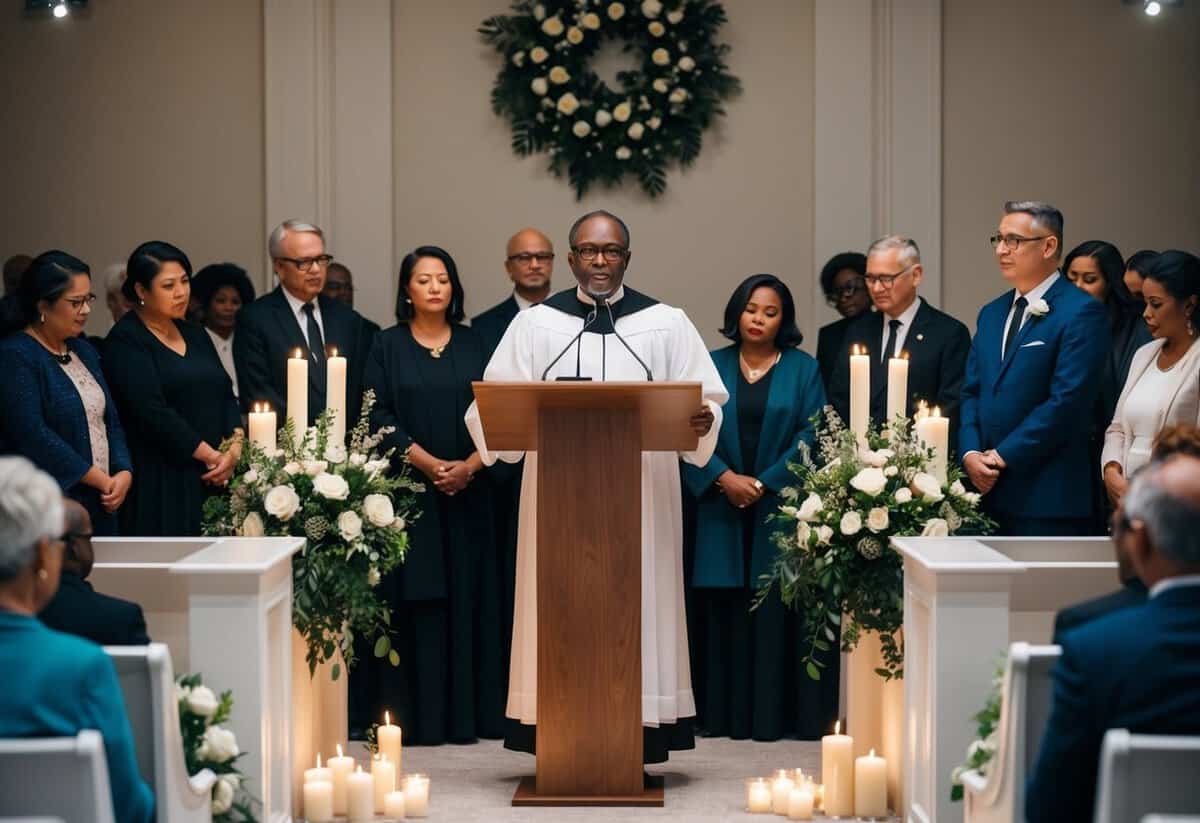
Once the funeral service is complete, there are meaningful ways to honor your loved one. This includes memorial services or celebrations of life, and options for scattering ashes or burial. Each of these choices provides a unique way to remember and celebrate their life.
Memorial Services and Celebrations of Life
Memorial services focus on celebrating the life of the deceased. They allow family and friends to gather, share memories, and reflect on the person’s impact. These services can take many forms, from formal gatherings to casual affairs.
A celebration of life is often less structured than a traditional memorial. It emphasizes joy and remembrance, featuring music, speeches, and heartfelt memories. You might choose to hold it at a special place that mattered to your loved one. Personal touches, like favorite foods or photos, can make the event even more meaningful.
Scattering of Ashes and Burials
After cremation, you can choose to scatter ashes. You can do this in a location that held significance to your loved one. Beaches, mountains, or family gardens are popular spots. You might consider a small ceremony with close friends and family to honor the moment.
If you choose burial, it can also carry deep meaning. You might select a cemetery or a peaceful natural setting. Many families opt for a dedicated marker or stone to commemorate the deceased. This gives a tangible place for family and friends to visit and remember their loved one over time.