
What is a Non-Religious Wedding Called? Exploring Meaningful Alternatives
If you’re planning a wedding and want something that reflects your personal beliefs, you might be curious about what a non-religious wedding is called. People often refer to a non-religious wedding as a secular wedding or a civil ceremony. These types of ceremonies focus on love and commitment without any religious elements or rituals, making them a great choice for couples with different faiths or those who prefer a more personalized approach.
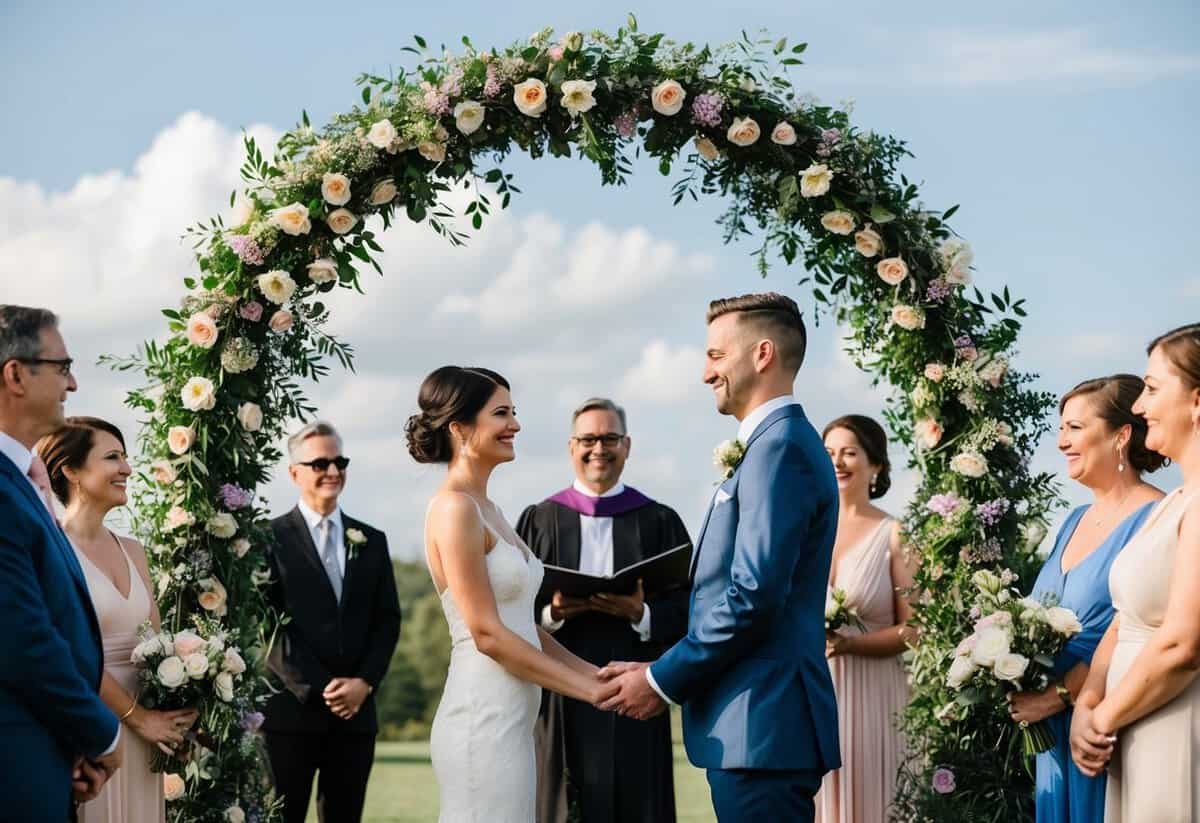
A secular wedding allows you to express your values and personalities. You get to craft a unique ceremony that fits your vision, whether it involves custom vows, personal readings, or even special music. By choosing this path, you can create a meaningful experience that truly represents who you are as a couple.
Civil ceremonies are another option that falls under the non-religious umbrella. These legal ceremonies typically occur at a courthouse or other official venue. They often do not include religious traditions, focusing instead on the legal aspects of marriage. With so many options available, you can plan a wedding that feels just right for you.
Understanding Non-Religious Weddings
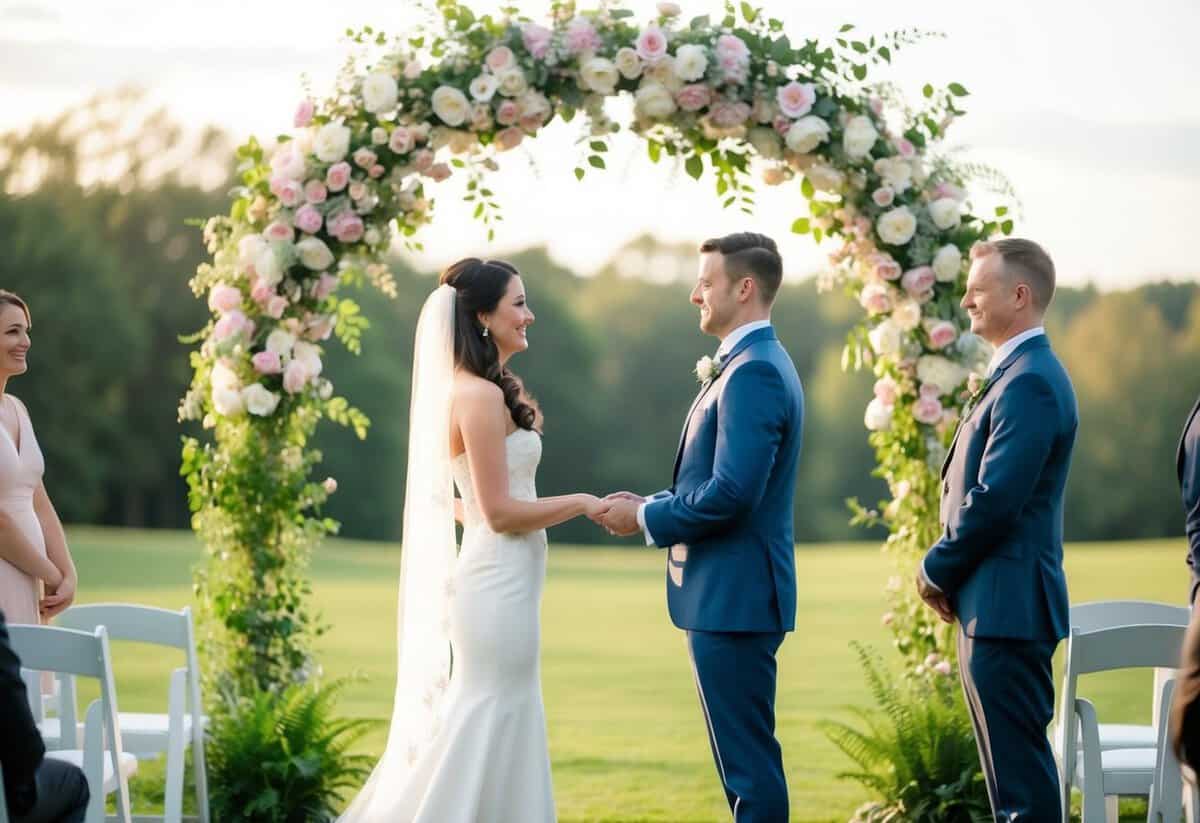
Non-religious weddings, often known as secular weddings, offer couples the chance to celebrate their love without religious elements. Let’s explore what defines these ceremonies, why they are widely accepted, and some legal aspects to consider.
Defining Non-Religious and Secular Ceremonies
A non-religious wedding ceremony focuses on the couple’s commitment to each other without including any religious rituals. Commonly referred to as secular wedding ceremonies, these events allow you to tailor the experience to reflect your unique values and beliefs.
You can incorporate personal vows, readings, and music that resonate with you. Many couples seek officiants who understand their vision, ensuring that the ceremony feels authentic and personal. This flexibility makes non-religious weddings appealing to those from various backgrounds.
Popularity and Acceptance of Secular Weddings
In recent years, non-religious weddings have gained popularity. More couples are choosing to steer clear of traditional religious ceremonies for various reasons. Some may not identify with a specific faith, while others prefer a ceremony that feels more inclusive.
Statistics show that many modern couples value personalization over tradition. Secular weddings can take place in various locations, from parks to beaches to unique venues. This acceptance has led to a growing number of officiants who specialize in non-religious wedding ceremonies, making it easier for you to plan your special day.
Legal Considerations and Marriage License
When planning your non-religious wedding, it’s essential to understand the legal requirements in your area. You’ll need a marriage license, which varies by state or country.
Most places require you to apply for a license at least a few days before your ceremony. Additionally, both partners typically need to be present to sign the application. Research the laws in your area to make sure you meet all requirements.
Choosing a licensed officiant for your non-religious wedding is also crucial for legality. They can help guide you through the necessary steps to ensure your marriage is recognized.
Planning Your Non-Religious Wedding Ceremony
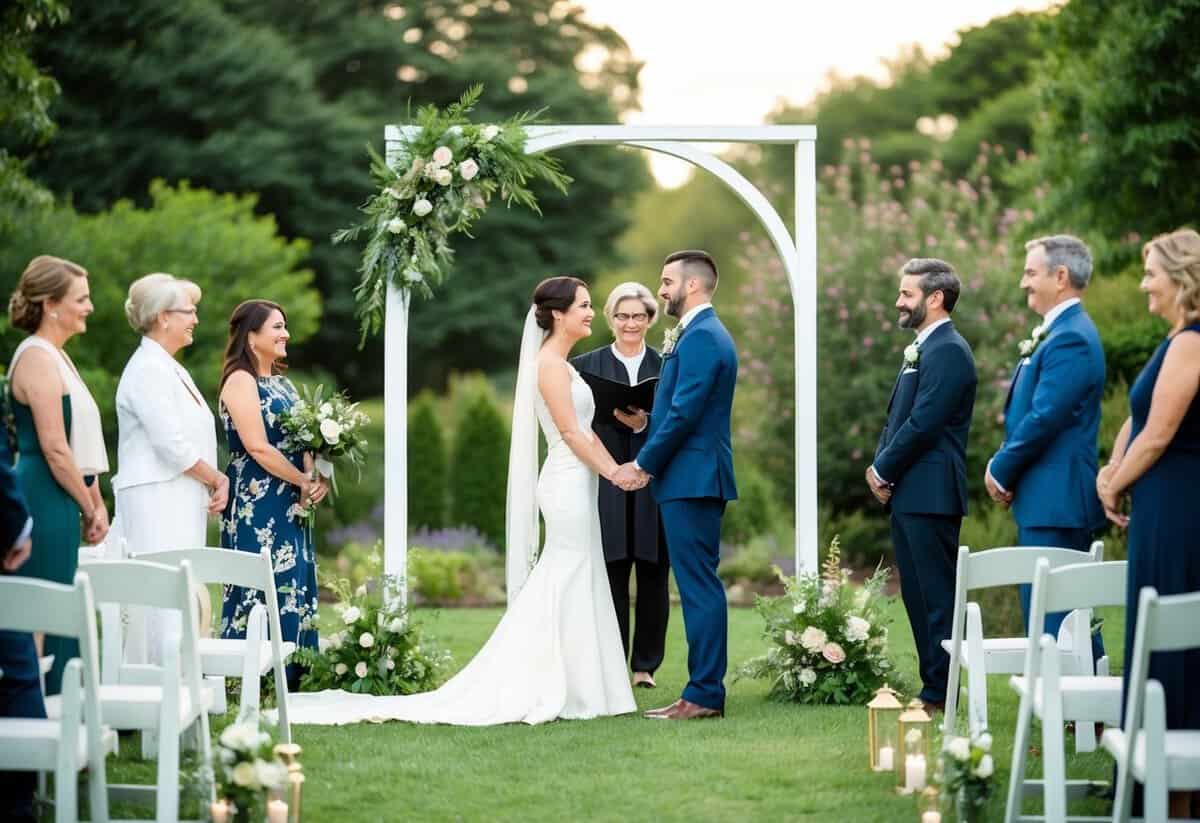
When planning a non-religious wedding ceremony, you have the freedom to create an experience that reflects your values and personality. The process involves choosing the right officiant, designing a personalized ceremony outline, and incorporating unique rituals or traditions that resonate with you.
Choosing a Wedding Officiant
Selecting a wedding officiant is one of the first steps in your planning. Look for someone who understands your vision and values.
You might consider:
- Experience: Find an officiant who has conducted non-religious ceremonies before.
- Style: Make sure their personality fits with yours.
- Personal Connection: This person will guide the ceremony, so it’s important to feel comfortable.
You can also check reviews and ask for recommendations from friends who’ve had similar weddings.
Creating a Personalized Ceremony Outline
Your ceremony outline should reflect both you and your partner. Start with the key elements, including the processional, your vows, and the ring exchange.
Consider these components:
- Introduction: A welcome message from your officiant.
- Vows: Write personalized vows that express your love and commitment.
- Unity Ceremony: You might choose a unity candle, sand ceremony, or another symbolic act.
Don’t forget to include any readings or music that are meaningful to you both.
Incorporating Unique Rituals and Traditions
Make your ceremony special by including unique rituals and traditions that represent your backgrounds or shared interests.
You could explore:
- Cultural Traditions: Drawing from your heritage can enrich the ceremony.
- Personal Rituals: Create a new tradition that is just for the two of you.
- Guest Involvement: Consider having guests participate in a unity ritual, like a hand-fasting.
These elements help create a memorable experience while celebrating your journey together.
Elements of the Ceremony
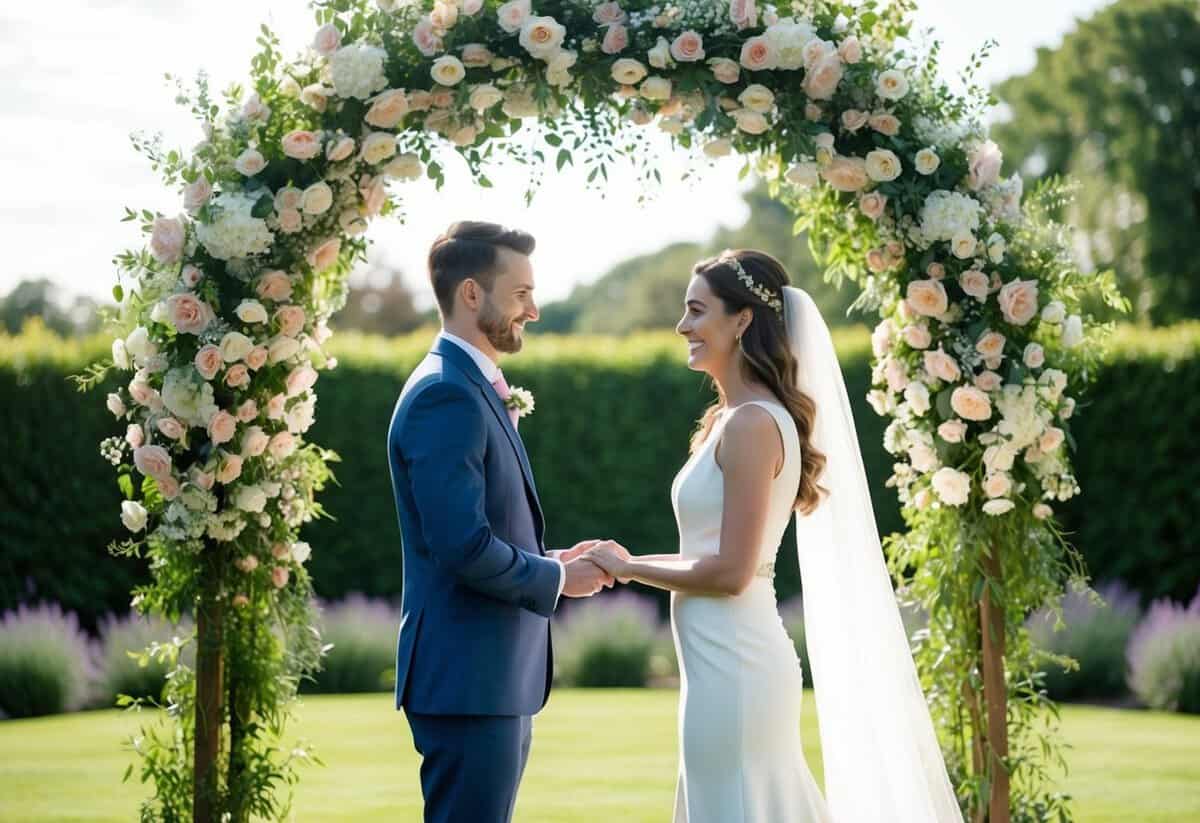
In a non-religious wedding, the ceremony is crafted to reflect your unique relationship. Focusing on personal elements helps make the event meaningful and memorable.
Exchanging Vows and Rings
One of the most significant parts of your ceremony is the exchange of vows. This is when you express your love and commitment to each other with words that are meaningful to you.
You can write your own wedding vows to make the moment extra special. This allows you to share your feelings and promises in a personal way.
After the vows, the exchange of rings symbolizes the everlasting bond between you. Wearing rings serves as a reminder of your commitment. You can personalize this part by including a special story about how you chose the rings.
Incorporating Unity Ceremonies and Rituals
Adding a unity ceremony can deepen the emotional impact of your wedding. These ceremonies are rituals that signify the joining of two lives into one.
Popular options include the unity candle, where you both light a single candle from two separate ones, symbolizing your two lives becoming one.
Another choice is the sand ceremony, where you blend two different colors of sand to represent unity. You might also consider a handfasting ceremony, where your hands are tied together with a ribbon or rope to symbolize your commitment.
Meaningful Readings and Personal Anecdotes
Incorporating meaningful readings can add depth to your ceremony. You might choose poetry, quotes, or excerpts that resonate with your relationship.
These readings can be from favorite books, songs, or even documents that capture your journey together.
You can also share personal anecdotes that highlight special moments in your relationship. This can create a warm and intimate atmosphere for you and your guests, making the ceremony even more memorable.
Including these elements will help ensure your non-religious wedding truly reflects your love and commitment to each other.
Personalizing Your Special Day
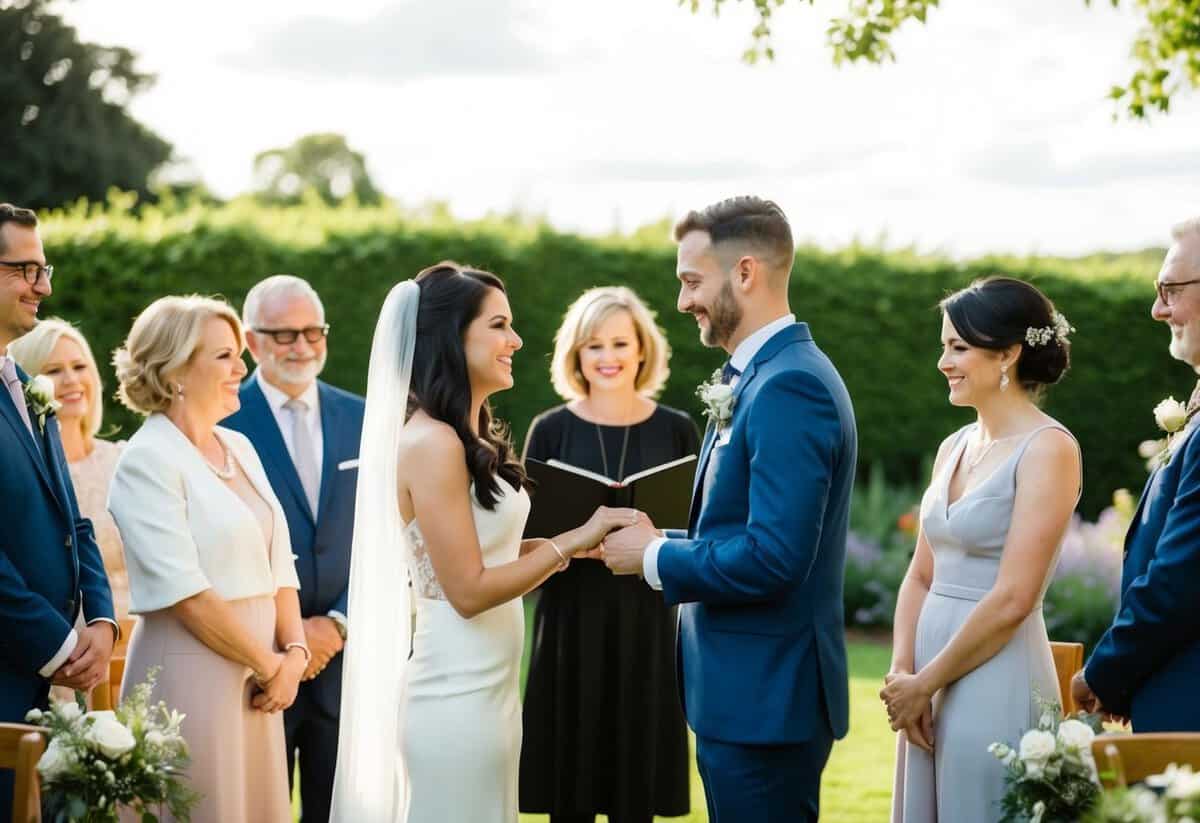
Your wedding is a chance to express your unique relationship fully. Personalizing your ceremony makes it memorable and reflects who you are as a couple. Here are ways to make your special day truly yours.
Highlighting Your Love Story and Commitment
Sharing your love story adds a personal touch to the ceremony. You can include anecdotes about how you met or meaningful moments in your relationship. Consider having a friend or family member read a passage that captures your journey together.
Another way to highlight your commitment is through vows. Write your own vows that reflect your feelings and promises. They should represent your love and dedication. This adds sincerity and intimacy to your ceremony, making it special for both of you and your guests.
Navigating Family Expectations with Inclusivity
It’s important to recognize family expectations while making your wedding personal. Talk with family members about their thoughts and traditions they value. This approach shows you respect their feelings.
Incorporating elements from both families can create a sense of inclusivity. For example, including a family ritual or honoring parents can bridge gaps. You can balance your desires with family traditions, leading to a celebration that feels like a blend of everyone’s values.
Adding Personal Touches and Values
Incorporating your personal values elevates your wedding. You can do this through symbolisms that mean a lot to you. For example, you might light candles to symbolize unity or exchange rings that represent eternity.
Personal touches can also show up in decor, music, and food. Choose music that reflects your journey or serve dishes that hold special meaning. The goal is to create an atmosphere that resonates with both of you.
Make choices that elevate your love and commitment. Ensure your day is as unique as you are.