
What Is a Non Religious Wedding Ceremony Called? Exploring Secular Celebrations of Love
If you’re planning a wedding that reflects your unique relationship without any religious elements, you might be curious about what to call it. A non-religious wedding ceremony is often referred to as a humanist wedding ceremony. This type of ceremony focuses on your love and commitment to each other, allowing you to express your values and beliefs in a way that feels right for you.
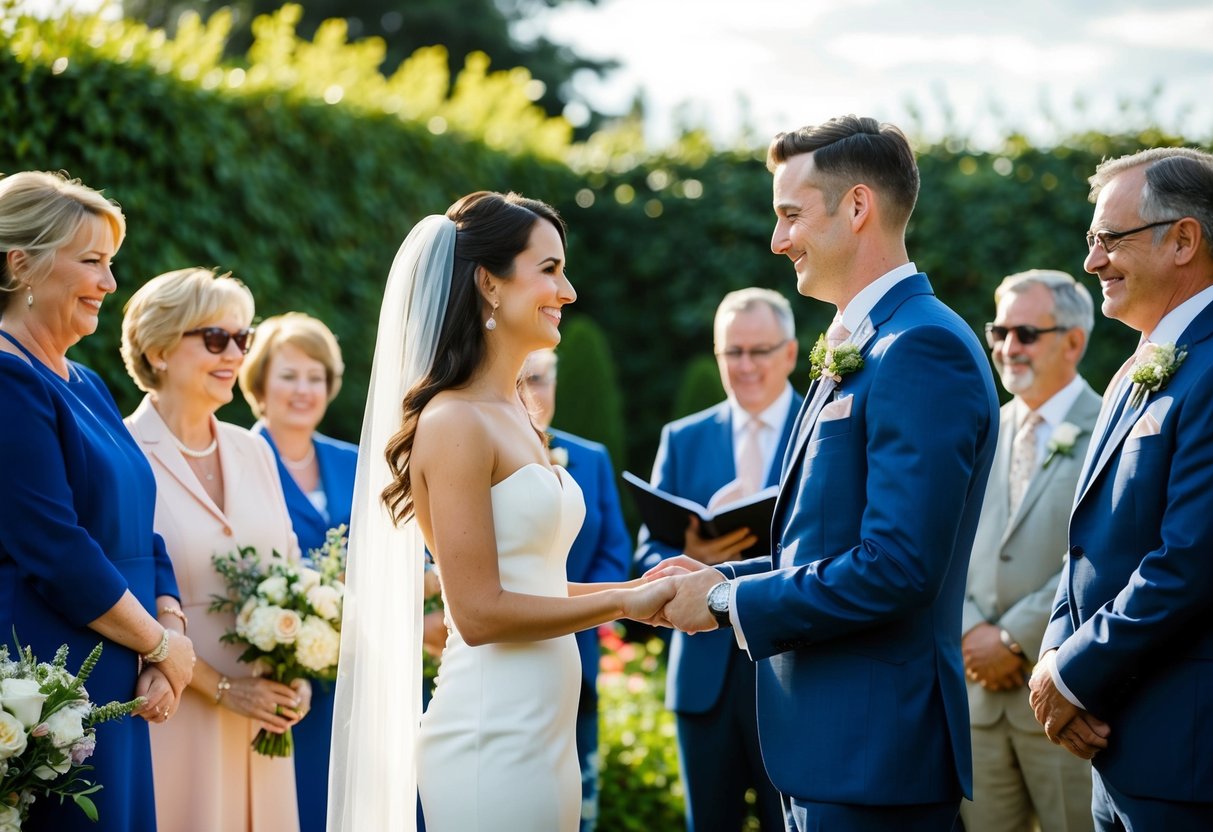
One of the great things about a non-religious wedding is that you have the freedom to create personalized vows that truly represent your story. You can design a ceremony that feels unique to you, without being bound by traditional customs. This opens up a world of possibilities for crafting a memorable experience that you and your guests will cherish.
With a personalized approach, your ceremony can include special readings, rituals, or anything that resonates with your relationship. Whether you identify as agnostic, atheist, or simply prefer a secular approach, a non-religious wedding ceremony gives you the space to celebrate your love on your own terms.
The Essence of Non-Religious Wedding Ceremonies
Non-religious wedding ceremonies focus on personal beliefs and love rather than religious traditions. You have many options, from secular weddings to humanist ceremonies, that let you create a meaningful event unique to you.
Understanding Secular Wedding Ceremonies
A secular wedding ceremony is tailored to reflect your relationship, without any religious elements. In this type of ceremony, you control the vows, readings, and rituals to align with your values and beliefs.
Usually performed by a civil celebrant, secular weddings allow for creativity. This flexibility means you can incorporate personal touches, like favorite poems or music, making the event truly yours.
Many couples find that a secular approach enhances their connection, as it honors their partnership without adhering to specific religious customs.
Defining Humanist Wedding Ceremonies
A humanist wedding ceremony emphasizes human values and love over religious themes. These ceremonies are typically conducted by a humanist celebrant.
In a humanist ceremony, you might enjoy a fully personalized experience. You can choose inclusive writings that reflect your beliefs and invite input from friends and family to make it richer.
Humanist weddings also celebrate values like equality and respect, making them appealing for couples who want a meaningful ceremony that represents their life together. This option reinforces your commitment in a way that feels authentic to you.
Planning Your Non-Religious Ceremony
Planning your non-religious ceremony allows you to express your love and commitment in a way that feels true to you. This process involves choosing the right officiant, designing a ceremony that reflects your unique relationship, and understanding the legal requirements needed to make your marriage official.
Selecting the Right Officiant
Choosing an officiant is one of the most important steps in planning your ceremony. You might consider hiring a celebrant who specializes in non-religious ceremonies.
Ask potential officiants about their experience and style. You want someone who can guide you through the process with warmth and professionalism. They should also be open to incorporating your ideas and wishes into the ceremony.
Don’t hesitate to meet with a few candidates to see who you connect with best. This person will play a key role in your celebration, so it’s essential to choose someone you trust and feel comfortable with.
Designing a Personalized Ceremony
Your ceremony is a chance to reflect your relationship. Start by discussing what traditions or elements are important to you both. For example, you might want to include personalized vows, poetry, or even stories that mark significant moments in your relationship.
Think about the tone you wish to set—will it be formal, casual, or a blend of both? Including rituals that speak to your hearts can add a beautiful touch.
Don’t forget to involve your guests. Consider having a moment where they can share their blessings or well wishes. This involvement can make the day even more meaningful.
Legal Considerations and Marriage License
Understanding the legal aspects is vital for your ceremony. First, check the requirements for obtaining a marriage license in your state. This often involves filling out an application and providing identification.
Be aware of any waiting period before the license is valid. It’s also important to know how long the license remains active, as you must marry within that time frame.
You will want to ensure your officiant is authorized to perform the marriage. Some officiants may need to complete paperwork to submit the marriage license officially after the ceremony. Make sure you discuss these details with your officiant to eliminate any last-minute surprises.
Ceremony Elements and Rituals
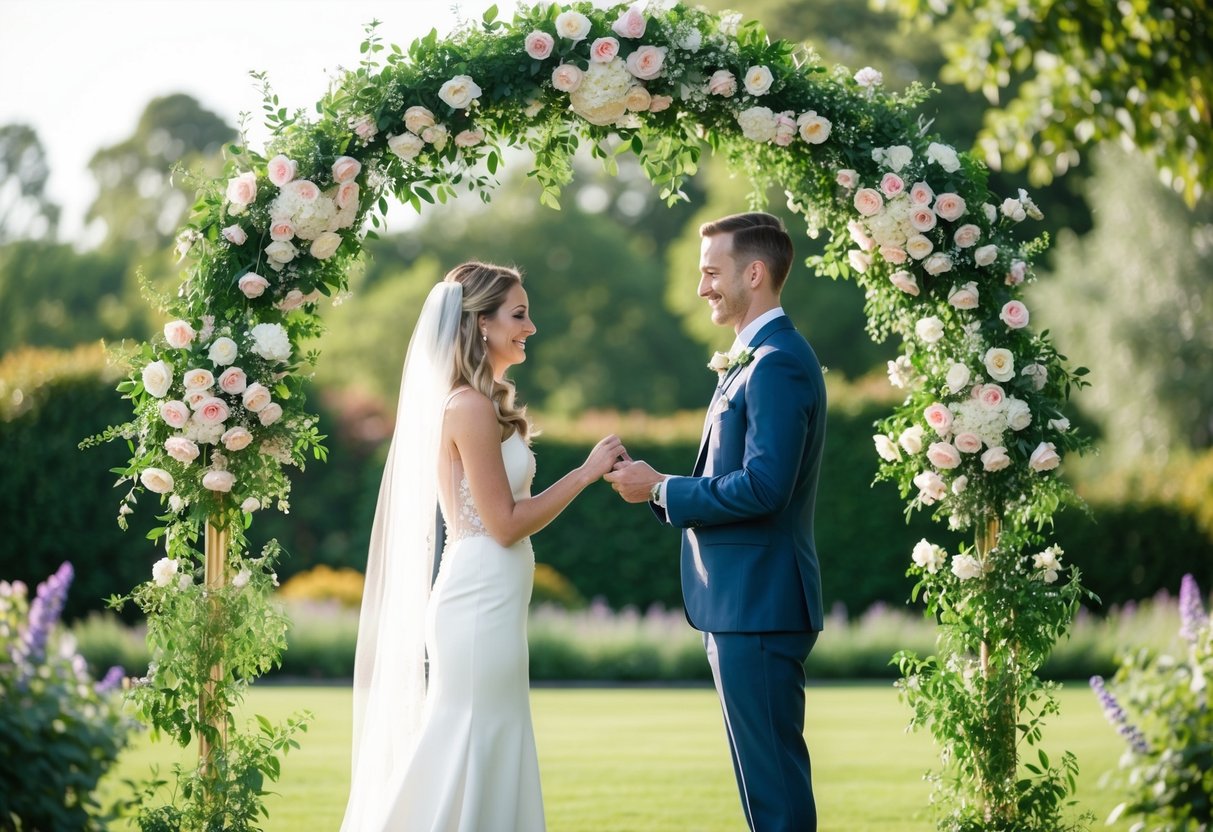
A non-religious wedding ceremony allows you to personalize key elements that reflect your values and relationship. Music, readings, and unique rituals can make your ceremony memorable. Here are some important components to consider.
Incorporating Music and Readings
Choosing the right music is essential for setting the mood. You can select songs that are meaningful to you as a couple. They might be your favorites or tracks that represent your relationship.
For readings, many couples choose poems or quotes that resonate with their love story. You might include passages about love from literature or create something personal. Including friends or family members in these parts can make it even more special.
Unique Rituals and Symbolic Actions
Incorporating unique rituals can add a personal touch to your ceremony. Unity rituals symbolize your bond as a couple. For example, a unity candle ceremony involves lighting a single candle together, representing your joined lives.
Another beautiful option is a sand ceremony. In this ritual, you pour different colored sands into one container, blending them to show the unity of your lives. You may also choose to create a memory box with letters to each other or small treasures from your relationship.
The Vows and Ring Exchange
Your vows are one of the most important parts of the ceremony. This is your chance to express your love and commitment. You can write personal vows that highlight your journey together, your promises, and your hopes for the future.
The ring exchange comes after the vows and symbolizes your commitment. You can personalize this moment with words that reflect the meaning of the rings. It’s a simple yet powerful gesture that marks the start of your married life.
These elements work together to create a meaningful, non-religious ceremony that reflects who you are as a couple.