
What Is a Normal Schedule for a Wedding? A Simple Timeline to Help You Plan
Planning your wedding can be exciting but overwhelming at the same time. A clear schedule is essential to keeping everything on track. A typical wedding schedule spans about six to eight hours, starting with preparation and ending with the reception festivities. Understanding this timeline will help you feel more prepared for your big day.
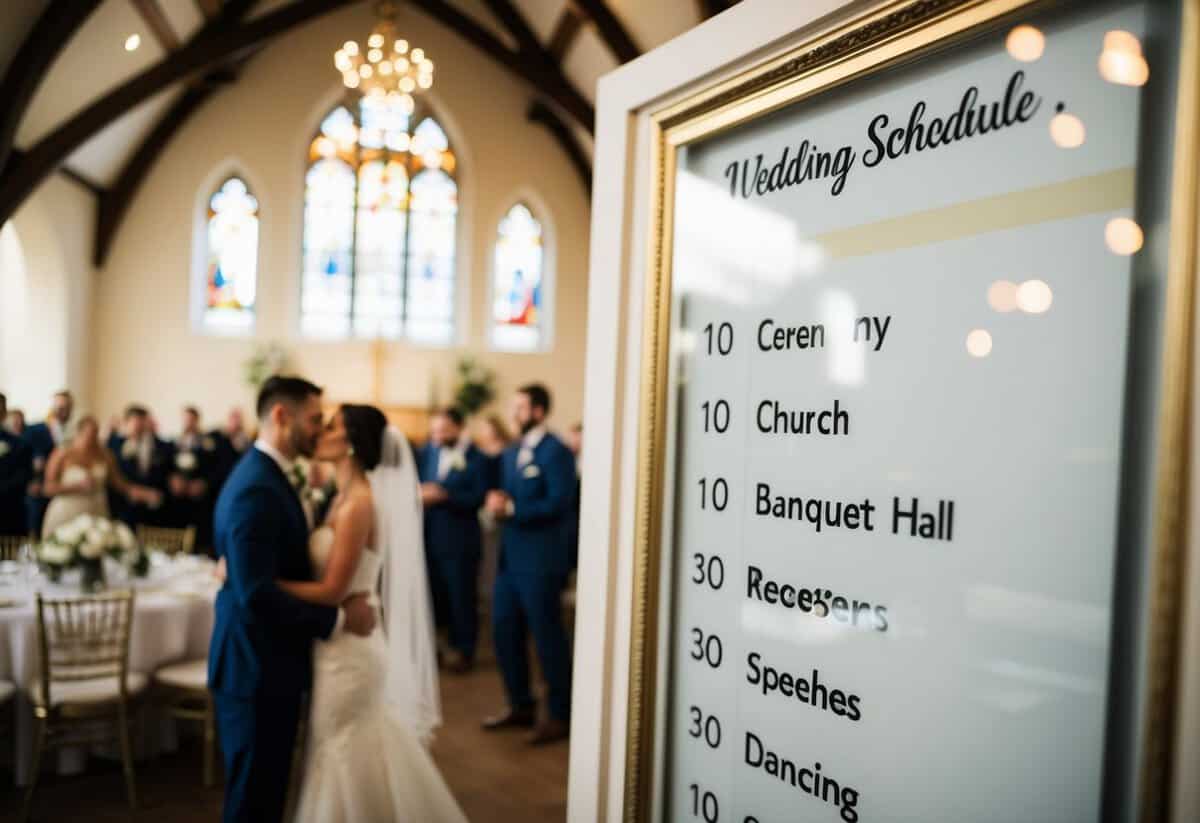
As you create your wedding day schedule, consider working with a wedding planner to help you organize the details. This can include everything from the timing of the ceremony to the moments you’ll want to capture in photographs. Having a well-structured plan allows you to enjoy your special day, rather than stressing over when things should happen.
Knowing the normal flow of a wedding day helps you feel confident and prepared. You can better manage the various elements, ensuring that your celebration runs smoothly. With the right schedule in place, you can focus on celebrating your love and creating lasting memories with friends and family.
Planning Your Wedding Day Timeline
Creating a timeline for your wedding day is essential for a smooth experience. It helps ensure that you and your loved ones enjoy every moment without feeling rushed.
Focus on the getting ready phase and the first look to set a positive tone for the day.
Getting Ready
Your wedding day begins with getting ready. Make sure to schedule ample time for hair and makeup services. Aim to start at least 4-6 hours before the ceremony. This allows time for any unexpected delays.
Consider having your wedding party and family nearby. It makes the atmosphere fun and joyful. A day-of coordinator can help manage the timeline so you can relax.
Photographers often arrive during this time to capture candid moments. Schedule time for individual and group shots. You might want to include a light breakfast or snacks to keep everyone energized.
First Look and Pre-Ceremony Photos
The first look is a special moment for you and your partner. Schedule it about 1-2 hours before the ceremony. This time allows for emotional moments to unfold without pressure.
After the first look, dedicate time for family portraits and pictures with the wedding party. This usually takes about 30-45 minutes. Having a list of key shots can help the photographer stay on track.
Keep your timeline flexible. If things take longer than expected, adjust as needed. The goal is to enjoy the moment and be present, making memories that will last a lifetime.
Ceremony and Reception Details
Understanding the flow of your wedding day is essential. Key aspects include the timing of the ceremony, the transition to the cocktail hour, and the kickoff for the reception festivities.
The Wedding Ceremony
Your wedding ceremony typically lasts between 30 to 60 minutes. This is the moment where you and your partner exchange vows and rings, making promises to each other.
If you’re having an outdoor ceremony, consider the weather and time of day for optimal lighting and comfort. A venue coordinator can help ensure everything runs smoothly, from music to seating arrangements.
Be sure to communicate clearly with your officiant about any special elements, like readings or rituals. These details can personalize your ceremony and make it memorable for both you and your guests.
Cocktail Hour and Reception Kickoff
After the ceremony, the cocktail hour usually lasts about an hour. During this time, guests enjoy drinks and light snacks while you and your wedding party take photos. This is also a perfect opportunity for you to mingle with guests.
Once you’re ready to kick off the reception, anticipate your grand entrance. This is an exciting moment where you are introduced as a married couple.
The reception then continues with dinner service, followed by special dances like your first dance and parent dances. Planning these moments ahead of time helps maintain a smooth wedding timeline and keeps your guests engaged.
Reception Events and Celebrations
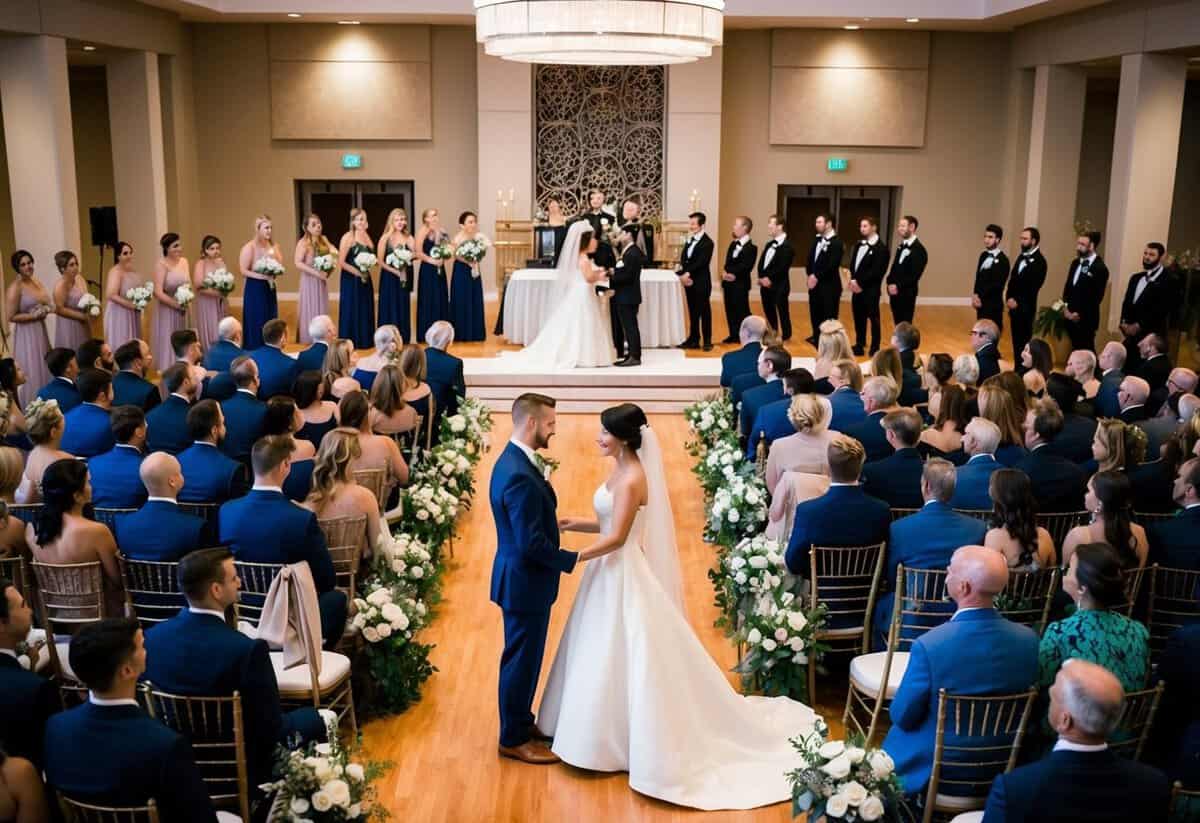
The reception is a major part of your wedding day. It serves as a time to celebrate with family and friends while enjoying food, drinks, and entertainment. Let’s break down what typically happens during this exciting part of the event.
Dinner and Speeches
During the reception, dinner is usually served after the wedding party entrance. You can choose between a plated dinner or a buffet style. This decision can affect the flow of the evening.
Speeches often follow dinner. Typically, the best man and maid of honor are the first to speak, sharing stories and well wishes. A welcome toast by you or your partner is also common, which sets a warm tone for the evening.
These moments are key to personalizing your reception and allowing guests to connect with your love story. Keep speeches light and heartfelt. This helps maintain a joyful atmosphere.
Key Reception Moments
Several key moments are important to include in your reception timeline. The first dance is one of the most memorable events, where you show off your dance moves as a couple. This typically happens right after dinner, making it a highlight for everyone.
Some couples also enjoy the cake cutting ceremony, which can be a fun moment to share. Don’t forget the bouquet toss and garter toss, which can get guests involved and add excitement.
Your DJ or band can help set the mood for dancing throughout the night. Make sure to plan time for everyone to enjoy the dance floor! This keeps the celebration lively and fun for all your guests.
Concluding the Celebration
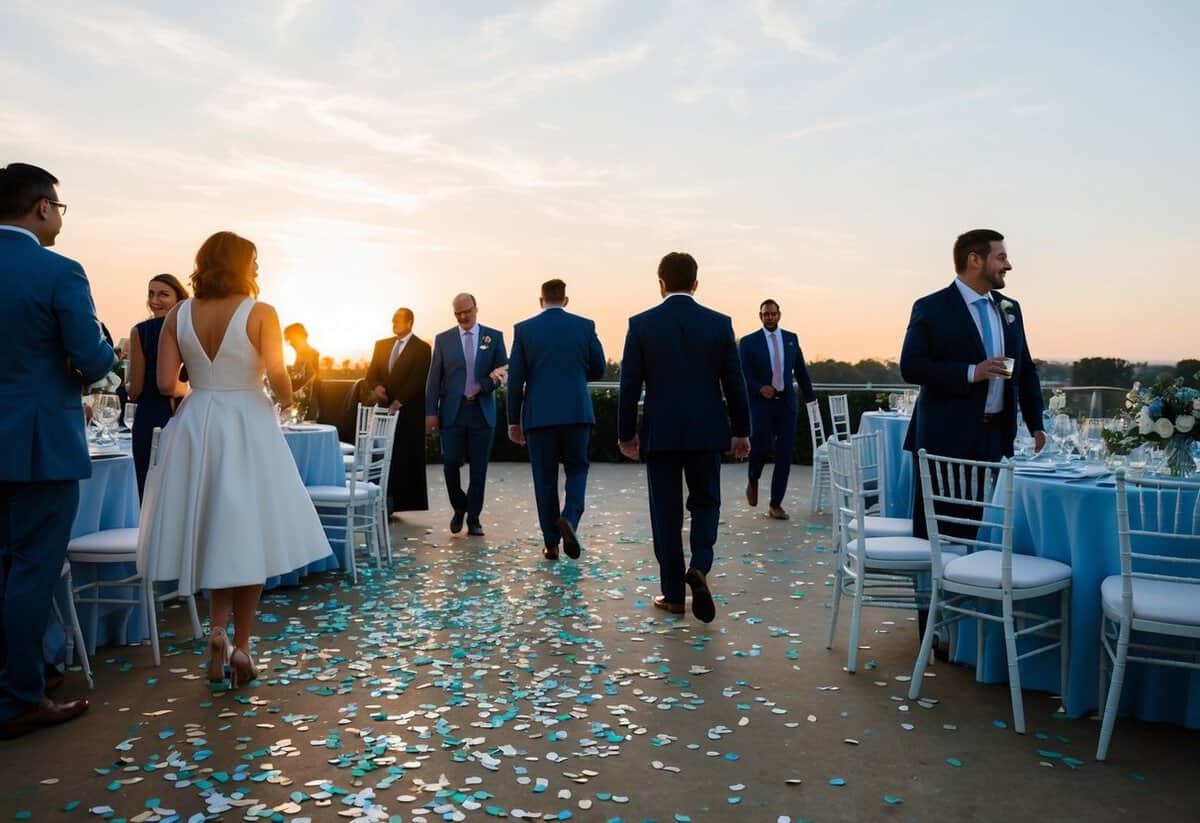
As the night winds down, it’s essential to wrap up the festivities in a memorable way. Key moments include capturing stunning sunset photos and planning a grand exit that will leave a lasting impression on your guests.
Sunset Photos and Evening Activities
Once the sun begins to set, consider taking a moment for sunset photos. This is a perfect opportunity to step outside with your photographer and capture beautiful, romantic images. The golden hour light can enhance the colors and mood of your wedding pictures.
While you’re away, guests can enjoy reception drinks or partake in evening activities. If you have games or a photo booth, this is a great time to encourage mingling and fun.
Keep an eye on the schedule to ensure you’re back in time for dinner or any planned speeches. These sunset moments can be a highlight of your wedding, adding a personal touch when shared later with family and friends.
Grand Exit
The grand exit is a fantastic way to conclude your wedding celebration. It marks the final moment of the night for you and your guests.
Choose a theme that reflects your personalities, like sparkler send-offs, bubble exits, or confetti blasts.
Coordinate with your planner to time this perfectly with the end of the reception. Make sure to have your guests ready for a memorable farewell.
This will create a festive and joyful atmosphere as newlyweds depart, leaving a lasting impression on everyone attending.
Your grand exit should feel special and like a beautiful ending to a memorable day.