
What Is a Normal Time for a Wedding to End? Understanding Reception Timings and Traditions
When planning your big day, timing is everything. You might wonder, “What time does the average wedding typically end?” The average wedding typically ends between 10 p.m. and midnight, depending on your venue and personal preferences. Understanding this helps you create a smooth wedding timeline and ensures your guests have a wonderful time.
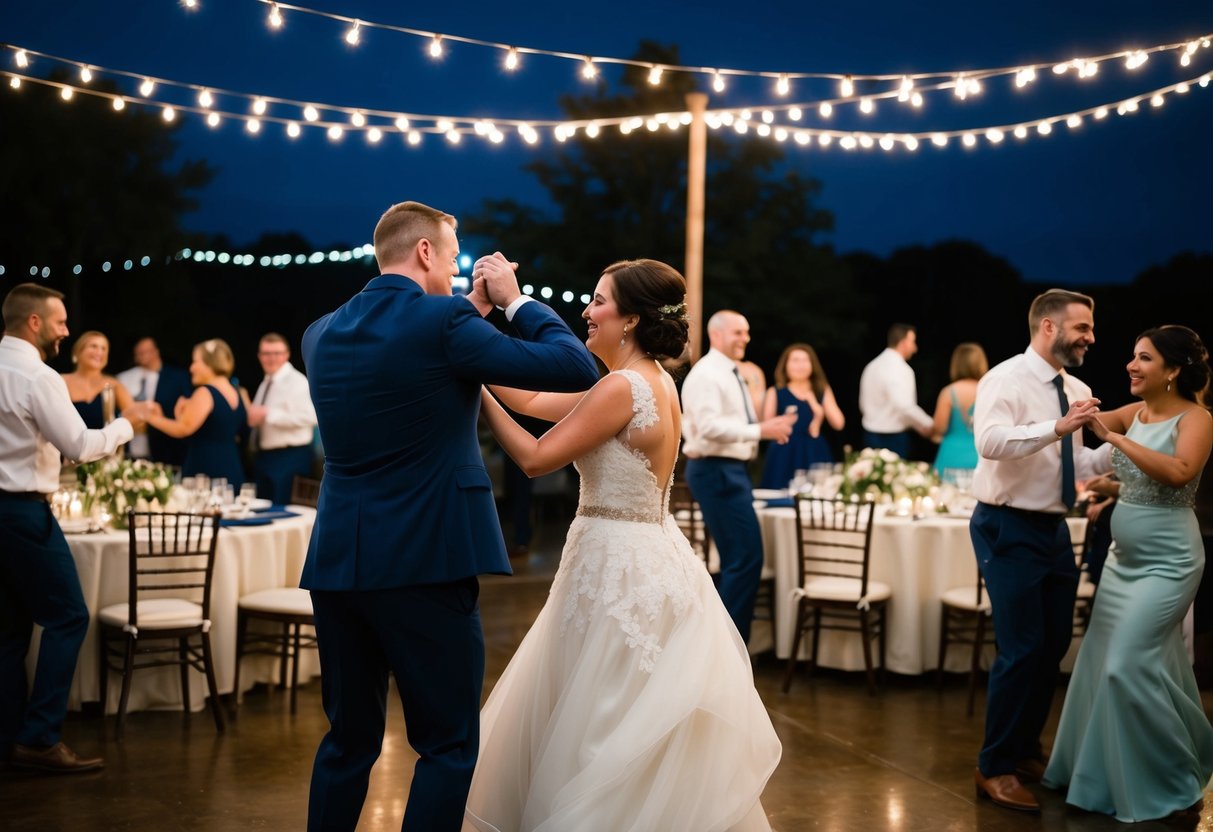
Most wedding ceremonies last about 20 to 30 minutes, often followed by a reception full of dancing and celebration. You can expect to dedicate 2 to 3 hours for the reception, which is when the real fun happens. If your ceremony starts later in the afternoon, it’s good to keep in mind how that will affect when your event wraps up.
As you map out your special day, consider your interests, your guests’ needs, and the venue policies. Keeping these factors in mind will help you decide on a perfect end time for your wedding, making your celebration memorable for everyone involved.
Determining the Ideal Wedding Day Timeline
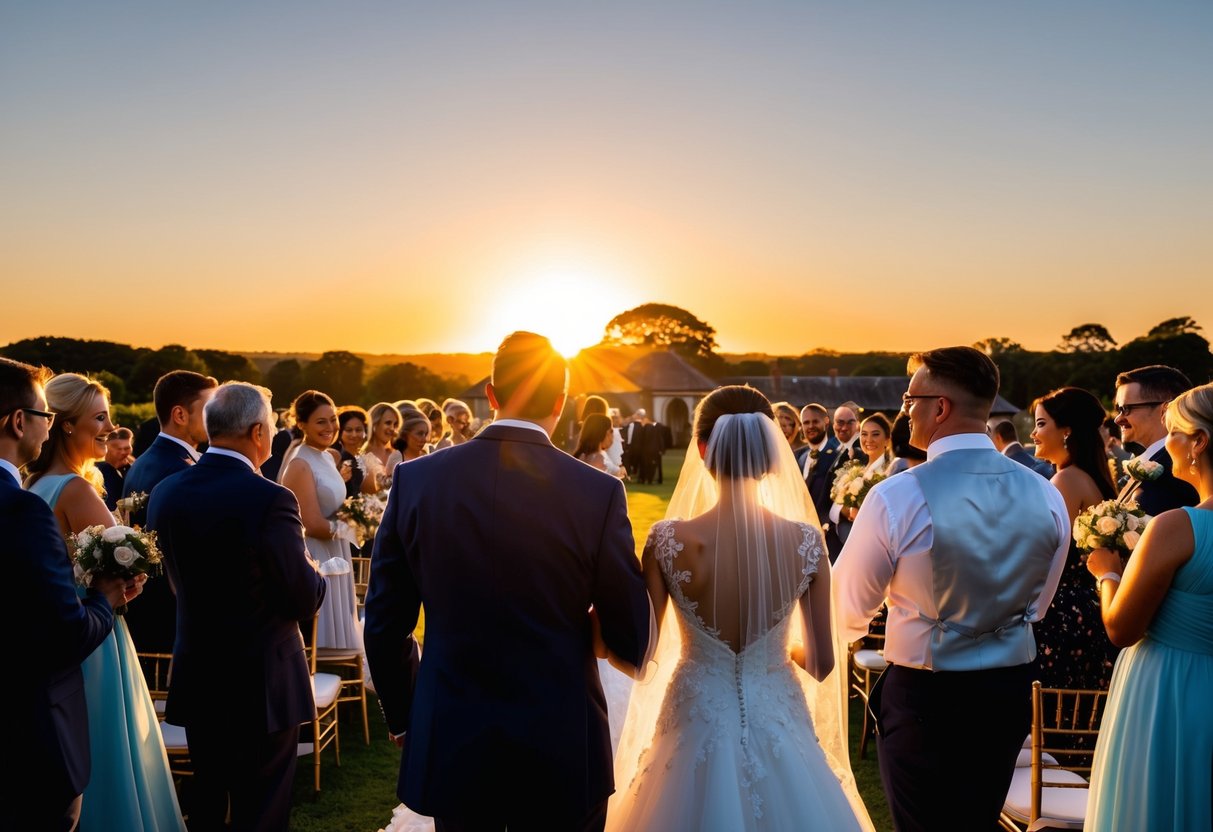
Creating a wedding day timeline helps keep everything organized. You will want to plan when key events happen. This ensures your guests enjoy every moment, from the ceremony to the reception.
Ceremony Start Time to Reception Transition
You should set a start time for your ceremony that allows enough time for everything afterward. A common choice for weddings is a late afternoon ceremony, often around 4 or 5 PM. This timing allows for stunning sunset photos.
After the ceremony, you will likely have a cocktail hour. This gives guests a chance to relax and mingle. Keep it to about 60 minutes.
Then it’s time for the reception. Plan a smooth transition from the cocktail hour to dinner. Typically, the first dance happens shortly after dinner is served.
Key Moments and Their Sequence
Your timeline should include all the essential moments. Think about when to cut the cake, when to toss the bouquet, and when to begin dinner and dancing.
Here’s a simple order to follow:
- Cocktail Hour: 60 minutes after the ceremony.
- Dinner: Serve within 30 minutes once guests are seated.
- First Dance: Usually right after dinner.
- Cake Cutting: Typically follows the first dance.
- Bouquet Toss: A fun moment that can happen later in the evening.
Timing these events well makes your celebration enjoyable and memorable for you and your guests.
Understanding Reception Length and Scheduling
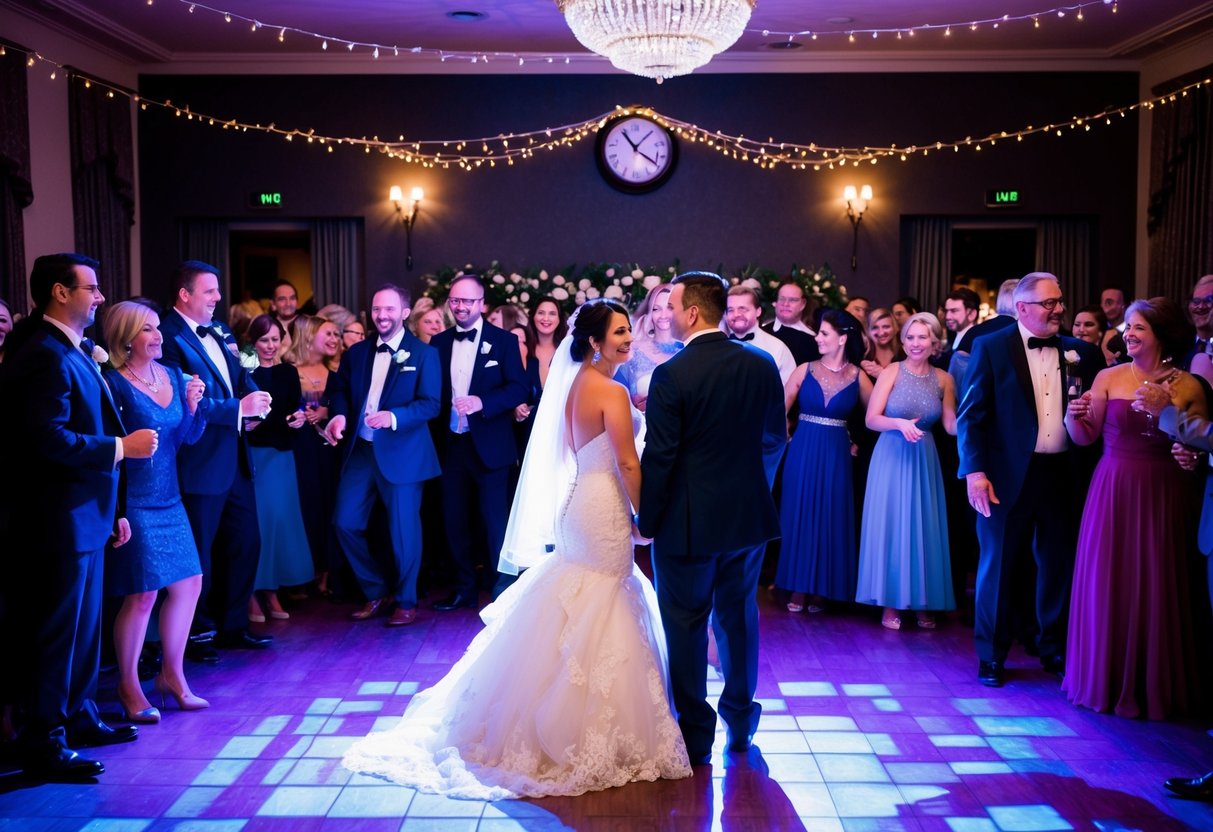
Knowing the right timing for your wedding reception is essential for planning a smooth and enjoyable event. The length of your reception can influence the overall experience for you and your guests. Understanding traditional versus modern reception durations and the factors that affect end times will help you make informed decisions.
Traditional Versus Modern Reception Durations
Traditionally, wedding receptions last about 4 to 5 hours. This usually includes time for cocktails, dinner, and dancing. Starting your reception around 5 p.m. may lead you to an end time of around 10 p.m.
In modern weddings, there’s often more flexibility. You might plan for a shorter reception, especially if your wedding is during the day or on a weekday. Outdoor weddings can extend into the evening with beautiful sunset views, making for a memorable experience.
Consider your venue as well. Some venues have strict closing times, impacting how long your celebration can last. Make sure to factor in these elements as you schedule your big day.
Factors Influencing Reception End Time
Several factors shape when your reception will end. The number of activities and the flow of events play significant roles. A wedding timeline often includes a cocktail hour, dinner service, speeches, and dancing. Each segment requires time, so plan accordingly.
Your choice of entertainment also matters. If you have a live band, they may play longer sets, while a DJ might offer more flexibility. Guest preferences can impact how long everyone wants to celebrate.
Finally, consider your venue’s restrictions on noise or closing times. These factors combined will help you create a wedding reception timeline that works for you and your guests.
Post-Ceremony Activities and Timelines
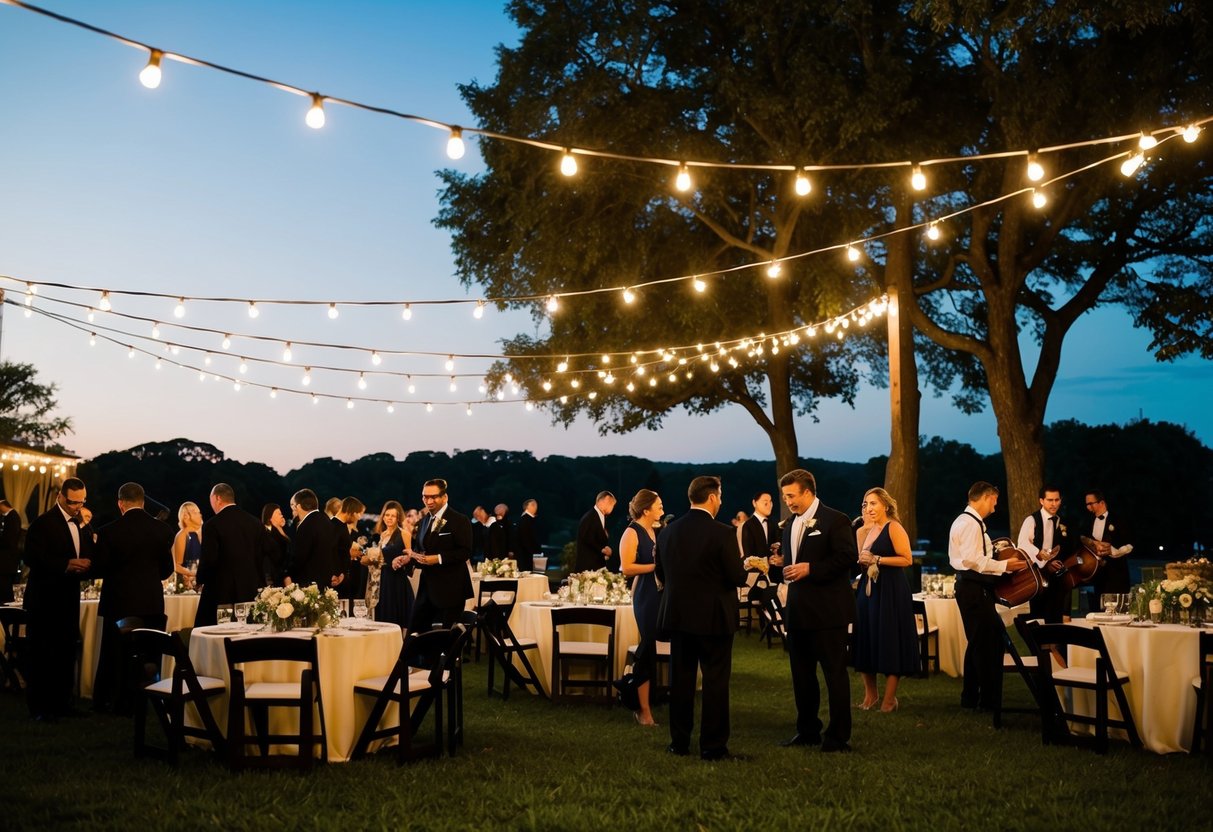
After the ceremony, the celebration continues with various activities that guide the flow of your wedding day. It’s essential to follow a clear timeline to keep everything on track and ensure everyone has fun.
Family Portraits and Wedding Photos
Taking family portraits and wedding photos is a significant part of your day. After the ceremony, set aside 30 to 60 minutes for these pictures. This time allows for capturing those special moments with your family and bridal party.
To make this process smooth, you can create a list of must-have shots. This way, your photographer can quickly gather everyone together. Consider including key family members and your wedding party, too.
Having a family member or close friend help direct people can speed things up. You might also want to coordinate with your photographer beforehand to ensure you get the best shots possible.
Grand Entrance and Reception Events
Once the photos are done, it’s time for the grand entrance at the reception. This moment usually occurs around 30 minutes after the ceremony ends. You and your partner can make a fun entrance, often greeted by applause from your guests.
Following the entrance, start with traditional events. A receiving line allows you to greet guests or you might head straight to your first dance. You can also plan for cake cutting to take place shortly after, usually within the first hour of the reception.
Keep in mind the timeline for each event to ensure a smooth flow of the evening. This organization allows you to enjoy your celebration without feeling rushed.
Role of Wedding Planners and Venue Coordinators
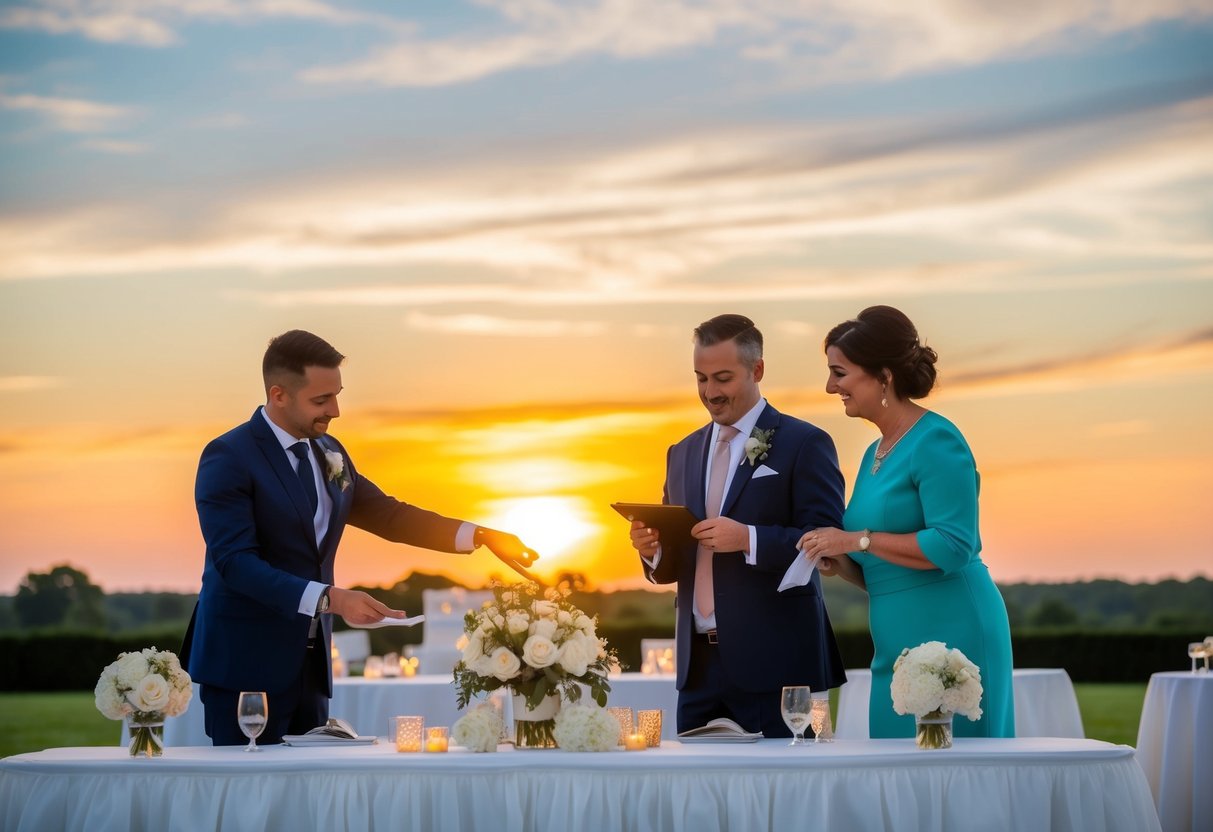
Planning a wedding involves many details, and the roles of wedding planners and venue coordinators are crucial for a smooth event. They help organize everything from the schedule to the smaller details you might not think of.
Pre-Wedding Organization
Your wedding planner plays a big role in the months leading up to your big day. They help you choose the right wedding venues, manage your budget, and gather necessary documents like contracts. They also assist in creating a detailed wedding day schedule.
A wedding planner can help coordinate hair and makeup appointments, ensuring your bridal party is ready on time. They also facilitate communication with vendors, like photographers and florists. If you are having a religious ceremony or traditional weddings with specific customs, your planner can guide you through those expectations.
Day-of Coordination and Schedule Management
On the wedding day, the venue coordinator takes charge of the logistics. They ensure everything runs smoothly, from setting up the ceremony to managing the timeline.
The venue coordinator also ensures all vendors arrive on time and that the wedding day schedule is followed.
A venue coordinator will help with guest management, from directing them to the ceremony area to helping them find their seats during the reception. They also keep track of special moments, like when the cake is cut or the first dance takes place.
With their expertise, you can fully enjoy your day without stress, knowing that all details are in good hands.