
What Is a Normal Time to Have a Wedding? Tips for Choosing Your Perfect Date
Choosing the right time for your wedding can greatly impact your special day. Most weddings typically happen between 2 p.m. and 5 p.m. for afternoon ceremonies, or 5 p.m. to 7 p.m. for evening events. Understanding these times can help you plan better and ensure your guests can enjoy the celebration to the fullest.
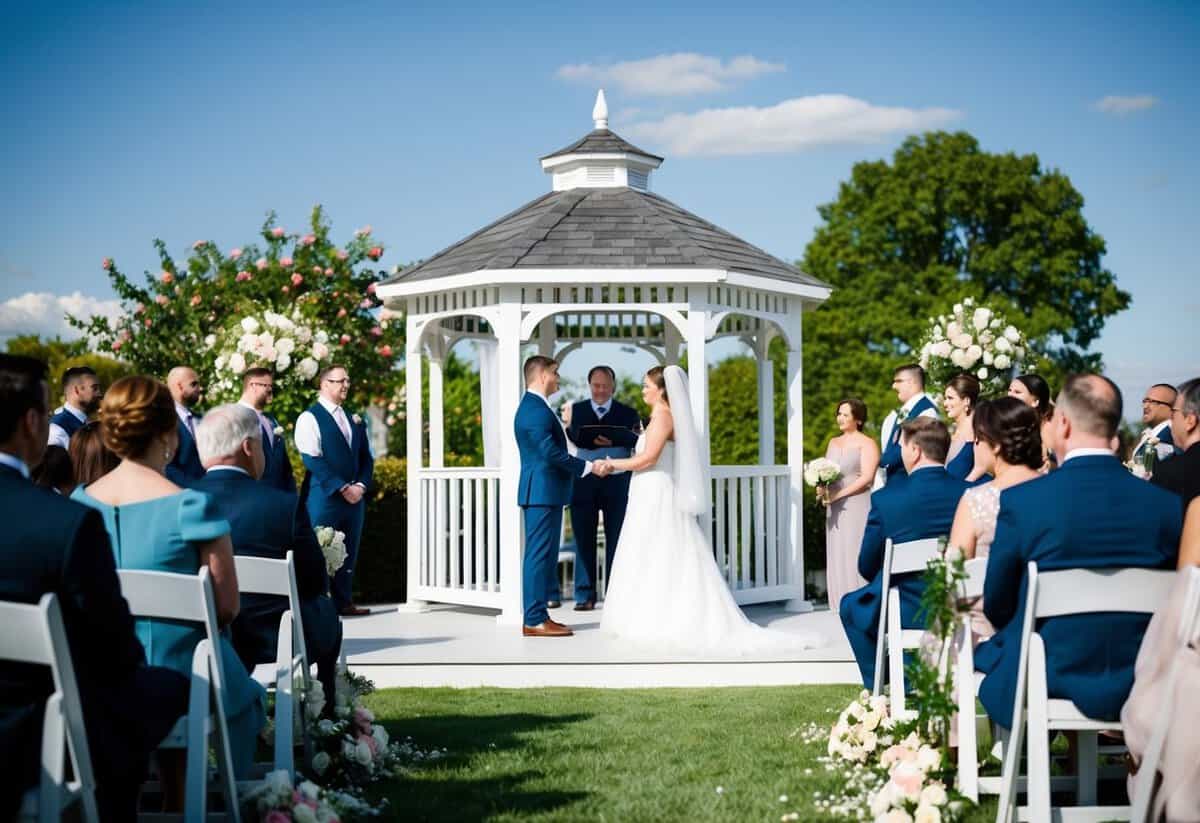
Remember, the time you select sets the mood for your ceremony and reception. A later start may allow more guests to arrive, especially if you’re planning a Friday wedding. Knowing the common start times can help you create a timeline that flows seamlessly from the ceremony to the festivities.
In this article, you’ll explore the factors that influence the best time for your wedding, including the season, guest availability, and even the type of venue. Get ready to discover the perfect timing for your unforgettable day!
Determining the Ideal Start Time
Choosing the right start time for your wedding is key to enjoying your special day. You’ll want to ensure a smooth flow of events while considering natural light and your guests’ comfort.
Ceremony Start Time
Most couples find that a ceremony start time between 3:00 PM and 5:00 PM works best. This timing allows for ample daylight for photos and keeps guests from feeling rushed.
If you plan an outdoor ceremony, starting around 4:00 PM is popular. It provides a relaxed atmosphere before heading into the evening festivities. You’ll want to confirm the schedule with your venue for an ideal start time that suits your theme.
Also, consider your guests’ travel time and possible traffic. Allow them enough time to arrive and settle before the ceremony begins. This way, everyone can enjoy the moment without stress.
Natural Light and Golden Hour
Natural light plays a big role in setting the mood for your wedding. For beautiful photographs, plan your ceremony close to the golden hour, which occurs about one hour before sunset.
This means if the sun sets around 6:30 PM, your ceremony could start around 5:30 PM. The warm, soft light of golden hour enhances photos, creating stunning memories of your special day.
If you’re envisioning a sunset ceremony, be aware of local sunset times for your wedding date and adjust your start time accordingly. Evening weddings can create a magical feel, but ensuring good lighting is essential for those precious moments captured in photographs.
Planning the Day’s Events
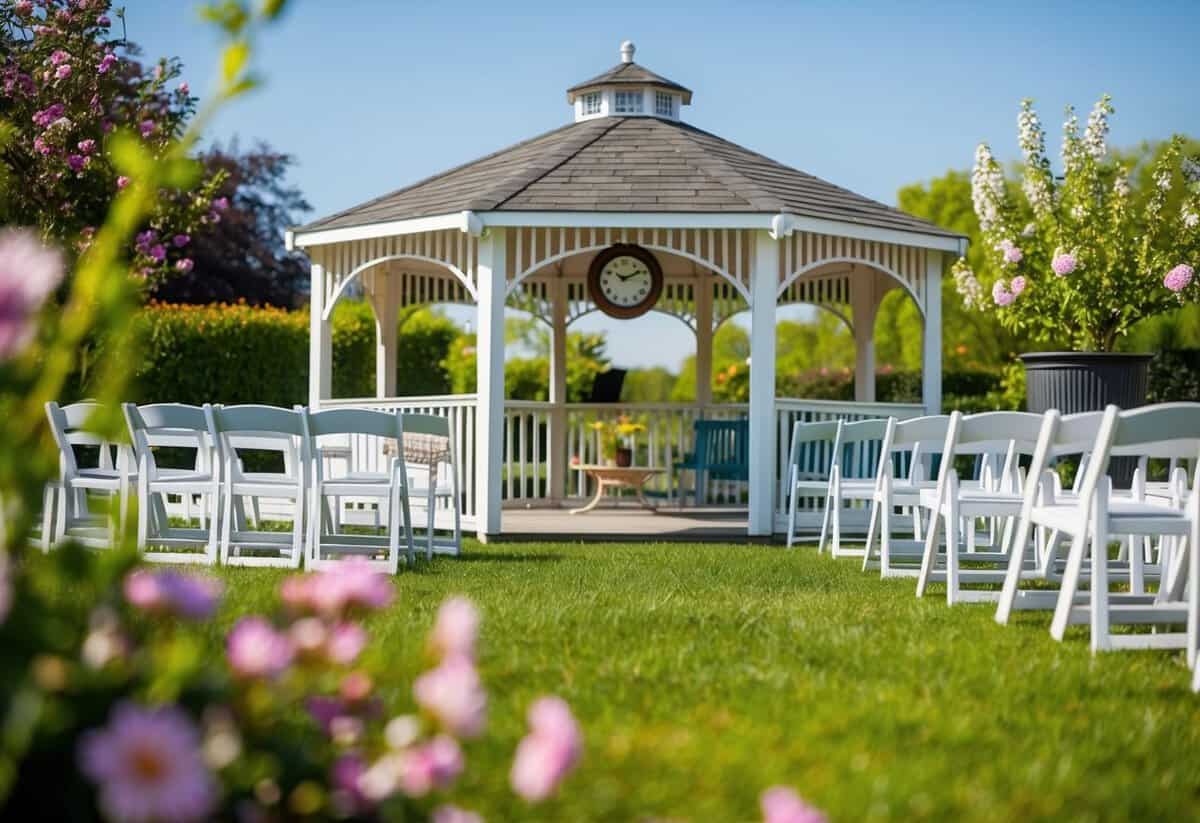
Getting the timing right for your wedding day events can make a huge difference. A well-planned schedule helps everything run smoothly, from the ceremony to the reception and beyond.
Creating the Wedding Day Timeline
Start by mapping out your wedding day timeline. Begin with the ceremony, which typically lasts around 30 minutes to an hour. After that, allow time for key activities such as family photos and the couple’s first look.
You might schedule a cocktail hour while you’re taking pictures. This keeps your guests entertained. After the photos, plan for your grand entrance into the reception. Fun elements like the first dance and cake cutting can follow, keeping the energy lively.
Make a detailed plan on paper with estimated start times for each part. Share this with your wedding planner and vendors.
Role of a Wedding Planner
Your wedding planner can be a valuable resource for planning your day’s events. They help create a wedding day timeline that fits your vision and style.
Planners also coordinate with vendors, ensuring everyone is on the same page regarding start times. This means you can relax and enjoy your big day.
If changes arise, you won’t need to stress. A wedding planner handles adjustments and keeps everything running smoothly, letting you focus on your ceremony and reception. Their experience can prevent common pitfalls, translating to a more enjoyable day for you and your guests.
Key Milestones: First Look to Cake Cutting
Several key milestones mark a typical wedding day. One popular moment is the first look. This is when the couple sees each other before the ceremony, usually captured in beautiful photos.
During the reception, the first dance happens soon after your grand entrance. This special moment is often followed by family speeches and toasts.
The cake cutting is another significant event. It’s a fun way to celebrate and brings everyone together. Plan a fun photo opportunity here, as it’s often a favorite moment for guests. Timing these events well ensures that everyone shares in the joy of your celebration.
Photography Schedule
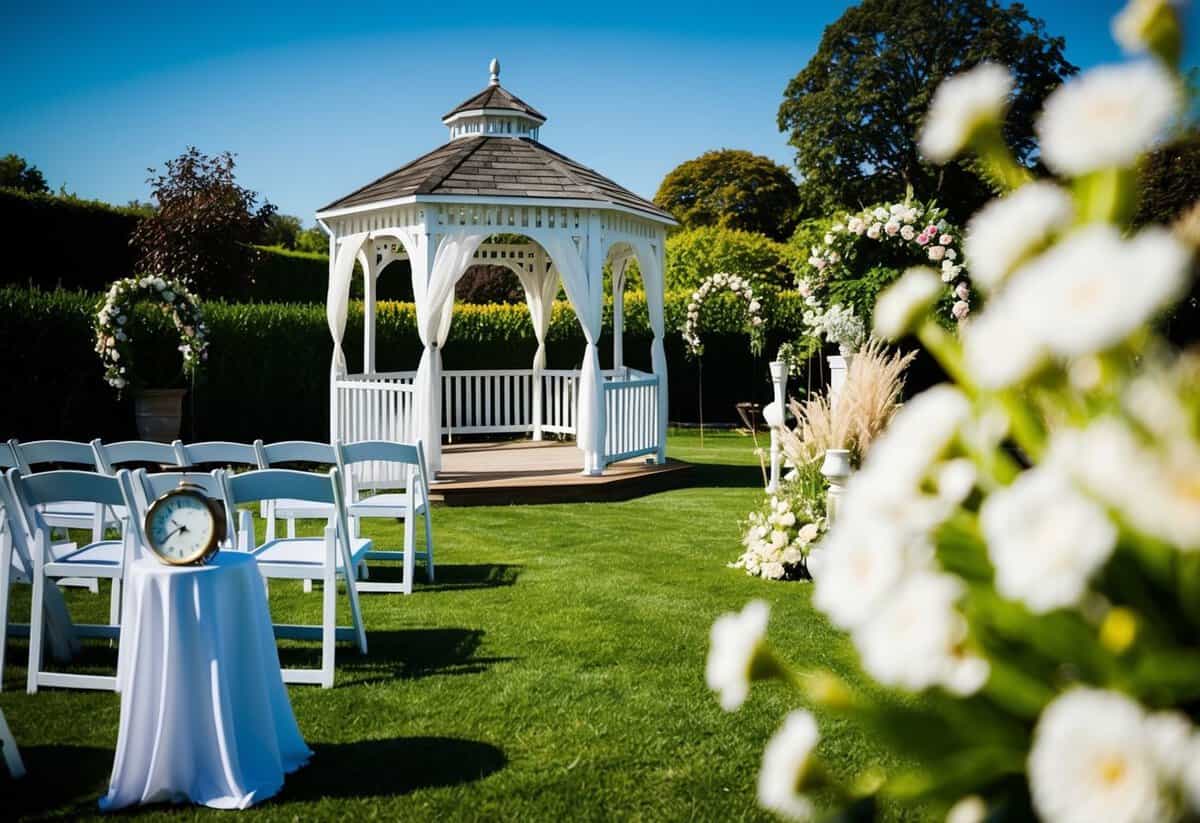
Getting your photography schedule right can help make your wedding day smooth and enjoyable. Planning ahead allows for capturing special moments without feeling rushed. Here are two key areas to focus on: bridal party photos and family photos, along with sunset shots.
Timing for Bridal Party Photos
Scheduling time for bridal party photos is essential. Aim for about 30 to 45 minutes for these shots. Discuss with your wedding photographer early on so they can help you plan.
You and your bridal party can relax and enjoy this time. Consider doing these photos right after the ceremony or during the getting ready phase.
If you opt for a “first look” before the ceremony, you can carve out extra time for creative shots. Choosing a nice location can also enhance the look of your bridal portraits.
Scheduling Family and Sunset Photos
Family photos should be organized to keep things flowing. Set aside around 20 to 30 minutes for family shots after the ceremony.
Make a list of important groupings to share with your photographer. This helps ensure no one is missed.
As the day winds down, sunset photos can make for stunning backdrops. Ideally, plan for these about 30 minutes before sunset. Your wedding photographer can guide you on the best timing based on the season and location.
Seasonal Considerations for Wedding Timings
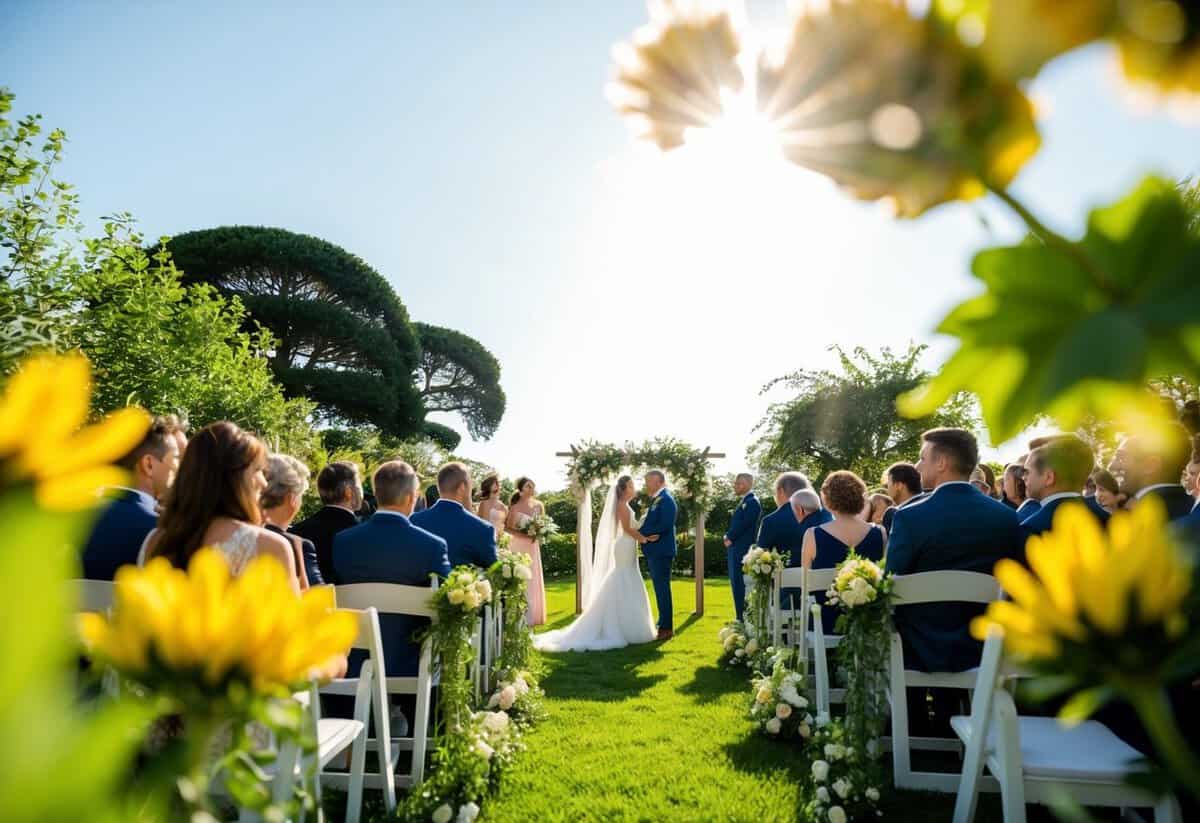
When planning your wedding, the time of year can greatly impact your ceremony’s timing. Seasonal factors like daylight, weather, and guest comfort play important roles. Here’s what to keep in mind for different seasons.
Summer and Spring Weddings
For summer and spring weddings, you’ll want to consider the longer daylight hours. Ceremonies often start around 5:00 PM to take advantage of the natural light while keeping your guests comfortable.
In warmer months, an evening ceremony can help avoid the heat, especially during peak hours. If you choose a daytime event, aim for late morning or early afternoon. This timing allows your guests to enjoy the outdoors while staying cool. Consider outdoor venues that provide shade as well.
Fall and Winter Weddings
Fall and winter weddings have their own unique timing needs. In these seasons, days are shorter, so couples usually start their ceremonies earlier.
For a winter ceremony, you should consider starting around 3:00 PM. This gives you enough daylight without ending too early.
In the fall, timing can vary based on sunset. Starting your ceremony around 4:00 or 5:00 PM works well to catch beautiful autumn colors and a scenic backdrop.
Choose cozy indoor venues for winter weddings to keep your guests warm and comfortable.