
What Is a Normal Time to Start a Wedding? A Guide for Your Perfect Day
Choosing the right time for your wedding can set the mood for the entire day. Wedding ceremonies usually fall between 1 PM and 3 PM, making it an ideal choice for many couples. This timeframe allows for a beautiful afternoon celebration and ample time for photos and festivities afterward.
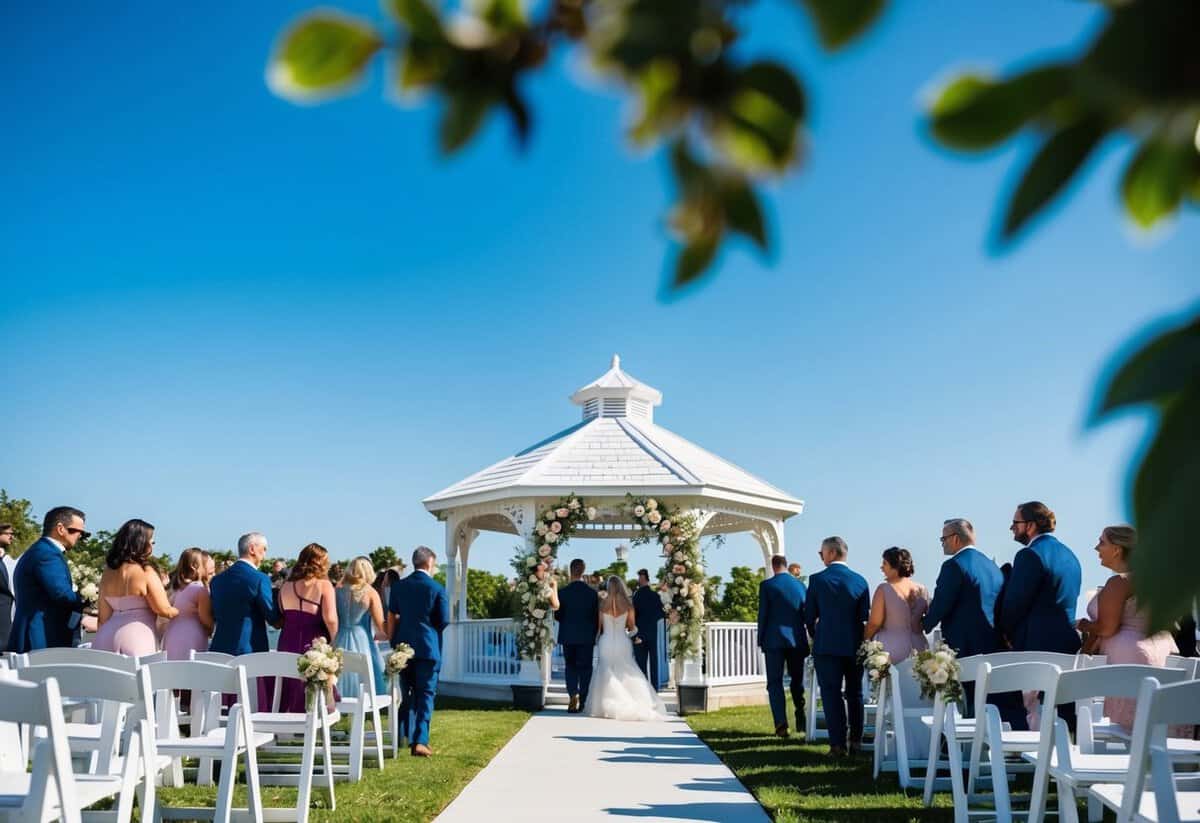
You might also want to consider factors like the season and the type of venue. For spring and summer weddings, starting later tends to be more comfortable, while early start times can work well in the winter months due to limited daylight. Thinking about your guests’ experience can help you determine the best fit for your big day.
Understanding these key details can lead to a smooth and enjoyable wedding. From the ceremony to the reception, keeping the timing in mind can create memorable moments you and your guests will cherish.
Determining Your Wedding Start Time
Choosing the right start time for your wedding is important. It affects the flow of the day and your guests’ experience. Factors like the season and your personal or cultural preferences play a big role in this decision.
Considering Season and Time of Day
The season can greatly influence your wedding ceremony start time. For summer weddings, you might prefer an afternoon wedding or an evening ceremony to take advantage of longer daylight hours. You can plan for a sunset ceremony during the golden hour, which is great for photos.
In contrast, a winter wedding may mean shorter days. You might want to start your ceremony earlier to utilize available daylight. Remember to check the local sunset times and consider daylight savings changes when setting the start time.
Understanding Cultural and Personal Factors
Your personal preferences and cultural traditions should come into play when choosing a wedding start time. Some cultures have specific times they follow for ceremonies. This can affect your guests’ availability and comfort.
Consider whether you prefer a morning wedding for a cozy, intimate vibe or an afternoon ceremony to allow for more socializing afterward. Discussing these choices with family and friends can also provide helpful insights.
Crafting Your Wedding Day Timeline
Creating a wedding day timeline helps ensure that your special day goes smoothly. It puts your schedule in order and makes it easier for everyone involved to know what to expect. Here’s how to allocate time effectively.
Allocating Time for Key Moments
Start by outlining the main events of your day. Consider when your ceremony begins as the anchor for your timeline.
Here’s a sample allocation:
- Ceremony Start: 3:00 PM
- Grand Entrance: 3:30 PM
- Cocktail Hour: 3:45 PM
- First Dance: 5:00 PM
- Cake Cutting: 5:30 PM
Make sure to leave enough time for each activity. For instance, allow 15-30 minutes for the cocktail hour. This gives guests a chance to mingle and enjoy drinks before dinner is served. Adjust these times based on the flow of your reception schedule.
Incorporating Pre-Ceremony Activities
Don’t forget to include pre-ceremony activities in your timeline. These moments are just as important for creating memories.
Plan for essential activities like hair and makeup. Schedule enough time, usually about 2-3 hours, for you and your bridal party.
It’s also important to account for travel time to the venue. If you’re having a first look, add about 30 minutes for this special moment before the ceremony. Include any other details you want like a toast or a moment of reflection just before walking down the aisle.
Guest Considerations and Comfort
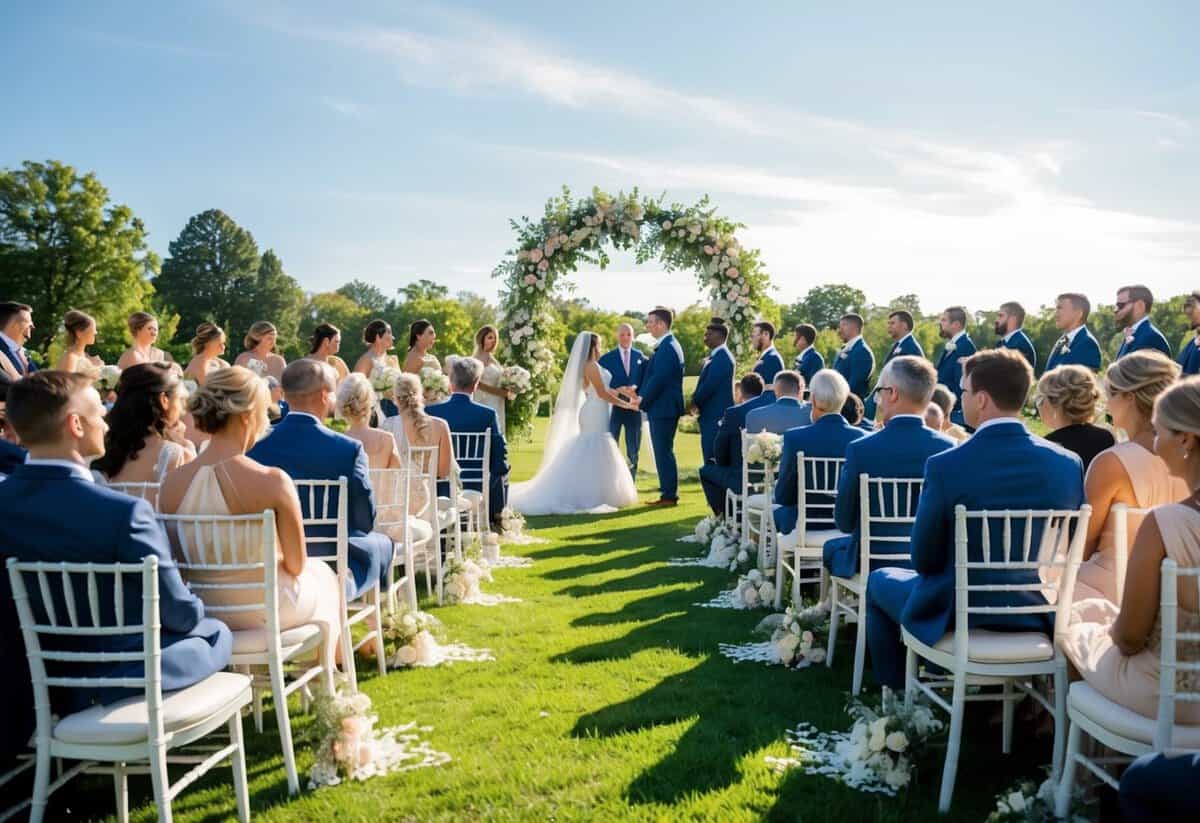
When planning your wedding, it’s important to consider how your choices affect your guests. Their comfort and ease of attendance can greatly impact their overall experience. Here are two key areas to focus on.
Ease of Attendance and Convenience
Choosing a wedding time that’s convenient creates a better experience for your guests. Early morning or late-night ceremonies might not work for everyone. If guests need to travel far, consider school schedules, work commitments, and even local traffic patterns.
Think about the season, too. If it’s summer, midday can be very hot, making it uncomfortable for your guests. A late afternoon or early evening ceremony can be more pleasant. Remember, you want everyone to enjoy the celebration, so keep their ease in mind.
Timing Invitations and Communication
Communicating the wedding time clearly is essential. Send out your invitations early, ideally six to eight weeks before the big day. This gives guests time to make arrangements, especially if many are traveling.
In your invitations, provide not just the time but also details about parking and accommodation options. Guest comfort can be enhanced by sharing information about nearby hotels and local attractions. This way, your guests won’t feel stressed about logistics, allowing them to focus on enjoying your special day.
Working with Wedding Professionals
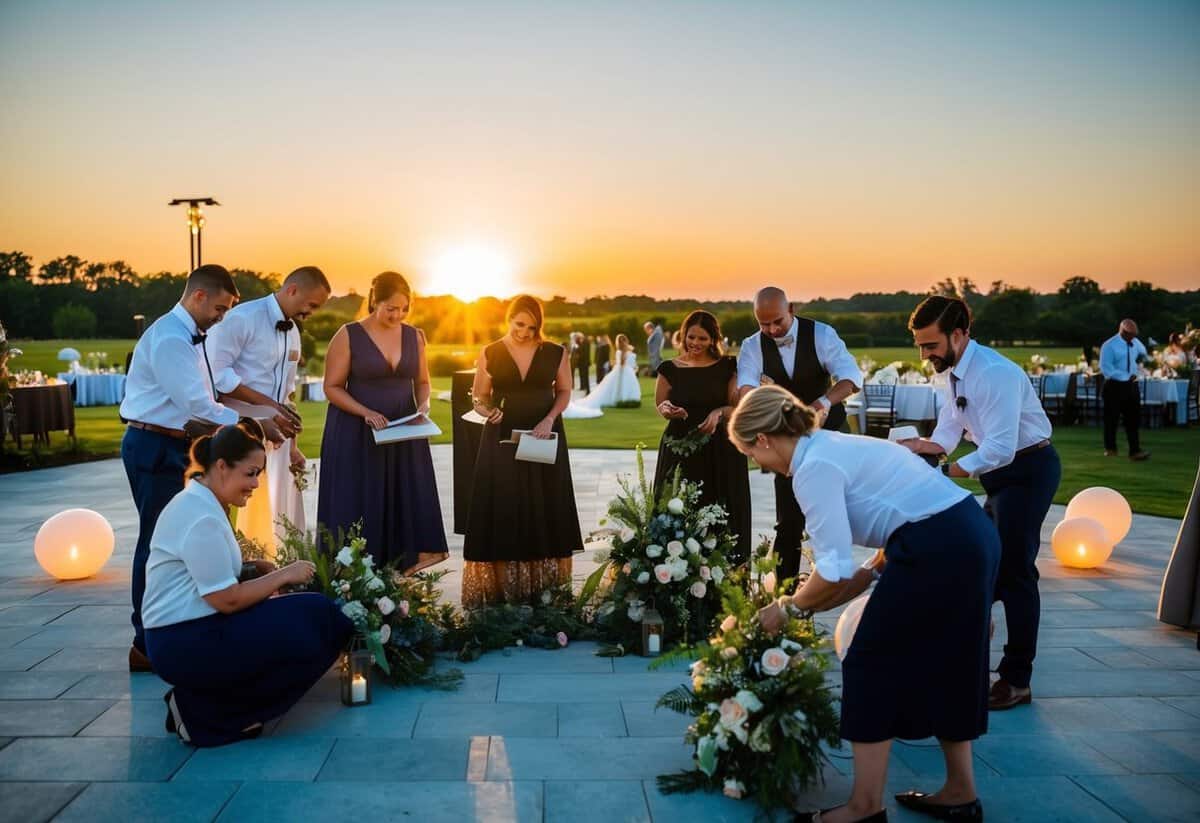
When planning your wedding, working closely with professionals can make the process smoother and more enjoyable. Their expertise ensures that key aspects, like timing and photography, are handled efficiently.
The Role of a Wedding Planner
A wedding planner is your best ally in organizing an event. They help coordinate details, manage timelines, and communicate with vendors. You can focus more on enjoying your day rather than stressing about logistics.
They provide valuable insight into start times that reflect your style. For instance, if you prefer an outdoor ceremony, they can suggest a time that aligns with sunset for beautiful lighting. Consider sharing your vision with them. This way, they can tailor the schedule to fit both your needs and the venue’s requirements.
Optimizing Daylight for Photography
Natural light plays a crucial role in capturing your wedding photos. You can work with your photographer and planner to choose the perfect start time. For outdoor ceremonies, aim for late afternoon when the light is soft and flattering.
As the sunset approaches, you can transition your focus to the reception. To make the most of your photos, ensure you allocate time for couple shots between the ceremony and reception. Discuss locations that suit your style and offer great backdrops. This collaboration will ensure that your wedding memories are captured beautifully.