
What Is a Normal Wedding Budget? A Friendly Guide to Planning Your Special Day
Planning a wedding can be exciting but also stressful, especially when it comes to budgeting. The average wedding budget in the United States is about $33,000, but this can vary greatly based on location, guest count, and personal choices. Understanding what a normal wedding budget looks like can help you make informed decisions and avoid overspending.
As you start your wedding planning journey, it’s important to know where to allocate your funds. Major expenses typically include the venue, catering, and entertainment, but costs can quickly add up in other areas like photography or floral arrangements. Each couple’s situation is unique, and knowing the average wedding cost can help you find a balance between your dream wedding and your budget.
Keeping track of your spending is key to a successful wedding budget. With so many factors to consider, being prepared and informed will help you create a memorable celebration without breaking the bank. By understanding what is typical for wedding budgets, you can focus on enjoying the planning process and your big day ahead.
Setting Up Your Wedding Budget

Establishing a wedding budget is essential for your planning process. Knowing the costs, choosing the right tools, and creating a checklist can help you stay on track and manage your expenses efficiently.
Understanding Costs and Average Expenses
Start by researching the average cost of a wedding in your area. This figure can vary widely depending on location, season, and personal choices. Typically, expenses can include venue, catering, photography, and entertainment.
Break down your budget into categories. A common wedding budget breakdown might look like this:
- Venue and Catering: 35%
- Photography and Videography: 10%
- Wedding Planning: 12%
- Attire and Accessories: 8%
- Flowers and Decor: 10%
This list helps you see where most of your money will go. Adjust these percentages based on your priorities and what feels realistic for you. It’s smart to have some wiggle room for unexpected costs too.
Choosing a Wedding Budget Tool
Finding the right wedding budget tool can make managing your finances much easier. Look for options like apps or online spreadsheets designed for wedding planning. These tools can help you track your spending and stay organized.
A wedding budget spreadsheet is a popular choice. You can customize it to fit your needs, input different expenses, and see how much you have left to spend. Make sure to update it regularly as you book vendors and make payments.
A tool will not only simplify your planning but also reduce stress as your wedding day approaches.
Creating a Wedding Budget Checklist
A wedding budget checklist is a great way to ensure that you don’t miss any important expenses. List all expected costs, and assign estimated amounts based on your findings.
Here are some key items to include in your checklist:
- Venue
- Catering
- Attire
- Flowers
- Photography
- Music and entertainment
Categorizing these costs helps you keep track and assess whether you’re adhering to your realistic wedding budget.
By methodically adding to your checklist, you’ll feel more in control and prepared for your big day.
Key Wedding Budget Components
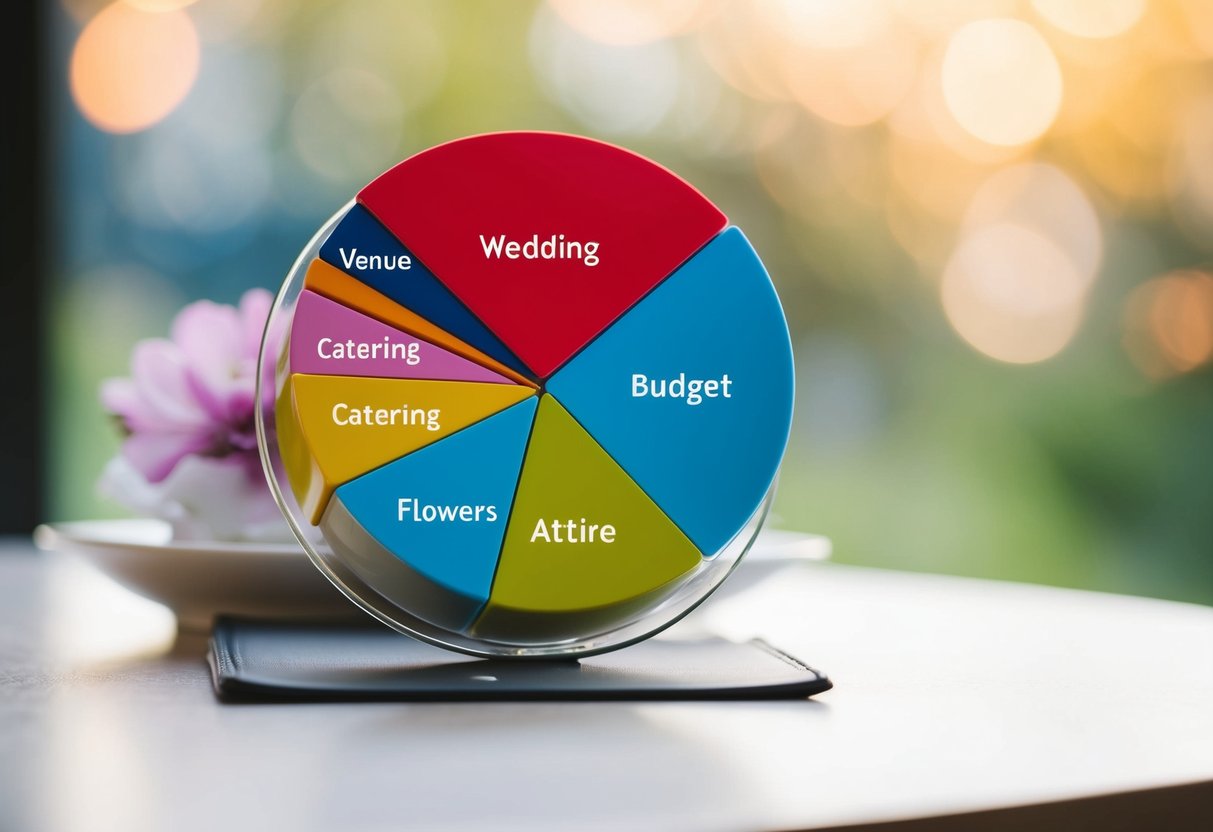
When planning your wedding, there are several essential components to include in your budget. Understanding these key areas can help you allocate your funds wisely and ensure your special day goes smoothly.
Venue and Catering
The venue is often the largest expense in your wedding budget. It sets the scene for your event. Costs can vary widely based on location, capacity, and amenities. Expect to spend 40-50% of your total budget here.
Catering follows closely behind in importance. Food and drinks can take up another 25-30% of your budget. Decide if you want a sit-down dinner or a buffet, as this will affect costs. Don’t forget to include cake and beverages in your calculations. Choosing seasonal ingredients can help manage costs too.
Attire and Rings
Your wedding attire is vital for your big day. The average couple spends about 7-10% of their budget on attire. Be sure to factor in the wedding dress, tuxedo or suit rentals, and accessories. Consider shopping during sales or opting for a rental service to save money.
Don’t overlook wedding rings, which you may budget around 2-4% of your total. Rings can range significantly in price based on materials and design. Set a price limit to help narrow your choices.
Photography and Videography
Capturing memories from your special day is essential. Allocate around 10-15% of your budget for photography and videography. Prices can vary based on the experience of the photographer or videographer.
When selecting your professionals, look at their portfolios. Make sure their style matches what you envision. Meeting them in person can help you feel more comfortable on your wedding day. Consider a package that includes both photography and videography for better deals.
Decor, Entertainment, and Transportation
Decoration sets the mood for your wedding. This includes centerpieces, lighting, and any rental items. Budget around 10-15% for decor. Creative options like DIY or renting items can help save money while still achieving the look you want.
Entertainment is another important aspect. Whether you choose a DJ or a live band, expect to spend about 8-10% of your budget on it. They can make or break the atmosphere of your reception, so invest in quality.
Lastly, transportation is key for you and your guests. This could include a bridal party car, shuttles, or other arrangements. Set aside about 2-5% of your budget for this. Plan ahead to ensure everyone arrives and departs safely.
Managing the Guest Experience

Creating a memorable experience for your guests is essential for a successful wedding. You’ll want to ensure that everyone feels welcome and appreciated throughout the event, from the moment they receive their invitation to the final moments of the ceremony.
Determining Your Guest List
When putting together your guest list, start with a rough number. Think about the size of your venue and how many people can comfortably fit. Early decisions impact your budget significantly.
Consider including close family and friends first, as they usually make the day special.
Once you have your core list, you can add coworkers, acquaintances, or distant relatives as space allows.
Remember to think about their travel needs. Some guests may require budget-friendly hotel options, while others might prefer more luxurious stays. Providing a range of choices helps everyone feel comfortable enjoying your special day.
Planning for Wedding Favors and Extras
Wedding favors are a wonderful way to thank your guests for attending. Small tokens can leave a lasting impression.
Think about personalized items that reflect your wedding theme. Items like custom cookies, mini candles, or small photo frames are popular.
You may also want to provide extra touches like a wedding cake that your guests will remember. Pick flavors that appeal to many, ensuring everyone can enjoy a slice.
Consider whether you’ll provide programs for your ceremony, especially if it includes special rituals. These can help keep your guests informed and engaged.
Ultimately, planning these details thoughtfully can enhance the overall guest experience.
Navigating Additional Wedding Events
Planning extra events like the bridal shower and rehearsal dinner can add to your wedding experience. These gatherings are important moments that allow you to connect with friends and family. Understanding costs involved is crucial to keep your budget in check.
Planning for the Bridal Shower
A bridal shower is a fun way to celebrate the bride-to-be with loved ones. The budget for this event can vary greatly based on location, guest count, and activities.
Establish a budget: Aim for around $300 to $1,500 depending on the scale. Consider the costs of food, decorations, and venue.
Choose a theme: Popular themes can include tea parties, garden events, or spa days. Each theme affects costs, so choose one that balances fun and budget.
Guest list: Think about how many people to invite. A smaller group may lower expenses while still making the day special.
Budgeting for the Rehearsal Dinner
The rehearsal dinner is a key part of wedding planning. It allows you to gather with close friends and family before the big day.
Set a budget: Plan to spend between $500 and $2,000. This cost largely depends on the venue choice. A home or casual setting can save money.
Food and drink: Decide on a meal type—sit-down service might be pricier than a buffet. Don’t forget to account for drinks and tips.
Keep it simple: You don’t need to overdo it; focus on the experience. The evening should be about relaxation and connection, not extravagance.