
What Is a Poly Wedding? A Guide to Understanding Polyamorous Ceremonies
When you think about weddings, you might picture a traditional ceremony with two people at the center. However, a poly wedding is a celebration of love and commitment among multiple partners. These ceremonies honor the unique bond shared between partners in polyamorous relationships, allowing everyone to express their love in a meaningful way.
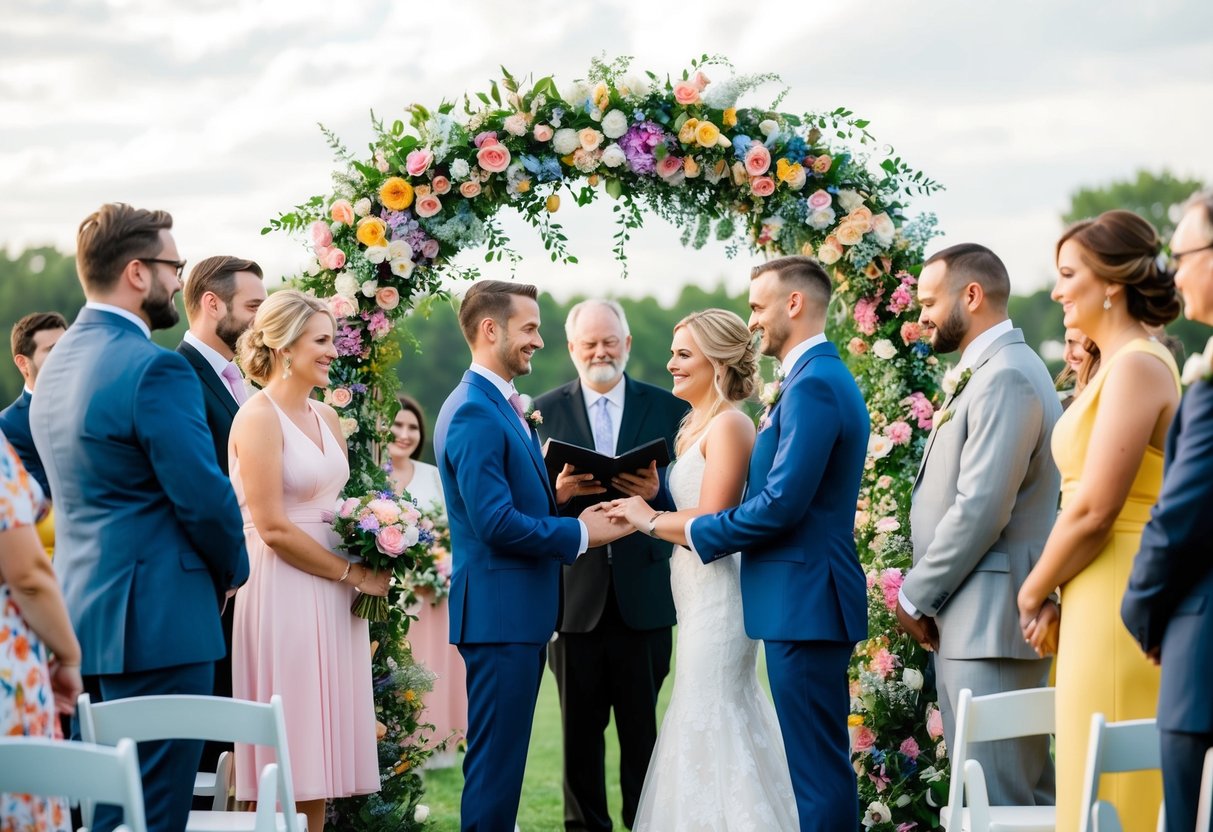
Planning a poly wedding can be exciting and creative. It gives you the chance to design a ceremony that reflects the dynamic of your relationships. From inclusive vows to personalized rituals, each polyamorous wedding can be tailored to celebrate the love you and your partners share.
Navigating the logistics of a poly wedding may require careful planning and open communication. This approach ensures that everyone’s feelings and expectations are respected. By embracing honesty and collaboration, you can create a memorable event that truly reflects your commitment to one another.
Understanding Polyamory and Poly Weddings
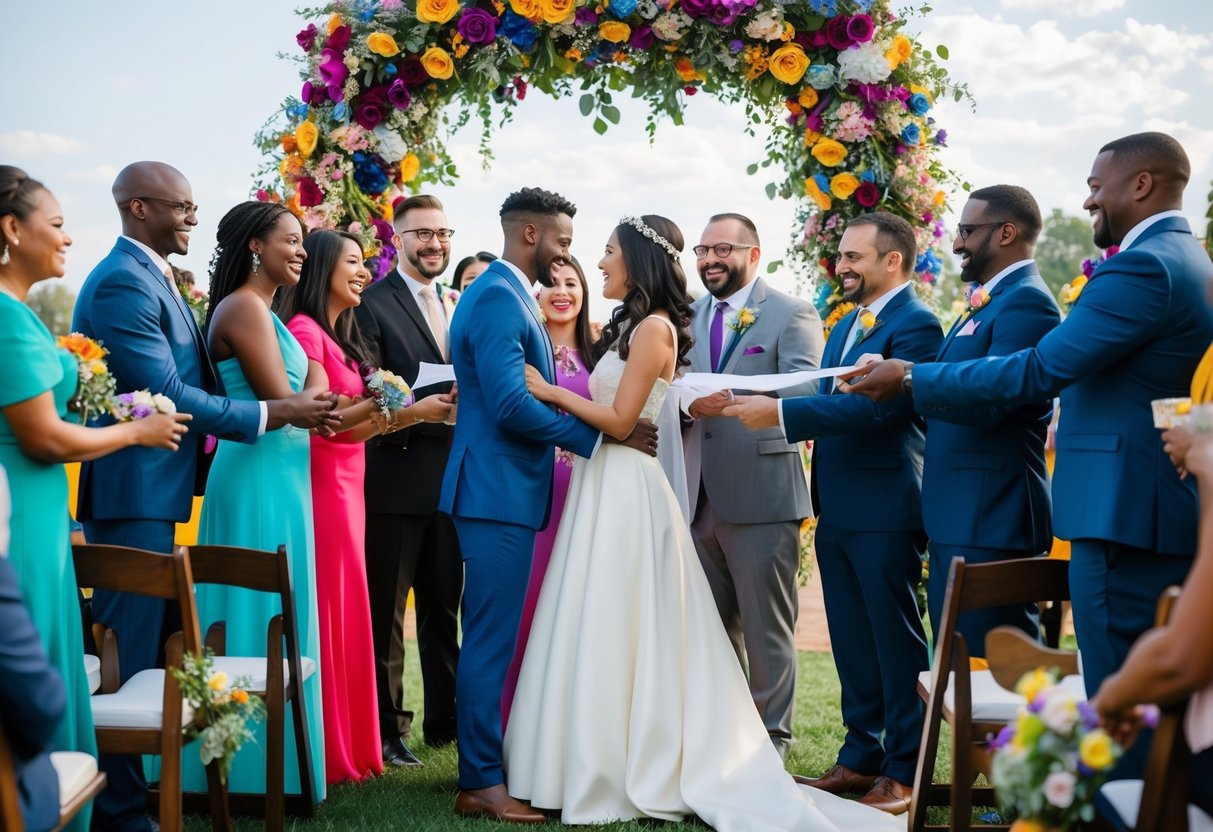
Polyamory and poly weddings revolve around the idea of forming loving relationships with more than one partner. Understanding these concepts helps you appreciate their unique qualities and the values they promote, such as open communication and trust.
The Basics of Polyamory
Polyamory is a type of ethical non-monogamy. It allows individuals to have romantic relationships with multiple partners at the same time with everyone’s consent. In a polyamorous arrangement, communication is key. Partners openly discuss their feelings, agreements, and boundaries.
This practice emphasizes the importance of honesty. Each relationship can take many forms, whether it’s a committed partnership or a more casual setup. This flexibility allows people to define their connections in ways that work best for them.
What Is a Poly Wedding?
A poly wedding is a ceremony that celebrates the love and commitment between multiple partners. Unlike traditional weddings, a poly wedding can involve more than two people. It focuses on the shared values and bonds formed among all partners involved.
These ceremonies can be customized to fit the needs of the individuals. You might choose to have a grand event or a small, intimate gathering. The main goal is for everyone to feel included and valued on this special day.
Differences Between Polyamory and Polygamy
While polyamory and polygamy both involve multiple partners, there are distinct differences. Polygamy specifically refers to a marriage system where a person has multiple spouses, typically one man with multiple wives. It is often rooted in specific cultural or religious beliefs.
On the other hand, polyamory focuses more on open relationships and emotional connections. In polyamory, the structure can vary widely, and it is not limited to romantic partnerships. By understanding these differences, you can appreciate the diversity of relationship options available today.
Planning a Polyamorous Wedding
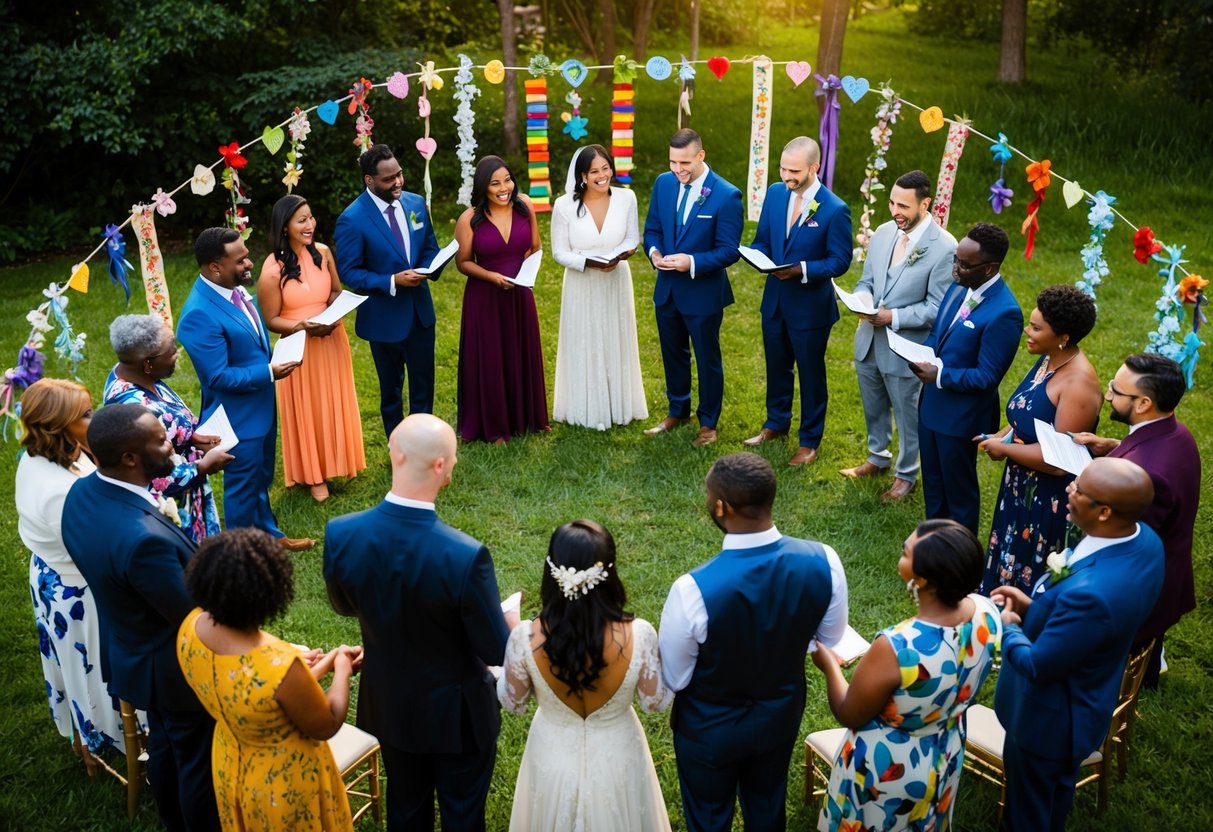
Planning a polyamorous wedding can be an exciting journey filled with unique opportunities to celebrate your love and commitment. You will need to focus on key aspects like the planning process, the type of ceremony, and any legal considerations that may arise. Here are some important points to consider.
Starting the Planning Process
Begin by gathering all partners involved in the wedding. Open communication is essential. Discuss your vision for the ceremony and what it means for each of you. Ensure everybody has a say in the planning.
You might want to create a checklist. This can help you keep track of important tasks such as selecting a venue, choosing attire, and deciding on a ceremony script. Consider setting a timeline to manage the logistics effectively.
Also, think about your budget. Weddings can be costly, so clarify who will contribute financially to what aspects of the event. This will help avoid misunderstandings later.
Choosing the Right Ceremony for Your Relationship Structure
Every polyamorous relationship is unique, so tailor the ceremony to reflect your specific dynamics. Decide if you want a commitment ceremony or a legal marriage for some or all partners.
A popular option is handfasting, which involves tying the hands of the partners together to symbolize unity. You can also incorporate unity ceremonies, such as candle lighting or sand blending, to highlight the bond among all partners.
Make sure you consider the roles of each individual in the ceremony. Be clear about how you want to structure the event, whether it’s formal or casual. This aligns with your relationship structure and can make the day more special.
Incorporating Vows and Unity Rituals
Crafting personalized vows is a great way to express your feelings. Each partner can write their own promises, making the ceremony intimate. Consider including unity rituals that reflect your shared values.
For example, you might choose a joint vow exchange or perform a ritual that signifies your bond, such as planting a tree together. Discuss what unifying actions resonate with you and your partners.
Be mindful of how these vows and rituals will flow within your ceremony script. A cohesive script will enhance the emotional experience, making each moment feel meaningful and connected.
Legal Considerations and Challenges
When planning, consider the legal aspects of marriage. Check local laws to understand how they apply to polyamorous relationships. Some areas may not recognize multiple marriages, while others provide options for domestic partnerships.
If legal recognition is important to you, you may need to navigate contracts or agreements. Discuss this openly with your partners. You can also consult with a lawyer experienced in family law for guidance.
Finally, address any cultural or familial concerns. Understanding and addressing these can help create an inclusive atmosphere for everyone involved, making the day special for all.
The Significance of Symbols and Traditions
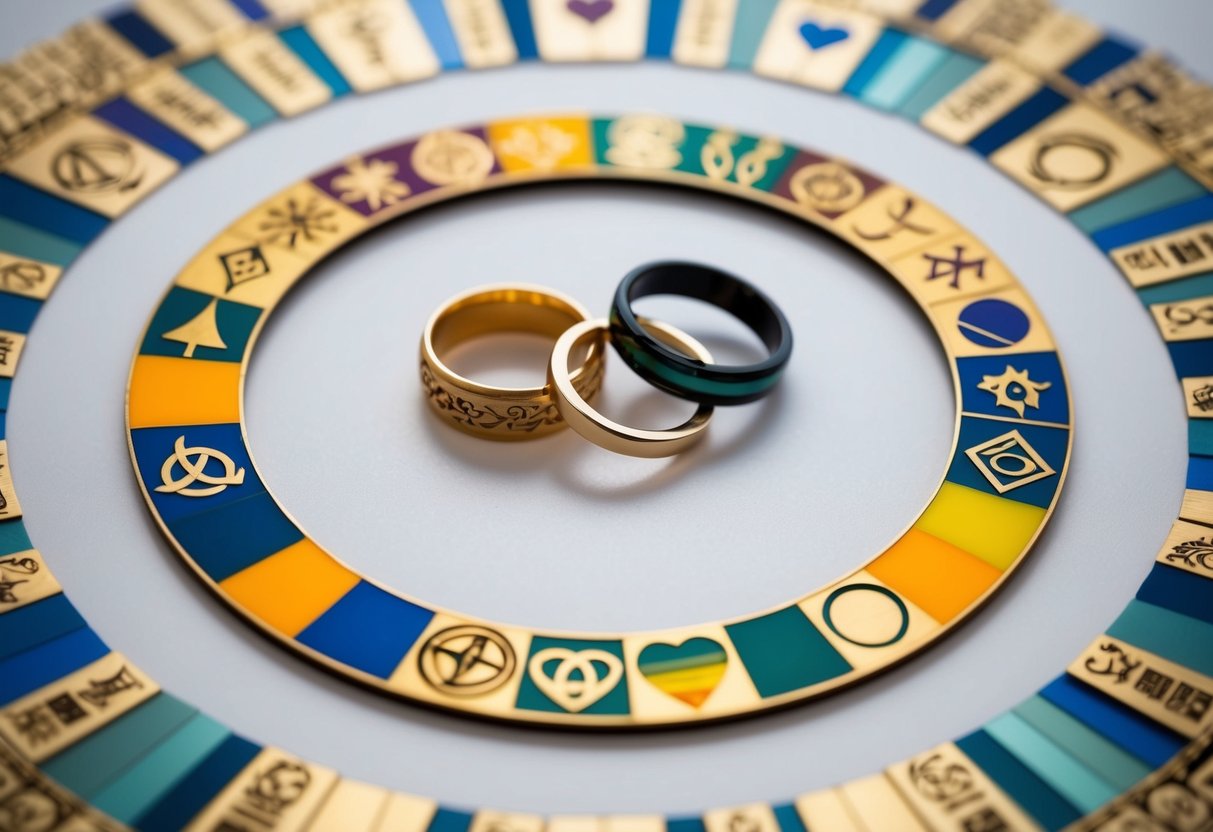
Symbols and traditions play a vital role in poly weddings. They represent the unique bonds between partners and the commitment each person shares. These customs can enhance the emotional depth of your ceremony.
Exchanging Rings and Other Symbols of Unity
In a poly wedding, exchanging rings is a significant act. It symbolizes your commitment, love, and fidelity to one another. Each ring can have a special meaning, reflecting your journey together.
You might also choose to include other symbols, such as a unity candle. Lighting a candle together can signify the merging of lives and the shared future you are building. Some couples opt for personalized vows, highlighting their unique relationships and promises to support each other.
Handfasting and Other Unique Traditions
Handfasting is a beautiful ritual in polyamorous ceremonies. In this custom, the couple’s hands are tied together with a ribbon or cord, symbolizing their union. It represents strength in togetherness and the commitment you share.
Blending ceremonies are also popular. These involve all partners participating in the celebration. This way, each relationship is recognized and honored. You can create a blend of various traditions that resonate with you and your partners, making the ceremony truly yours.
Communication and Dynamics in Poly Relationships
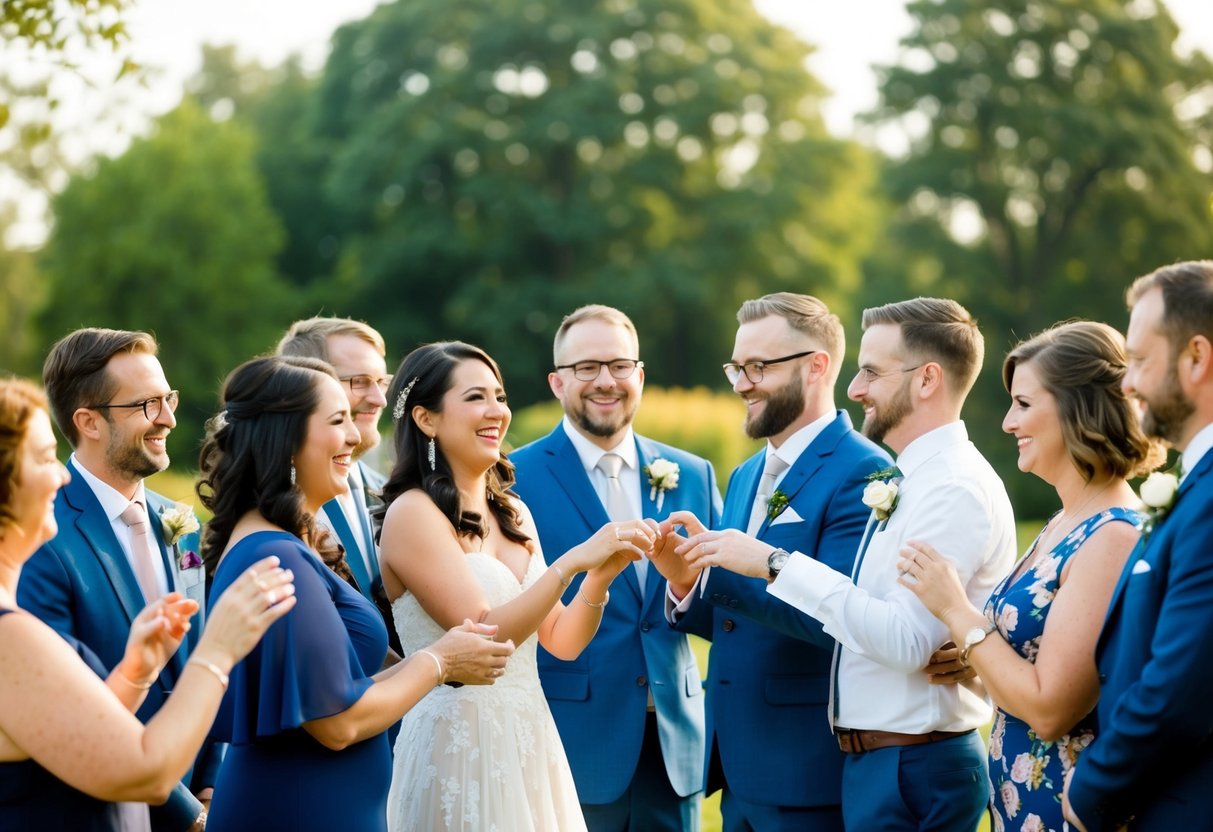
In polyamorous relationships, communication and trust are key to maintaining healthy dynamics. Understanding how to navigate your connections can enhance your experience with multiple partners, whether you’re part of a throuple, quad, or a larger polycule.
Maintaining Open Communication
Open communication is essential in any relationship, but it becomes even more critical in polyamory. With multiple partners, it’s important to express your feelings, needs, and boundaries clearly.
Make sure to have regular check-ins with each partner. This helps prevent misunderstandings and ensures everyone feels heard. Use tools like text messages or shared calendars to coordinate schedules and discuss feelings.
Being honest about your emotions, including feelings of jealousy or insecurity, fosters trust among partners. Remember, open dialogue creates a supportive environment where everyone can thrive.
Managing Relationship Dynamics and Jealousy
Jealousy can arise in poly relationships, but there are ways to manage it effectively.
First, acknowledge your feelings without judgment. Understanding the root of your jealousy can lead to better communication with your partners.
Discuss your feelings openly. Share what may be triggering your jealousy and work together to find solutions.
Sometimes, simply talking about your emotions can lessen their impact.
Encouraging your partners to support each other also helps. In a triad or quad, checking in with one another can reinforce trust.
Remember, ensuring that all partners feel valued and loved is a shared responsibility.