
What Is a Powerful Opening for a Speech? Tips to Capture Your Audience Right Away!
When preparing for a speech, the opening line is crucial. A powerful opening grabs attention and sets the tone for your entire presentation. It’s your chance to make a strong first impression on your audience, so you want to start with something memorable and engaging.

Think about how you can connect with your listeners right away. You might begin with a striking statistic, an intriguing question, or a relatable story. These strategies can make your audience feel involved and curious about what comes next. The goal is to create a moment that draws them in and keeps them wanting to hear more.
Remember, the way you start your speech can influence how your message is received. A well-crafted opening doesn’t just inform; it inspires. By focusing on your audience from the very beginning, you can ensure your speech remains impactful throughout.
Crafting a Strong Opening Line

Creating a strong opening line is essential for grabbing your audience’s attention right away. It sets the tone for your entire speech. You can achieve this through various techniques. Here are three effective strategies to consider.
Using Rhetorical Questions
Starting with a rhetorical question can engage your audience and prompt them to think. For example, asking, “Have you ever felt overwhelmed by a challenge?” encourages listeners to reflect on their experiences.
This method builds curiosity and invites them into your topic. Make sure the question is relevant to your main message. It will help you create a connection right from the start.
Craft your question to be thought-provoking yet simple. The goal is not to get an answer but to encourage deeper thinking about what you’ll say next.
Incorporating Humor
Humor is a powerful tool for opening lines. A funny comment or joke can lighten the mood and make your audience more receptive. For example, saying, “I was told to speak slowly because some of you might be asleep,” can draw laughter and attention.
Just be careful with humor. Ensure it’s appropriate for your audience and the setting. A well-placed joke relaxes everyone, including you, and makes your speech more enjoyable.
Use humor to create a positive atmosphere. It can help you connect with the audience on a personal level, making them more likely to engage with your message.
Sharing a Personal Anecdote
A personal anecdote can make your speech relatable and engaging. Sharing a short story from your life can draw in listeners quickly. For instance, if you’re discussing perseverance, share a moment when you faced a challenge.
Personal stories foster connection and can evoke emotions. They allow your audience to see you as a real person rather than just a speaker.
Keep your anecdote concise and relevant. It should link directly to the main point of your speech. This strategy enhances relatability and helps illustrate your message effectively.
Essentials of Speech Structure
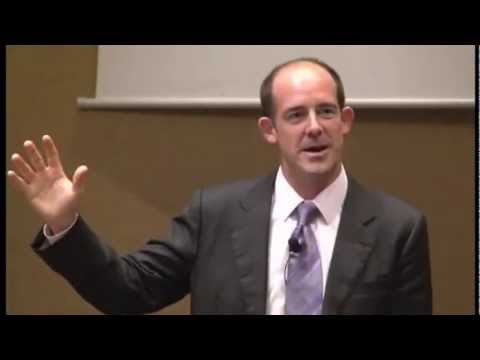
Creating a well-organized speech is crucial for delivering a strong message and keeping your audience engaged. The way you structure your speech plays a significant role in how effectively your ideas resonate.
Building a Powerful Message
To craft a powerful message, start with a clear main idea. This central theme will guide your speech. Think of your message as the backbone of your presentation.
Use strong, specific language. Avoid vague terms. Instead of saying “many people,” say “75% of people.” This makes your point more convincing.
Structure your speech into three parts:
- Opening – Capture attention right away.
- Body – Provide support with facts, examples, and anecdotes.
- Closing – Reinforce your message and leave a memorable impression.
By organizing your thoughts this way, you improve clarity and make your message hit home.
Ensuring Audience Engagement
Engaging your audience is essential for a successful speech. Start by making eye contact. This creates a connection and makes listeners feel involved.
Incorporate questions to spark thought. For instance, ask, “How many of you have faced this issue?” This invites participation and makes your audience connect with your topic.
Use stories or anecdotes. People are naturally drawn to stories. A relevant personal experience can illustrate your message, making it relatable.
Lastly, consider your delivery. Vary your tone and pace. This helps maintain interest and emphasizes key points.
These strategies will help you create an impactful speech that resonates with your audience.
Techniques for a Memorable Start

Starting your speech memorably involves using techniques that grab attention. Storytelling and bold statements are effective ways to engage your audience right from the beginning.
Telling an Engaging Story
Storytelling is a powerful tool that can draw your audience in. When you start with a personal story or an anecdote, you create an emotional connection. This connection makes your message relatable and impactful.
Begin your story with a vivid description to paint a picture in your audience’s mind. Use phrases that evoke feelings or appeal to the senses. Share a challenge you faced or an exciting experience. This encourages listeners to invest in what you have to say.
Stories not only capture attention but also help illustrate your main points. They make complex ideas easier to understand. As you tell your story, ensure it ties back to the central message of your speech.
Making a Bold Statement
A bold statement, or provocative statement, instantly captures attention. Starting with a surprising fact or a strong opinion can set the tone for your speech.
You might say something like, “Every minute, someone suffers from a preventable illness.” This approach challenges the audience and compels them to think. It makes them eager to hear more about your perspective.
Be careful to support your bold claim with clear evidence later in your speech. You want to provoke thought and discussion without alienating your audience. Bold statements can create a sense of urgency and encourage engagement throughout your presentation.
Learning from the Masters

Studying great speakers can inspire you to create your own powerful speech openings. By analyzing their techniques, you can learn how to surprise your audience and make a lasting impact.
Analyzing TED Talks Examples
TED Talks are known for their engaging openings. Many speakers start with a surprising fact or a thought-provoking question. This grabs attention right away.
For instance, a speaker might share a shocking statistic related to their topic. This instantly piques curiosity and sets a tone of urgency.
Another effective technique is using a personal story. Personal stories create emotion and connect with listeners. When speakers reveal their challenges, such as resilience in tough times, it makes their message relatable. You too can apply these strategies to captivate your audience.
Toastmasters’ Strategies for Openings
Toastmasters provides valuable insights on crafting effective openings. They emphasize the importance of connecting with your audience quickly.
One tactic is to use humor or a light-hearted anecdote to break the ice. Another strategy is to start with a strong statement. This creates intrigue and invites further attention.
You can also ask your audience a question to engage them from the beginning.
These strategies help create a welcoming atmosphere, making it easier for your audience to focus on your message. Incorporating these lessons into your speech can enhance your openings significantly.