
What Is a Professional Officiant? Understanding Their Role in Ceremonies
A professional officiant plays a vital role in your wedding ceremony by guiding you through the process and ensuring everything runs smoothly. They are trained to officiate a wedding, bringing experience and a personal touch to make your ceremony unique. With their help, you can craft vows, choose the right words, and create a memorable experience for you and your guests.
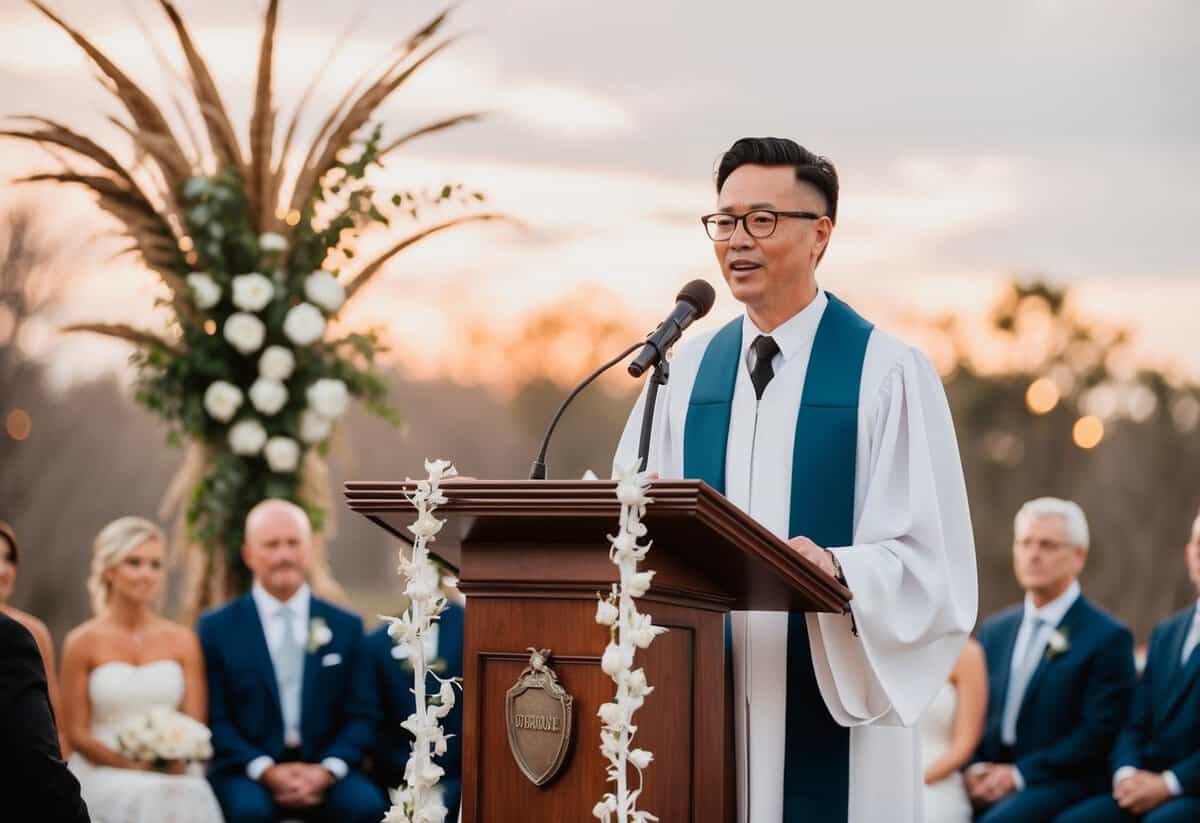
Choosing a professional officiant means you have a dedicated person who understands the importance of your special day. They are skilled at balancing legal requirements with the emotional aspects of the ceremony. With their expertise, you can relax and focus on celebrating your love, knowing you have someone ready to support you every step of the way.
Whether you’re planning a large celebration or an intimate elopement, a professional officiant can cater to your needs. Their ability to personalize the ceremony ensures that it reflects your values and relationship, making it all the more meaningful. With the right officiant, your wedding can truly capture the essence of your love story.
Understanding the Role of a Professional Officiant
A professional officiant plays a key role in ensuring that your wedding ceremony is meaningful and legally binding. This section covers the different types of officiants, their essential duties, and the importance of professionalism.
Types of Wedding Officiants
There are several types of wedding officiants you can choose from. A professional wedding officiant is trained to guide couples through the entire ceremony. Many are licensed and have experience in public speaking.
Another option is a civil officiant, often a judge or justice of the peace. They perform weddings that meet legal requirements, usually without religious elements.
Religious officiants are typically clergy members who incorporate spiritual practices into the ceremony. Understanding the type of officiant you need can help shape your special day.
Officiant Duties and Responsibilities
The duties of a professional officiant include several important tasks. First, they typically meet with you to understand your preferences and tailor the ceremony to match your vision.
Next, they create a ceremony script, including personalized vows. It’s important that the officiant ensures all legal documents are properly completed and submitted after the ceremony.
During the ceremony, your officiant leads the proceedings, helps keep everyone calm, and ensures that the event flows smoothly. This is crucial for making your day enjoyable.
The Importance of Professionalism in Officiating
Professionalism is essential when it comes to officiating weddings. A professional officiant brings experience, reliability, and a solid understanding of both legal and ceremonial aspects.
Their demeanor sets the tone for your ceremony. A calm and confident officiant helps create a warm atmosphere for you and your guests.
Additionally, professionalism ensures that all necessary details are handled correctly. This allows you to focus on enjoying your special day without worrying about logistics or legalities. Choosing a professional can make a significant difference in how smoothly everything goes.
Legal and Ceremonial Aspects of Officiating a Wedding
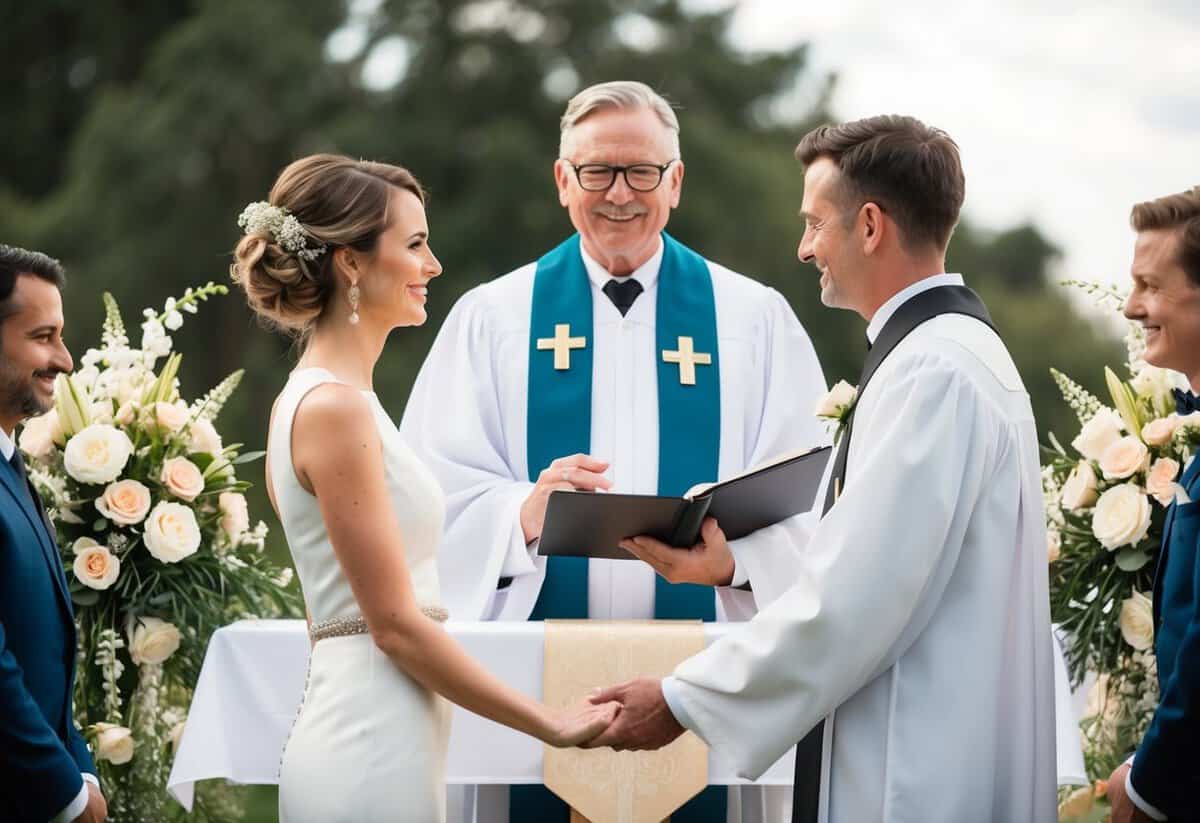
When you officiate a wedding, it’s essential to understand both the legal and ceremonial requirements involved. These aspects ensure that the ceremony is meaningful and meets the legal criteria for marriage.
Marriage License and Legal Marriage Requirements
Before the wedding, couples must obtain a marriage license. This document is crucial as it legally permits the couple to marry. The requirements for obtaining a marriage license can vary by state or country.
Typically, couples need to provide identification and sometimes proof of residency. Some places may also require a waiting period. Make sure you check local laws to help guide the couple through this process.
During the ceremony, you must also ensure that the couple meets their legal obligations according to your area’s laws. This includes signing the marriage license after the ceremony.
Creating a Personalized Wedding Ceremony
A personalized wedding ceremony reflects the couple’s unique relationship and values. Work with them to include special elements, such as readings, songs, or rituals that represent their journey together.
You may want to discuss themes, tones, and any cultural or religious traditions that are important to them. Incorporating personal stories or anecdotes can also make the ceremony feel more intimate.
Don’t forget to consult with the couple about any specific vows they wish to exchange. This aspect allows them to express their love and commitment in their own words.
Declaration of Intent and Vows
The declaration of intent is a vital part of the ceremony. During this moment, the couple expresses their desire to marry and agrees to support each other through life.
This is typically followed by the exchange of wedding vows. Couples can choose traditional vows or craft their own, adding a personal touch. It’s important to ensure that the vows capture the essence of their relationship.
As the officiant, guide the couple through this process, helping them stay focused and connected during these meaningful exchanges. Encourage them to speak clearly and genuinely, making this moment truly special.
Working with Wedding Planners and Vendors
Building strong connections with wedding planners and vendors is essential for a professional officiant. It enhances collaboration and opens doors for referrals. Effective partnerships can make the ceremony run smoothly and create a memorable experience for couples.
Collaboration and Partnerships
Working closely with wedding planners is key to a successful ceremony. Planners know the timeline and expectations for the day. By communicating clearly, you ensure everyone is on the same page.
Establish a clear role for yourself during the rehearsal and ceremony. Discuss who will lead the rehearsal and how you will coordinate with other vendors. This clarity helps to prevent confusion and makes the day more enjoyable. You can develop strong partnerships by attending industry events and networking opportunities.
Referrals and Building Relationships
As a professional officiant, you need referrals to grow. Wedding planners are more likely to recommend you if you build a relationship with them.
Start by introducing yourself to planners. Then, discuss how you can work together.
Maintaining connections with other vendors is also beneficial. For example, photographers and florists can refer couples to you. Always express gratitude when you receive a referral. A simple thank-you can go a long way in nurturing these relationships.