
What is a Realistic Amount to Spend on a Wedding? A Guide to Budgeting for Your Big Day
Planning a wedding can be both exciting and overwhelming, especially when it comes to budgeting. You can spend anywhere from $15,000 to $50,000 or more, depending on your choices and financial situation. Understanding average wedding costs can help you set a budget that feels right for you.
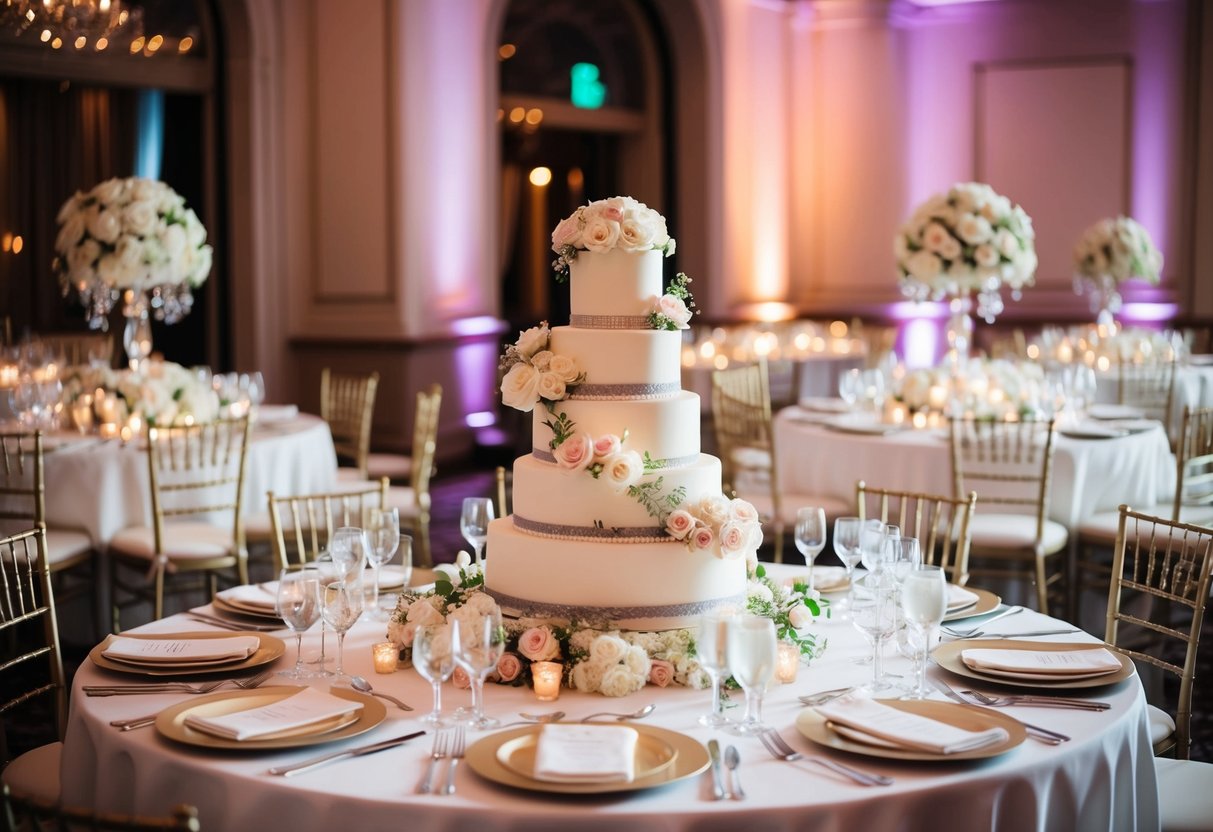
Every couple’s needs and dreams are different, so it’s important to consider what elements matter most to you. Whether it’s the venue, catering, or decor, your priorities will greatly influence your overall spending. By discussing your budget openly with your partner and any financial contributors, you can create a plan that feels achievable.
As you start planning, remember that it’s possible to celebrate your love without going into debt. Keep in mind that sticking to a realistic budget can help you enjoy your special day without the stress of overspending.
Determining Your Wedding Budget
When planning your wedding, knowing how much you can spend is key. Understanding your finances, typical costs, and setting achievable goals will help you create a budget that works for you.
Assessing Financial Contributions
Start by identifying all potential sources of funds. This may include your savings, contributions from family, or even loans. Listing these sources gives you a clear picture of what you have to work with.
You can create a simple table to track these contributions:
| Source | Amount |
|---|---|
| Your Savings | $_________ |
| Family Contributions | $_________ |
| Loans | $_________ |
Make sure to consider your current financial situation and future expenses, as this will influence how much you can realistically allocate to your wedding budget. Being honest about your finances is crucial.
Understanding Average Wedding Costs
In the U.S., the average wedding cost is often around $30,000. Keep in mind that prices can vary based on factors like location and guest count.
Here’s a basic breakdown of common expenses:
- Venue: 30%
- Catering: 25%
- Photography: 10%
- Attire: 10%
- Entertainment: 10%
- Flowers and Decor: 5%
- Miscellaneous: 5%
Using a wedding budget checklist can help you allocate funds appropriately for these categories. Adjust the percentages based on your priorities to create a realistic wedding budget that matches your vision.
Setting Realistic Expectations
It’s easy to get caught up in dream scenarios, but setting realistic expectations is vital. Start by discussing what aspects of the wedding matter most to both of you.
This includes deciding if you prefer a small wedding with close friends or a larger celebration. Knowing this can directly affect your budget.
You should also consider alternate options to traditional expenses. For example, DIY decor can save money while adding a personal touch. Prioritize elements that bring you joy while keeping an eye on overall costs.
Breaking Down Wedding Costs
Planning your wedding involves many expenses that can add up quickly. Understanding where your money will go can help you create a realistic budget. Here’s a look at key areas to consider when breaking down wedding costs.
Venue and Catering
Your choice of venue greatly impacts your budget. Popular venues can charge anywhere from $2,000 to $15,000 or more, depending on their location and services. Don’t forget to include catering costs, which can range from $20 to $150 per person.
Consider the type of meal you want, whether it’s a buffet, plated service, or even food stations. Also, factor in the costs of the wedding cake, typically around $3 to $8 per slice. This means for a 100-person guest list, your cake could cost between $300 and $800.
Attire and Beauty
Wedding attire is another significant expense. A wedding dress can cost anywhere from $500 to $5,000, depending on the designer and style. The groom’s suit or tuxedo can be another $200 to $800.
Don’t overlook hair and makeup, which can run about $100 to $300 per person. If you have several bridesmaids or mothers of the bride and groom, these costs can add up quickly. Planning an outfit for your engagement party and rehearsal dinner is also important.
Photography and Videography
Capturing memories from your special day is crucial, so investing in good photography and videography is wise. Professional photographers can charge between $1,500 and $5,000 based on experience and packages.
Videography may add another $1,000 to $3,000 to your budget. Keep in mind that you might need to pay for an engagement session, which can be an additional $300 to $600. Consider your priorities in choosing between photography and videography—both are valuable, but one may fit your budget better.
Decor and Floral Arrangements
Floral arrangements play a big role in your wedding’s aesthetic. The average cost for flowers can range from $1,500 to $7,000 based on the type and amount. Bouquets, centerpieces, and ceremony flowers all contribute to this total.
Decor can also be a considerable expense. Depending on your theme, decor costs can range from $1,000 to $5,000. This includes lighting, table settings, and additional decorative items you may want to rent or purchase. Choose flowers and decor that match your style but also look for ways to cut costs, like using seasonal flowers.
Entertainment and Extras
The entertainment for your wedding is key to a fun atmosphere. Hiring a live band can set you back $3,000 to $10,000, while a DJ typically costs between $1,000 to $2,500. You might consider alternatives like a playlist if your budget is tight.
Extras, like photo booths, can range from $500 to $1,500. Don’t forget to account for invitations and any other costs, like transportation for guests. These small but essential details can add up, so keep them in check while planning your budget.
Planning for Additional Expenses

Planning a wedding often involves extra costs that couples might not consider at first. It’s important to be prepared for unexpected expenses, hidden fees, and the costs related to travel and accommodation. This section will guide you through these factors to help you budget effectively.
Handling Unexpected Costs
Unexpected costs can arise during the wedding planning process. You might face last-minute changes or emergencies that can change your budget. For example, your venue might require additional cleanup fees.
Here are some ways to handle these situations:
- Set aside a contingency fund: Aim for about 10-15% of your total budget for surprises.
- Communicate with vendors: Regular discussions with your wedding planner can help identify potential extra costs early.
Ensure you’re prepared. This can reduce stress on your big day.
Accounting for Hidden Fees
Hidden fees can add up quickly if you’re not careful. Many vendors have costs that aren’t included in their initial quotes. A wedding planner may charge fees for coordination services. Caterers might add sales tax or service charges.
To avoid surprises:
- Ask for a detailed breakdown: Request itemized invoices before signing contracts.
- Read contract fine print: Look for any hidden terms that could impact your budget.
Understanding these potential charges will help you keep your finances in check.
Travel and Accommodation
If you’re planning a destination wedding, travel and accommodation can be major expenses. Consider transportation costs for both you and your guests. Flights, car rentals, and parking can significantly impact your budget.
Be sure to:
- Book early: Early bookings may save you money on flights and hotels.
- Negotiate group rates: Many hotels offer discounts for wedding guests.
Factor in these costs alongside your wedding expenses. This will help your budget stay on track.
Maximizing Your Wedding Investment
When planning your wedding, it’s essential to get the most out of your budget. By focusing on what matters most, finding ways to save, and investing in memories, you can create a beautiful day without overspending.
Prioritizing Key Aspects
Start by deciding what elements are most important to you. Is it the venue, food, or perhaps the flowers? Make a list and rank them.
Consider limiting your guest list. Fewer guests can drastically reduce costs associated with food, seating, and favors. Each addition can increase expenses, so keeping it intimate helps maintain your budget.
Focus on meaningful traditions that reflect your relationship. Whether that’s a unique ceremony element or a special dance, prioritizing these details ensures your wedding truly represents you.
Cost-Saving Tips and Alternatives
Look for creative alternatives to traditional wedding expenses. DIY projects can save money and add personal touches. Creating your own decorations or favors, like custom photo frames or homemade candles, can be both fun and cost-effective.
Don’t overlook the potential of wedding registries. Choose gifts that are practical and can help you start your life together. This investment can free up some budget in other areas, like catering.
Utilize sales and off-season discounts for vendors. Planning your wedding during periods when venues and services are less in demand can lead to significant savings.
Investing in Memories
Capture your special day with real wedding photos. Hiring a photographer whose style resonates with you is important.
Consider creating a photo book after the event as a lasting keepsake, rather than expensive prints or albums.
Think about how you can integrate guest participation into your memories. Instead of formal guest books, set up a creative station for friends to leave messages or advice.
This approach turns memories into enjoyable experiences.
Lastly, consider thoughtful gifts for your guests. Instead of conventional wedding favors, choose something unique and meaningful, like local treats or plants.
This not only shows appreciation but also creates lasting memories of your special day.