
What Is a Registry Wedding UK? A Simple Guide to Your Special Day
A registry wedding in the UK is a simple and legal way for you to get married or form a civil partnership. These ceremonies take place at a registry office, which the UK government recognizes for official marriage events. This option is often more affordable than traditional weddings and suits couples who prefer a low-key celebration.

You can customize your registry wedding with personal touches like music, readings, and vows. This flexibility allows you to make the ceremony feel unique to you, even in a more straightforward setting. If you want to learn more about planning your special day, the UK government website provides essential information on requirements and procedures.
Many couples choose registry weddings because they value the simplicity and efficiency of the process. It’s a great way to start your journey together without the stress of elaborate planning.
Understanding Registry Office Weddings
Registry office weddings offer a simple and straightforward way to tie the knot. They focus on the legal aspects of marriage, making them a popular choice for couples looking for a less complicated ceremony. Here’s what you need to know about these ceremonies.
The Basics of a Registry Office Ceremony
A registrar conducts a registry office wedding, which is a civil ceremony. You will need to book an appointment in advance, often several months ahead.
At the ceremony, you’ll exchange vows and rings, usually in front of a small group of family and friends. This type of wedding is ideal for couples who want a more intimate environment without elaborate decorations or rituals.
The venue can vary, but it’s typically held at the registry office. Some offices offer beautiful settings that make the day special. You are also responsible for obtaining your marriage license before the ceremony.
Registry Vs. Religious Vs. Civil Ceremonies
When comparing registry office weddings to religious and civil ceremonies, there are key differences. A registry office wedding is strictly legal and does not involve religious elements.
In contrast, a religious ceremony includes customs and beliefs associated with a faith. This may involve a religious leader and specific rituals. Civil ceremonies, while also legally binding, can happen in various locations and may include personalized vows.
Registry office weddings tend to be more affordable than traditional ceremonies. They offer an easy option for couples wanting to save money and time.
The Role of the Registrar in Your Wedding
The registrar plays a crucial role in your registry office wedding. They are responsible for ensuring that all legal requirements are met. This includes checking documents and conducting the ceremony.
On the day, the registrar leads the vows and makes sure you understand your legal obligations. You’ll need to provide certain documents, like proof of identity and residency.
After the ceremony, the registrar will issue your marriage certificate. This certificate is vital for changing your name or applying for benefits.
Having a professional registrar makes the process smoother, ensuring that your wedding is both special and legally recognized.
Preparing for Your Big Day
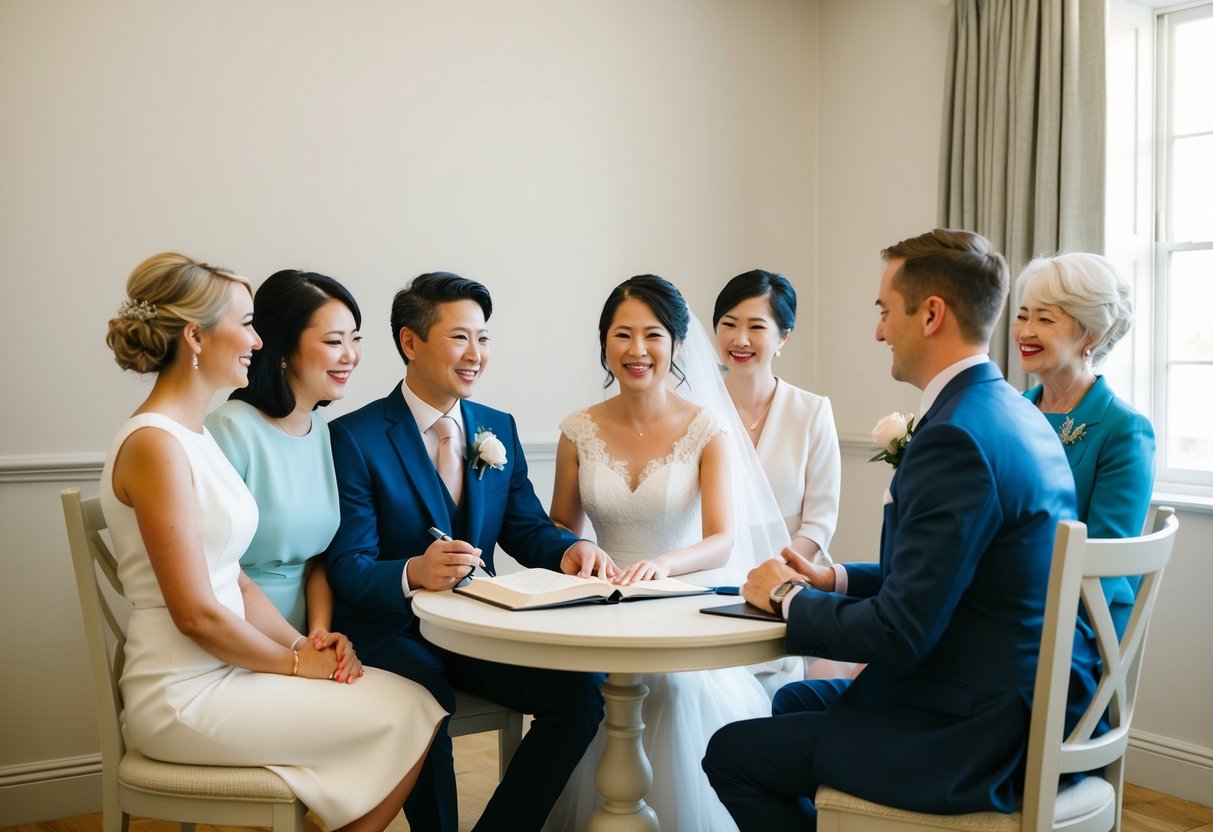
Getting ready for your registry wedding involves several key steps. You need to book your ceremony, meet the legal requirements, and think about how to personalize your event. Here’s what to keep in mind.
Booking Your Wedding at the Registry Office
Start by finding your local register office. You can check their website for details and availability. It’s smart to book your date well in advance, as popular times can fill up quickly.
You’ll want to choose a time that works for you and any guests you plan to invite. Make a list of potential dates before you call or visit. Once you’ve selected a date, confirm your booking with a deposit if needed.
Legal Requirements for Getting Married
Before tying the knot, you must give notice to marry. This involves visiting your local register office at least 30 days before your wedding date. Bring necessary documents like your passport and proof of address.
Both partners will need to attend this appointment. During your visit, you’ll complete a Notice of Marriage form. This step is crucial as it ensures everything is official and legal for your special day.
Planning and Personalizing Your Ceremony
Even at a registry office, you can add personal touches to make your ceremony special. Consider what elements reflect your style. You can choose music, decorations, and even readings that mean something to you both.
While the legal part of your ceremony is straightforward, you can make it heartfelt. Think about writing your own vows or including a special moment that represents your journey. Choosing how to celebrate will make your big day unique.
Costs and Logistics

When planning a registry office wedding in the UK, it’s important to understand the costs and logistics involved. This includes knowing the fees for the ceremony and venue options, along with the details you’ll need to finalize.
Understanding the Costs Involved
The cost of a registry office wedding can vary. On average, you might pay around £1,342 for the entire event. A basic ceremony can start at £50 depending on the location. Key costs may include:
- Giving notice: Around £35 per person.
- Ceremony room: Typically costs around £200.
- Marriage certificates: Usually about £10 each.
- Admin fees: Starting at roughly £10 as well.
These expenses can add up, so it’s good to plan your budget early.
Selecting Your Venue
You can hold your ceremony at a standard registry office or an approved venue. Many couples choose registry offices for a simple, no-fuss experience. Check local options and consider popular destinations, such as waterfront locations or historic buildings.
If you prefer something more personal, think about a home or garden wedding. This could be a lovely and unique setting. However, make sure to confirm that your chosen venue is approved for weddings to avoid any issues on your big day.
Finalizing the Details
Once you have a venue, it’s time to finalize the details. Make sure to book your date well in advance, especially if you want a popular time like weekends or holidays.
Also, consider whether you want a small, intimate gathering or a larger celebration. Sending out invitations early helps ensure that your loved ones can attend. Don’t forget to check all legal requirements, whether you’re in a registry office or an alternative venue.
After the Wedding
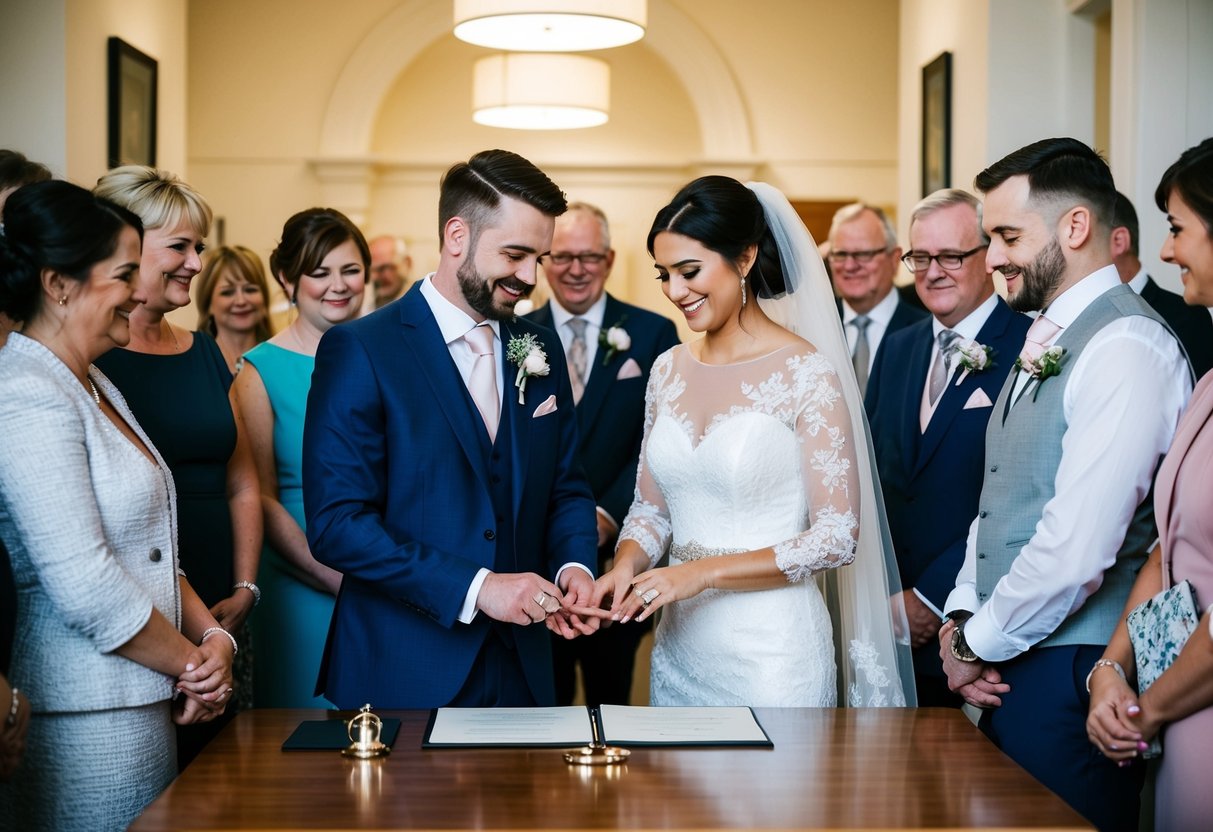
After your registry wedding, there are several important steps to take. You’ll need to obtain official documents and think about your next chapter together. Each of these steps helps solidify your new status as a married couple.
Obtaining Your Marriage Register
Once your ceremony is complete, the registrar will provide you with a marriage register. This document contains essential details about your marriage, including your names, the date, and place of the ceremony.
You can usually obtain your official marriage certificate from the local registry office. This certificate serves as legal proof of your marriage. It’s important to keep this document safe, as you may need it for various purposes such as changing your name or applying for benefits.
The Next Steps in Your Married Life
Planning your life together begins right after the wedding. First, you might consider updating your personal documents, such as your driver’s license or passport, to reflect your new name.
Additionally, you may want to explore joint financial planning, including sharing bank accounts or discussing budgeting for future expenses. This is also a great time to discuss any significant lifestyle changes, like moving in together or starting a family. Open communication is key for a happy marriage.
Marriage Beyond the UK
If you plan to celebrate outside the UK or relocate, know that the rules can differ. Countries may have specific requirements for legally recognizing your marriage.
Before traveling abroad, check the local laws regarding marriage registration. You may need to provide your marriage certificate for certain official needs, like opening a joint bank account or applying for residency.
Also, be aware that some places may require translations of your documents. Ensuring you have the correct paperwork will make your transition smoother.