
What Is a Silent Wedding? Understanding the Trend of Quiet Celebrations
Silent weddings are a unique and intimate way to celebrate your marriage. This type of wedding involves a ceremony where guests remain quiet, allowing for a peaceful atmosphere focused on the couple’s vows and love. Many couples choose this option to create a serene experience free from the usual wedding noise and distractions.
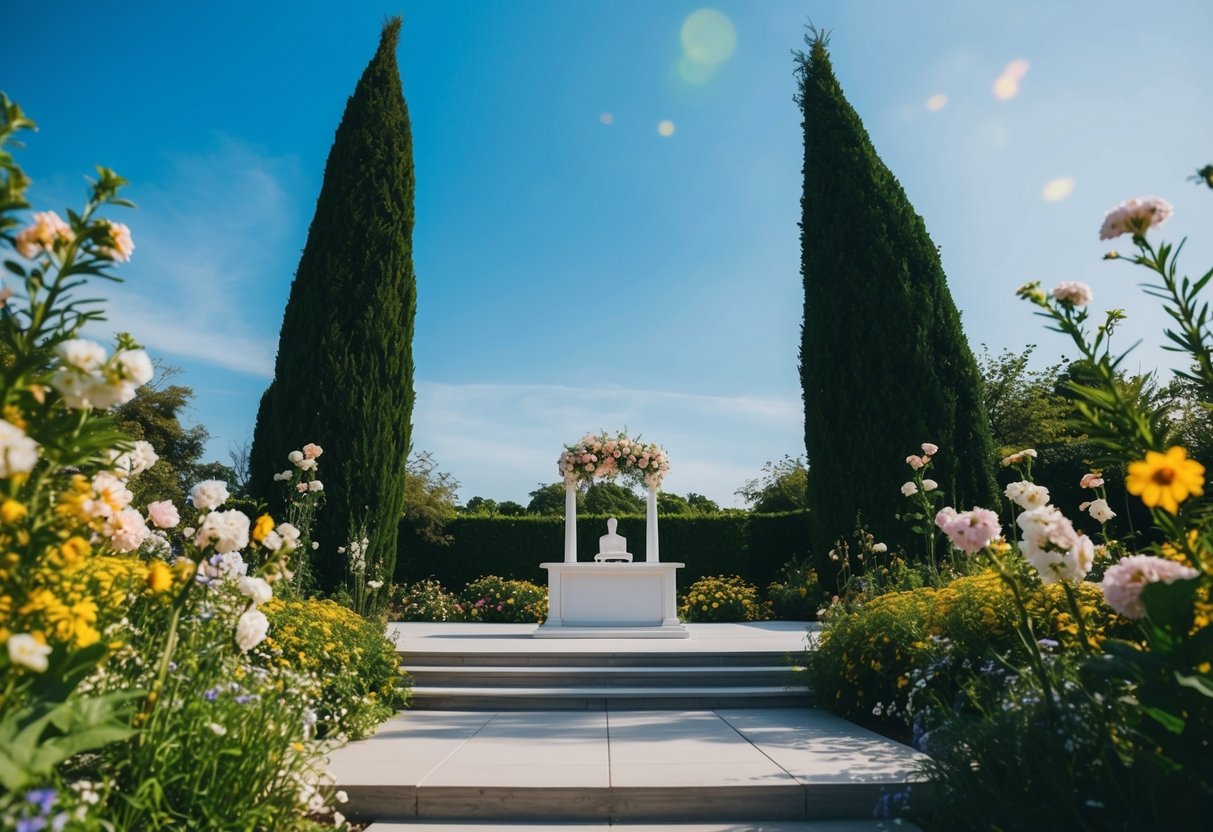
In a silent wedding, the only sounds you might hear are soft instrumental music. Guests are asked to refrain from speaking during the ceremony, which can lead to a deeper emotional connection. This tradition often appeals to those who value simplicity and wish to break away from more extravagant wedding customs.
If you’re curious about how a silent wedding works and what it might look like, you’re in the right place. Discover the elegant details and traditions that make this unconventional celebration special for couples looking to honor their love in a new way.
Understanding Silent Weddings
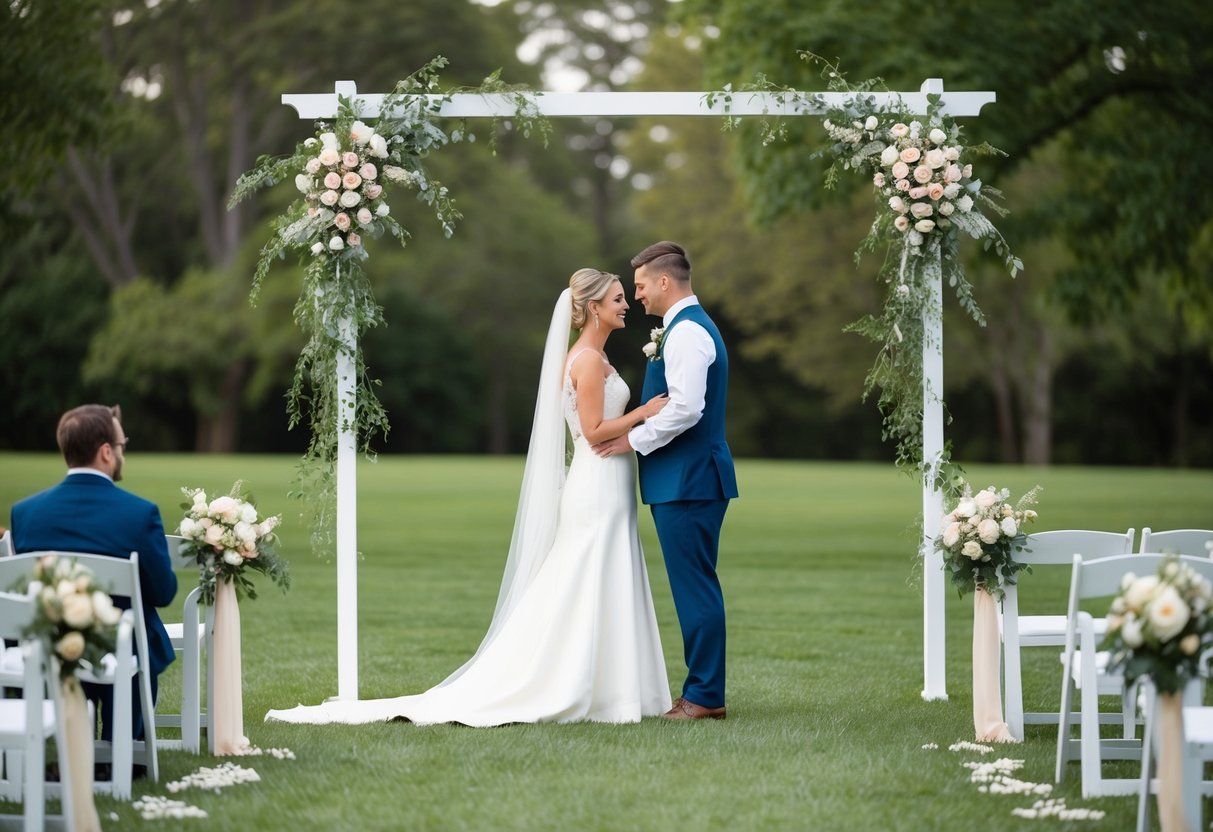
Silent weddings offer a unique and intimate way to celebrate love. By focusing on quiet and meaningful moments, these ceremonies allow couples to connect more deeply with each other and their guests.
The Concept of a Silent Wedding
A silent wedding is a ceremony where spoken words are minimal or absent. Instead of traditional vows, the focus is on silent worship or reflection. This practice encourages everyone to be present in the moment, creating a peaceful atmosphere.
Guests typically witness the couple’s union without distractions. You might find that this approach allows for deeper emotions to surface. In many cases, silent weddings mirror the simplicity and meaning of a Quaker wedding, where silence plays a central role.
Many couples choose this style to avoid the typical pressures of wedding tradition. They appreciate the quietude and find it enhances the intimacy of the day.
Historical and Cultural Origins
The tradition of silent weddings has roots in various cultures, most notably within the Religious Society of Friends, known as Quakers. Quaker weddings often stem from the practice of silent worship. This type of gathering honors reflection and connection over spoken words.
With origins dating back to the 18th century, silent weddings symbolize a break from conventional norms. They emphasize personal connection over elaborate displays. In some Hindu ceremonies, quietness is also valued, reflecting the sacredness of rituals.
Today, as couples seek meaningful alternatives to traditional weddings, silent weddings emerge as a refreshing option. They celebrate love in a serene environment, often without the formalities some weddings entail.
Silent Wedding in Popular Culture
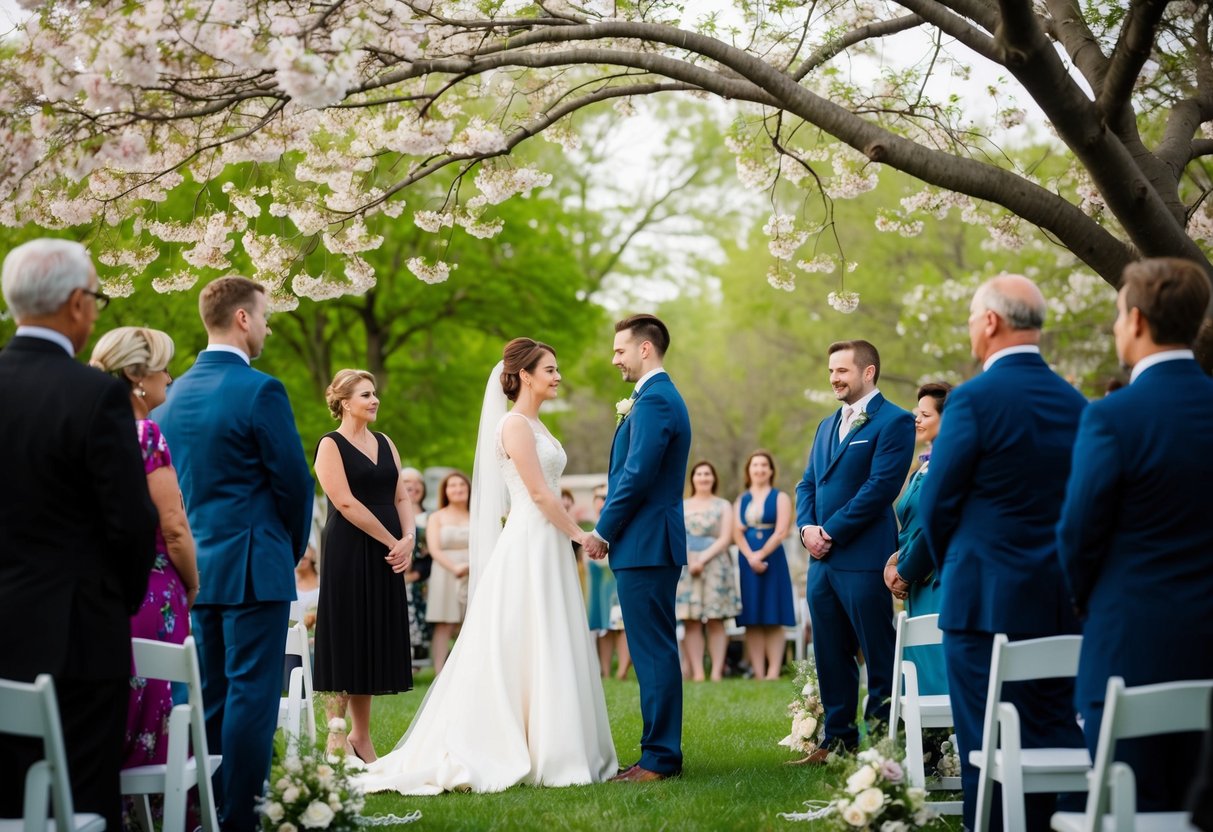
Silent weddings have found their way into popular culture, especially in films and stories. They showcase a unique blend of tradition and emotion. This section explores notable examples and the social context surrounding these events.
Film: Nunta Mută
One of the most famous portrayals of a silent wedding is the film Nunta Mută. This comedy-drama, directed by Horatiu Malaele, dives into the complexities of love and tradition. Set in Romania, the film highlights the charm of a traditional silent wedding, bringing humor and warmth to the story.
Meda Andreea Victor and Alexandru Potocean play central roles, facing cultural expectations with a light-hearted approach. The film’s unique concept captures the essence of a silent wedding, making it both engaging and relatable. It illustrates how silence can amplify connection, allowing emotions to take center stage while minimizing distractions.
Portrayal of Traditions and Social Context
Silent weddings are often connected to cultural and social themes. They symbolize simplicity and a return to basic values. In Nunta Mută, you can see how characters navigate their relationships amidst traditional expectations.
Actors like Valentin Teodosiu, Nicolae Urs, and Tamara Buciucanu contribute to the film’s depth, showcasing how such ceremonies can reveal family dynamics and societal pressures. The lack of noise fosters a reflective atmosphere, allowing guests to connect more profoundly.
Through this lens, silent weddings highlight both personal and collective experiences. They offer a space where love can shine without the usual commotion. This unique approach resonates with audiences, making silent weddings a memorable topic in films.
Planning a Silent Wedding Ceremony
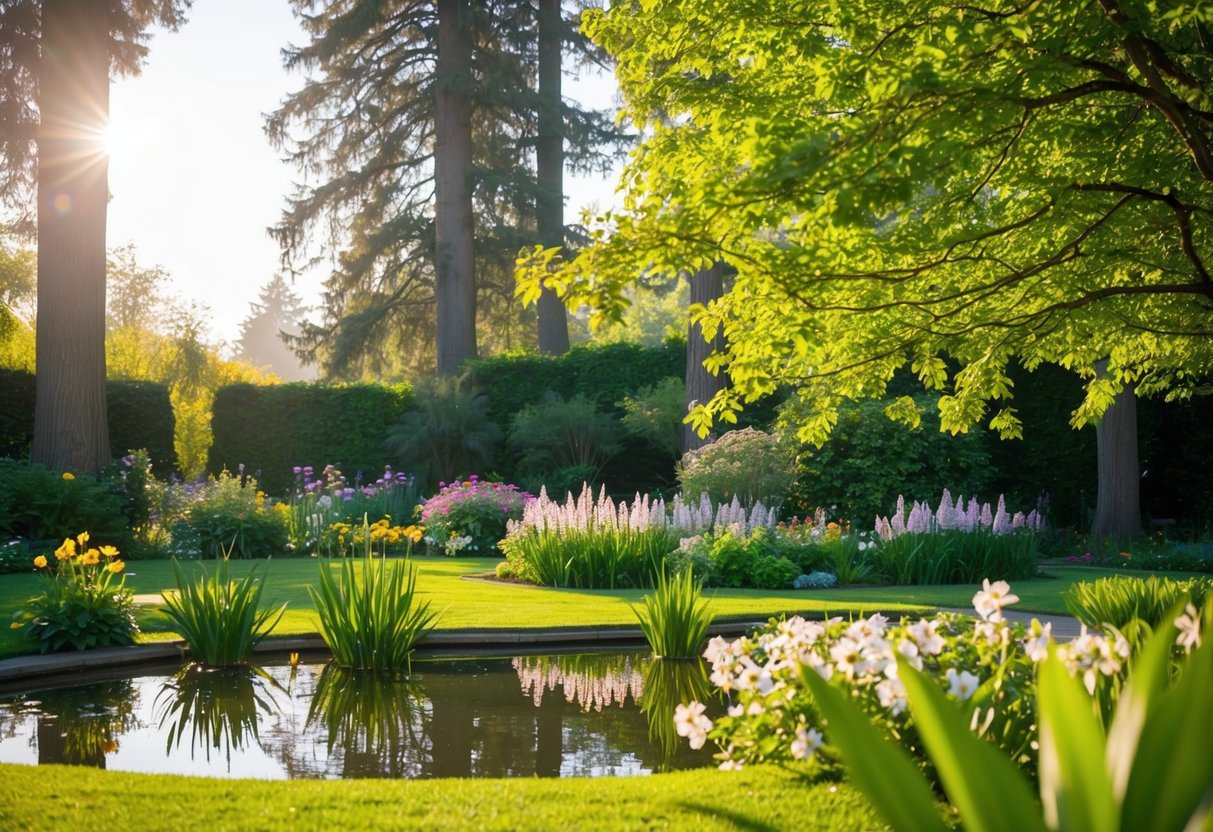
Planning a silent wedding ceremony involves unique elements that set it apart from traditional weddings. You’ll need to consider the key features of this type of ceremony and understand the legal aspects necessary for your marriage certificate.
Key Elements of a Silent Ceremony
A silent wedding ceremony focuses on simplicity and intention. You might choose a setting that feels calm and peaceful, like a garden or a small chapel.
During the ceremony, guests are expected to refrain from speaking. This silence encourages a shared connection among everyone present.
You can incorporate music or visuals to enhance the atmosphere without disrupting the quiet.
Another important element is the vows. Couples often exchange written vows in a personal and heartfelt manner.
Consider including meaningful rituals, such as lighting a unity candle or sharing a moment of reflection. Guests can participate during these rituals in silence, allowing everyone to embrace the day’s significance.
Legal Considerations and Marriage Certificate
When planning a silent wedding, you still need to address legal requirements. Be sure to check local laws regarding marriage ceremonies.
Most jurisdictions require a marriage license, which you should obtain before the ceremony.
During the ceremony, you’ll still need an officiant to perform the legal aspect of your marriage. This could be a religious leader or a civil officiant who understands your vision for a silent event.
Once the ceremony is complete, ensure that the officiant signs your marriage certificate.
Afterward, file it according to local regulations to formalize your marriage legally.