
What is a Silent Wedding Ceremony? Understanding the Unique Experience
A silent wedding ceremony is a unique approach to tying the knot that focuses on simplicity and introspection. During these ceremonies, couples exchange vows in a tranquil setting. They are often surrounded by family and friends who participate in a period of silence. This calm atmosphere can make the moment feel even more special as everyone present shares in the couple’s commitment.
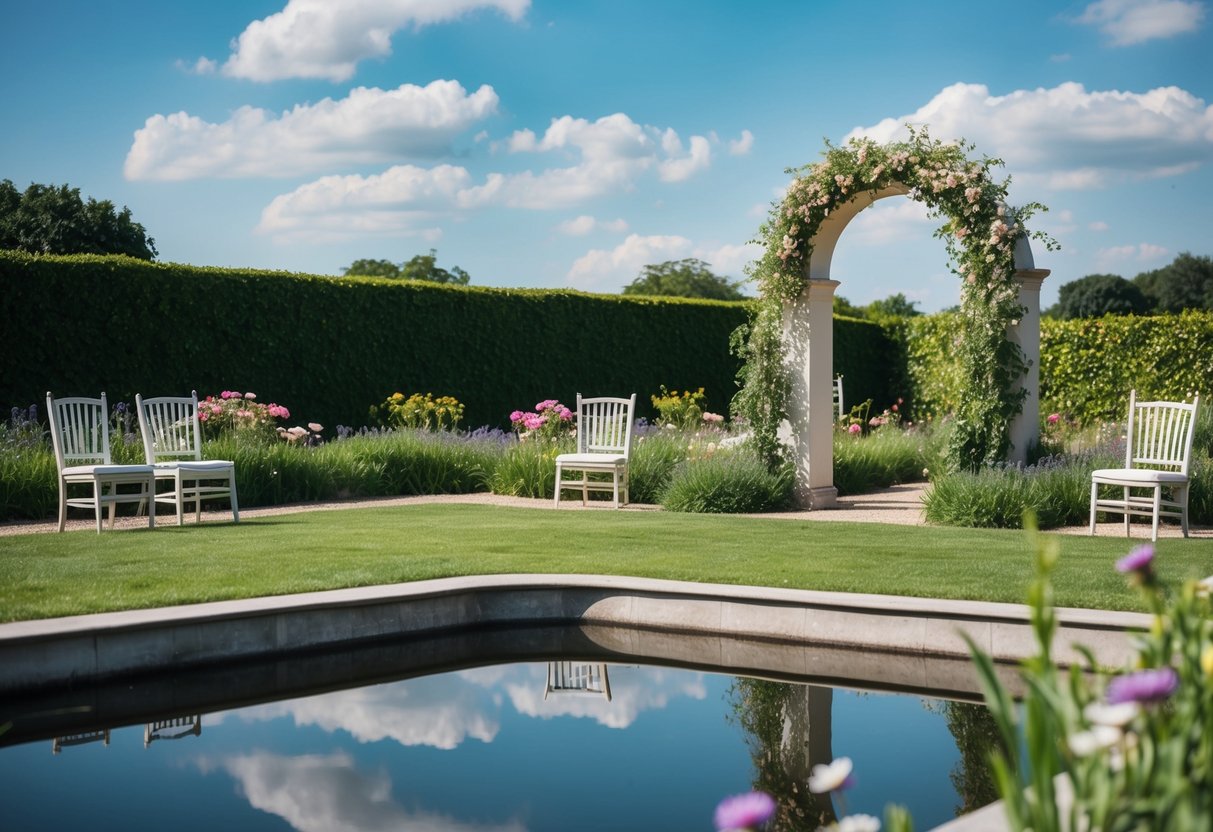
Many couples choose a silent wedding to create a more meaningful experience, free from the distractions of traditional celebrations. You might find that this style allows for deeper connections with your partner and your guests. It’s a chance to celebrate your love in a personal and unforgettable way.
If you’re seeking a wedding that stands out yet remains genuine, a silent wedding may be just what you need. Embracing this beautiful tradition can lead to a memorable ceremony filled with affection and support from those who matter most.
The Concept and History of Silent Wedding Ceremonies
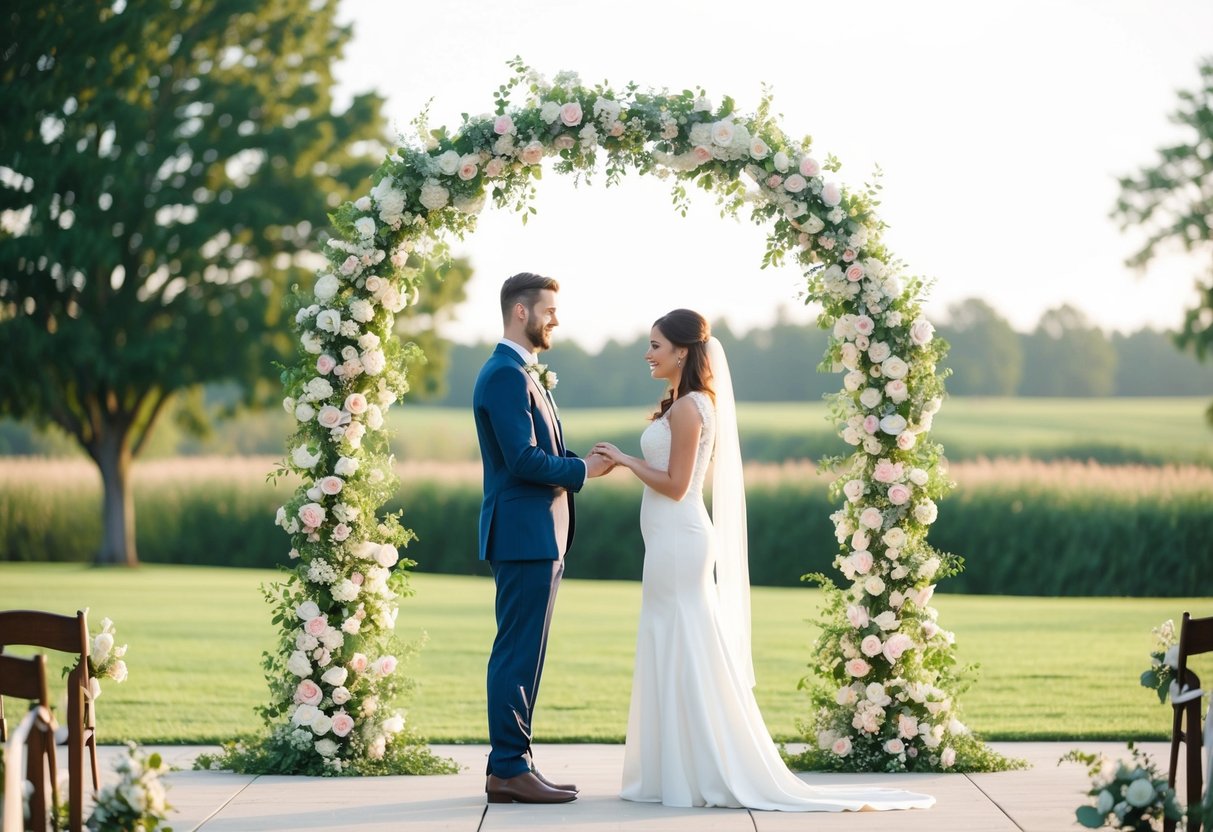
Silent wedding ceremonies offer a unique and intimate way to celebrate love. This approach stems from specific traditions, particularly within the Quaker community, where moments of silence are used for reflection and connection.
Understanding Silent Weddings
A silent wedding is an unconventional ceremony where spoken words are minimized or eliminated. Instead, couples and their guests engage in moments of quiet reflection. This format allows everyone to absorb the atmosphere and connect deeply without distractions.
Many couples choose this style to focus on the essence of their vows, emphasizing spirituality over traditional speech. Guests typically participate in a worship meeting, which involves shared silence until the couple feels ready to exchange vows. This creates a profound sense of unity and support among participants.
Historical Roots and Role of Quaker Traditions
The idea of a silent wedding is closely tied to Quaker wedding traditions. George Fox, the founder of the Religious Society of Friends, established these traditions to emphasize simplicity and equality. In a typical Quaker wedding, members gather in a sacred space for quiet prayer and reflection.
This practice encourages participants to be present and mindful. During the ceremony, silence reigns until the couple feels “led” to speak their vows. This can create a powerful emotional experience. Quaker traditions celebrate values like commitment and love without the need for grand displays or elaborate settings.
Legal Aspects and the Role of the Officiant
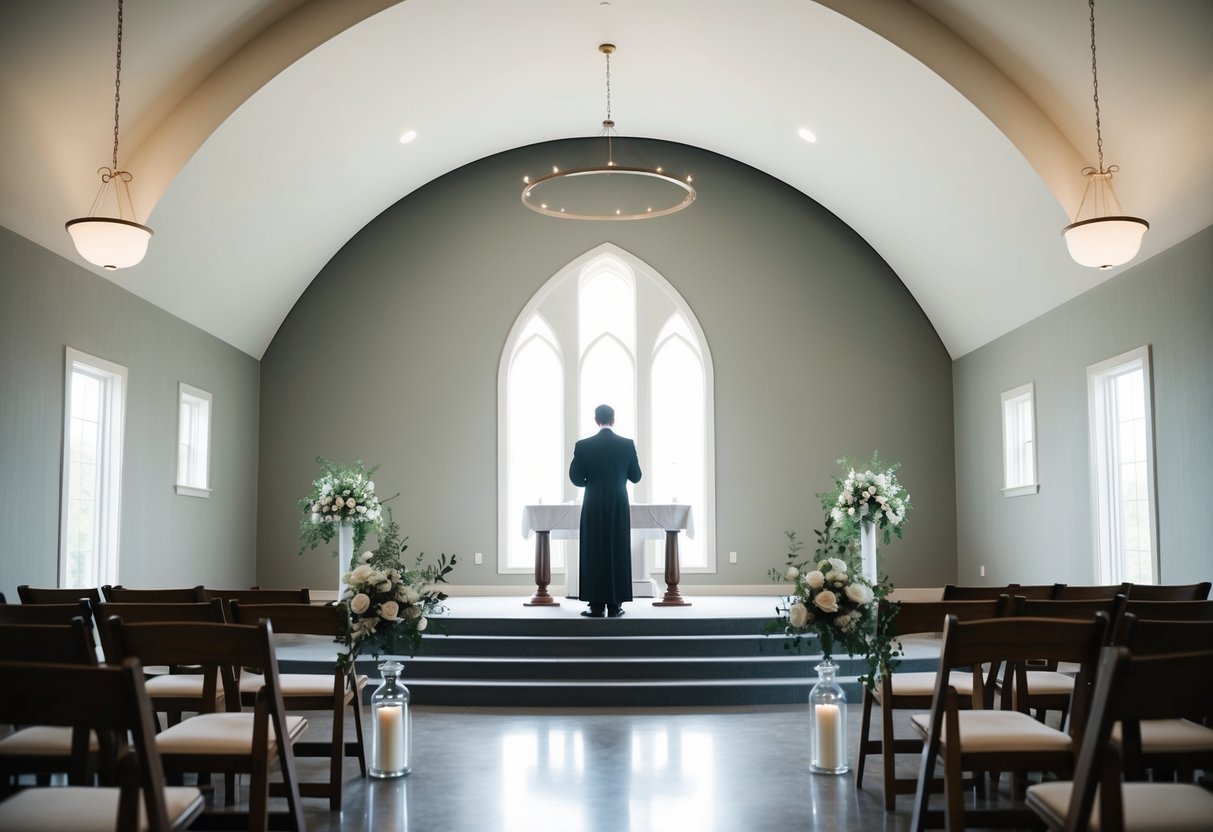
In a silent wedding ceremony, certain legal requirements still apply, and the officiant plays a crucial role. Understanding how to obtain a marriage license and the responsibilities of the officiant is essential for a smooth event.
Obtaining a Marriage License
Before the ceremony, you need to obtain a marriage license. This document is legal proof that you and your partner are permitted to marry.
To get a marriage license, visit your local government office or clerk’s office. Ensure you have proper identification, such as a driver’s license or passport. Certain states may require a waiting period or a fee.
Important Points:
- Check your state laws for specific requirements.
- Both partners usually need to be present to apply.
After the ceremony, the officiant will fill out the marriage license and return it to the appropriate office. This step is crucial for obtaining your marriage certificate.
The Officiant’s Duties in a Silent Ceremony
In a silent wedding ceremony, the officiant’s role may look a bit different. While there might be less verbal interaction, their duties remain highly important.
The officiant must ensure all legal elements are covered. This includes verifying the marriage license and documenting the ceremony. Even in silence, they are responsible for creating a respectful and meaningful atmosphere.
Though the vows may not be spoken, the officiant can guide you through meaningful gestures that symbolize your commitment. They may also facilitate any symbolic rituals you choose, like a unity candle or sand ceremony.
Key Responsibilities:
- Ensure the marriage license is accurate and signed.
- Create a calm, respectful environment even without words.
This sets a foundation for your partnership, making the officiant a key part of the experience.
Cultural Variations in Silent Wedding Ceremonies
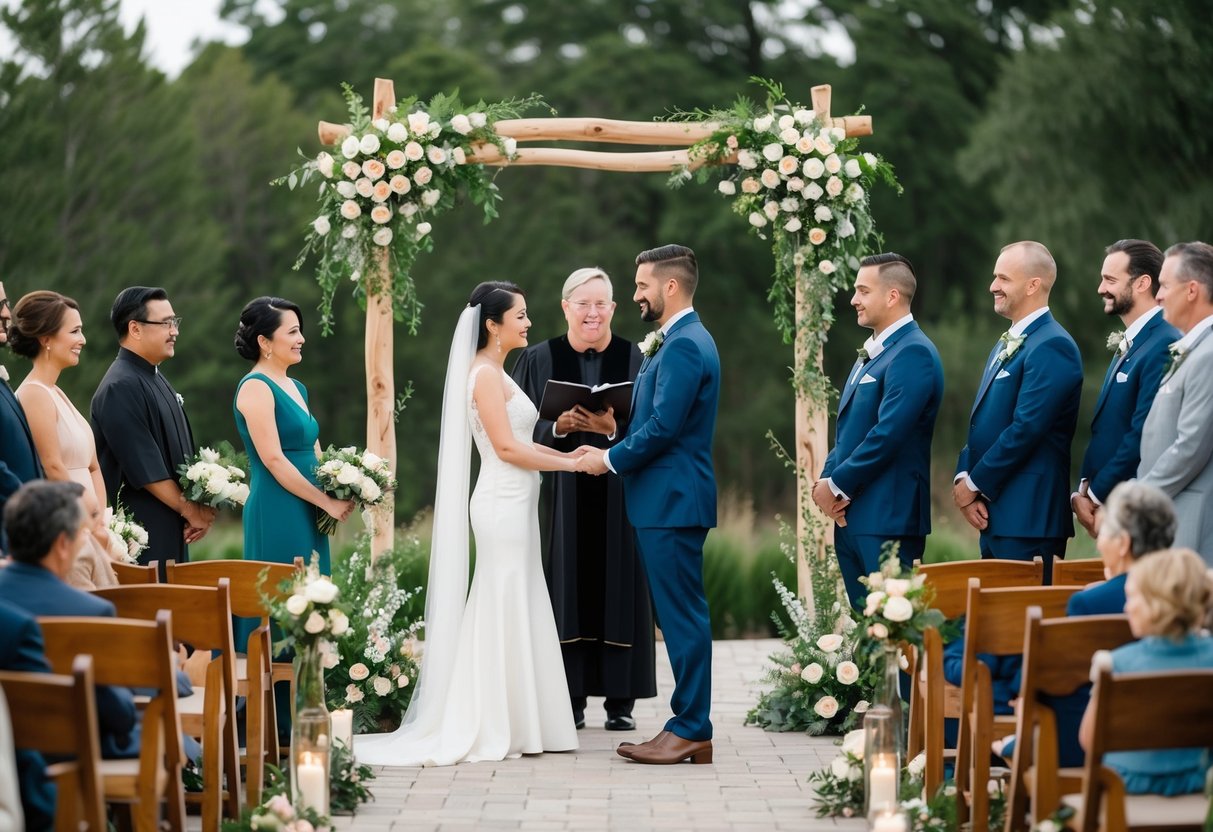
Silent wedding ceremonies can differ greatly across cultures. One unique example is the Silent Hindu Wedding Ceremony, where tradition and tranquility blend to create a meaningful experience for everyone involved.
Silent Hindu Wedding Traditions
In a silent Hindu wedding ceremony, family and guests quietly witness the rituals. Everyone focuses on the couple and the sacred practices involved. This format avoids disruptions from food and drink services, allowing all to be present in spirit.
The Hindu priest plays a vital role, guiding the ceremony with Vedic scriptures and chanting Sanskrit mantras. The silence adds a layer of reverence as each ritual unfolds.
This type of wedding emphasizes connection and mindfulness, showcasing the beauty of tradition while creating a calm atmosphere for the couple and witnesses alike.
Creating Your Silent Wedding Ceremony Script
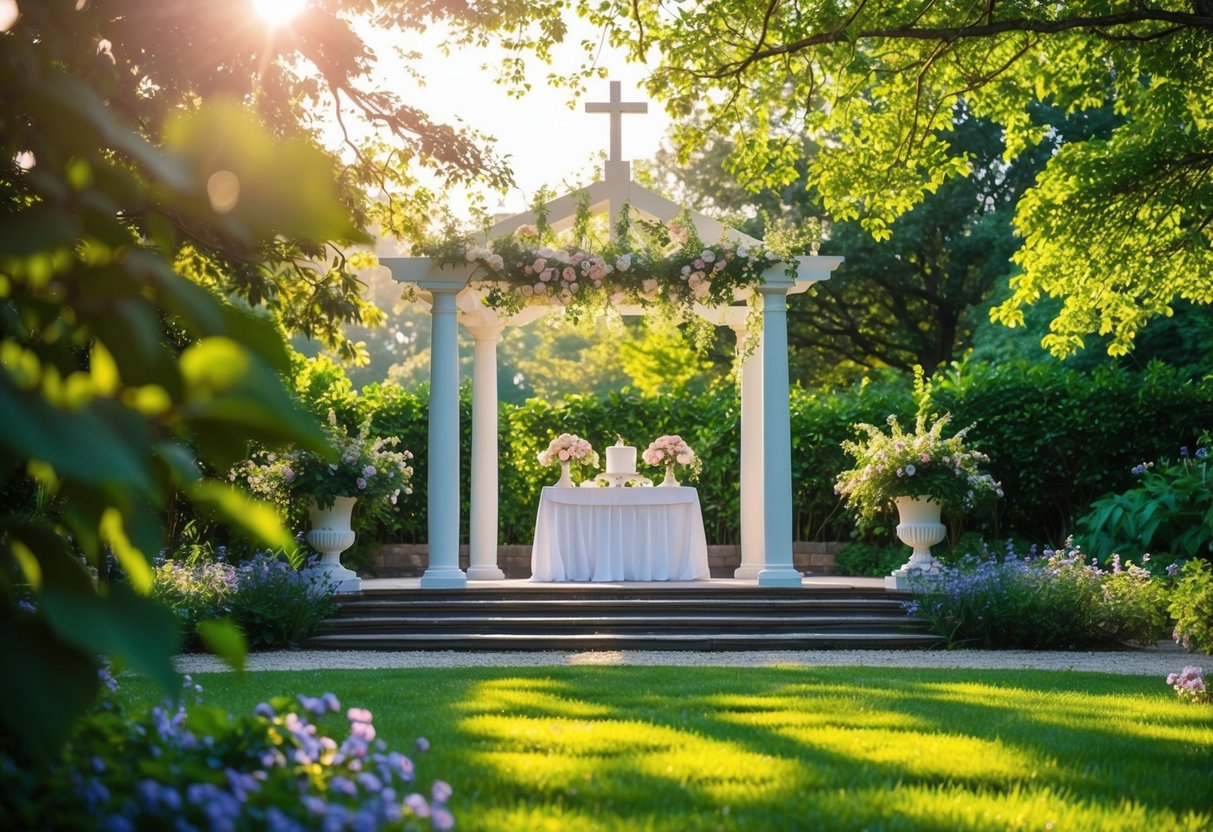
Planning a silent wedding can be a unique and touching experience. Start by discussing with your partner the moments you want to keep quiet. Then, decide on the key parts of the ceremony where silence will be observed.
Key Elements to Include:
-
Opening Remarks: Begin with a warm welcome to your guests. You can briefly share your love story before moving into silence.
-
Moment of Silence: Choose a specific time for the silence, perhaps to honor loved ones who can’t be there. This can be an emotional moment for all.
-
Vows: Consider writing your vows and sharing them silently through a reading or separate notes. This allows your guests to feel the love without words.
-
Unity Rituals: Plan silent rituals like candle lighting or tying knots in a cord. These actions can symbolize your bond and commitment without spoken words.
-
Closing Remarks: End the ceremony with a simple thank you to your guests. This can reaffirm the love and support around you without requiring lots of chatter.
When writing your script, keep it simple and clear. Use direct language that conveys your feelings while maintaining the serene atmosphere. This can help you stay focused on each other and the significance of the day.