
What is a Silent Wedding? Understanding the Unique Concept Behind This Intimate Ceremony
Silent weddings are becoming a unique option for couples seeking a more intimate and meaningful ceremony. A silent wedding is a type of ceremony where guests share a quiet, reflective experience rather than participating in loud celebrations. This approach can create a serene atmosphere that emphasizes the couple’s commitment to one another in a less traditional setting.
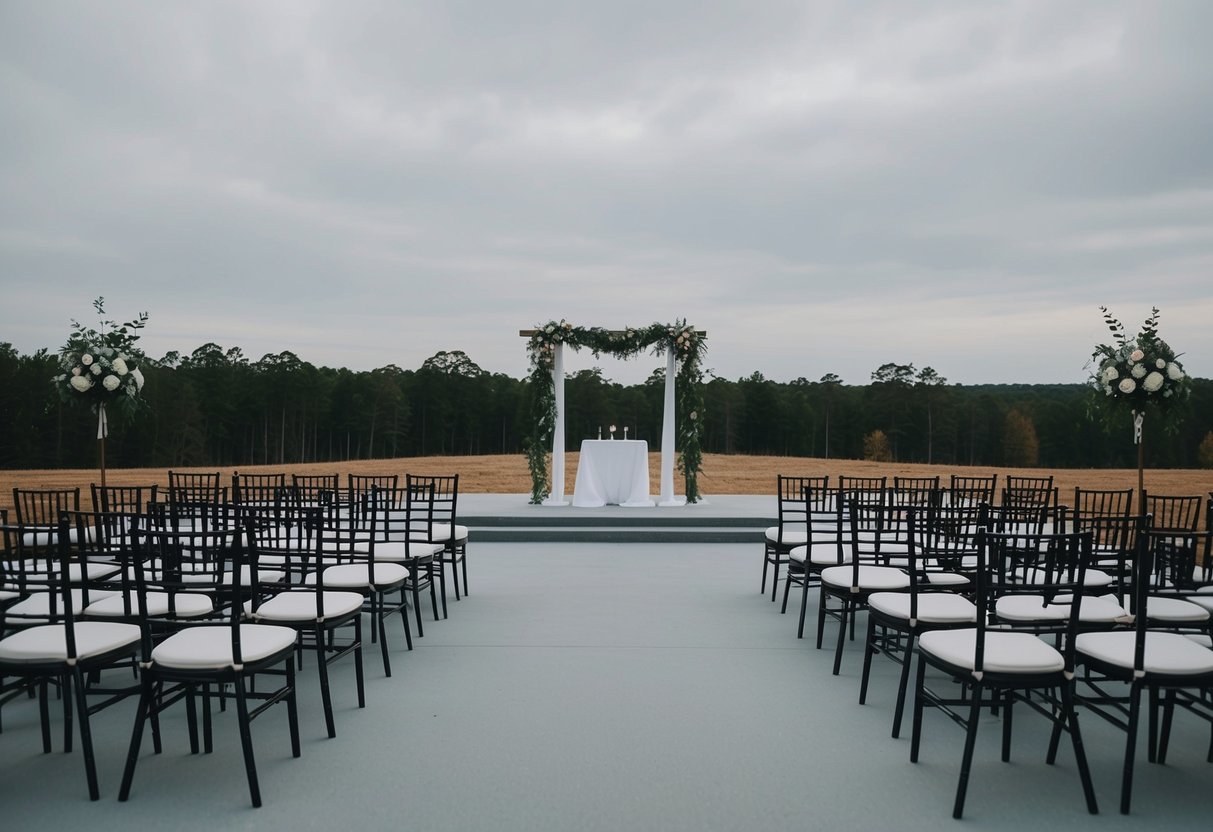
In a silent wedding, there are often moments of quiet reflection where guests can engage with their own thoughts or feelings, making it truly special. Many couples appreciate this style for its simplicity and the chance to focus on the significance of their vows without distractions.
If you are considering a wedding that captures a deep sense of connection, exploring the details of a silent wedding might just inspire you. This alternative format provides a refreshing take on the typical wedding experience that can be both memorable and meaningful.
Understanding Silent Weddings
Silent weddings offer a unique approach to celebrating marriage. This tradition emphasizes simplicity and deep connection, making it a meaningful choice for many couples.
Origins and Cultural Significance
Silent weddings have roots in the Religious Society of Friends, commonly known as Quakers. This practice began in the 18th century. Quaker weddings focus on quiet reflection rather than loud celebrations. During the ceremony, there is a significant period of silent worship. This allows both partners and guests to connect with their feelings and intentions.
In a Quaker wedding, you won’t find an officiant or the traditional giving away of the bride. Instead, you and your partner sign a wedding certificate, marking your commitment. This simplicity emphasizes the importance of the union itself over ceremony frills.
Silent Wedding Ceremonies Today
Today, silent weddings are gaining popularity among couples seeking a more intimate experience. You can plan a ceremony that fits your beliefs and values. Some choose to blend elements from traditional weddings while maintaining a quiet atmosphere.
A silent wedding reception is often part of this tradition. This event encourages guests to enjoy the moment without loud music and chatter. Instead, the focus is on subtle interactions and shared experiences. Many couples find that this creates a deeper connection between themselves and their guests. Silent weddings invite you to celebrate marriage and love in a profoundly personal way.
The Role of Silence in Wedding Traditions
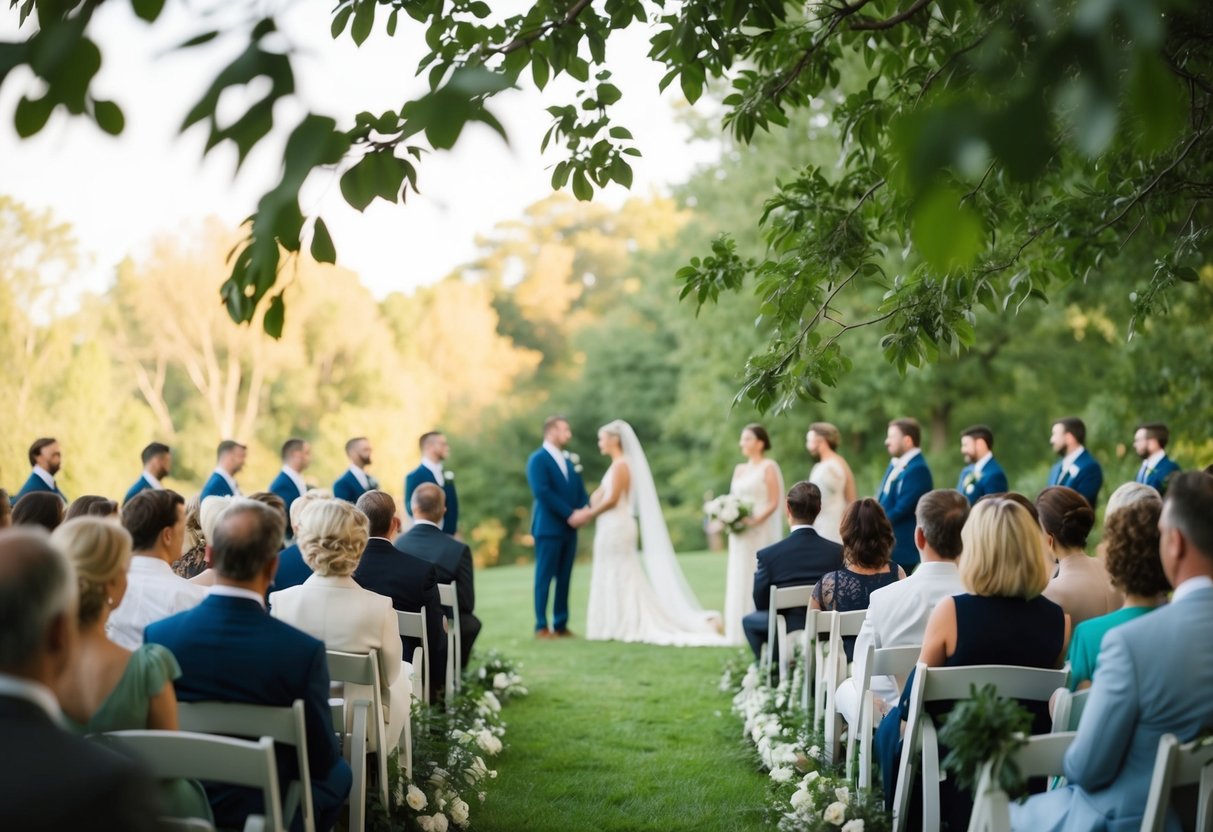
Silence plays a meaningful role in various wedding traditions around the world. It often symbolizes reflection, connection, and the importance of the moment in which two people unite. Understanding how silence is incorporated into different rituals can deepen your appreciation for these unique practices.
Silence in Quaker Weddings
In Quaker weddings, silence holds a special significance. The ceremony involves a period of silent worship, where all attendees reflect inwardly. This moment of stillness allows everyone to connect with their thoughts and feelings about the union taking place.
During this time, couples share their vows without an officiant. Instead, they speak when moved to do so. After this period of silence, guests may also share their thoughts and blessings. This creates an intimate atmosphere, making the ceremony unique compared to traditional weddings. The silence invites everyone to participate in the moment deeply.
Global Wedding Traditions Involving Silence
Many cultures and traditions include silence in their wedding ceremonies. For example, certain Native American tribes feature silent blessings during the ceremony, where the community comes together to support the couple through quiet reflection.
In some Asian cultures, silence signifies respect for ancestors. Couples may pause to honor those who have passed before them. Additionally, in many religious weddings, moments of silence are used for prayer or meditation.
These practices show that silence in weddings isn’t just a lack of noise. It is a powerful tool for connection, respect, and shared spirituality. Incorporating silence into wedding traditions creates strong bonds between the couple, their families, and their communities.
Silent Wedding in Popular Culture
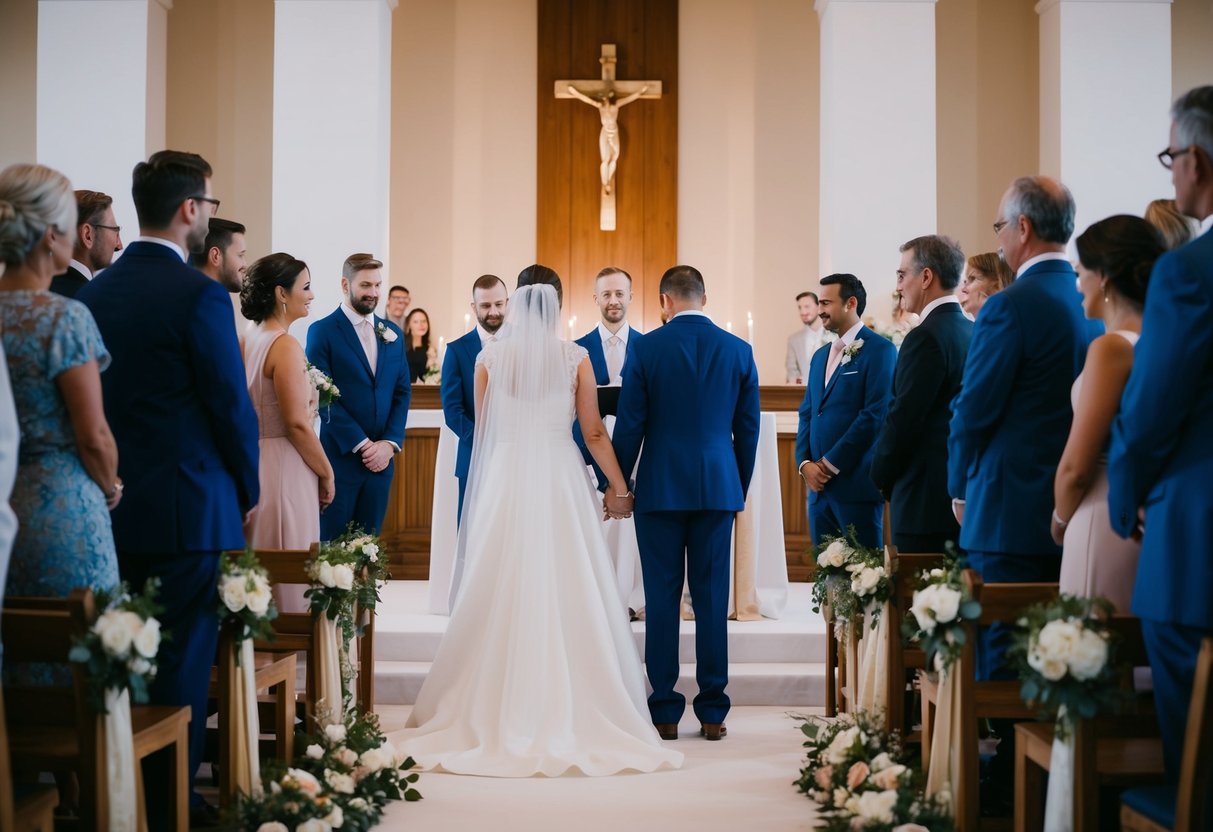
Silent weddings have made their mark in popular culture, particularly through film. One notable example is the comedy-drama Nunta Mută, which offers a unique take on this wedding style. The film showcases how silence can speak volumes, blending humor with heartfelt moments.
Overview of ‘Silent Wedding’ Film
Nunta Mută, directed by Horațiu Mălăele, revolves around a couple that decides to have a silent wedding. The special day is marked by guests not speaking, creating a blend of comedy and drama. You will see characters like Meda Andreea Victor, Alexandru Potocean, and Valentin Teodosiu, who bring life to this unusual concept.
The film highlights various interactions in a quiet setting. Guests communicate without words, showcasing their emotions through gestures and expressions. This clever storytelling allows the audience to feel the characters’ joy and struggles. Nunta Mută received praise for its originality and received favorable ratings on platforms like IMDb.
Impact of the Film on Public Perception
The film’s unique premise has shifted how people view silent weddings. After its release, many viewers found the idea intriguing. It sparked discussions about intimacy and connection in weddings, showing that silence can enhance moments of love.
Public perception of silent weddings changed as people began to appreciate their simplicity. Couples started considering this option as a way to create a more serene and personal atmosphere for their special day. Additionally, Nunta Mută showcased how tradition and creativity could intertwine in wedding celebrations.
This shift is evident in both urban and rural settings, influencing wedding trends.
Legal and Ceremonial Aspects of Weddings
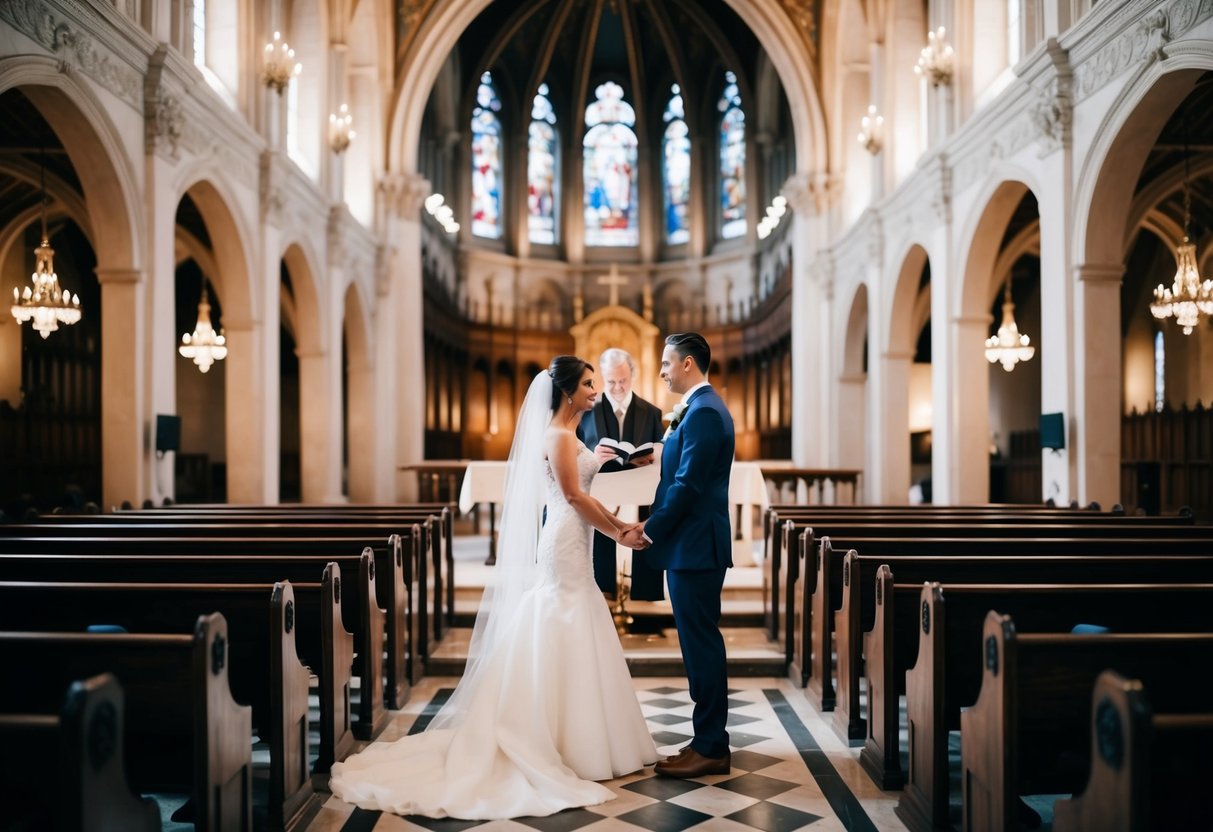
When planning a wedding, it’s essential to understand the legal requirements and the symbolic meaning behind the events. This section will cover the importance of marriage certificates and the significance of wedding receptions.
Marriage Certificates and Legal Formalities
To make your marriage official, you need a marriage certificate. This document is essential as it recognizes your union in the eyes of the law.
Before your ceremony, you should apply for a marriage license, which varies by state or country. Requirements often include proof of identity and, sometimes, a waiting period.
Once you’ve completed the ceremony, the officiant, along with witnesses, typically signs the certificate. Afterward, you submit it to the appropriate government office.
Having this legal formality ensures your marriage has recognition, allowing you to enjoy benefits like tax breaks or shared healthcare options.
The Symbolism and Significance of Wedding Receptions
Wedding receptions are special gatherings that celebrate your new union with family and friends. This event often follows the wedding ceremony and serves as a joyous occasion to honor your love.
During the reception, traditions like speeches, toasts, and the first dance create lasting memories. It’s also a time for guests to share in your happiness, reinforcing the community bonds that support your marriage.
Some weddings may have quieter receptions, focusing on meaningful interactions rather than loud celebrations. Regardless of type, your reception symbolizes not just your commitment but also the support from those around you.