
What is a Tom Thumb Wedding? A Fun Guide to This Unique Miniature Ceremony
Tom Thumb Weddings are charming events where children get to experience the fun of a mock marriage. In a Tom Thumb Wedding, kids dress up in wedding attire and play the roles of bride and groom, creating a light-hearted and whimsical celebration.
These events often take place at schools or churches, and they serve as a way for children to engage with the idea of marriage in a playful and innocent context.
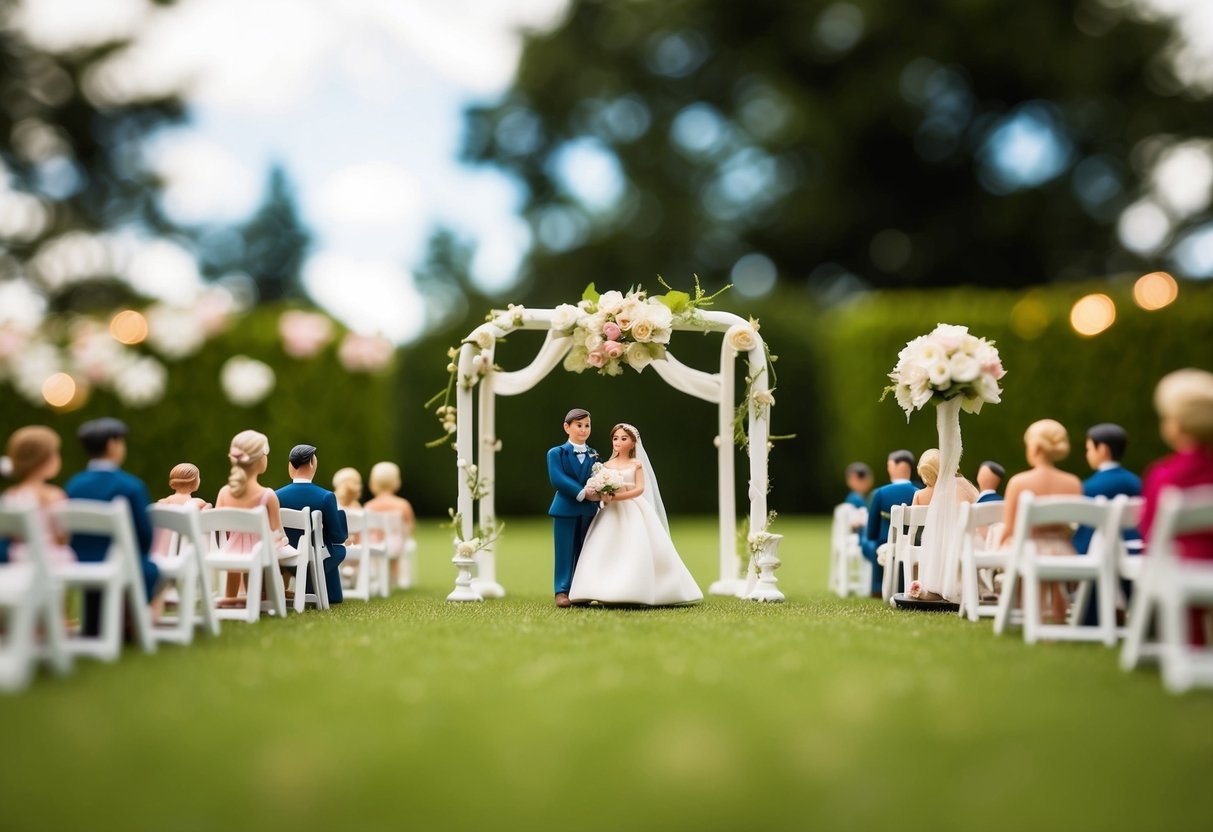
This tradition traces its roots back to the story of Tom Thumb, a character known for his small size. It presents a unique opportunity for kids around the age of ten to dress up in lovely gowns and tuxedos, enabling them to immerse themselves in the joy of what a wedding ceremony entails.
As they pretend to marry, children not only have a great time but also learn about the customs that come with such significant life events.
Whether you’re curious about their origins or how they’re celebrated today, Tom Thumb Weddings offer a delightful glimpse into a playful aspect of childhood that many would find endearing.
Historical Origins of Tom Thumb Weddings
Tom Thumb Weddings have a fascinating history rooted in the lives of notable figures and cultural trends of the 19th century. These events reflect a blend of entertainment and social lessons that engaged communities and highlighted unique personalities.
Charles Stratton and Lavinia Warren’s Influence
Charles Stratton, famously known as General Tom Thumb, was a performer in P.T. Barnum’s circus. He gained fame for his small stature and captivating performances. In 1863, he married Lavinia Warren, another member of Barnum’s troupe, in a grand event that caught public attention.
Their wedding was a spectacle, featuring elaborate costumes and a beautiful cake. This event sparked the creation of mock weddings for children. Youngsters would dress in miniature wedding attire, imitating the style of Stratton and Warren.
These ceremonies served as playful ways for kids to learn about marriage and social roles. They allowed families to engage in a fun, charming tradition that mirrored the loving connection of the celebrated couple.
P.T. Barnum and the Victorian Era
P.T. Barnum played a crucial role in popularizing Tom Thumb Weddings. As a master showman, he knew how to attract crowds and create memorable experiences. He used the weddings of Stratton and Warren as a promotional tool for his shows.
During the Victorian Era, these weddings took on a special significance. They represented the ideals of love, innocence, and community. As a result, Tom Thumb Weddings became cherished events in many towns, encouraging families to participate in the festivities.
Barnum’s influence helped turn these events into larger social gatherings. People from various backgrounds came together, united by curiosity and admiration for the couple. This spirit of community remains a key element of Tom Thumb Weddings today.
Cultural Impact in the 19th Century
The 19th century was a time of fascination with celebrity culture, and characters like General Tom Thumb attracted significant attention. His wedding to Lavinia Warren captured public interest, inspiring others to replicate the idea.
These celebrations became mini pageants, where children donned costumes representing wedding roles. Families often staged these fun events in their local communities. They not only entertained but also taught moral lessons about love and commitment.
Tom Thumb Weddings also highlighted social changes of the time. They reflected shifting views on marriage and childhood. Through these celebrations, children could experience joy and creativity while learning important values in a playful manner.
The Ceremony and Traditions

A Tom Thumb wedding is a fun and whimsical event that mimics traditional wedding ceremonies. It offers a playful opportunity for children to experience the joy of matrimony while promoting values like unity and love. Here’s a closer look at the various elements that make up the ceremony and its traditions.
Elements of the Ceremony
In a Tom Thumb wedding, the ceremony is designed to resemble a formal wedding. Children dress up in beautiful outfits, with little boys often wearing tuxedos and little girls donning bridal gowns.
The setup includes an altar, decorations, and sometimes music to create a festive atmosphere. Some ceremonies may feature readings or simple vows, allowing children to engage in the process meaningfully.
The wedding party may consist of flower girls, ring bearers, and other young participants. After the ceremony, a light-hearted “reception” follows, filled with games, refreshments, and celebration.
These events allow children to learn about wedding etiquette and traditions while having fun.
Dwarfism, Representation, and Respect
The Tom Thumb wedding tradition has roots in the story of General Tom Thumb, who was prominent in the 19th century. This event often showcases individuals with dwarfism in a respectful and celebratory manner.
By involving children of various heights, these ceremonies promote inclusivity. They highlight the importance of representation, showing that celebrations of love and unity are for everyone.
These weddings also challenge stereotypes around dwarfism. They allow participants to see individuals with dwarfism as just as capable of participating in joyous occasions, such as weddings.
This representation fosters respect and understanding in the community, leading to a more inclusive environment.
Modern Interpretations and Significance
In today’s society, Tom Thumb weddings can be adapted in countless ways to keep the tradition alive. Many families incorporate elements that reflect their values and culture, making each ceremony unique.
These weddings are often seen as a delightful form of role-playing, allowing children to grasp the significance of love and commitment. They serve as a light-hearted introduction to the customs surrounding matrimonial ceremonies.
Tom Thumb weddings can also be themed, such as fairy weddings, adding to the fun and excitement of the day.
Through this engaging experience, children learn about the importance of love, unity, and community in a festive, whimsical setting.
Community and Educational Aspects
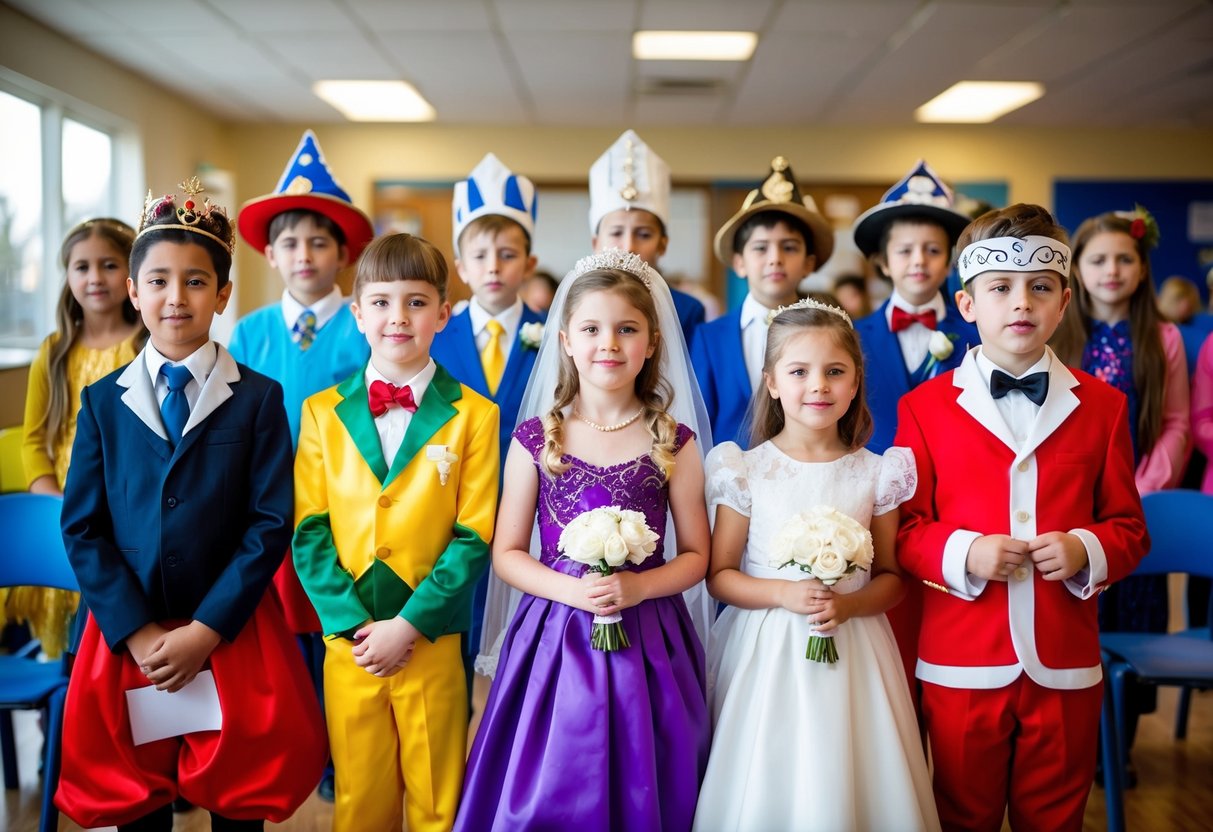
Tom Thumb weddings create special opportunities for community involvement and learning. These events bring people together while also teaching children valuable skills.
Building Community through Tom Thumb Weddings
Tom Thumb weddings often take place in community spaces like churches and schools, such as Grace Episcopal Church. This helps build a sense of belonging. Everyone from parents to local businesses can get involved.
Planning these weddings requires teamwork and cooperation. Families work together to coordinate costumes, decorations, and roles. This shared effort strengthens bonds among participants and promotes friendship. Many events also serve as fundraisers for charities, allowing the community to support local causes while having fun.
Educational Value and Life Lessons
Participating in a Tom Thumb wedding can be a fun learning experience. Children gain valuable lessons in planning and creativity. They learn how to follow instructions and express themselves through costumes and roles.
These events also teach cooperation. Kids must work together to ensure the ceremony runs smoothly. This promotes social skills, such as communication and collaboration.
The excitement of being “married” at a young age can also foster a sense of responsibility. Families can discuss the meaning of marriage and friendship, helping children understand important life concepts. Events like these are not just fun; they also build a strong community foundation through shared experiences.