
What is a Traditional Seating Arrangement? Exploring the Classic Design for Gatherings
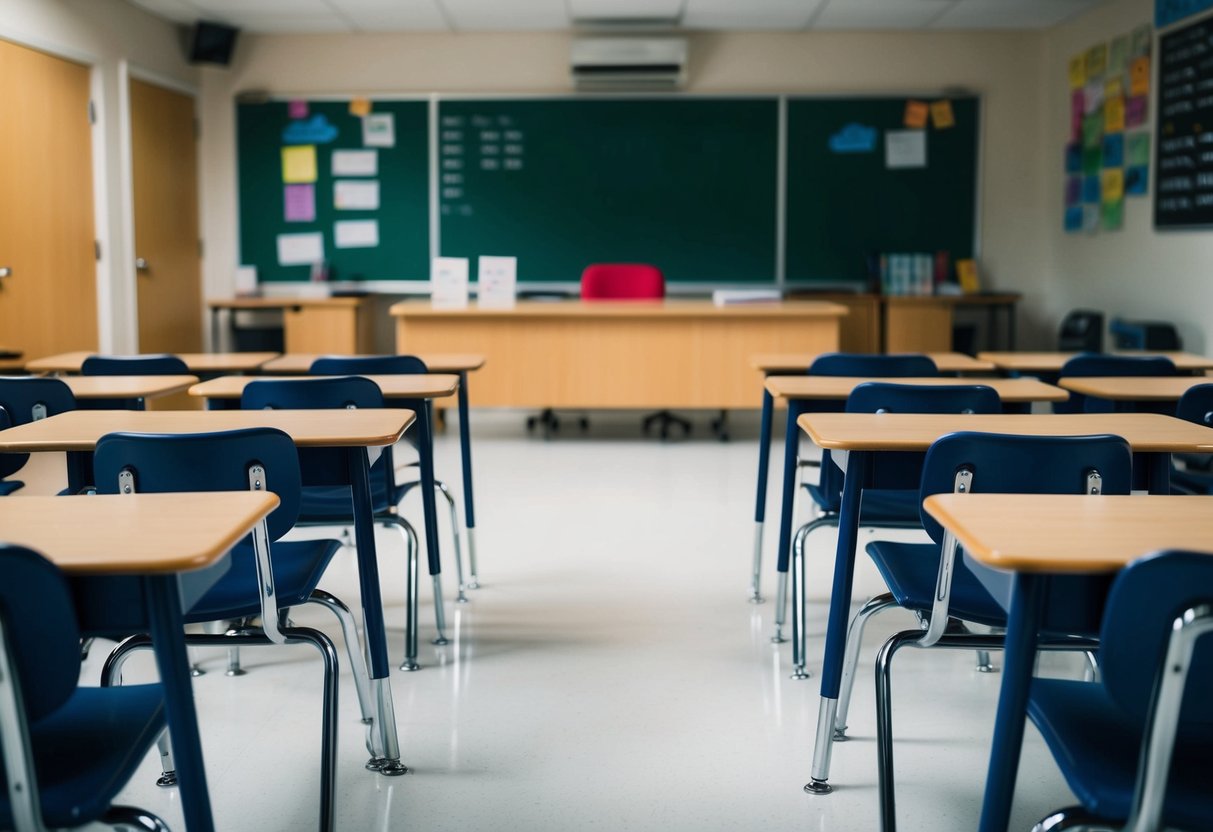
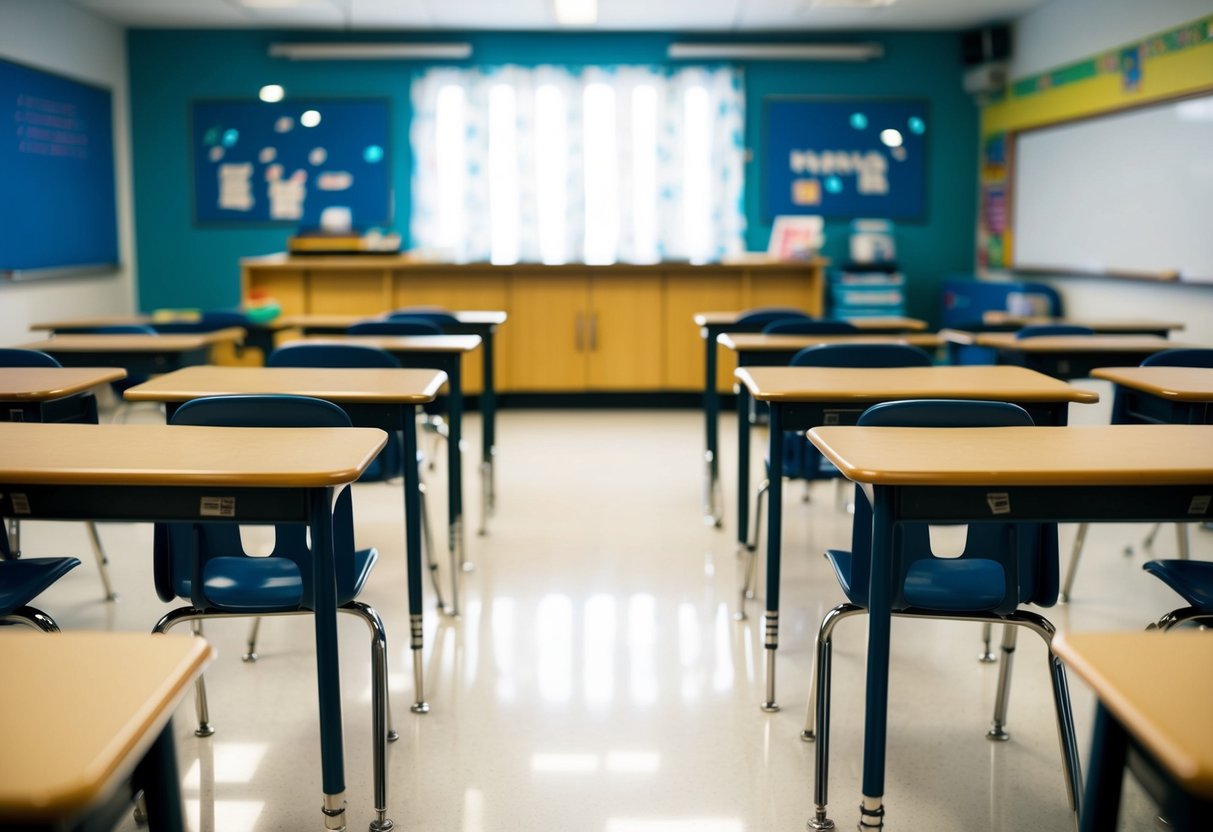
When you think about a traditional classroom setting, what comes to mind? Many imagine rows of desks facing the front, where students sit quietly listening to the teacher talk. A traditional seating arrangement consists of desks arranged in straight lines. It focuses attention on the instructor while limiting interaction among students. This setup has been a common choice in educational settings for years, creating a structured environment for learning.
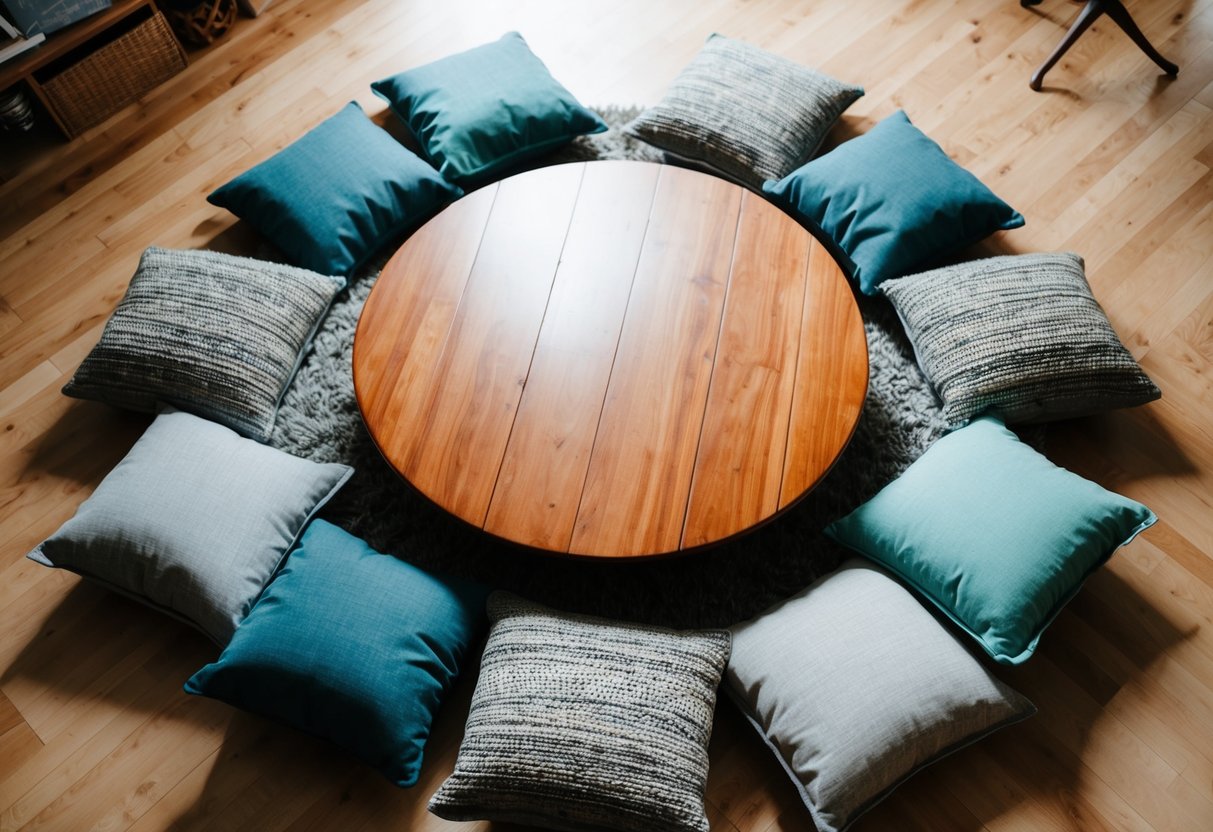
In this arrangement, the layout encourages a “sage on the stage” approach, where the teacher leads the discussion and students absorb information. While it promotes order and easy monitoring, it often restricts collaborative interactions that can enhance the learning experience. Knowing the pros and cons of traditional seating can help you decide what works best for your classroom.
If you want to explore how traditional seating arrangements affect classroom dynamics and learning outcomes, this article will provide insights and alternatives to enhance your teaching methods. By understanding these setups, you can make informed choices for your classroom layout that meet your educational goals.
Historical Context of Traditional Seating Arrangements
Understanding the historical context of traditional seating arrangements helps you appreciate how classroom design has changed over time. This section explores the evolution of classroom design and the specific setup of traditional rows.
Evolution of Classroom Design
Classroom design has evolved significantly over the years. In early education systems, students often sat in large groups or circles to encourage discussion and interaction. This setup allowed for a communal learning environment where ideas could be shared freely.
As education became more structured, the focus shifted to individual learning. Desks and chairs were arranged in straight rows, aiming to minimize distractions. This configuration emphasized the teacher’s authority and put students in a position to listen and learn.
With changes in teaching styles and learning theories, the layout of classrooms continued to change. However, traditional rows remain a common choice in many settings today due to their focus on discipline and organization.
Traditional Rows
Traditional rows are perhaps the most recognizable seating arrangement in classrooms. In this setup, desks are lined up in straight lines, facing the front of the room. This design makes it easy for teachers to manage the class and for students to focus on lectures.
One key benefit of this arrangement is the clear sightlines to the teacher and any instructional materials. It promotes a sense of structure, allowing for efficient lesson delivery. However, it can limit interaction among students.
Many educators still use this model in traditional classrooms, where the goal is often to maintain order and facilitate direct instruction. While newer designs encourage collaboration, traditional rows continue to play a significant role in classroom layouts.
Physical and Psychological Impacts
The arrangement of seating in a classroom can greatly affect students’ ability to engage, participate, and feel safe. Understanding how seating impacts these elements can help create a better learning environment.
Student Engagement and Participation
Your seating arrangement plays a big role in how engaged students feel. When students sit in rows, it can be harder for them to interact with each other or participate in discussions. Conversely, a circular or cluster arrangement encourages conversation and collaboration.
Benefits of a collaborative seating arrangement:
- Fosters peer-to-peer learning.
- Encourages group discussions.
- Helps shy students to feel more included.
When students feel part of a community, they are more likely to participate actively in class. A dynamic setup makes learning enjoyable and encourages students to share their thoughts without hesitation.
Classroom Management and Discipline
Effective seating arrangements can improve classroom management. Placing disruptive students away from each other can reduce distractions and help maintain focus. Assigning specific seats helps you oversee the class more easily.
Key management tips include:
- Strategic placement: Position students based on their behavior and interactions.
- Clear expectations: Establish rules regarding movement and interaction while seated.
When students know that you have considered their seating for better discipline, it can boost respect for classroom norms. This leads to a smoother flow of lessons and less time spent on behavioral issues.
Safety and Accessibility
Safety is a critical concern in any classroom setting. A traditional seating arrangement should allow easy access to exits and be free from obstructions. Rows can provide clear pathways, but you also need to think about students with mobility challenges.
Considerations for a safe classroom include:
- Accessible pathways: Ensure all students can move freely.
- Proper spacing: Avoid crowding to reduce the risk of accidents.
When students feel safe, they are more likely to focus on learning rather than worry about their physical environment. A well-thought-out seating plan contributes to both safety and comfort in the classroom.
Alternative Seating Models
Alternative seating models promote engagement and collaboration in the classroom. These arrangements help students work together and participate more actively. Below are some effective models you can consider.
Clusters and Group Work
Clusters involve arranging desks or tables into small groups. This setup encourages collaboration among students. They can easily share materials and ideas, fostering teamwork.
In a cluster arrangement, you’ll typically have 4-6 students per group. This allows for intimate discussions and project work. You may choose to change groups regularly, which helps students interact with different classmates.
Some advantages include improved communication skills and enhanced problem-solving abilities. Group work can make learning more enjoyable and less isolating for students.
Horseshoe and U-Shape Arrangement
A horseshoe or U-shape arrangement positions desks in a semi-circle. This design lets you face all students and encourages participation. Students can easily see and hear each other, promoting open dialogue.
In this setup, seating on the outer edges allows students to interact comfortably. You can also facilitate group discussions more effectively.
This arrangement is ideal for fostering a sense of community. Students feel more connected, making it easier for them to share their thoughts and ideas.
Flexible Seating Options
Flexible seating options allow you to offer various seating types in your classroom. This can include bean bags, wobble stools, or even standing desks. It caters to different learning styles and preferences.
You can create areas with comfortable seating, tables, or mats for group activities. This gives students freedom to choose what works best for them.
Flexible seating can boost focus and creativity. Students have the chance to move around, which can help with concentration. You might find that some students perform better when they can choose their seating, leading to a more dynamic learning environment.
Assessing Effectiveness and Outcomes
Seating arrangements play a key role in student learning and can impact academic performance. You’ll see how they influence collaboration and help create a strong classroom community.
Influences on Academic Performance
Your choice of seating can directly affect how well students learn. Traditional seating arrangements, such as rows, may limit interaction. This setup can hinder effective learning by isolating students from their peers, leading to less collaboration.
In contrast, arrangements that allow for group work or discussions can boost engagement. Research shows that when students sit close together, they are more likely to share ideas and support each other’s learning.
Key Factors:
- Interaction Levels: Closer seating can lead to increased student-to-student interaction.
- Focus on Tasks: A well-designed layout helps students stay on task and reduces distractions.
Creating a Classroom Community
Seating arrangements influence the classroom dynamic and help build a sense of community. When students sit together in groups, they feel more connected. This setup encourages open communication and teamwork among students.
Creating a welcoming environment is essential for effective learning. You can foster this by arranging desks in clusters or a circle. This layout invites participation and helps students feel more valued.
Community Benefits:
- Enhanced Collaboration: Students who collaborate are more likely to engage in discussions and share insights.
- Trust Building: Close seating fosters trust among classmates, leading to a supportive learning environment.