
What Is a Traditional Wedding Breakfast? Understanding the Celebration and Its Significance
A traditional wedding breakfast is more than just a meal; it’s an important part of your wedding celebration. This meal allows you and your guests to gather, enjoy delicious food, and share in the joy of the day. While the name suggests a morning meal, it’s actually served any time during the day or evening, making it a lovely opportunity to feast with loved ones.
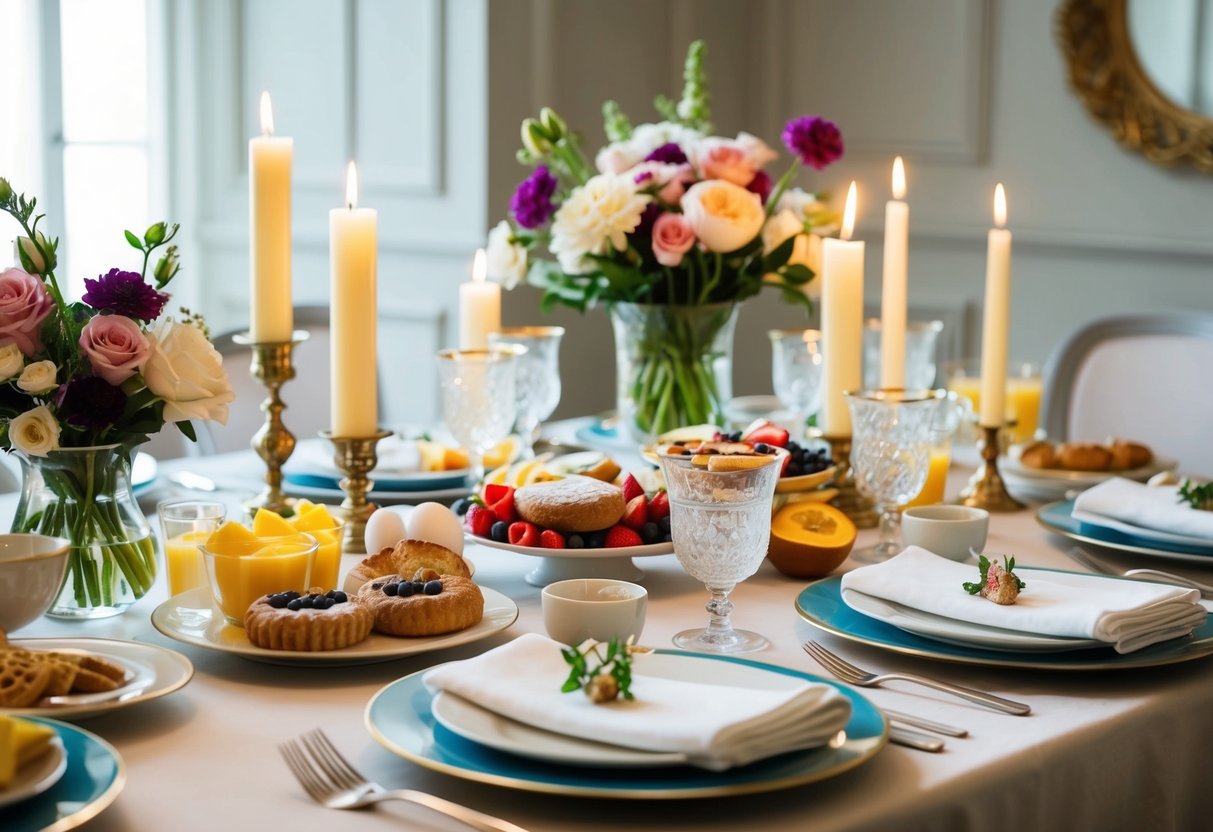
In the past, a wedding breakfast often involved a sit-down meal with multiple courses, showcasing traditional dishes like soup and roast. Today, this celebration can vary from formal to casual, featuring buffets or even food stations that reflect your personal tastes. Whatever your style, the wedding breakfast is a chance to kick off the festivities and create lasting memories with family and friends.
Origins and Evolution of the Wedding Breakfast
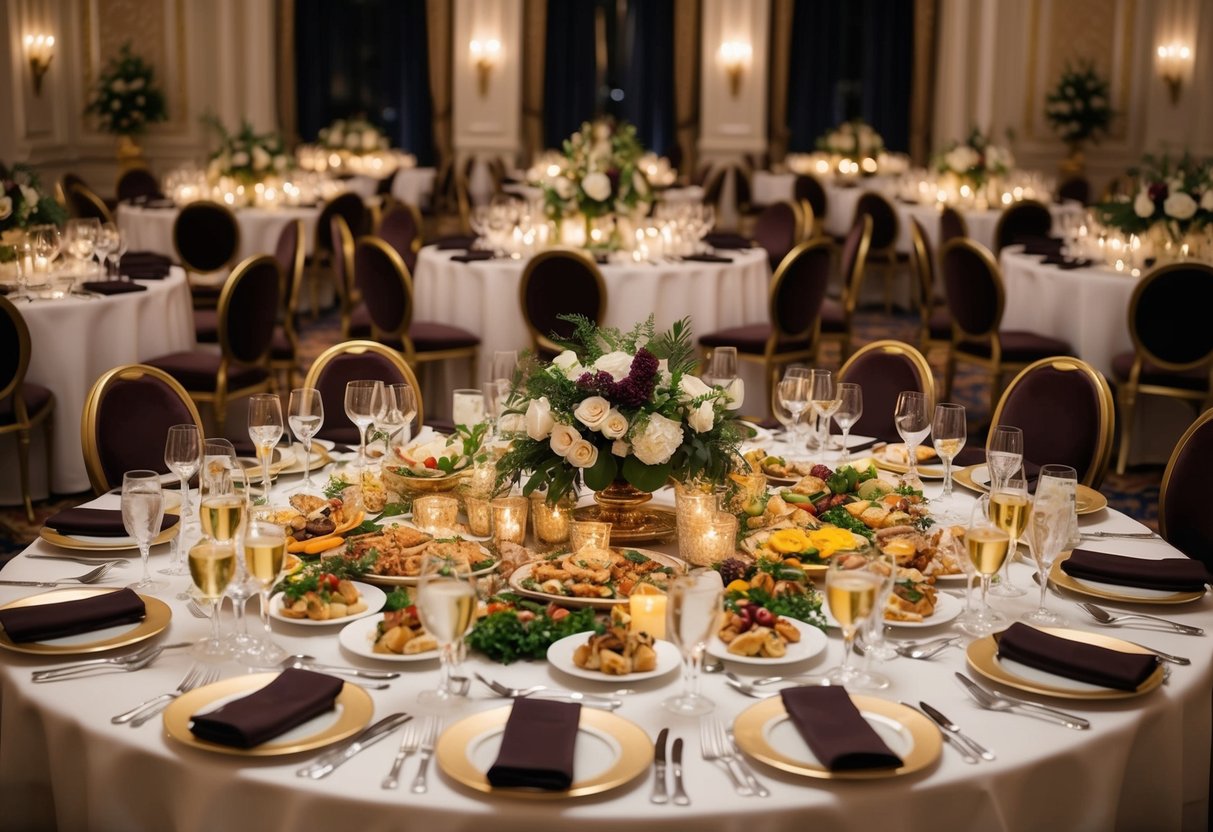
The wedding breakfast has a rich history rooted in tradition. It has evolved from religious ceremonies to a modern celebration enjoyed by couples and their guests today. Understanding its origins helps you appreciate the significance of this special meal.
Historical Background
The term “wedding breakfast” dates back to medieval times in Britain. Traditionally, weddings were often held in the morning, following a church service where couples would partake in the Eucharistic Mass. This meal was the first one the newlyweds enjoyed together after their vows.
Guests celebrated with them, marking the start of their new life. The focus was on community and family. Key dishes often included roasted meats and seasonal vegetables, reflecting local cuisine. This meal held great importance as it symbolized unity.
From Eucharistic Mass to Modern Celebrations
The transition from the holy communion to a wedding breakfast began as society changed. As couples started to marry in the afternoon or evening, the term adapted. Now, the wedding breakfast refers to any formal meal served post-ceremony. In modern weddings, this can range from elegant sit-down dinners to buffets. Each couple personalizes their celebration, choosing dishes that reflect their tastes and backgrounds. This evolution shows how wedding traditions can blend history with personal style, making the day even more special for you and your guests.
Planning Your Wedding Breakfast
Planning your wedding breakfast is an exciting part of your big day. You will focus on choosing the menu, catering to dietary needs, and selecting the right venue to ensure everything goes smoothly.
Choosing the Menu
When choosing the menu, think about what makes you and your partner happy. This meal can be a reflection of your tastes and the style of your wedding.
Consider offering a mix of options, such as:
- Starter: Soup, salad, or a small appetizer
- Main Course: Options like chicken, fish, or vegetarian dishes
- Dessert: A delightful cake or a selection of sweets
It’s also helpful to include a few local favorites that might delight your guests. Aim to create a balance between classic choices and adventurous dishes. Take into account the time of day and the kind of meal you want to serve, whether it be a sit-down or buffet style.
Catering to Dietary Needs
Every guest should feel included at your wedding breakfast. Make note of any dietary requirements you might be aware of, such as gluten-free, vegetarian, or vegan options.
Here are some steps to consider:
- Ask guests in your invitations: You can add a line about dietary needs.
- Communicate with your caterer: Clearly share any dietary restrictions you find out about.
- Label your dishes: At the event, label the menu items so guests can easily identify ingredients.
This attention to detail will help everyone feel at ease and valued during the meal. Catering to different needs makes your celebration even more enjoyable.
Selecting the Wedding Venue
Your venue choice can set the tone for your wedding breakfast. Consider a location that can comfortably accommodate your guest count and the style of meal you want.
Think about these factors when selecting your venue:
- Capacity: Ensure there is enough space for your guests, seating arrangement, and catering.
- Ambiance: Choose a setting that matches your desired wedding theme.
- Accessibility: Make sure all guests can access the venue without difficulties.
Also, ask about venue restrictions concerning catering or alcohol service, as this might affect your planning. A well-suited venue will help create a memorable atmosphere for your special day.
Types of Wedding Breakfasts
When planning your wedding breakfast, it’s great to know the different types available to you. Each option can set the mood and create a memorable experience for you and your guests. Here are some popular styles that suit various tastes and preferences.
The Classic Sit-Down Meal
A classic sit-down meal offers a formal dining experience. This option often features multiple courses, starting with appetizers and moving to a main dish and dessert.
Typically, guests sit at tables with assigned seating, creating an intimate atmosphere. A sit-down meal may include gourmet choices designed by a chef, elevating your wedding to a culinary experience.
It’s common to see traditional dishes like roast chicken, grilled fish, or vegetarian options. You can customize the menu to reflect your tastes and cultural background. Plus, this style allows for heartfelt speeches between courses, enhancing the celebratory feel.
Buffet and Grazing Tables
Buffets and grazing tables provide a relaxed vibe that encourages mingling. These setups allow guests to sample various dishes at their own pace.
A buffet typically features a spread of hot and cold items, such as pastas, roasted vegetables, and salads, making it suitable for various dietary needs. You can craft a visually appealing layout to enhance the atmosphere.
Grazing tables, on the other hand, include an assortment of cheeses, fruits, breads, and meats. This informal style invites guests to snack and socialize throughout the event.
These options work wonderfully for brunch weddings too, with items like pastries, quiches, and fresh fruit.
Innovative Wedding Breakfast Concepts
For those looking to break from tradition, innovative concepts can make your wedding breakfast unforgettable. Food trucks offer a unique twist, allowing you to serve various street food options. Imagine tacos, sliders, or gourmet burgers right at your venue!
Another idea is to host a themed culinary experience, like a sushi station or a pasta bar where chefs prepare dishes on-site. This interactive element can create lasting memories.
You might also consider a brunch-style wedding breakfast, featuring items like pancakes, omelets, or breakfast sandwiches. These fun options can add a modern flair and keep your guests energized throughout the day.
Special Moments Associated with the Wedding Breakfast
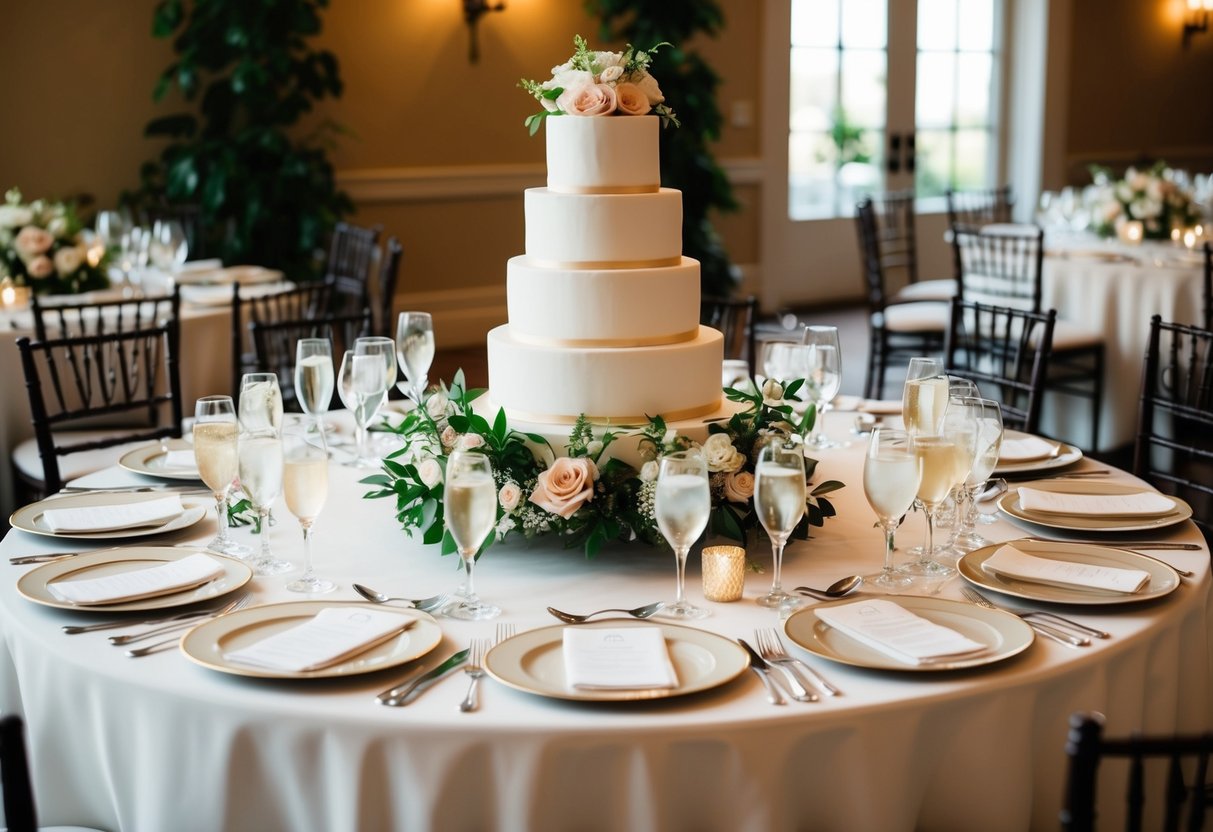
The wedding breakfast is a time for celebration, filled with special moments that bring everyone together. Key highlights during this meal often include heartfelt speeches and the iconic cake cutting ceremony. These moments create lasting memories for both you and your guests.
Wedding Speeches and Toasts
Wedding speeches are a cherished tradition during the wedding breakfast. Typically, the best man, maid of honor, or close family members share their thoughts and stories about the couple. These speeches can be heartfelt, humorous, or a mix of both. It’s a great opportunity to express love and share meaningful memories.
Toasts usually follow the speeches. This moment encourages everyone to raise their glasses in honor of the newlyweds. It’s an icebreaker game of sorts, breaking the formal atmosphere and encouraging laughter and camaraderie among your guests. The speeches and toasts help create a warm, celebratory vibe for the entire event.
Cutting the Wedding Cake
Cutting the wedding cake is another highlight of the wedding breakfast. This tradition symbolizes the couple’s first act of sharing as a married duo. You and your partner will usually do the honors together, showcasing unity and love.
Many couples choose a beautifully decorated cake that reflects their style. The flavors can vary, allowing you to pick something uniquely yours. After the cutting, serving slices of cake to your guests adds an element of sharing and joy to the festivities. It’s not just dessert; it’s a celebration of your sweet beginning together!