
What Is a Virtual Wedding? Exploring the New Way to Celebrate Love Online
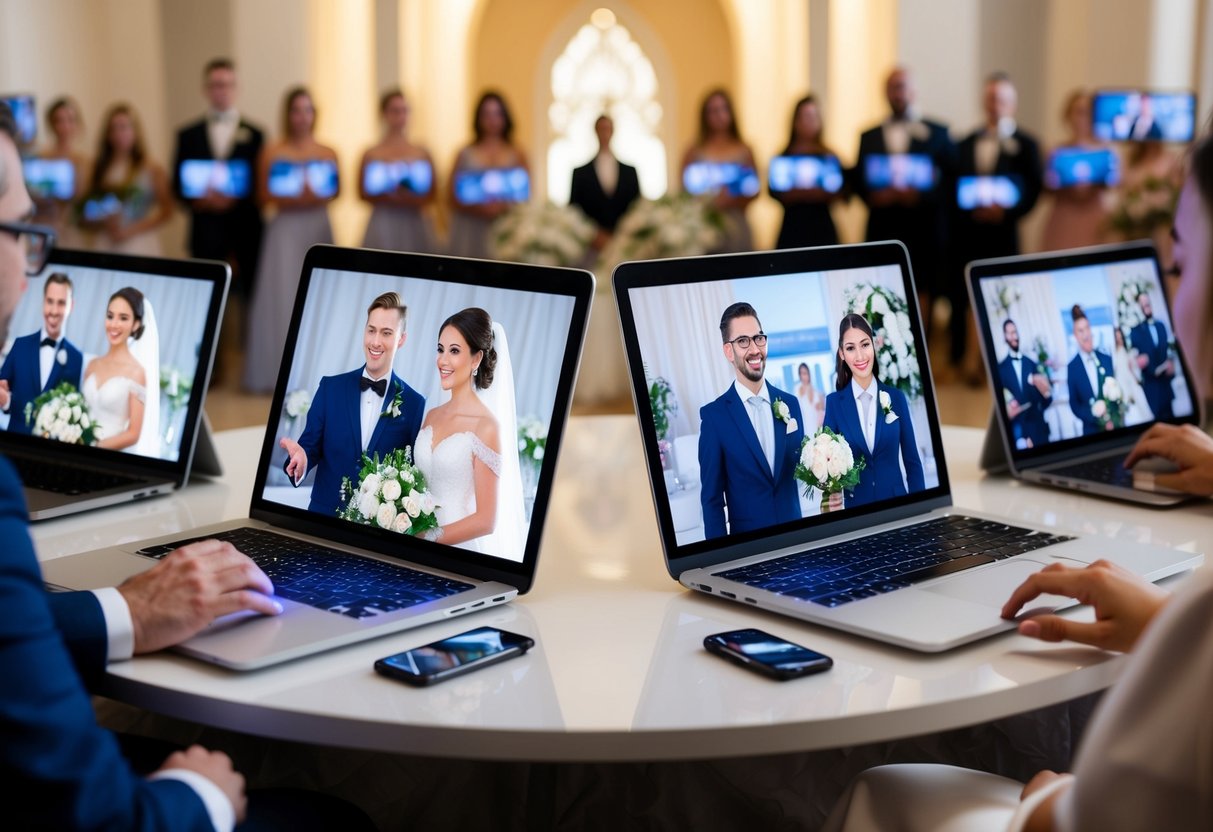
Couples across the globe have embraced virtual weddings, especially during challenging times like the COVID-19 pandemic. A virtual wedding is a ceremony where you can invite your friends and family to celebrate with you remotely. You can use platforms like Zoom, Facebook Live, or other video conferencing tools. This allows you to include remote guests who might not be able to attend in person due to travel issues or health concerns.

As social distancing guidelines have changed how we gather, many couples have turned to live streaming their special day. Whether it’s a simple exchange of vows or a larger celebration, a virtual wedding can be just as meaningful. With the right setup and planning, you can create an unforgettable experience that brings everyone together, no matter where they are.
You can explore unique ways to personalize your virtual wedding, making it a day that reflects your love story. From interactive elements to creative decor shown on screen, you’ll find that a virtual wedding offers many opportunities to connect with your loved ones in new ways.
Planning Your Virtual Wedding

Planning your virtual wedding can be exciting and less stressful with the right approach. You’ll want to focus on selecting a fitting platform, managing guests across time zones, designing unique invitations, deciding if you need a planner, and conducting a thorough test run.
Selecting the Right Platform
Choosing the right platform is crucial for your virtual wedding. Popular options include Zoom, Google Meet, and FaceTime. Each platform has its features, so consider the number of guests and the kind of experience you want to create.
Zoom allows large group calls and offers breakout rooms for smaller chats. Meanwhile, Google Meet integrates well with Google Calendar for easy invites. Make sure to test the platform with family or friends before the big day to ensure everyone is comfortable using it.
Managing Time Zones for Guests
If your guests are scattered across different time zones, careful planning is needed. Start by listing where your guests live. Then, use time zone converters to find the best time for your wedding.
Consider using a tool like World Time Buddy to make this easier. Once you find a suitable time, clearly communicate the time zone in your invitations. This helps avoid confusion and ensures that everyone knows when to log in.
Designing Virtual Invitations
Your virtual invitations set the tone for your wedding. You can go for digital invites that match your wedding theme. Websites like Canva offer easy-to-use templates.
Make sure to include essential details such as the date, time, platform link, and dress code. Adding RSVP options can help you track attendance. Creative touches, like animated invites, can make your guests feel special.
Hiring a Virtual Wedding Planner
If planning feels overwhelming, consider hiring a virtual wedding planner. A professional can handle many details, from platform setup to guest coordination.
Look for planners who specialize in virtual events. They can offer customized ideas and help you create a memorable experience. This allows you to enjoy your day without worrying about the technical aspects or logistics.
Conducting a Test Run
A test run is essential to work out any kinks before your wedding day. Schedule a time to practice with your chosen platform. Then, invite a few close friends or family to join and provide feedback.
During the test, ensure you check audio and video settings. This will help you feel more confident on the big day. Don’t forget to ask participants to try logging in from different devices for compatibility.
Legal Considerations and Documentation
Planning a virtual wedding involves several legal steps that ensure your marriage is recognized. Understanding the necessary documentation and requirements is key to a smooth ceremony. Here are the important aspects you need to consider.
Obtaining a Marriage License
To begin, you need to obtain a marriage license. This document is essential for your wedding to be legally recognized.
- Check Regulations: Each state may have different requirements. Check with your local county clerk for specifics.
- Application Process: You may need to apply in person or online, depending on your county’s rules.
- Required Documents: Bring necessary identification and any fees required.
Once you have your license, it’s important to know its validity period before your virtual ceremony. Typically, licenses are valid for a certain number of days.
Understanding the Role of the Officiant
The officiant plays a crucial role in your virtual ceremony. This person is responsible for conducting the wedding and ensuring it meets legal standards.
- Qualified Officiants: Make sure your officiant is authorized to perform weddings in your state, whether they are a religious leader or a civil official.
- Virtual Ceremony Guidelines: Discuss how they will conduct the ceremony online. Many officiants are now experienced in this area.
Also, the officiant will usually complete and submit your marriage certificate after the ceremony.
Securing Witnesses for Your Virtual Ceremony
In many states, you will need witnesses to validate your marriage. Here’s what you should do:
- Number of Witnesses: Typically, one or two witnesses are required. Check your state’s regulations to be sure.
- Witness Options: Your witnesses can be friends or family who can join the virtual ceremony.
- Documentation: Ensure they have valid identification on hand, as they may need to sign documents during or after the ceremony.
Remember, having your witnesses involved adds a personal touch, making your virtual wedding feel more special, even if it’s an elopement or microwedding.
Technical Setup for a Flawless Experience

To ensure your virtual wedding goes smoothly, pay special attention to the technical setup. Reliable internet, good lighting, and clear sound all contribute to a great experience for you and your guests. Here’s how to make everything shine on your big day.
Ensuring Reliable Internet Connection
A strong internet connection is crucial for a successful virtual wedding. You should aim for a minimum speed of 5 Mbps for both upload and download. To test your speed, use websites like Speedtest.net.
Tips for Connection:
- Connect directly through an Ethernet cable. This often provides a more stable connection than Wi-Fi.
- Test your connection in advance. Try a rehearsal video call with friends or family to ensure your connection holds up.
- Consider having a backup plan. If possible, have a second device ready in case a connection issue arises.
Setting up Optimal Lighting and Sound
Lighting and sound can make or break your ceremony. Natural light works wonders, but you can enhance it further.
Lighting Tips:
- Position yourself facing a window for soft, even lighting.
- If using artificial lights, use soft box lights or ring lights to minimize harsh shadows.
Sound Quality:
- Use an external microphone for better audio clarity. Built-in mics often pick up background noise.
- Consider a sound check before the event. This ensures your voice carries well to all guests.
Choosing Virtual Backgrounds
Your virtual background should reflect your wedding’s theme. It sets the mood and makes the event unique.
Background Ideas:
- Use a digital background that complements your color scheme. Platforms like Zoom allow you to upload custom images.
- For a personal touch, create a background featuring your favorite place or a memorable moment.
Tips for Using Backgrounds:
- Ensure the background is not too busy. This can distract guests from the main event.
- Test your chosen background during rehearsal to check for any visual issues.
Making the Day Special for Everyone Involved

A virtual wedding offers a chance to connect with loved ones from afar. You can enhance the experience by focusing on key elements that make the day memorable for everyone involved.
Creating a Wedding Website
A wedding website is a great way to keep everyone informed. This site can include details about the ceremony, guest lists, and links to the virtual platform you will use.
You can also share your love story, photos, and wedding registry information. To make it inviting, choose a theme that reflects your style. Don’t forget to add an RSVP section so you can keep track of who will be joining your big day!
Personalizing Your Virtual Space
Your virtual wedding space should feel personal and special. Start by picking a beautiful background for your video call. You might use a unique setting or decorate with flowers, lights, or photos of special moments.
Consider using props that represent you as a couple or have special meaning. These touches will make your ceremony feel more intimate. Make the space comfortable for both you and your guests so everyone can enjoy the experience.
Involving Guests in the Celebration
Involving your guests can create a sense of unity. Start by sending out digital invitations that include interactive elements. You can ask guests to share a favorite memory or photo ahead of time.
During the ceremony, encourage guests to participate. You might have a virtual toast or allow guests to send live messages. These small actions can make everyone feel connected, even from a distance.
Capsuling Memories with a Virtual Guest Book
A virtual guest book is a wonderful way to capture memories. You can set up an online platform where guests can leave their wishes and thoughts.
This can be a simple text box or a creative video message feature.
Consider adding questions for guests to answer. Questions like “What’s your favorite memory with us?” can lead to heartfelt messages.
After the wedding, you can save these messages as a keepsake to cherish for years to come.