
What is a Wedding Planner Also Called? Discover Alternative Titles and Roles
When planning your big day, you might wonder what to call the professional who helps make it all happen. A wedding planner is also referred to as a wedding consultant, wedding coordinator, or event planner. Each of these titles highlights a different aspect of their role in bringing your vision to life.
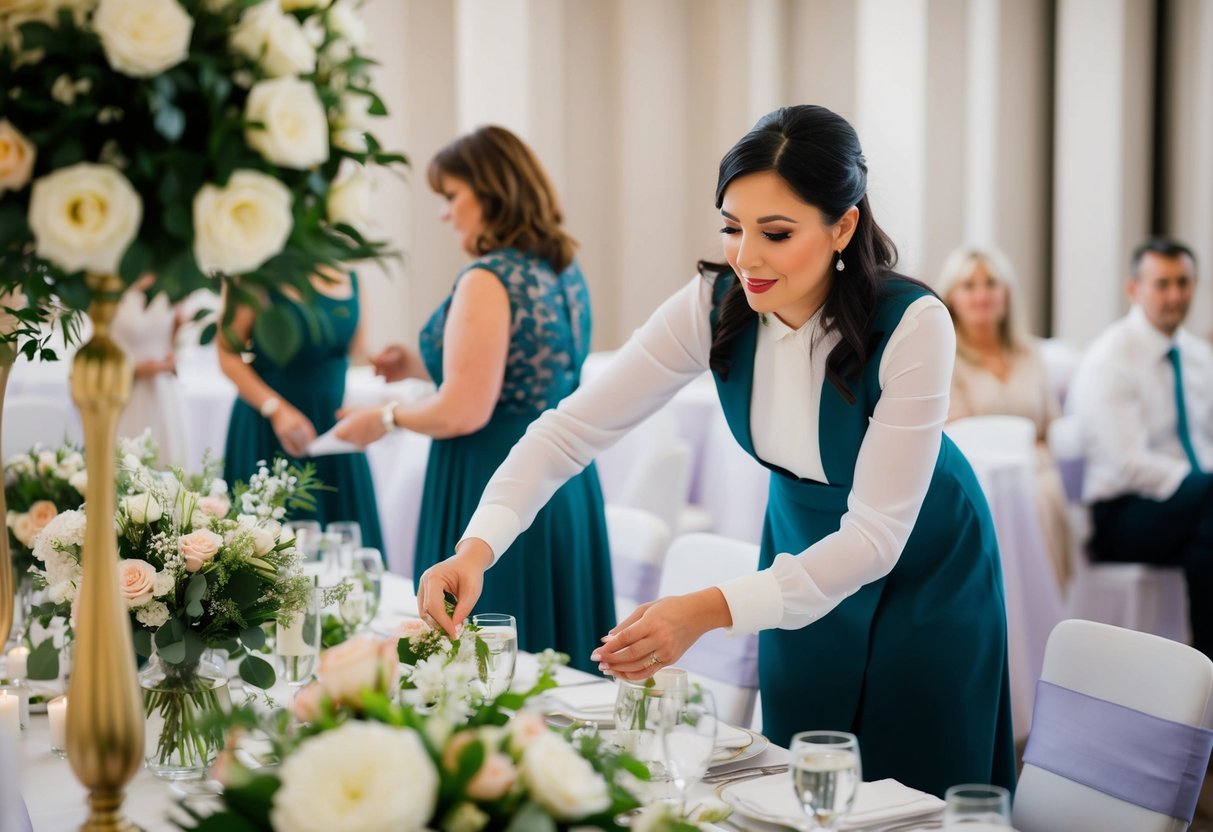
These experts take on various tasks, from managing schedules to coordinating vendors, ensuring that everything runs smoothly on your special day. Whether you need someone to help with the overall design or just the day-of details, there’s a title that fits their expertise perfectly.
Understanding these terms can help you find the right person for your needs. The right wedding planner or consultant can turn your dreams into reality, allowing you to enjoy your celebration without stress.
Defining the Wedding Planner Role
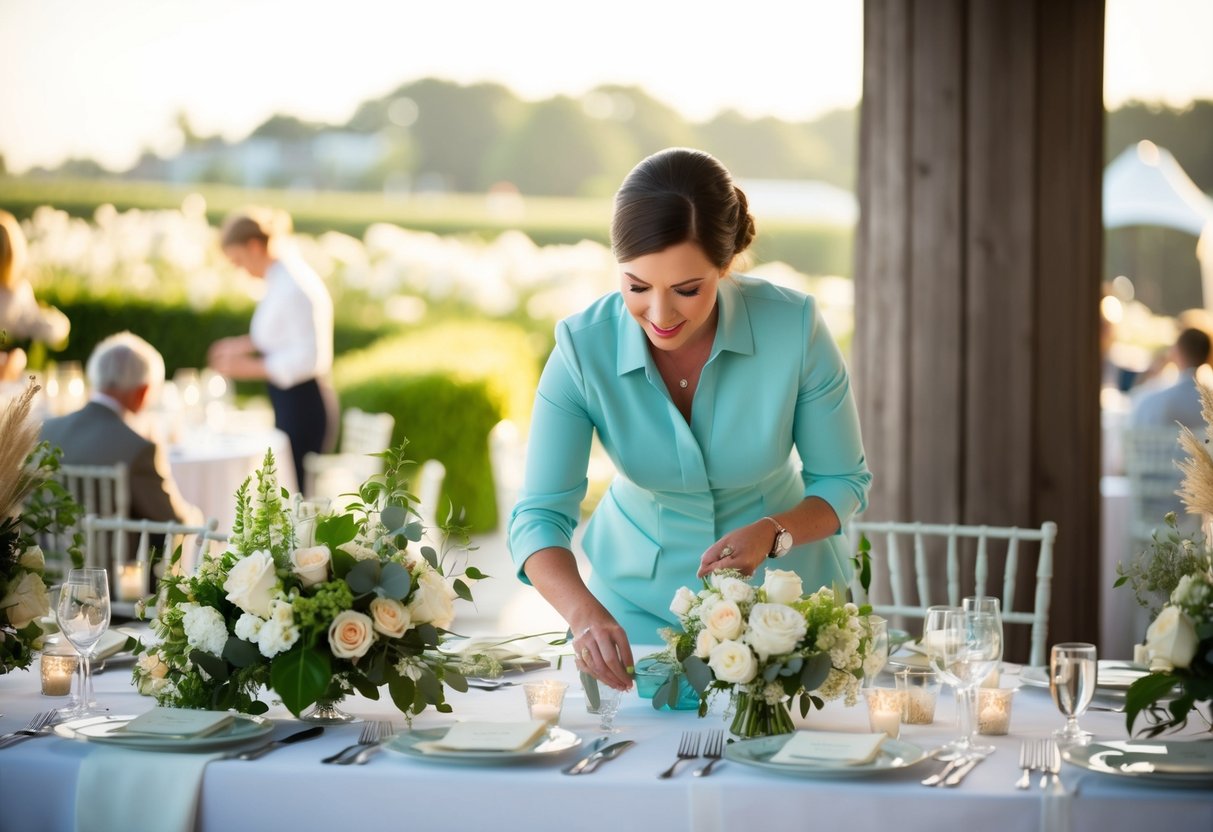
Understanding what a wedding planner does along with their various title options is essential in planning your special day. Different professionals offer various services tailored to your needs, ensuring a smooth experience.
Titles and Tasks of Wedding Professionals
A wedding planner can go by many names. Common titles include wedding consultant, wedding designer, and day-of wedding coordinator.
- Wedding Planner: This term often refers to a full-service planner. They manage everything from start to finish.
- Wedding Consultant: Focuses on providing advice and support. They help you make important decisions.
- Wedding Designer: Concentrates on the aesthetic aspects, creating a beautiful theme and decor.
- Day-of Wedding Coordinator: Takes control on the wedding day, ensuring everything runs smoothly.
Each role carries specific tasks, so knowing which title aligns with your needs helps in making the right choice.
The Spectrum of Planning Services
Wedding planning services range from full-service options to more limited assistance.
-
Full-Service Wedding Planner: They handle all details, including budgeting, venue selection, and vendor management.
-
Destination Wedding Planner: Specializes in planning weddings at remote locations. They understand the unique challenges involved, like travel arrangements and local vendors.
-
Day-of Coordinator: Perfect if you want to handle planning yourself. They step in to manage the timeline and vendor coordination on your wedding day.
With these options, you can choose how much help you need to make your day perfect.
The Planning Process
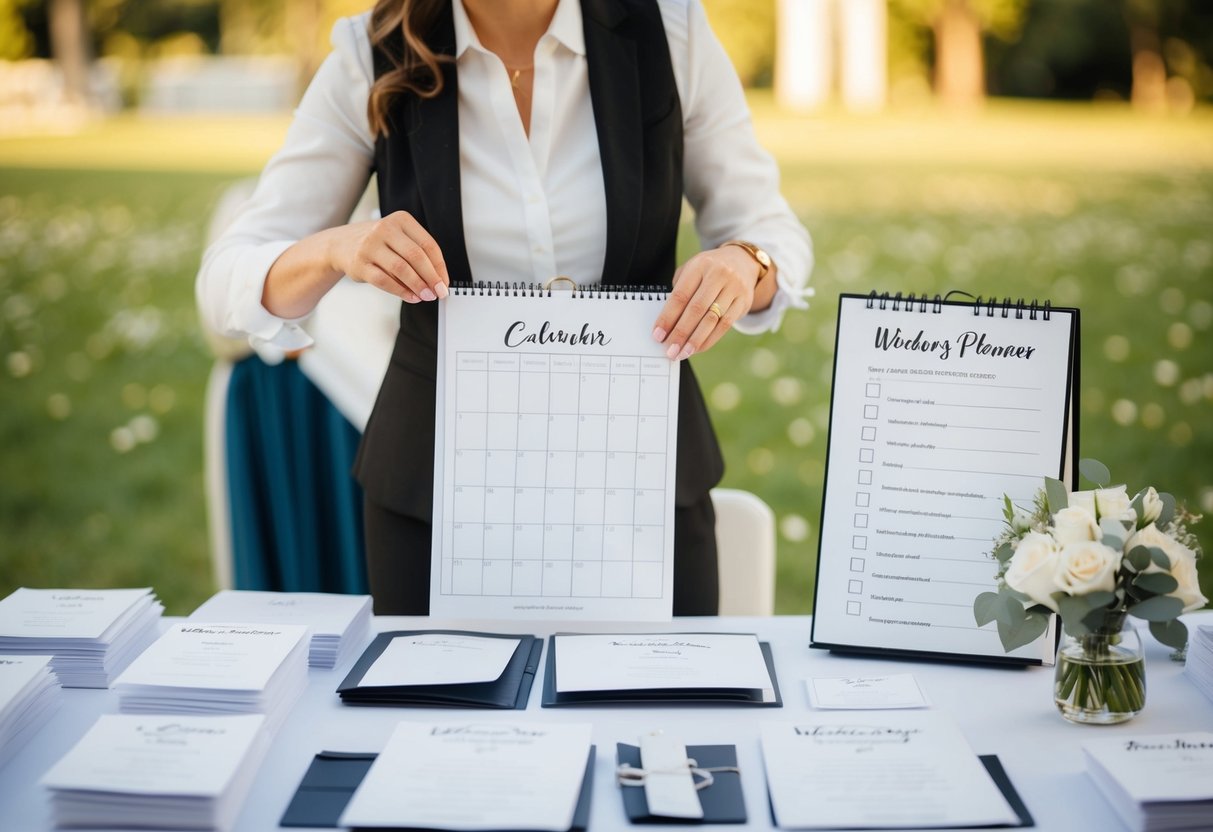
Planning your wedding is an exciting journey that involves several important steps. From the initial consultation to the day-of coordination, understanding these stages will help you feel more prepared and confident.
Initial Consultation and Vision
During the initial consultation, you will discuss your vision with your wedding planner. This is the time to share your dreams for the big day, including themes, colors, and styles. Your planner will help you establish a wedding timeline, ensuring everything runs smoothly.
You might create a mood board together to capture your ideas. This board can include images, fabrics, and color samples. Your planner will also discuss your budget and provide recommendations for venues and vendors that align with your vision. This step is crucial as it sets the tone for the entire planning process.
Organizing and Coordinating Events
Once you have a clear vision, the next step is organizing all the events leading up to your wedding. Your planner will assist you in creating a detailed wedding timeline.
This includes scheduling key meetings with vendors—like florists, photographers, and caterers—and planning events such as engagement parties or bridal showers.
The planner will help coordinate the layout of your event to determine the best setup for seating and decorations. They’ll ensure each aspect, from the ceremony to the reception, flows well.
Day-Of Coordination Details
On your wedding day, your planner is your best ally. They handle all the day-of coordination details, making sure everything meets your expectations.
This includes managing the wedding day timeline, ensuring each event starts and ends on time. Your planner will oversee vendor arrivals and coordinate the setup, so you don’t have to worry about last-minute changes.
If any issues arise, your planner will resolve them discreetly. This allows you to enjoy your special day without stress. Their expertise in event design makes everything look beautiful and cohesive, tying your entire vision together.
Choosing the Right Planner

Selecting the right wedding planner is crucial for a smooth planning experience. Different types of planners offer various services based on your needs. Understanding these options will help you make an informed choice.
Understanding Different Services
When you consider hiring a wedding planner, it’s important to know the types of services they provide. A full-service planner helps you with every detail of your wedding, from budgeting to coordinating vendors. This is great if you want help throughout the entire planning process.
Alternatively, a month-of wedding planner steps in closer to the wedding date. They finalize details and ensure your plans go smoothly on the big day. If you prefer to do much of the planning yourself, this option can save time and reduce stress.
You might also consider planners who offer specialized services. Some may focus on specific types of weddings, like destination weddings or themed events. This can be a good fit if you have a unique vision for your day.
Comparing Wedding Planners and Coordinators
Many people confuse wedding planners with wedding coordinators. While both help manage the event, their roles differ. A wedding planner usually takes on more comprehensive tasks, including budgeting and vendor selection.
In contrast, a wedding coordinator often focuses on the logistics during the event itself. They ensure everything runs smoothly on the wedding day, managing timelines and overseeing vendors. If you want to engage in the planning and need just day-of support, a coordinator may be your best choice.
Consider your needs, comfort level, and budget when making your decision. Taking wedding planning courses can also be beneficial if you want to learn more about the process, allowing you to collaborate more effectively with your planner or coordinator.
Managing Logistics and Relationships
Planning a wedding involves balancing many details, especially vendor coordination and ensuring a smooth wedding day. Here’s how to effectively manage these important parts of the process.
Vendor Coordination and Contracting
Finding the right vendors is crucial to staying within your wedding budget. Your planner can provide valuable vendor referrals based on your style and preferences. They’ll help you gather options for everything from caterers to photographers.
Once you have your list, your planner assists with contract negotiations. They ensure you get fair terms and help avoid misunderstandings later.
Here’s a quick checklist for vendor coordination:
- Research and recommendations: Gather initial options.
- Meetings: Schedule interviews or tastings.
- Contracts: Review terms carefully before signing.
With these steps, you can feel confident in your choices and budget.
Managing the Wedding Day
On the wedding day, your planner will oversee all logistics. This way, you can focus on enjoying the moment. They will coordinate wedding decor setup and ensure each vendor arrives on time.
Your planner will act as the main point of contact. They will resolve any issues that arise without bothering you. They will also create a timeline and share it with vendors, so everyone is on the same page.
Important things to remember include:
- Timing: Stick to the schedule for a smooth flow.
- Communication: Keep all vendors informed of changes.
With your planner managing these details, you can relax and make beautiful memories.