
What Is a Wedding Without Religion Called? Understanding Secular Ceremonies
A wedding that focuses on love and commitment without any religious elements is often referred to as a non-religious wedding. These ceremonies can vary widely, allowing couples to create a unique and personal experience that reflects their values and beliefs. If you’re considering a celebration that doesn’t include traditional religious practices, you might explore options like a secular ceremony or a civil ceremony.
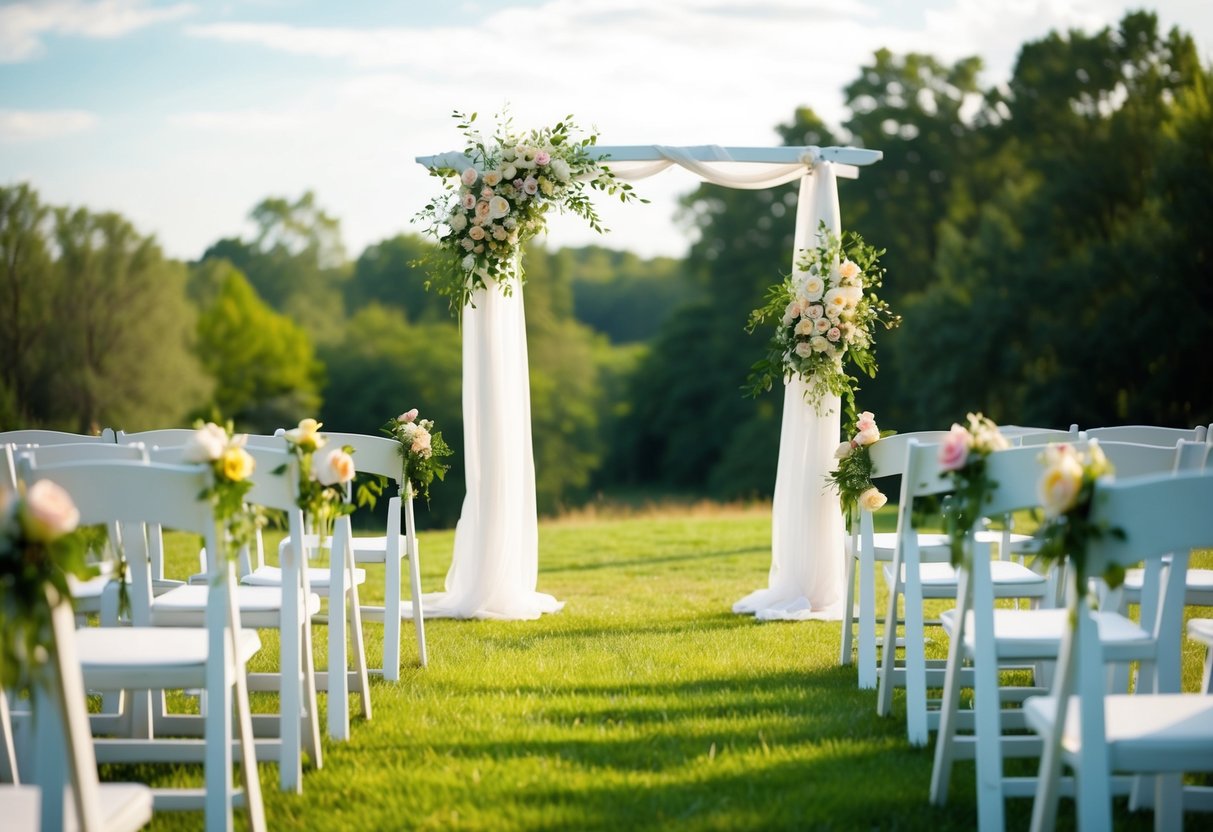
In a non-religious wedding, the focus remains on the couple, not on religious rituals. You have the freedom to include meaningful vows, readings, or symbolic acts that resonate with your relationship. This approach lets you celebrate your union in a way that feels authentic to you, surrounded by family and friends.
By choosing a non-religious wedding, you embrace a celebration filled with love and joy while leaving behind the conventions that don’t resonate with you. Get ready to discover the countless ways you can make your special day truly yours!
Planning Your Non-Religious Wedding
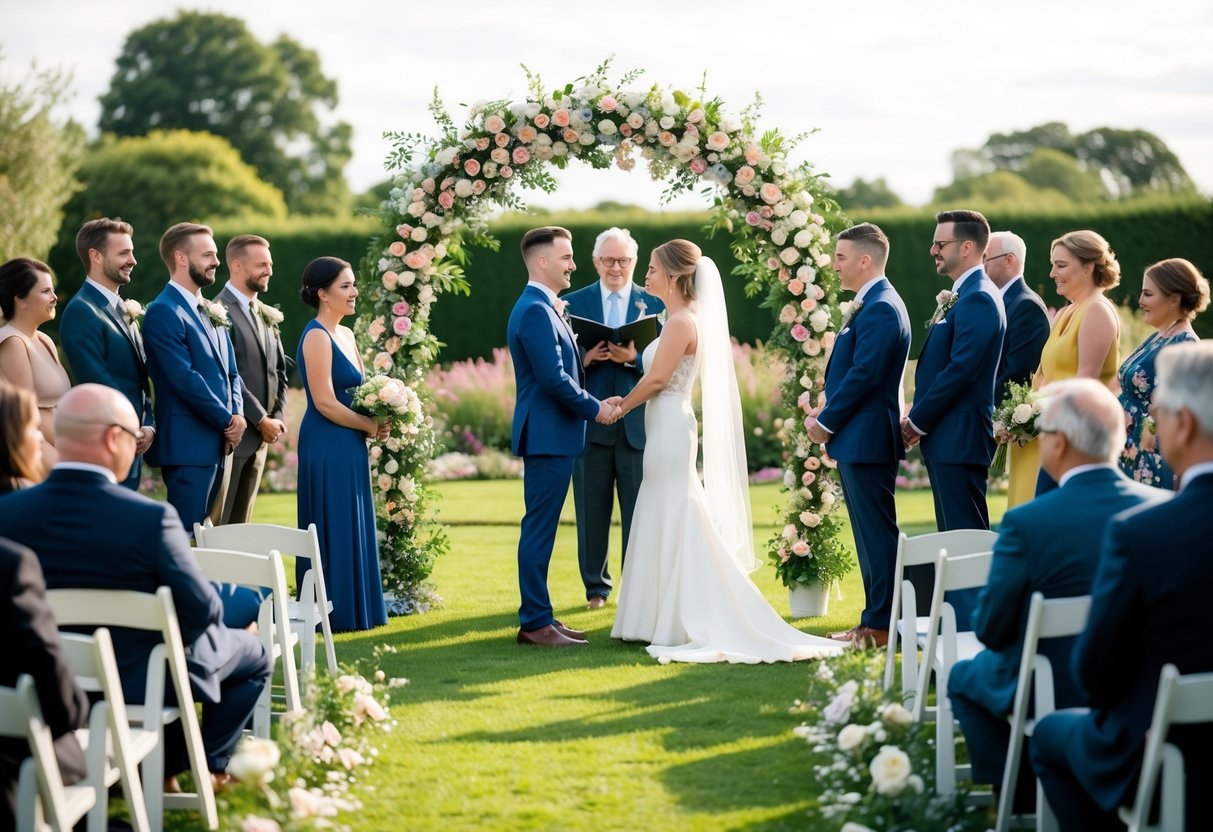
Planning a non-religious wedding involves thoughtful choices that reflect your values and style. Key areas to focus on include selecting the perfect venue, crafting personalized vows, and choosing an officiant.
Choosing the Perfect Venue
Selecting the right venue sets the tone for your wedding. Consider venues that resonate with you, like parks, beaches, or charming restaurants. Make a list of options that fit your budget, and visit them to feel the atmosphere.
Think about your guest count and accessibility. A smaller, intimate venue may suit a cozy gathering, while a larger space is great for inviting more friends and family. Don’t forget to ask about any restrictions on décor or outside services.
Crafting Personalized Vows
Writing your own vows adds a personal touch to your ceremony. Begin by brainstorming what love means to you. Reflect on special memories and what you admire about your partner.
Keep your vows genuine and heartfelt. Aim for a balance of humor and sentiment. Remember, these words are about your bond. Practice delivering them to ensure you feel comfortable and confident on the big day.
Selecting a Wedding Officiant
Choosing an officiant is crucial for a meaningful ceremony. Look for someone who resonates with your vision for a non-religious event. Research potential officiants in your area, and check reviews and recommendations from friends.
Set up meetings to gauge their style and approach. Ask about their experience with non-religious ceremonies. A good officiant can help guide you in writing your vows and structuring the ceremony. This ensures a personal and memorable experience for you and your guests.
Ceremony Details
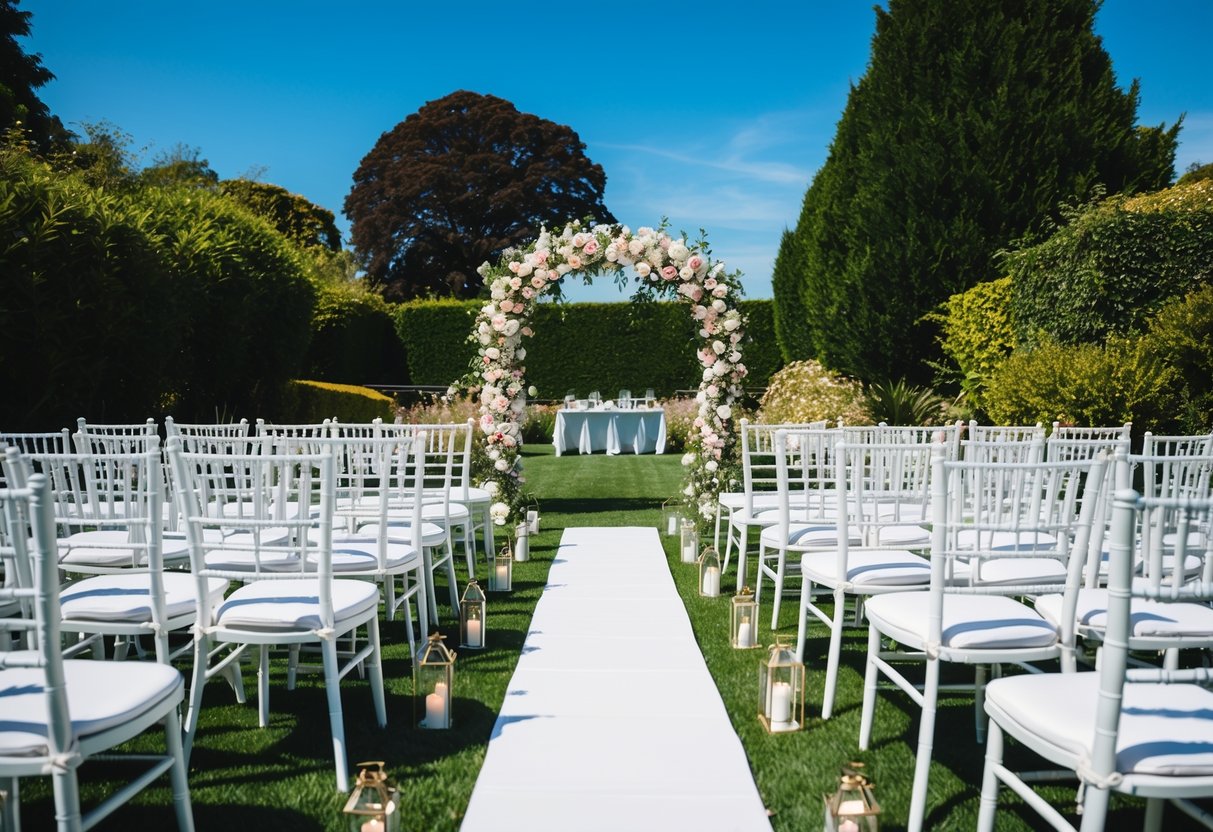
In a non-religious wedding, the ceremony focuses on the couple’s love and personal beliefs. You can include meaningful traditions while keeping it secular. Here are key elements that shape your special day.
The Processional and Recessional
The processional is the entrance of the wedding party. You can decide how you want this moment to unfold. Typically, the bride either walks down the aisle solo or with a loved one. You might also have friends or family walking ahead as part of the wedding party.
As you make your way to the front, consider including personal touches like special songs or readings that reflect your relationship.
The recessional follows the “I do’s” and marks the end of the ceremony. This is when the couple walks out together, often with upbeat music. You can include your wedding party and family, celebrating the moment as you all exit with joy.
Exchanging Vows and Rings
Exchanging vows is one of the most intimate parts of the ceremony. Here, you express your love and commitment in your own words. You might want to write personalized vows that highlight your relationship, making the moment unique.
After the vows, the ring exchange symbolizes your promises. Rings are often given with a few words that signify your love. You might say something like, “With this ring, I thee wed.”
These moments truly connect you and your partner, reminding you both of this special commitment.
Unique Ceremony Rituals
In non-religious ceremonies, adding unique rituals can make your wedding special. Popular options include a unity candle, where you light a single candle together, symbolizing your new life as a couple.
Another choice is handfasting, which involves tying your hands together with a ribbon, representing your union. You can also choose a sand ceremony, where each partner pours different colored sand into a single container, signifying the blending of your lives.
These rituals bring a personal touch to your ceremony, allowing you to reflect your story and values together.
Inclusive Celebrations
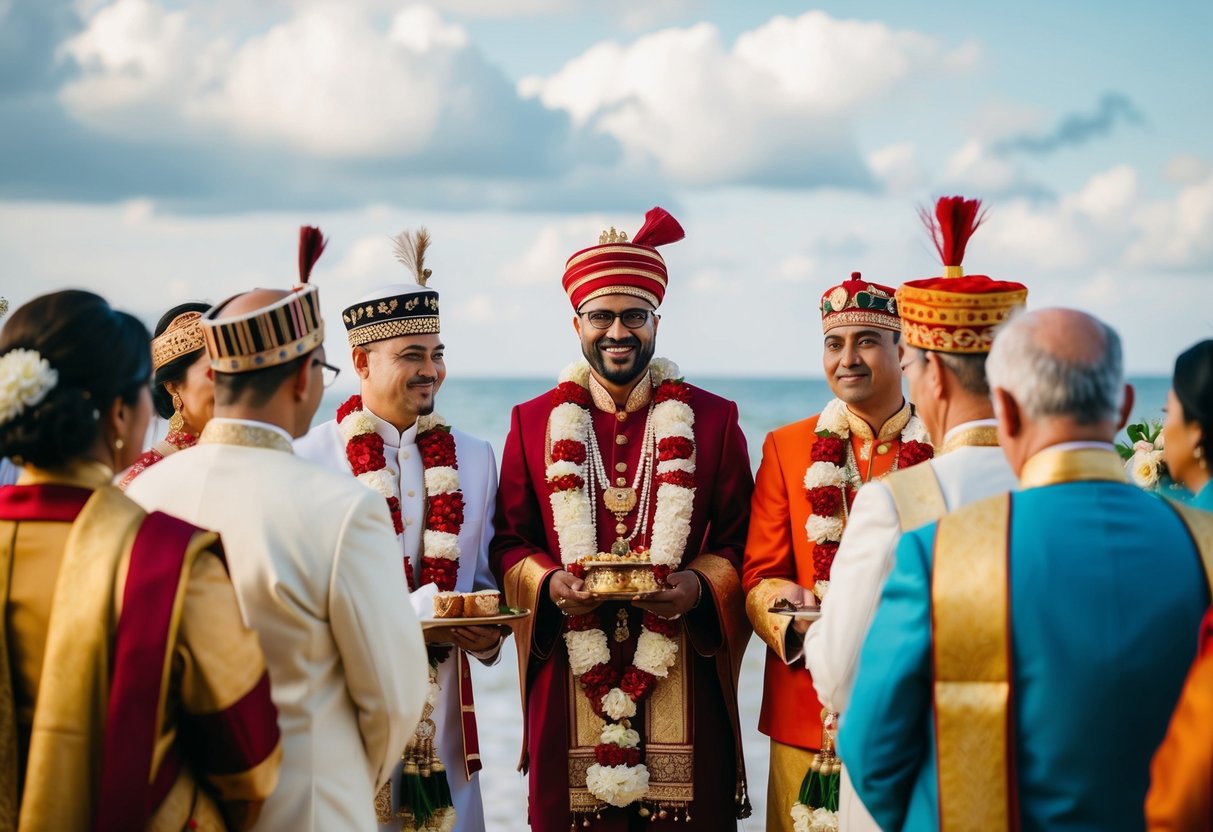
Planning a wedding without religious elements allows you to design a ceremony that embraces personal values and cultural backgrounds. You can blend family traditions with unique elements that represent your relationship.
Embracing Cultural and Family Traditions
When you plan your non-religious wedding, think about the cultural traditions that matter to you and your partner. You can incorporate meaningful rituals from your backgrounds, such as traditional dances or special family recipes.
Examples of cultural elements to consider:
- Cultural attire: Wear traditional clothing that honors your heritage.
- Family heirlooms: Include items passed down through generations for added significance.
- Rituals: Adapt practices like unity ceremonies or handfasting to symbolize your connection.
These traditions add depth and personalization to your day while respecting family expectations, making everyone feel appreciated.
Fostering an Atmosphere of Inclusivity
Inclusivity is central to a non-religious wedding. You have the chance to create an environment where all guests feel welcome, regardless of their belief systems.
Ways to foster inclusivity include:
- Personalized vows: Share your love story in a way that resonates with everyone.
- Diverse guest list: Invite friends and family from various backgrounds to celebrate your union.
- Ceremony tone: Choose a light-hearted or serious tone based on your preferences, making everyone comfortable.
By thoughtfully designing your gathering, you promote a shared experience that honors love and commitment. Whether it’s through a humanist wedding ceremony or non-traditional elements, you can make your day memorable for all.
After the Ceremony
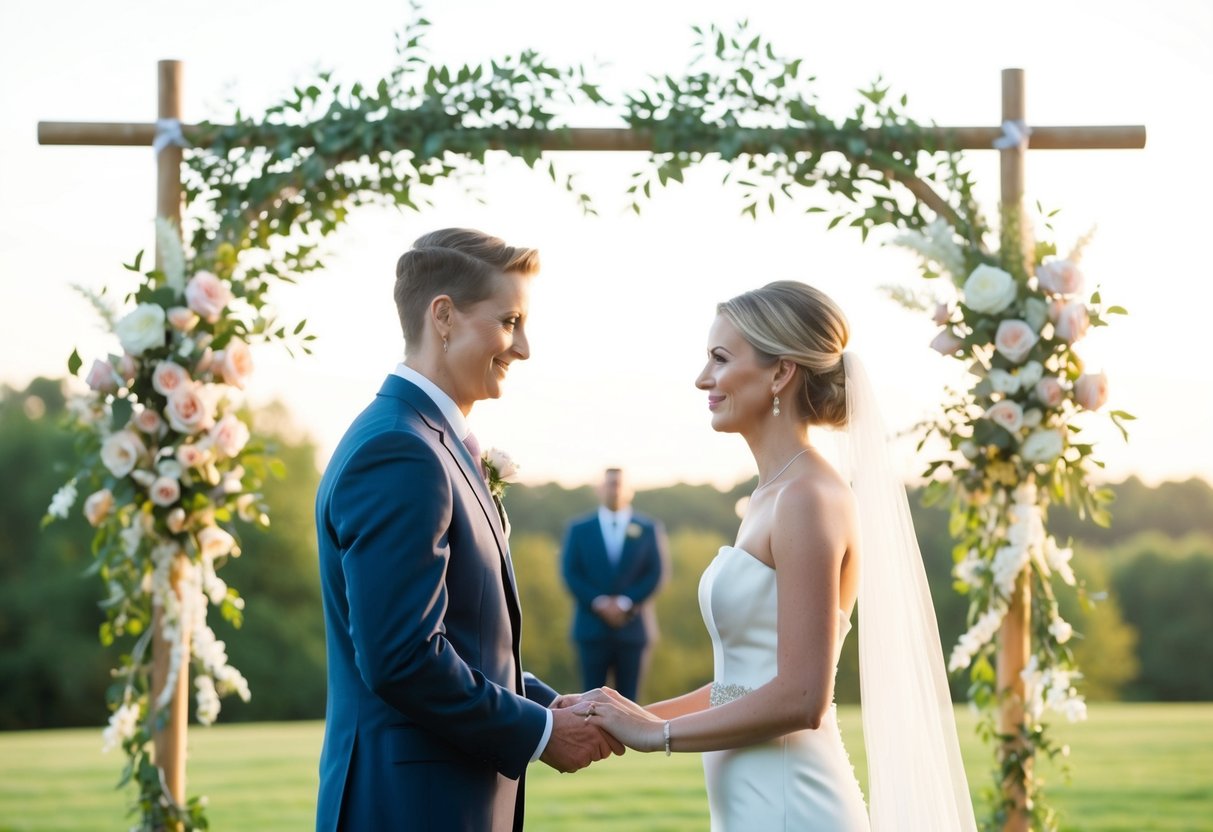
After your wedding ceremony, there are many exciting ways to celebrate your love and commitment. You can make this time special by incorporating your unique style and preferences.
Exploring Various Options for Celebration
Several options are available for celebrating a non-religious wedding. You might choose a civil wedding at a local courthouse. It is simple and legal. This can be combined with a personal touch, like reading your wedding vows to each other in a nearby park.
Another option is an elopement. This is a great choice if you want an intimate ceremony with just the two of you. You can choose a beautiful location and create a memorable love story that’s entirely yours.
For those who prefer a larger gathering, consider a reception. You can fill it with special wedding traditions that reflect your journey together. Exchanging rings during this celebration can symbolize your commitment in a meaningful way.
Make sure whatever you choose represents your relationship and the love you share. The key is to enjoy this joyous occasion with your partner and close friends and family.