
What is Another Name for a Wedding Officiant? Exploring Alternative Titles and Roles
When planning a wedding, you might wonder what to call the person who officiates the ceremony. A marriage celebrant is another name for a wedding officiant. This title is sometimes used to describe those who have the authority to perform the legal act of marriage, whether in a religious or secular setting.
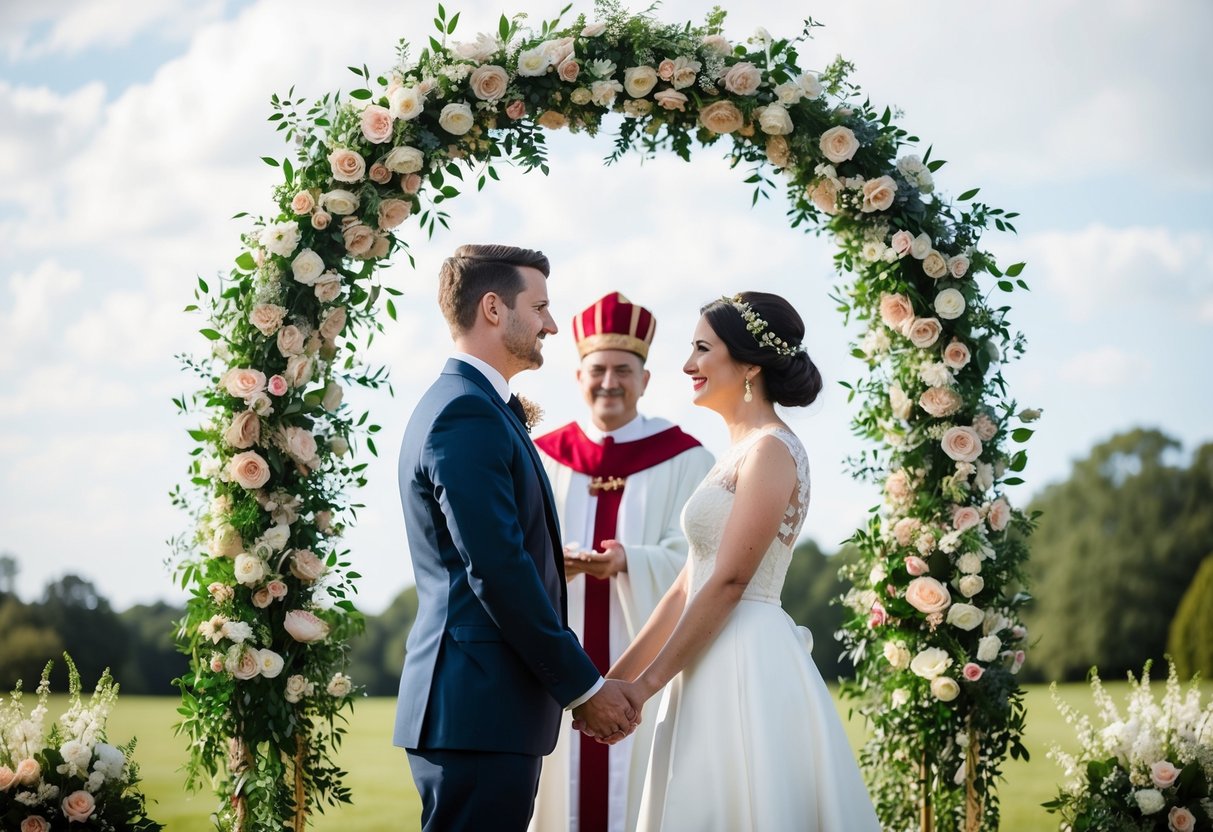
You might also encounter other terms like minister, registrar, or marriage commissioner. Each of these roles can vary based on location, tradition, and personal choice, giving couples a range of options to consider when selecting the right person to lead their special day. Understanding these terms can help you feel more confident as you make your wedding plans.
Titles and Roles of Wedding Officiants
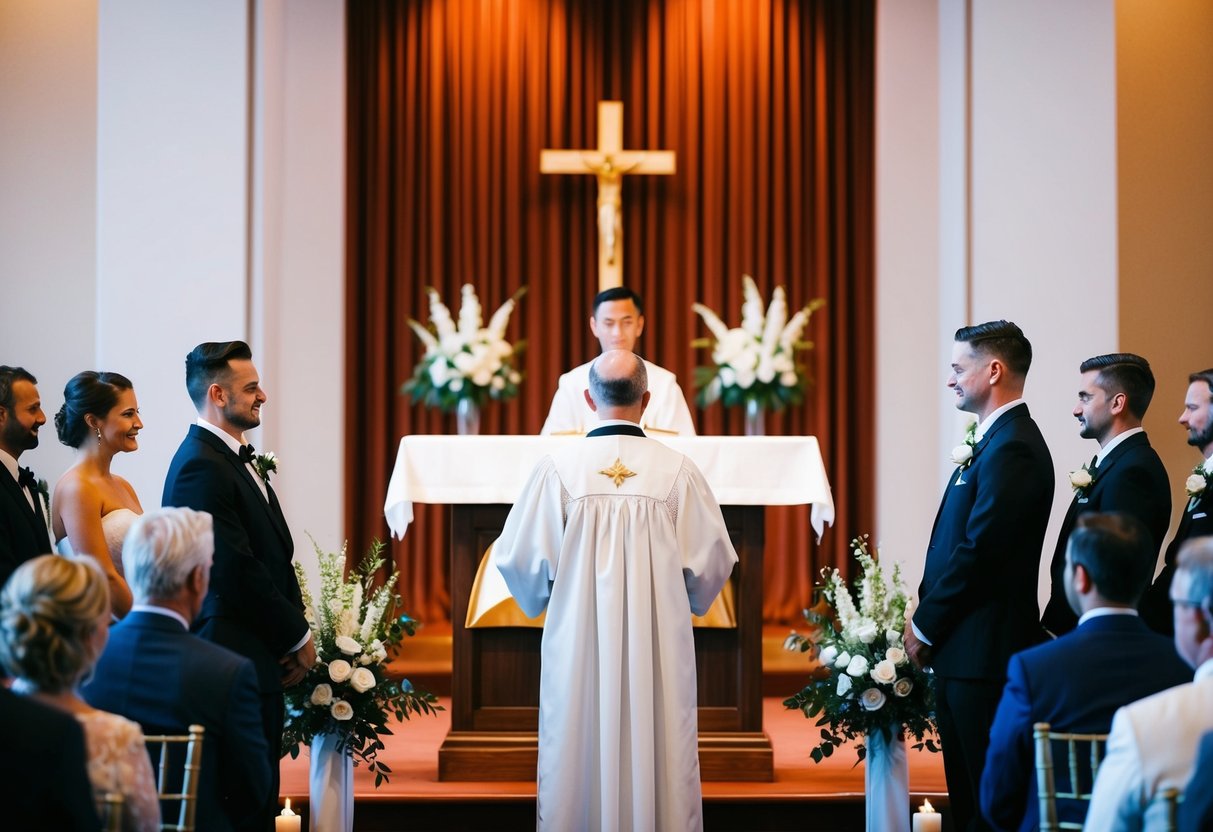
When planning a wedding, understanding the titles and roles of officiants is important. Different types of officiants bring unique perspectives, traditions, and legal standings to your ceremony. Here are the primary categories you might encounter.
Religious and Spiritual Leaders
Religious officiants often hold specific titles like minister, priest, rabbi, or imam. They lead ceremonies based on their faith traditions. If you choose this route, you may want to discuss personalized vows that align with your beliefs.
These leaders often guide couples through pre-marital counseling and help design a ceremony that reflects their faith. They may also include rituals or readings significant to their religion, enhancing the spiritual atmosphere of the event. Whether you seek a pastor for a Christian wedding or a rabbi for a Jewish ceremony, each officiant brings a unique touch to your special day.
Civil Officiants
Civil officiants, including judges and mayors, perform marriages without religious connotations. Their primary role is to legally recognize your union. If you want a straightforward ceremony, a civil officiant might be the right choice.
They often work through local government offices and may have specific requirements to fulfill your marriage license needs. When selecting a civil officiant, you should verify their ability to provide the legal groundwork necessary for your marriage. This option is perfect for couples wanting a more secular ceremony while still ensuring their marriage is legally binding.
Specialized Celebrants
Specialized celebrants are professionals who create personalized wedding ceremonies tailored specifically to you. They are trained in various denominational practices and can blend multiple traditions to reflect your unique story.
These officiants allow your creativity to shine, often incorporating personal stories, cultural elements, or even favorite quotes that matter to you. Whether celebrating unique traditions or simply wanting a fun ceremony, specialized celebrants can help. They are great if you want an event that feels completely yours while still being meaningful and memorable.
Legal Authorities
Legal authorities, such as judges or notary public, primarily focus on the legal aspects of marriage. They ensure that all legal requirements are met so that your marriage is recognized by law.
Hiring a legal authority might be important if you’re aiming for a straightforward and official marriage. They can often guide you through paperwork, ensuring all is completed correctly. This is essential for obtaining your marriage license, which validates your commitment as a couple.
Having a legal authority involved ensures that nothing is overlooked on this important day.
The Wedding Ceremony Process
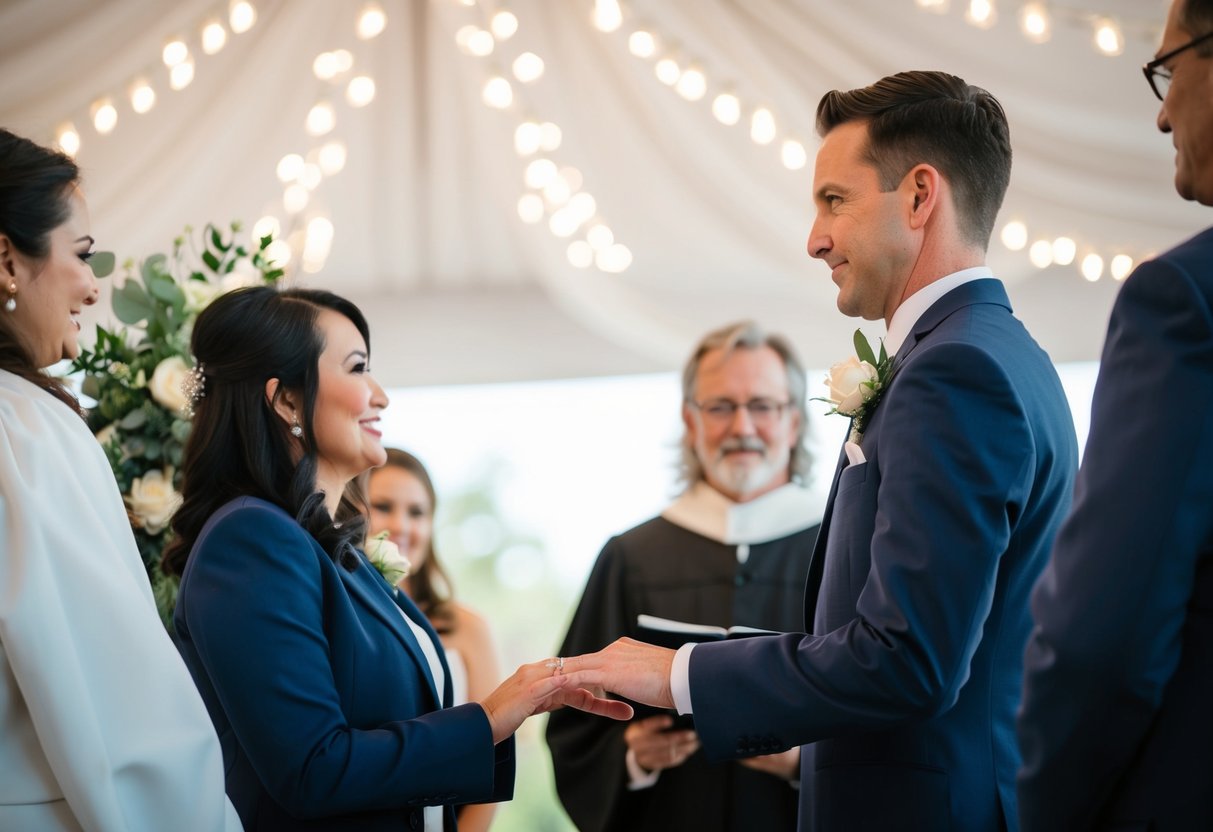
The wedding ceremony is an essential part of any marriage celebration. It includes important steps both before and during the event that help create a meaningful experience for you and your loved ones.
Pre-Ceremony
Before the actual ceremony, there are several key tasks to complete. First, ensure you obtain your marriage license. This is often required by law and needs to be signed by your officiator.
You might also want to choose an officiant who aligns with your vision, whether for a secular ceremony, religious weddings, or a civil ceremony.
Next, discuss the details with your officiant. Share your love story and any special touches you want to include. Your officiator can help you craft a personalized ceremony script that reflects your values and beliefs. This might involve selecting readings or rituals that hold significance for you.
Ceremony Execution
When the big day arrives, the officiant plays a central role in guiding the wedding ceremony. They will usually start by welcoming guests, providing context, and sharing the couple’s love story.
As the ceremony unfolds, the officiant officiates the vows and rings exchange. They also make sure the credentials are in order and that the marriage license is signed correctly.
Whether it’s a religious or civil ceremony, the officiant helps maintain the flow and ensures everything goes smoothly. At the end, they will pronounce you married, marking the joyful conclusion of the ceremony. A well-executed ceremony creates lasting memories for both you and your guests.
Types of Wedding Ceremonies
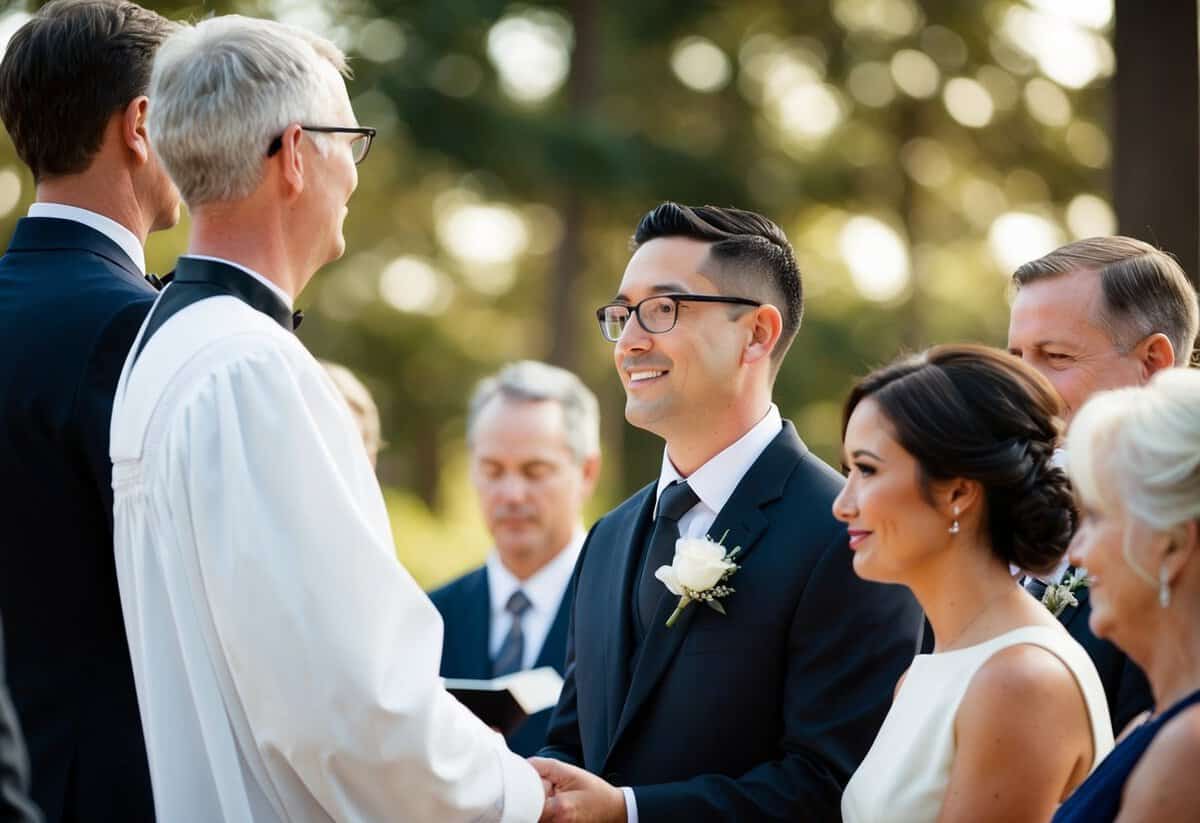
When planning your wedding, it’s important to understand the different types of ceremonies you can choose from. Each type offers unique elements that can make your big day special and memorable.
Traditional Religious Ceremonies
In a traditional religious ceremony, a clergy member or an ordained minister usually leads the event. This type of ceremony often includes specific rituals and readings that reflect the couple’s faith. For example, in a Christian wedding, you might have prayers, hymns, and biblical readings.
Couples often choose to incorporate personal vows to give the ceremony a more unique touch. The wedding party typically plays a significant role, including bridesmaids and groomsmen, which adds to the celebratory atmosphere.
Contemporary Civil Unions
A contemporary civil union is often led by a civil celebrant or justices of the peace, focusing on the legal aspects of marriage. This type of ceremony is secular, meaning it doesn’t incorporate religious elements.
You can tailor the vows and readings according to your preferences. Many couples opt for outdoor locations, making it a flexible choice. This style emphasizes the couple’s commitment rather than any religious rites, making it appealing for those seeking a more modern approach.
Cultural Wedding Practices
Cultural wedding practices vary widely and often blend traditional elements with modern ideas. For instance, Hindu weddings incorporate rituals like the saat phere, where the couple walks around a sacred fire. In these ceremonies, a marriage officiant knowledgeable about cultural customs is essential.
Each culture has unique traditions, like the use of specific clothing, music, and symbols. Including these practices in your wedding not only highlights your heritage but makes the occasion more meaningful. Consider hiring an independent celebrant who can guide you through these customs while ensuring that all legal requirements are met.
Understanding these types of wedding ceremonies can help you choose the one that best fits your vision for your special day.
Choosing the Right Officiant for Your Wedding
Finding the right officiant is key to making your wedding ceremony special. You’ll want an officiant who matches your style and understands your vision. Consider their credentials and how they can personalize your ceremony.
Understanding Officiant Credentials
When choosing an officiant, check their credentials. Different types of officiants include celebrants, notaries, and religious leaders. Each has different qualifications and legal rights to perform weddings.
Celebrants are often trained in crafting unique ceremonies. They can create a personalized experience that reflects your love story. Notaries can legally officiate weddings but may not offer a customized ceremony. Religious leaders can bring spiritual elements if you want a faith-based ceremony.
Don’t forget to confirm that your chosen officiant is legally recognized where your wedding will take place. This will ensure that your marriage is valid.
Personalizing Your Ceremony
Personalization is a great way to make your ceremony memorable. Talk to your officiant about incorporating special elements that reflect you as a couple.
This can include unique vows, readings, or rituals.
Your officiant may suggest adding personal touches, like favorite quotes or shared experiences.
You can also involve family members or friends to read or speak during the ceremony, enhancing the connection to those closest to you.
Make sure to discuss any specific requests with your officiant ahead of time. This will help them tailor the ceremony uniquely to you both.