
What Is Another Word for Getting Married? Exploring Wedding Synonyms
When you think about tying the knot, you might wonder about the different ways people talk about getting married. Many synonyms for getting married include marrying, walking down the aisle, and taking the plunge. These phrases capture the excitement and significance of the journey you and your partner are embarking on.
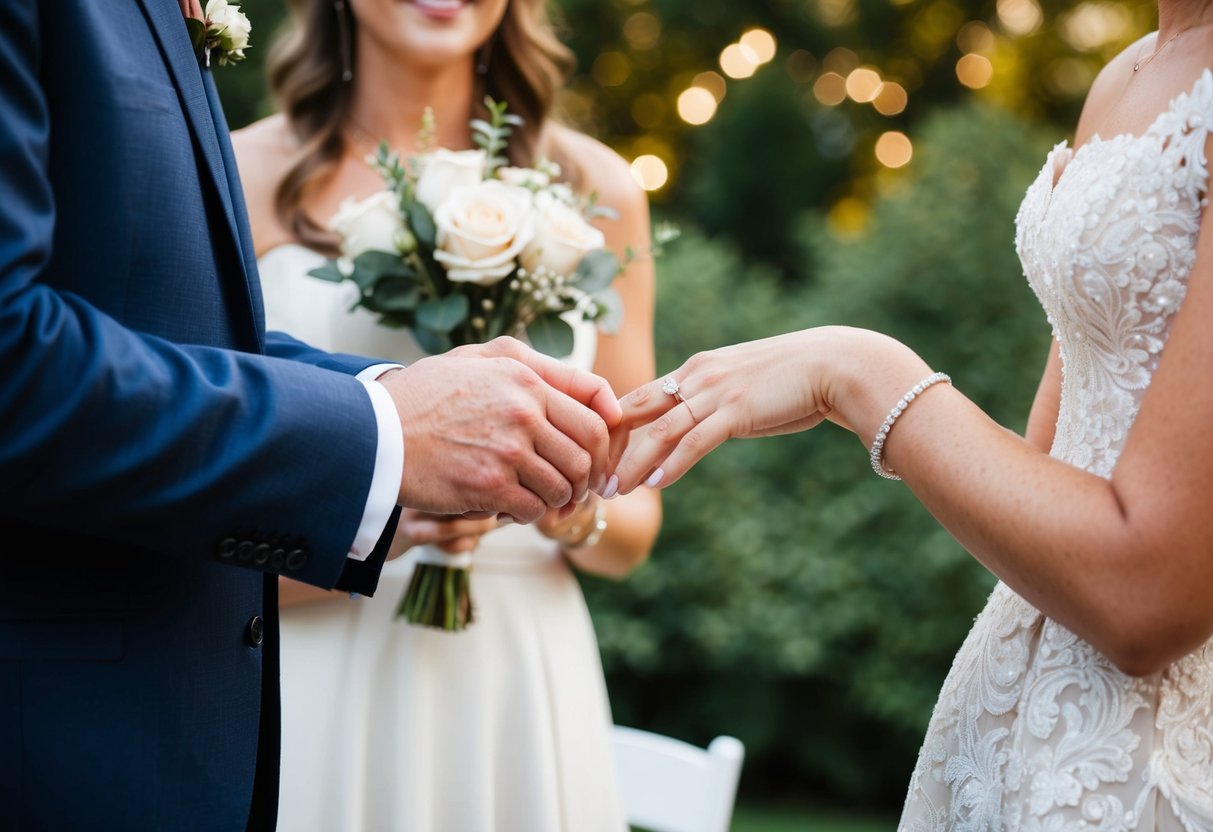
Exploring alternative terms for marriage can be both fun and enlightening. Using different expressions can add variety to your conversations, whether you’re sharing your own engagement story or discussing friends’ weddings. Getting familiar with these terms might even help you feel more connected to the traditions and emotions surrounding this important milestone in life.
So, if you’re curious about what else you can call getting married or want to impress your friends with a few fresh phrases, you’re in the right place! From “getting hitched” to “becoming man and wife,” there’s a wealth of expressions to discover.
Synonyms for Tying the Knot

When you think about getting married, there are many phrases that capture this special moment. Different words can express the same idea, whether you prefer a formal tone or a casual approach. Let’s look at some synonyms that you can use.
Formal and Informal Synonyms
For formal occasions, terms like “marry” and “wed” are commonly used. These words are perfect for invitations and official documents.
In more casual settings, you might hear phrases like “getting hitched” or “tying the wedding knot.” These terms add a friendly touch.
Another option is “becoming one,” which expresses the unity of a couple. “Joining in matrimony” is also a lovely phrase with an elegant feel.
You can use “conjoin” or “couple” as less common alternatives. Each of these terms can create a unique atmosphere based on your audience.
Verbal and Noun Variants
Verbal forms of getting married include “getting married” and “taking the plunge.” You may also hear “uniting in marriage,” which sounds traditional and heartfelt.
As nouns, you can refer to the marriage process with words like “coupling” or “pairing off.” The phrase “celebration of marriage” highlights the joyous aspect of the event.
Synonyms from a thesaurus, like “espouse” and “commit,” can be formal choices. Each phrase offers a different nuance, making it fun to choose based on the setting.
These varied options allow you to express the concept of getting married in ways that resonate with you and your audience.
The Linguistic Aspects of Matrimony
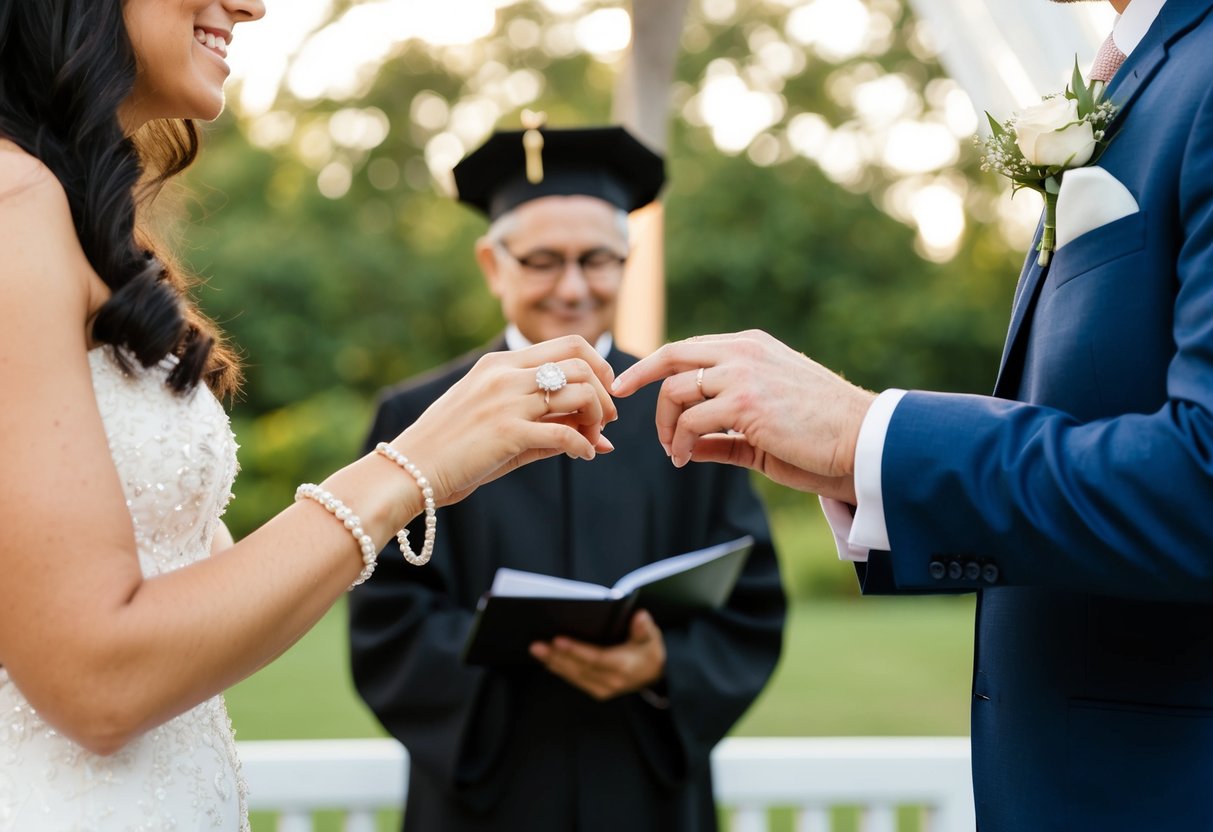
When discussing the term for getting married, it is important to explore its origins and varying forms. You will find that the language around marriage includes unique words and phrases that highlight its significance in society. Here, we’ll look at the etymology of “matrimony” and where it leads us today, as well as its different forms in the past tense.
Etymology and Evolving Usage
The word “matrimony” comes from the Latin root “matrimonium,” which combines “mater,” meaning mother, and the suffix “-mony” that indicates a state or condition. This term emphasizes the role of family and motherhood in marriage. Over time, “wedlock” emerged as another term, referring to the legal status of being married.
In everyday language, “to take in marriage” also exists. This phrase captures the formal act of entering marriage. Terms like “tie the knot” and “hitched” have gained popularity in modern conversations. These expressions reflect how language evolves with cultural attitudes toward marriage.
Past Tense and Variations
When discussing getting married in the past tense, you might use the word “wed.” This term is straightforward and captures the essence of marriage. For example, you could say, “They wed last summer.”
Another term is “to be married,” which is also common. You might say, “They have been married for five years.” These variations add richness to how you might describe someone’s marital status.
Expressions like “got hitched” or “tied the knot” lend a more casual tone when talking about getting married. This variety allows you to choose how formal or informal you want to be when discussing matrimony.
Cultural Expressions of Commitment
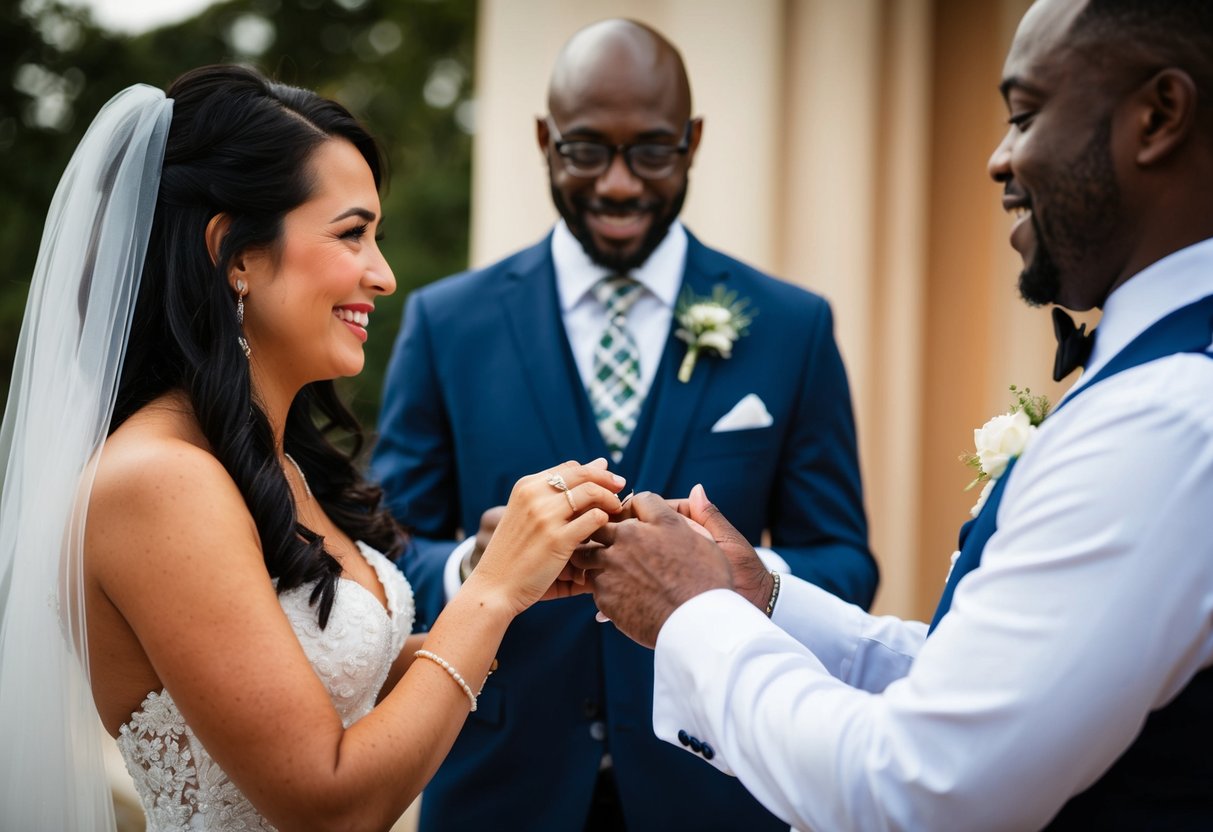
Different cultures use various phrases to express the idea of getting married. These terms often reflect societal values and traditions. You can see this in the diverse ways people view marriage around the world.
Global Marriage Terms
Marriage has unique expressions in many cultures. For example:
- In English, common phrases include “tie the knot” and “get hitched.”
- In Spanish, people say “casarse,” which directly translates to “to marry.”
- In French, the expression “se marier” means “to get married.”
These terms show how marriage is celebrated across different societies. Some cultures also have distinct rituals associated with these phrases. For instance, jumping the broom in African American traditions symbolizes union, while walking down the aisle is a universal custom in weddings.
Colloquialisms and Euphemisms
You might also hear more casual terms for getting married. Phrases like “hook up” can refer to a less formal connection but sometimes imply a deeper commitment.
Other fun expressions include:
- “Getting hitched” means you are officially tying the knot.
- “Walking down the aisle” evokes the image of the wedding ceremony itself.
These colloquial terms can make discussions about marriage feel more lighthearted. They reflect how people often approach the serious topic of commitment with humor and camaraderie.
The Social Dynamics of Getting Married
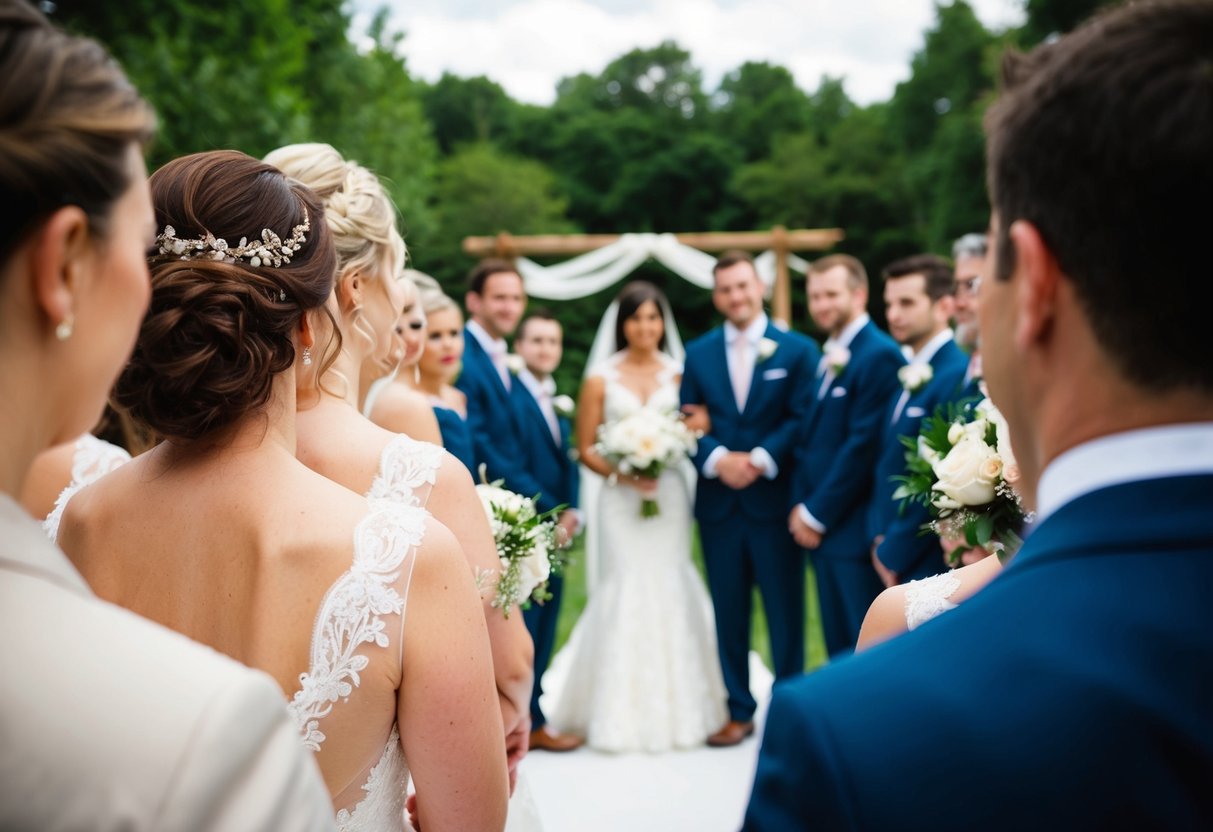
Getting married involves more than just saying “I do.” It has important legal and social aspects that shape your relationship and future with your spouse. Understanding these can help you navigate this significant life event with more confidence.
Legal and Social Implications
When you marry, you enter a legal contract that brings various rights and responsibilities. As a spouse, you gain legal benefits such as inheritance rights and tax advantages. This contract can also affect your healthcare decisions, making it vital to understand what you’re agreeing to.
Socially, marriage can strengthen your bond. The vows you exchange symbolize not just love but a commitment to face life’s challenges together. This dedication often leads to greater social acceptance within your community, as married couples are typically viewed as more stable.
Engagement and Wedding Preparations
The engagement period is exciting and often filled with planning. This phase sets the stage for your wedding day and represents the first step in your journey together.
You may want to discuss your vision and expectations for both the engagement and the wedding.
Wedding preparations involve many decisions. From choosing a venue to picking your wedding party, each detail matters.
You can connect with family and friends during this time, allowing them to share in the joy of your union.
Planning a wedding often deepens your relationship as you and your partner learn to make decisions together, strengthening your match.