
What Is Classed as a Small Wedding? A Guide to Intimate Celebrations
When planning your wedding, you might be wondering what qualifies as a small wedding. A small wedding typically includes fewer than 50 guests. This creates an intimate atmosphere that allows you to connect more deeply with each person attending. This size can make your special day feel more personal and memorable.
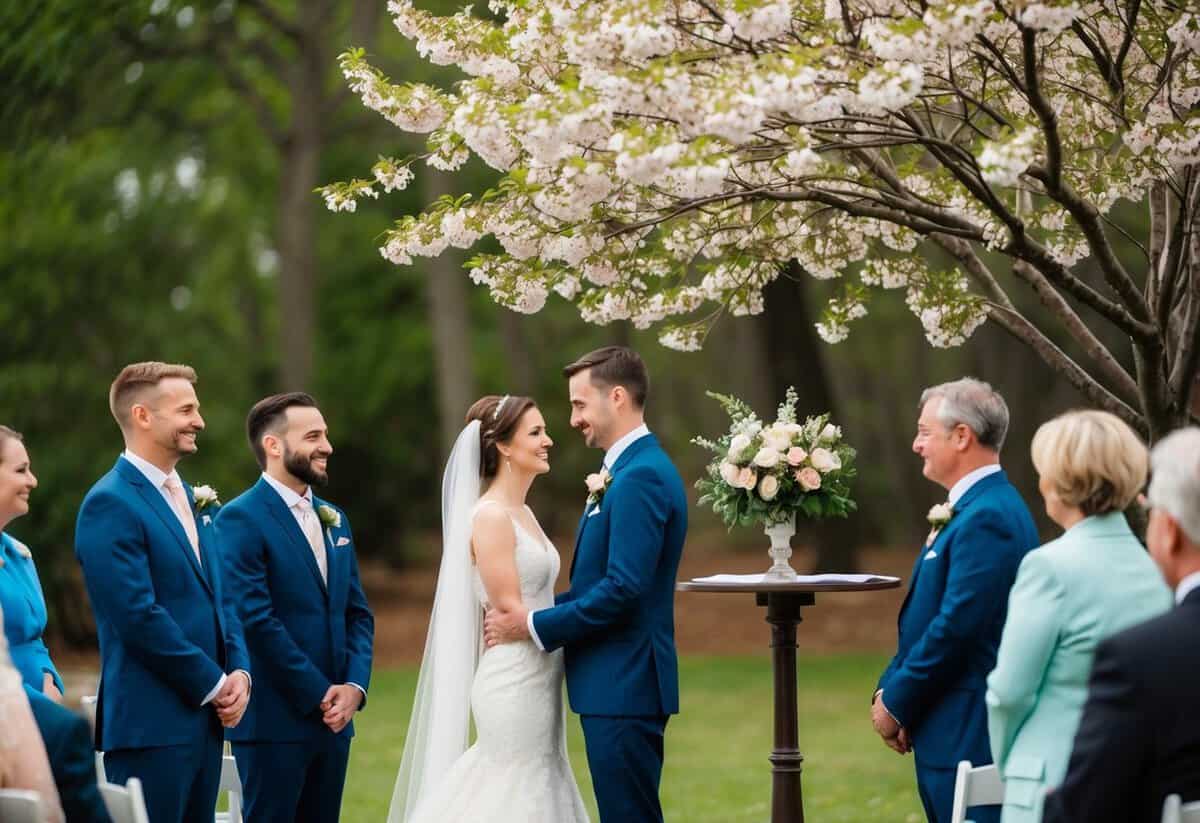
An intimate wedding, often defined as having between 50 to 75 guests, provides a cozy setting while still allowing for a bit more celebration. As you consider your guest list, think about what will make you feel comfortable and joyful on your big day.
Understanding the different sizes of weddings is important for making decisions that fit your vision. Whether you’re leaning towards a tiny gathering or a slightly larger intimate celebration, knowing the classifications can help you create the perfect experience.
Defining a Small Wedding
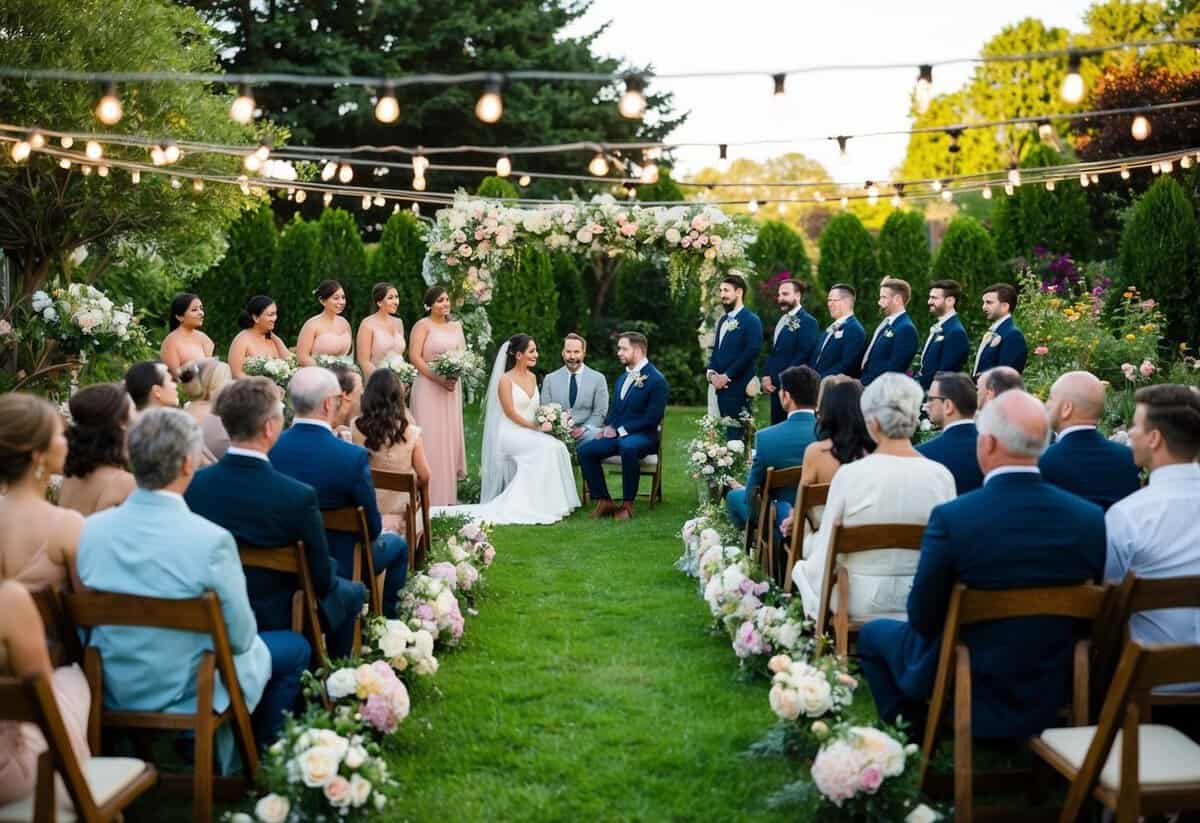
When planning your wedding, understanding what classifies a small wedding can help guide your choices. Many elements come into play, such as guest count and how your event compares to other wedding sizes.
Guest List Parameters
A small wedding typically has fewer than 50 guests. This number allows for an intimate atmosphere where you can connect with everyone personally.
If you’re considering a micro wedding, you’re looking at 15 guests or fewer. This option is perfect for couples who want a very private celebration.
In contrast, a slightly larger small wedding may include up to 75 guests. This is still considered intimate and can fit comfortably in cozy venues or even a backyard setting.
Comparing Wedding Sizes
Wedding sizes generally fall into three categories: small, medium, and large.
- Small Weddings: Up to 75 guests
- Medium Weddings: Usually range from 80 to 150 guests
- Large Weddings: Over 150 guests
As you can see, small weddings allow for a more personal experience. Choosing how many attendees you want can also affect your budget and venue options.
Think about what feels right for you. A smaller guest count makes it easier to share special moments with those who matter most.
Planning Your Small Wedding
Planning a small wedding can be both exciting and manageable. By focusing on key details like your date, venue, and catering, you can create an intimate celebration that feels special. Here’s how to make the most of your planning process.
Choosing the Right Date
Selecting a wedding date is important for your planning. Consider weekdays over weekends. Weekday weddings often have more venue availability and can reduce costs. Plus, guests may appreciate a less crowded schedule.
Also, think about the season. Spring and fall are popular, but each season offers unique beauty. Look for local events or holidays that might affect guest availability. By being strategic, you can ensure that your chosen date works for you and your closest friends and family.
Selecting a Venue
The venue sets the tone for your small wedding. Look for boutique hotels or unique spaces that can accommodate your guest list of 50 or fewer. Smaller venues often feel more personal and allow for a cozy atmosphere. Make sure to visit several locations to find one that fits your vision.
Consider venues that offer wedding packages. These packages often include decoration, seating, and even food options. Aim for a location that reflects both your style and your budget. An intimate space can help create lasting memories for you and your guests.
Catering to a Smaller Crowd
Catering is a key aspect of your wedding. With a smaller guest list, you can invest in higher-quality options. Think about catering that reflects your tastes. This could be a sit-down dinner, buffet, or even food stations.
Don’t forget about drinks! You can offer a signature cocktail that reflects you as a couple. Also, consider local options to enhance the experience. Smaller weddings give you the chance to be creative with your menu choices and personalize your dining experience.
Benefits of a Smaller Celebration
Choosing a small wedding can lead to many advantages. With fewer guests, you can manage your budget better and create a more personalized experience. This approach allows for deeper connections and memorable moments.
Budget Considerations
One of the main benefits of a small wedding is the cost savings. A minimal wedding typically involves fewer guests, which means lower expenses for food, drinks, and venue costs. You can often find charming locations that fit your budget more easily.
Here are some key aspects to consider:
- Fewer Guests: Catering for less than 50 guests significantly cuts down food and drink costs.
- Reduced Décor Needs: Smaller venues require less decoration, helping you stick to a budget.
- Creative Spending: With savings, you can splurge on aspects like wedding photography or personalized favors.
Keeping your wedding small allows you to focus on what truly matters without overspending.
Personal Touches and Special Experiences
A tiny wedding gives you the chance to create a highly personalized experience. With fewer guests, you can focus on each individual. This can lead to a more meaningful celebration.
Consider these ideas:
- Intimate Settings: You can choose locations that hold special significance for both of you.
- Unique Activities: Plan unique experiences like a group activity or a custom menu that reflects your style.
- Personalized Details: Handwritten notes, custom favors, or interactive stations can make guests feel special.
By prioritizing personal touches, you ensure that your day is memorable for both you and your loved ones.
Cultural and Trend Influences
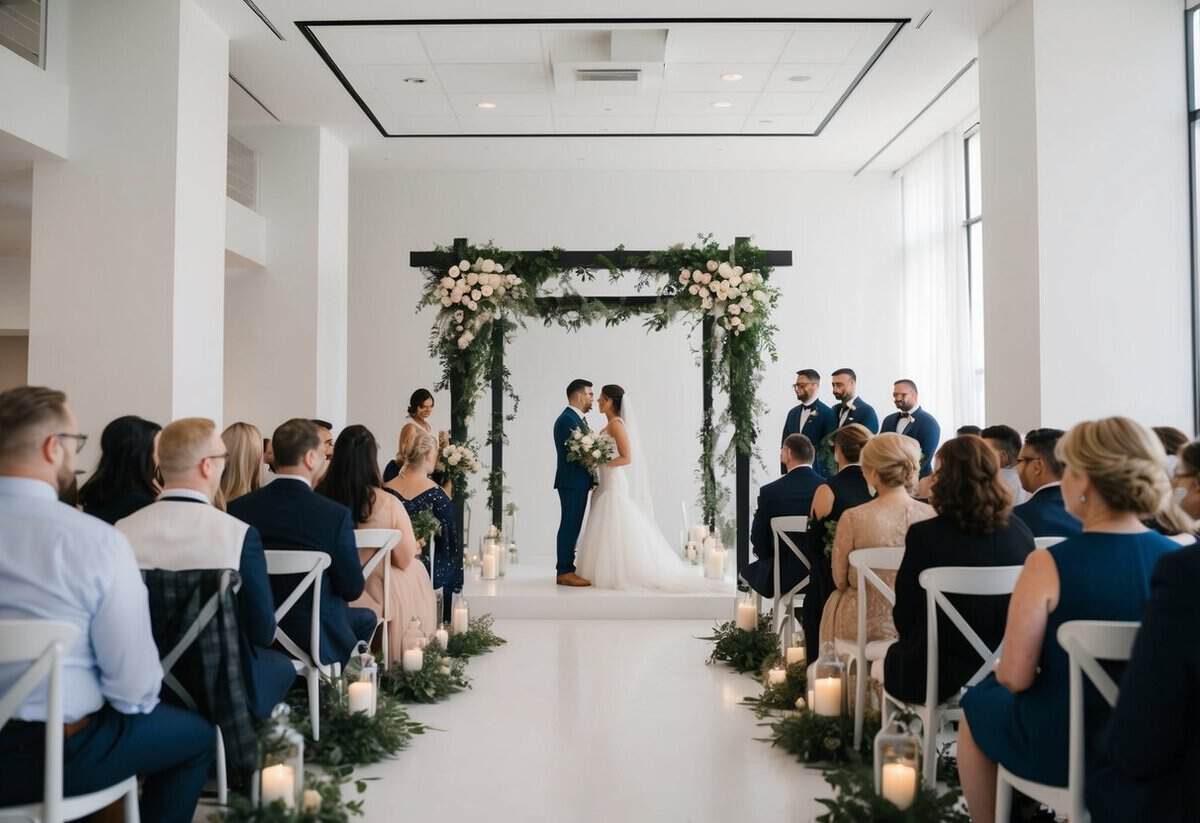
Your wedding reflects your values and desires. Several cultural trends and evolving traditions shape what you may consider a small wedding. Understanding these influences can help you create a celebration that feels authentic to you.
Evolving Traditions
Wedding traditions are changing. Many couples are now opting for more personal and intimate ceremonies. This often includes smaller gatherings with close family and friends.
Some cultures emphasize small weddings for various reasons. For instance, in certain religious practices, a more intimate setting honors the sacredness of the occasion. Celebrating with fewer people can strengthen connections and create lasting memories.
Trends like elopements are gaining popularity. Couples are choosing to escape the traditional wedding hustle for a quiet, meaningful experience. This shift means mini ceremonies are becoming common, proving that love can shine in small setups.
Popularity of Small Weddings
A growing trend towards small weddings is happening. They are often called micro-weddings or minimony. Many couples appreciate the unique benefits of a smaller guest list.
With fewer guests, you can focus on creating an elegant atmosphere without breaking the bank. Small wedding ideas can include personalized decorations, unique venues, and special menus.
This trend has been amplified by global events, such as the COVID-19 pandemic, which encouraged many couples to reconsider their wedding plans. Today, smaller ceremonies often feel more genuine and less stressful.
A small wedding allows you to prioritize what truly matters. You can celebrate your love in a way that’s special to you and your partner, making the day memorable without the stress of larger gatherings.