
What Is Considered a Big Wedding Guest List? Insights for Your Planning
When planning your special day, you might wonder what size your wedding guest list should be. A big wedding typically means inviting over 150 guests. This number can vary based on factors like family size, cultural traditions, and personal preferences.
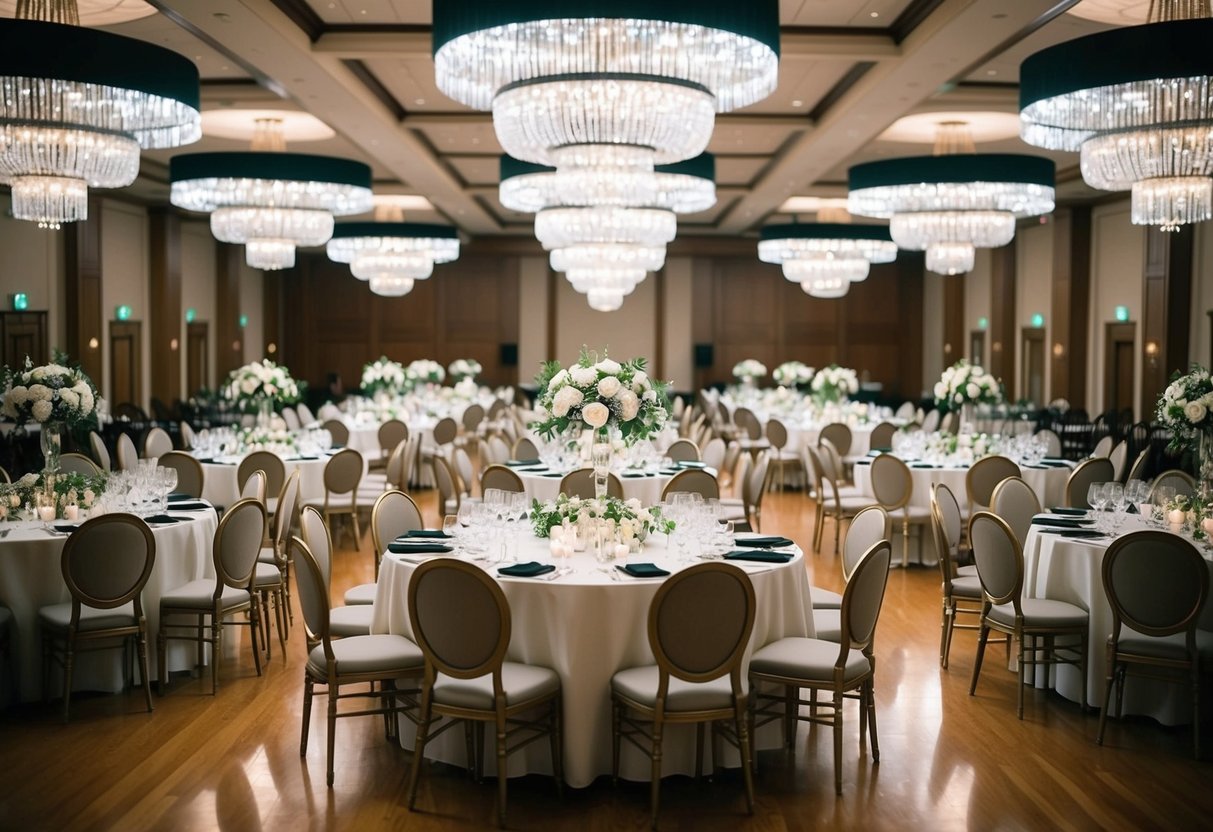
Choosing a larger guest list can create a lively celebration, but it can also add stress to your planning. You’ll need to consider your venue, budget, and the atmosphere you want to create. Understanding what defines a big wedding guest list helps you make informed decisions as you prepare for your big day.
As you navigate through your options, think about who truly matters to you. Creating a guest list can be tricky, but knowing the numbers can simplify your choices and lead to a celebration that you and your guests will remember fondly.
Determining the Size of Your Wedding

Choosing the right size for your wedding is a big decision. It affects everything from your budget to the venue and atmosphere. Understanding what defines different wedding sizes will help you plan better.
What Defines a Big Wedding?
A big wedding generally means you will have a guest list of over 150 people. This number can change based on culture and personal choice. If you’re considering a large event, think about venue space and how many people you can comfortably accommodate.
In some cultures, a big wedding might start at just 100 guests. Knowing what “big” means for you and your loved ones will guide your planning.
Average Wedding Size and Guest Counts
The average wedding size in the U.S. often falls between 100 and 150 guests. However, many couples like to include close family and friends, which may lead you to invite up to 200.
When planning, it’s wise to look at your budget. Guest counts can significantly impact costs. A wedding with 125 guests will usually cost less than one with 150.
Small vs. Medium vs. Large Weddings
-
Small Weddings: These typically have fewer than 50 guests. They can be intimate, making it easier to connect with everyone.
-
Medium Weddings: This category usually has between 50 and 150 guests. A medium wedding allows you to invite key people without overwhelming numbers.
-
Large Weddings: Anything over 150 guests falls into this category. This type of wedding can create a lively atmosphere but will require more planning.
Deciding on your guest list size is essential to create the right vibe for your special day.
Influences on the Wedding Guest List

The size of your wedding guest list can be affected by several important factors. Key elements such as budget, venue type, and whether you’re planning a local or destination wedding will shape your final decisions. Let’s explore these influences closer.
Budget Considerations
Your wedding budget is one of the biggest factors that will influence your guest list. Typically, the more guests you invite, the higher your costs will be.
Key costs to consider include:
- Catering: This is often the most significant expense. More guests mean more food and drink.
- Seating and Rentals: Larger guest lists may require extra tables, chairs, and other rental items.
- Invitations: Don’t forget about the cost of sending out invitations, which can add up quickly.
Setting a budget will help you determine how many guests you can invite without overspending. You might prioritize inviting close family and friends first to maximize your experience within your budget.
Venue Capacity and Types
The venue you choose plays a crucial role in shaping your guest list. Different venues have different capacities. For example, a ballroom or banquet hall may accommodate more people compared to an intimate garden or home setting.
Consider these factors when choosing your venue:
- Capacity Limits: Make sure your venue can comfortably accommodate everyone on your list.
- Layout and Flow: Think about how guests will move around the space. A good layout enhances the experience.
- Ambiance: Choose a venue that fits your style and the number of guests you want.
If you aim for an elaborate setting, such as a ballroom, you may find yourself inviting more guests. In contrast, a cozy venue might lead you to keep your list shorter.
Destination Wedding vs. Local Events
When planning a destination wedding, your guest list will likely be smaller. Travel and accommodations can be significant factors to consider.
Think about these elements:
- Travel Costs: Guests might need to spend more to attend, which could limit their ability to join.
- Accommodations: Availability and pricing of local hotels may affect guest attendance.
- Intimate Vibes: Destination weddings often have a more intimate feel, encouraging you to invite only your closest friends and family.
A local wedding may allow for a larger list as more guests can attend without the added costs of travel. Ultimately, your choice of location influences the size and vibe of your celebration.
Crafting Your Guest List

Creating your wedding guest list is an important step in planning your celebration. You’ll want to carefully decide who to include to maintain the right balance for your big day. Here are some key points to consider as you put together your list.
Including Family and Friends
Start with immediate family members. Parents, siblings, and grandparents should be at the top of your list. Next, think about close friends who have been significant in your life. You may want to consider your extended family, too, such as cousins and aunts/uncles.
Make a rough list first. Once you have everyone down, compare it with your partner’s list. It’s important that both of you agree on who to invite. If your families have strong expectations for guest lists, communicate openly to avoid misunderstandings.
Remember, each guest contributes to the atmosphere of your wedding, so choose people who will support your celebration.
Deciding on Plus-Ones and Children
Deciding if guests can bring plus-ones is a key factor in managing your guest list. A good rule of thumb is to invite plus-ones for those who are in serious relationships. This helps create a comfortable environment for everyone.
When it comes to inviting children, it’s worth considering the vibe you want for your wedding. Some couples prefer an adult-only event, while others are happy to include younger family members. If children are invited, think about how many and whether you’ll need special seating or activities to keep them entertained.
Tip: You can mention plus-ones and children in your save-the-dates to make it clear who is invited.
Managing Out-of-Town Guests
If you have out-of-town guests, factor in their needs when planning. It’s considerate to create an inviting atmosphere for those traveling long distances. Consider providing accommodation options nearby or organizing transportation.
Send out save-the-dates early to help them arrange their trips. Including a wedding website link can also help guests find all the information they need, like local attractions and travel tips.
Be mindful of their accommodations. Offering a block of rooms at a hotel can make their stay easier. Remember, out-of-town guests are excited to celebrate your love, so ensure they feel welcomed and included.
Navigating Guest List Challenges

Managing a large wedding guest list comes with unique challenges. From effective seating arrangements to sending the right invitations, each step is vital to ensure a smooth process and a enjoyable experience for your guests.
Seating Arrangements and Venue Constraints
One of the first hurdles to tackle is your seating arrangements. A large guest list can make this tricky, especially if your venue has limited space. Start by determining how many guests your venue can comfortably accommodate.
Create a chart or layout of the seating options. Group guests who know each other or share common interests. This encourages conversation and makes the experience enjoyable for everyone. If possible, use round tables to maximize space and promote interaction.
Don’t forget to consider accessibility for all guests. You want everyone to feel included and comfortable during your big day.
Invitations and Save-the-Date Cards
When managing a large guest list, sending out invitations and save-the-date cards becomes a big task. Begin by drafting your list early. Use a spreadsheet to keep track of names, addresses, and RSVP responses.
Consider sending digital invitations for a quick response and ease of tracking. For traditional invites, include all essential details like dress code and location.
Save-the-date cards are also key. They let guests know to clear their calendars well in advance. Make sure these are sent ideally 6-8 months before your wedding day so everyone has enough time to prepare.
Ensuring a Memorable Guest Experience
Creating a memorable experience for each guest is important, especially with a large crowd.
Start by thinking about your guest list. Who are the people that matter most to you?
Provide thoughtful touches, like welcome bags or personalized place cards. These small gestures show you care.
Consider having a fun activity or entertainment that engages everyone, making it easier to interact despite the numbers.
Make sure there are accommodations for dietary restrictions to enhance guest satisfaction.
With these steps, you can help ensure that every guest feels valued and connected during your celebration.