
What Is Considered the Best Dance Song Ever? A Look at Iconic Tracks
When you think about the best dance song ever, a few titles might come to mind. Many people consider “Billie Jean” by Michael Jackson the ultimate dance anthem. This iconic track combines infectious beats and unforgettable melodies, making it a staple on dance floors worldwide.

Dance music has the power to bring people together, whether you’re in a club or a living room. Over the years, countless songs have defined our experiences and shaped the way we celebrate and move to the rhythm. From disco to electronic, each generation has its favorites that create lasting memories and unforgettable moments.
As you explore what makes a dance song truly the best, you’ll discover that it’s not just about the beat or lyrics. It’s about the emotions they evoke and the memories they create. Join the conversation and find out what resonates with you and your dance party!
Evolution of Dance Music
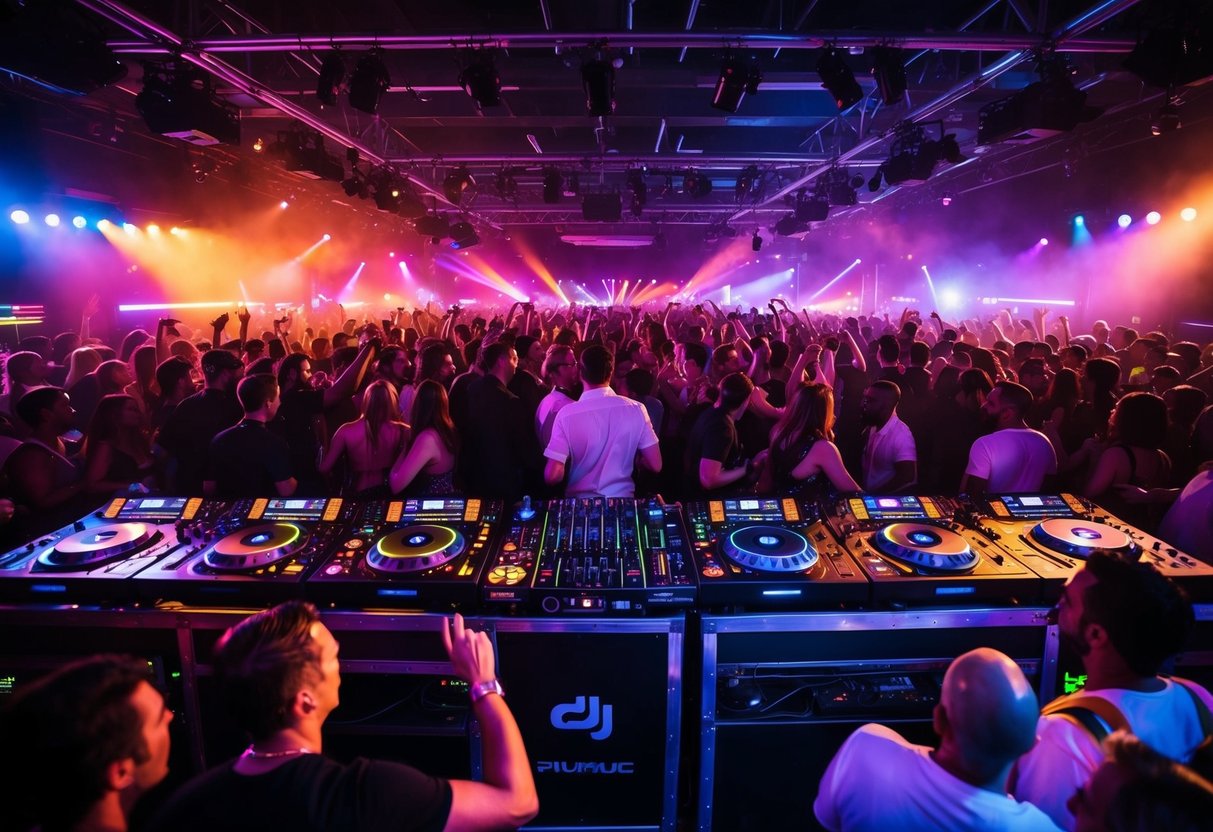
Dance music has come a long way from its roots. Understanding its journey helps you appreciate the vibrant sounds today. Let’s look at how it transitioned from disco to house and the rise of electronic dance music.
From Disco to House
The dance scene began with disco in the 1970s. This genre featured upbeat rhythms and catchy melodies. You could find these tunes at clubs, creating a lively and communal atmosphere.
As the 80s approached, house music emerged from Chicago. DJs started mixing disco tracks with electronic beats. This new sound was characterized by repetitive beats and synthesized melodies. It became a new anthem for dance floors worldwide.
Classics like “Move Your Body” by Marshall Jefferson played a vital role. House music set the foundation for later developments in dance music.
Rise of Electronic and EDM
The 1990s saw a significant shift as electronic music gained popularity. Artists began using synthesizers and drum machines, paving the way for EDM (Electronic Dance Music). This genre brought together various styles, such as techno and trance, making rhythm accessible.
Modern EDM exploded in the early 2000s. Festivals and events became central to the dance scene. DJs became stars, and tracks started to include strong drops and catchy hooks.
Songs like “Titanium” by David Guetta featuring Sia showcased this evolution. The resilience of dance music continues as it adapts to trends, cultures, and technological advancements.
Iconic Dance Tracks and Artists
When you think of dance music, certain tracks and artists stand out as truly iconic. These songs have shaped dance floors and created unforgettable moments for music lovers everywhere.
Timeless Classics
One of the most famous dance tracks is “Billie Jean” by Michael Jackson. Its catchy beat and memorable bassline make it a staple at parties. Another classic is “I Will Survive” by Gloria Gaynor, which became a powerful anthem of resilience and strength.
You can’t forget about ABBA and their hit “Dancing Queen,” celebrating youth and freedom. The Bee Gees brought us disco classics like “Stayin’ Alive,” which still gets people dancing today. Madonna’s track “Into the Groove” redefined dance music in the 80s, proving to be a timeless hit.
Modern Hits
In the realm of modern dance, David Guetta has created anthems that have dominated playlists. Songs like “Titanium” featuring Sia illustrate his impactful sound. Similarly, Calvin Harris has delivered hits such as “Summer,” which consistently gets crowds moving.
Rihanna’s tracks, like “We Found Love,” blend pop and dance seamlessly. Daft Punk offers a unique electronic vibe with songs like “Get Lucky,” pushing the boundaries of dance music. These artists and their tracks continue to shape the dance music landscape, leaving a lasting impact on fans around the world.
What Makes a Great Dance Song?
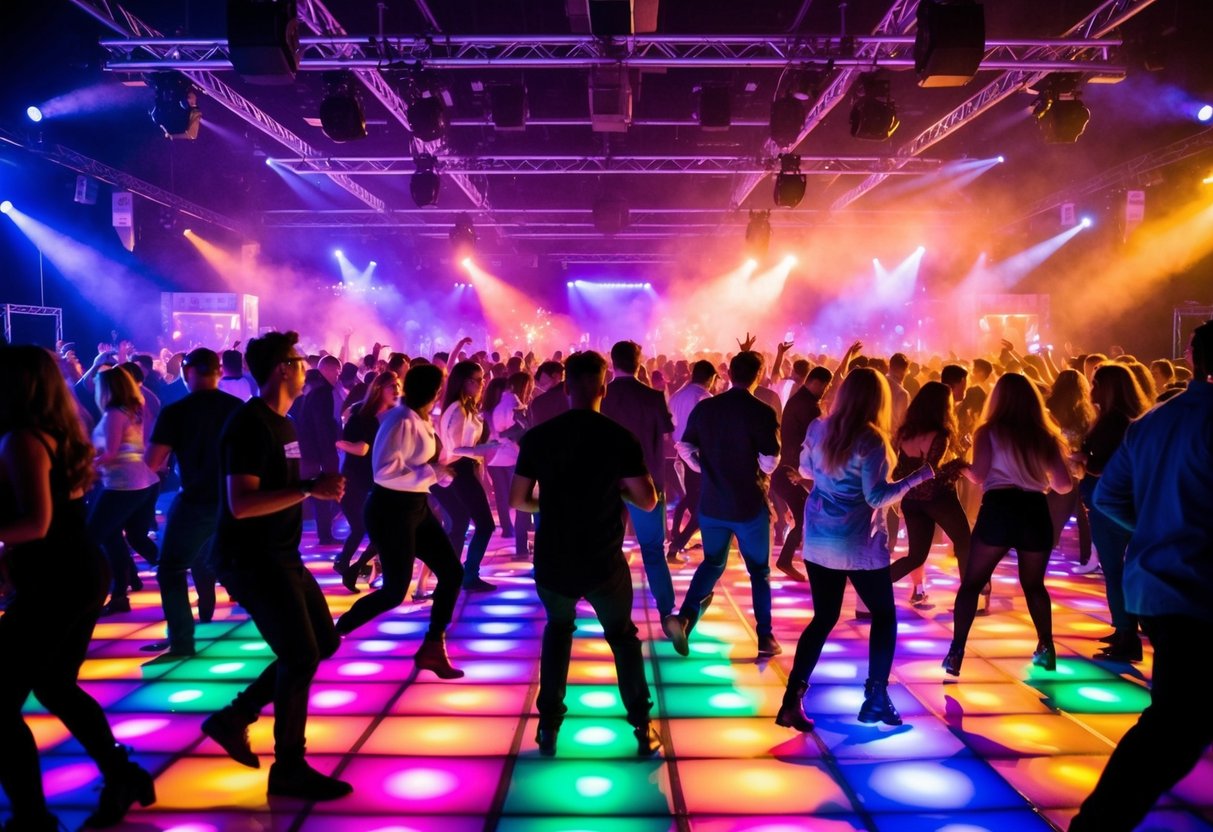
To find what makes a dance song truly great, you can look at its rhythm, groove, and lyrics. These elements combine to create an irresistible urge to move and celebrate.
The Role of Rhythm and Groove
Rhythm is the heartbeat of any dance song. A strong dance beat keeps everyone tapping their feet. It’s what makes you want to get up and hit the dance floors. Songs like “Stayin’ Alive” and “Uptown Funk” have infectious grooves that you can’t resist.
A good dance song will often have a consistent tempo, typically around 120 to 130 beats per minute. This tempo allows dancers to move fluidly, whether they are doing the hustle under a disco ball or modern dance moves. The groove should give you a feeling of excitement and fun, inviting you to join in the celebration.
Lyrics and Melody
Catchy lyrics and melodies play an essential role in dance songs. You want lyrics that are easy to remember and fun to sing along with. Songs like “Y.M.C.A.” have become iconic dance anthems because of their interactive and upbeat lyrics.
Melodies that stick in your head are crucial. They invite you to hum along and get lost in the music. Great dance songs balance lyrics with a memorable melody to make you feel good. If you find yourself singing along, it’s a sign you’ve found a great dance track!
Dance Songs Across Different Cultures
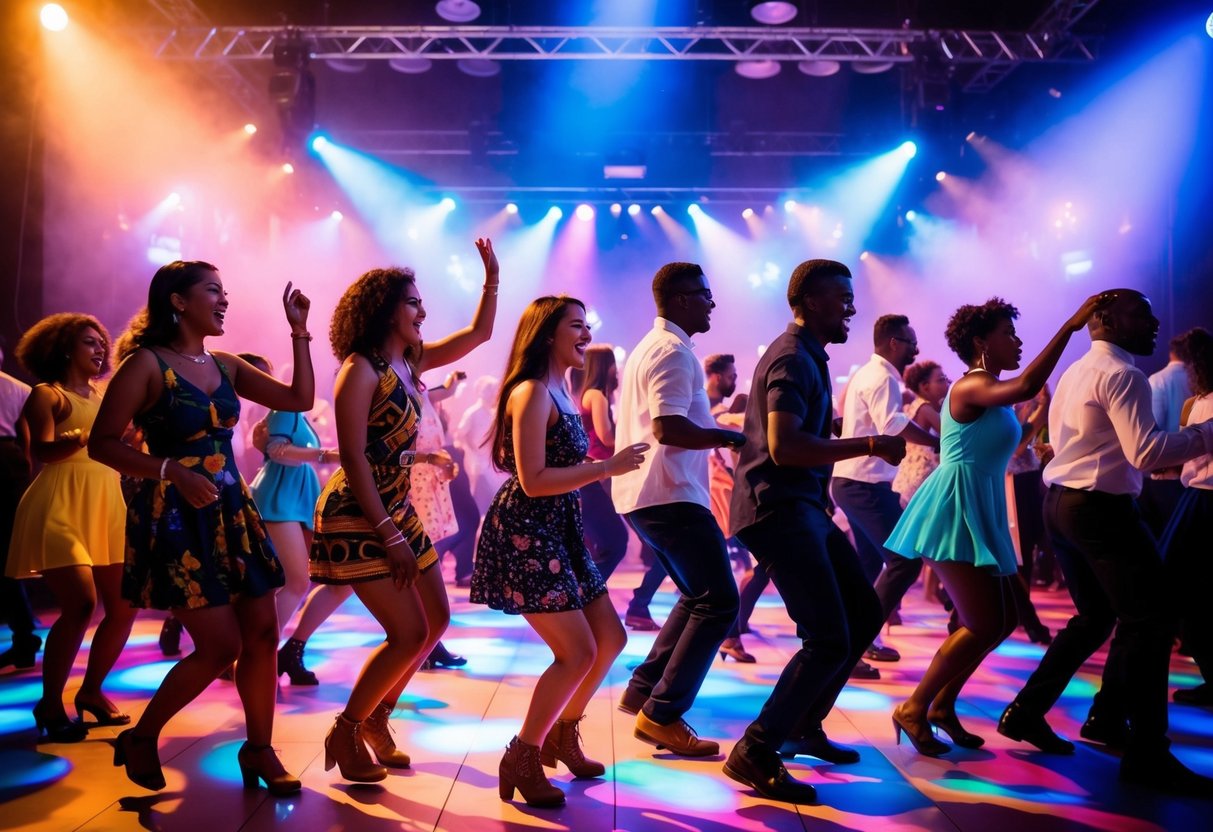
Dance songs come in many forms across different cultures, each reflecting unique rhythms and styles. From hip-hop beats to lively salsa rhythms, these songs connect people through movement and expression.
Diverse Dance Genres
Different cultures offer a variety of dance genres. For instance, Hip-Hop originated in the streets of the Bronx, New York. It features strong beats and lyrics that often tell stories about life. Salsa, with its roots in Cuban and Puerto Rican music, invites you to sway and spin with its vibrant rhythms.
In electronic music, both Trance and Techno are popular at events and raves. These genres focus on repetitive beats that can create a powerful connection among dancers. Dance-Pop mixes catchy melodies with danceable rhythms, appealing to a mainstream audience. Each genre invites you to dance in a special way, shaping the music scene around the world.
Adapting to Audiences
Dance songs adapt to the tastes of their audiences. For example, when hip-hop gained popularity, it started to mix with elements from pop and R&B, creating hits that appeal to a wider audience.
Rave culture has also evolved, incorporating sounds from various electronic genres to keep the energy high.
In Latin countries, salsa dancers often blend traditional moves with modern styles. This keeps the music fresh and exciting. DJs are adept at reading the crowd to play songs that will keep everyone dancing, ensuring that the experience is fun and memorable for all. Every culture brings its flavor, making dance music a universal language.