
What Is Considered to Be a Dress Rehearsal? Understanding Its Purpose and Importance
A dress rehearsal is an important event for any theatrical production, serving as a key step before the public performance. This full-scale run-through allows the cast and crew to practice every aspect of the show, using costumes, props, and set pieces just as they will on opening night.
It’s the final rehearsal where everyone comes together to ensure everything runs smoothly.
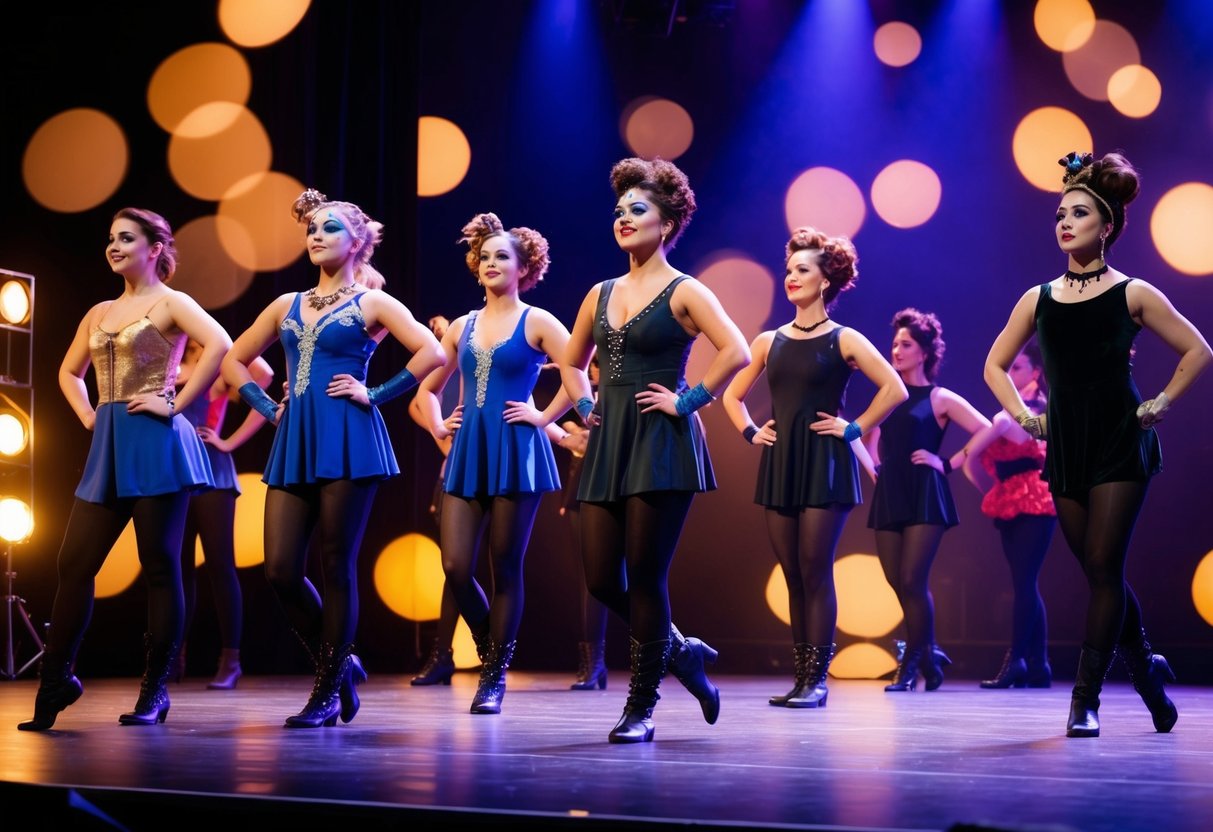
During a dress rehearsal, you’ll see the magic of the performance come together. It’s a chance to spot any last-minute issues and make adjustments. This critical time helps to build confidence among the cast and offers an opportunity to perfect the show, making sure it meets everyone’s expectations.
If you’re involved in a production, understanding the significance of a dress rehearsal can help you appreciate the effort that goes into creating a memorable performance. By working out the details during this final rehearsal, you are contributing to the success of the show.
Components of a Dress Rehearsal
A dress rehearsal involves several key components that blend together to create a seamless performance. These elements focus on technical execution and the cast’s performance, ensuring everything is in place before the show goes live.
Technical Execution
During a dress rehearsal, you will see the technical aspects in full effect. This includes proper lighting, sound, and any special effects you plan to use. Technicians will carefully run through each cue, ensuring everything transitions smoothly.
Lighting should match the mood of each scene, while sound engineers must check microphones and background music. You may find that some effects require special attention to detail, like timing or placement on stage.
Each of these elements works together to create a captivating experience for the audience.
Cast and Performance
Your cast will use this time to refine their performances. Everyone will wear their costumes and accessories as they would on the opening night. This helps them become comfortable in their roles and ensures they look the part.
During this run-through, actors get to experience how their performances fit with the technical aspects. Musicians will also practice their parts with the full cast, ensuring that songs and dialogues align perfectly.
Practicing all these elements together allows for adjustments and helps boost confidence before the actual performance.
The Role of the Production Team
In a dress rehearsal, each member of the production team plays a vital role. Their contributions ensure that everything runs smoothly, and they help fine-tune the performance before the opening night.
Key players include the director and stage manager, as well as the cast.
Director and Stage Manager Involvement
The director leads the entire production. They provide guidance to the cast and crew, helping everyone understand their roles. During the dress rehearsal, the director observes how the performance flows. They pay close attention to moments that need adjustments.
The stage manager works closely with the director. They organize everything backstage, ensuring that props and set pieces are in the right places. The stage manager also communicates with the cast, making sure everyone is ready for their cues.
This teamwork is essential for a successful rehearsal.
Attending to Details and Adjustments
Attention to detail is crucial in a dress rehearsal. You need to spot any issues with props, backdrops, and set pieces. Small problems can affect the entire performance, so it’s important to address them early.
Feedback from the director and stage manager helps the cast make improvements. After running through the scenes, they discuss what went well and what needs changes.
This process allows you to refine your performance and build confidence before facing the audience. Every detail counts in creating an enjoyable show!
The Dress Rehearsal Experience
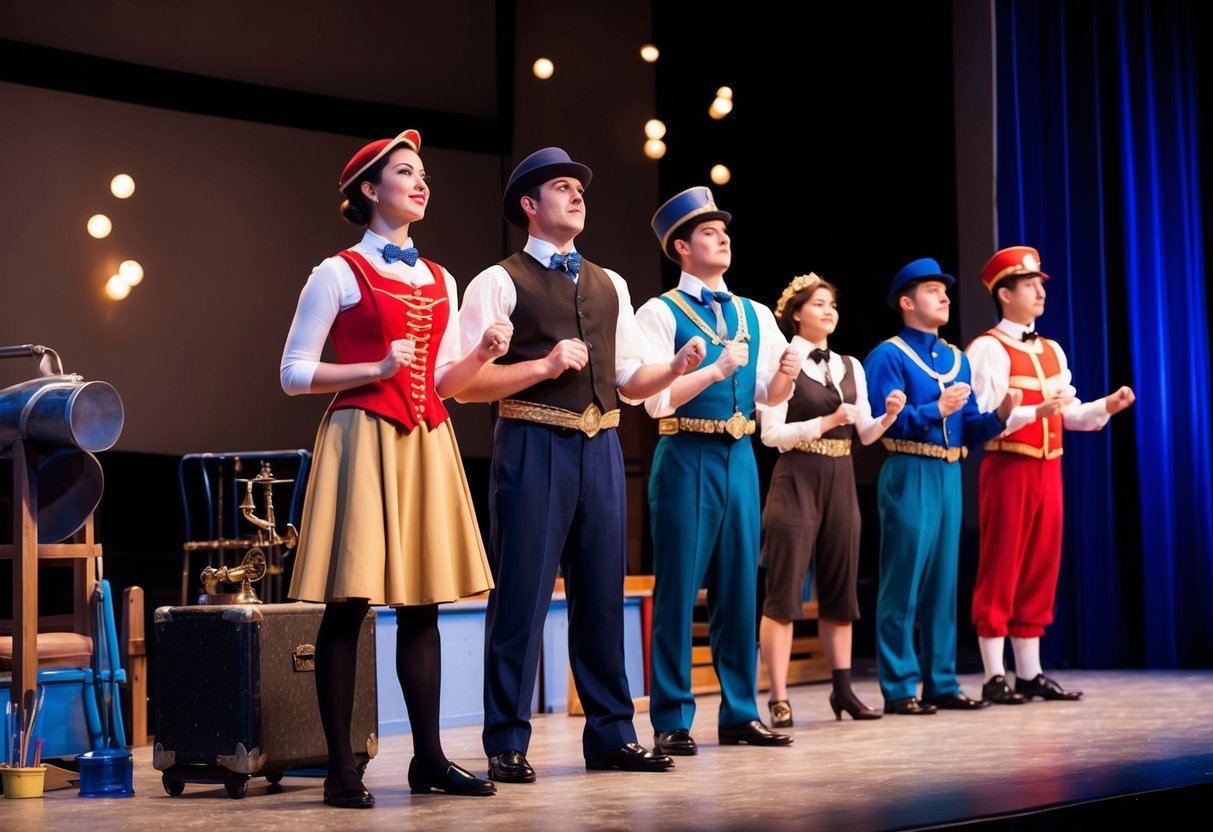
During a dress rehearsal, you will witness the preparation and collaboration of the cast and crew. This time is crucial as everyone comes together to ensure the performance meets expectations, both technically and artistically.
Expectations for the Cast and Crew
In a dress rehearsal, the cast is expected to be in full costume and use all props and backdrops. This is the time to act as if it is the real performance. You will focus on delivering your lines and movements with precision.
The crew will be busy with lighting, sound, and set changes. Everyone must work together seamlessly. It’s about fine-tuning the performance. Any issues that come up should be addressed immediately.
Having a clear understanding of your role helps reduce nerves. Remember, this is a practice run to prepare for the first show. You might also receive notes from the director that can help polish your performance.
Interaction with the Audience
Interaction with the audience can vary during dress rehearsals. In some cases, there may be a small group or an “open dress rehearsal.” This allows you to perform in front of a live audience before the official opening night.
The feedback you receive can be valuable. It helps you gauge the audience’s reactions and energy. Even small laughs or applause can boost your confidence.
You should treat this experience as a real performance. The audience’s role is to provide a sense of live engagement. It’s your chance to connect with them, which is essential for both success and growth.
From Rehearsal to Performance
Transitioning from rehearsal to performance involves careful planning and attention to detail. Each step is important to ensure the production goes smoothly, especially as you approach opening night.
The Transition to Opening Night
As you get closer to the opening night, the pressure intensifies. The final weeks are often filled with full run-throughs, where you practice the entire show from start to finish without interruption.
A dress rehearsal will be a key moment in this process, as it simulates a real performance with costumes, props, and lighting.
During this time, you might also hold a preview performance. This is a chance to show the play to a small audience and gather preliminary responses. Any issues that arise can help refine the show for the official opening night. It’s your last chance to make adjustments before you present your hard work to the public.
Gathering Feedback and Final Touches
After a preview performance, gathering feedback is crucial. Pay attention to the reactions of theater reviewers and the audience. Their insights can uncover any areas that need improvement.
Using this feedback, you can make final touches to the production. This might involve adjustments to timing, dialogue, or technical elements with the orchestra. The goal is to ensure that everyone is confident and ready for the public performance.
Each change you make during this stage builds a stronger connection with your audience. It helps you deliver a memorable theater experience that showcases everyone’s efforts.