
What is Eloping Instead of a Wedding? Discover the Intimate Alternative for Couples
Eloping is a simpler way to celebrate your love and commitment without the extensive planning of a traditional wedding. When you elope, you focus on the intimacy and connection of your marriage. You often choose a personal or unique setting instead of a formal venue filled with guests. This option allows you to truly embrace the moment between you and your partner.
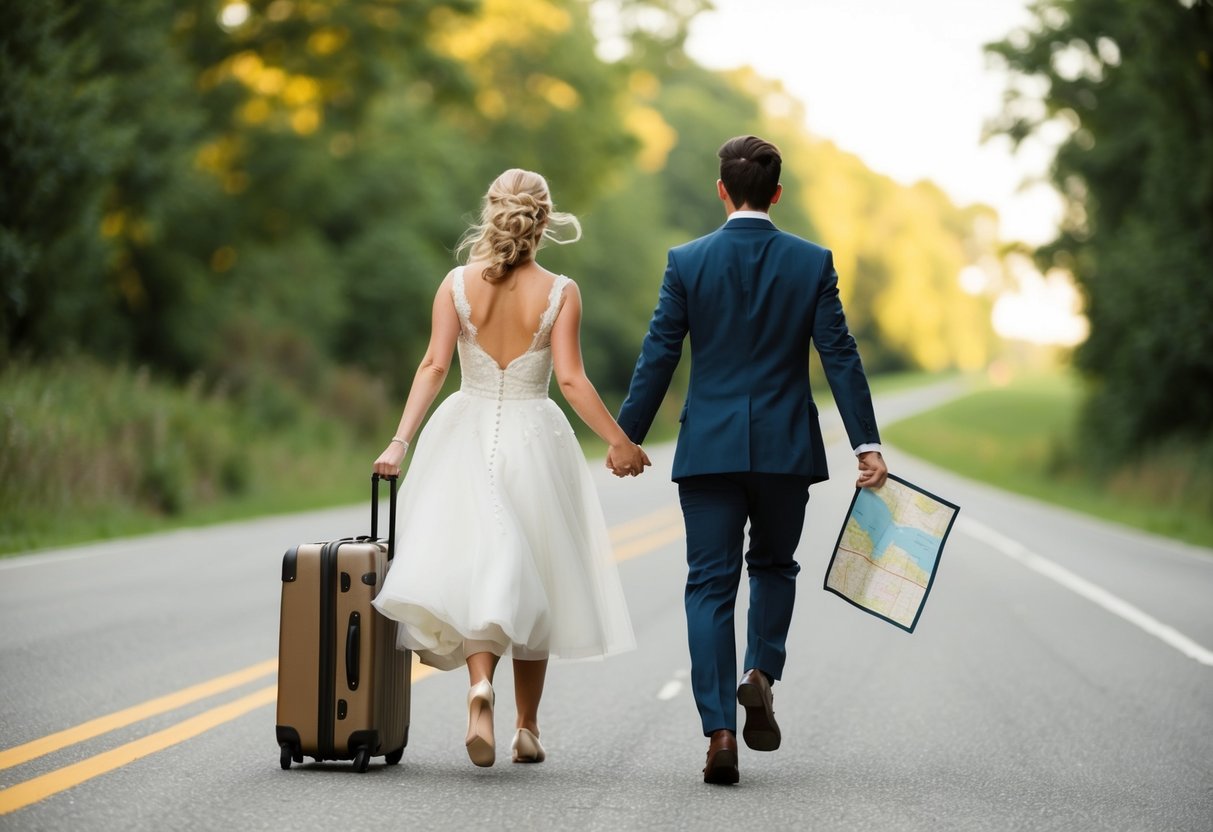
Many couples find that eloping reduces the stress and expectations that can come with planning a large wedding. You can decide how you want to express your love—whether it’s a quiet ceremony in the mountains or a quick trip to the beach. For some, it also opens up the opportunity to make their marriage experience more adventurous and personal.
Eloping can be just as meaningful as a traditional wedding, allowing you to create memories that reflect your relationship. Whether it’s just the two of you or a small group of close friends, the focus remains on your bond, making it an authentic way to begin your life together.
Understanding Eloping versus Traditional Weddings
When considering your marriage options, knowing the differences between eloping and a traditional wedding is essential. Each approach offers unique experiences and can fit different preferences and budgets.
Defining Elopements and Weddings
An elopement typically involves a couple getting married in a private setting with few or no guests. This intimate ceremony often takes place in a unique location, like a scenic park or a beach. You usually don’t need much planning, and you can often organize it quickly.
On the other hand, a traditional wedding is a larger event that often includes family and friends. It usually involves a formal ceremony followed by a reception. Traditional elements often include elaborate decorations, catering, and entertainment, all of which can lead to a more structured and sometimes stressful planning process.
Core Differences Between Elopement and Traditional Wedding
-
Guest List: Elopements focus on just the couple, while traditional weddings often host many guests, which can range from close family to extended friends.
-
Budget: Elopements often cost less. With fewer guests and less formal planning, you save on things like catering and venue fees. Traditional weddings may require a larger budget for more elements.
-
Planning: Elopements allow more flexibility. You can choose locations, ceremonies, and dates that reflect your unique preferences. Traditional weddings often involve a timeline and set traditions to follow, which can be both exciting and overwhelming.
Cultural and Social Perspectives on Eloping
Culturally, eloping used to be seen as a secretive act, often due to family objections. Now, people view it as a personal choice reflecting a couple’s desire for intimacy and simplicity.
Many couples choose to elope to avoid the stress of planning a large event. It allows you to focus solely on your love and commitment without the pressures of tradition.
In contrast, traditional weddings can symbolize community and family connection. They often incorporate cultural traditions and rituals that are important to many couples. Whichever path you choose, it should reflect your values and what you want from your wedding day.
Planning Your Elopement
Eloping can be a unique and exciting way to celebrate your love. When planning your elopement, consider each detail, from the perfect location to creating a personalized experience that reflects you as a couple.
Choosing the Perfect Location
Your location can set the tone for your entire elopement. Think about places that have meaning for both of you. Do you love the mountains, the beach, or a cozy forest?
If you’re considering a destination wedding, research beautiful spots that match your style. Popular choices include national parks, stunning beaches, or quaint towns.
Make sure to check if permits are needed for your chosen site. An invitation to nature can enhance your adventure elopement experience, but planning is essential!
The Role of an Officiant and Legal Considerations
Having an officiant is important for your elopement. Depending on the location, you might need to hire someone who can legally officiate your ceremony.
Legal considerations include obtaining a marriage license. Each state or country has its own rules. Always check what you need to make your ceremony official.
Consider hiring an officiant who understands your vision for the day. They can help make your intimate ceremony feel personal and special, reflecting your relationship.
Crafting a Personal Elopement Experience
Personalization is key to making your elopement memorable. Think about ways to incorporate special elements that tell your story.
You could write your own vows, include family traditions, or select music that has significance. Even small touches can make a big difference in your experience.
Hiring an elopement photographer can capture these moments beautifully, preserving the memories for years to come. The goal is to create a day that is all about you and your love.
Comparing Costs and Budgeting
When deciding between eloping and having a traditional wedding, understanding the costs involved is essential. This section will help you navigate the financial aspects and plan your budget effectively.
The Financial Impact of Eloping versus a Wedding
Eloping is often seen as a cost-effective alternative to a traditional wedding. While the average cost of a wedding can reach around $35,000, elopements usually cost about $1,000. This significant difference arises because elopements often involve fewer guests and less elaborate planning.
In some cases, even higher-end elopement packages may cost up to $15,000, which is still more affordable than many weddings. By eliminating costs such as large venues and extensive guest lists, you can focus on what truly matters to you.
Allocating Your Elopement Budget
When budgeting for your elopement, consider what elements are most important to you. Start by determining how much you can spend without stress. This may include travel, accommodation, photography, and any special activities you want to enjoy.
A simple list can help you prioritize your needs. For instance:
- Travel expenses (flights, car rentals)
- Accommodation (hotels, unique stays)
- Permit fees (varies by location)
- Photography (to capture the moment)
This approach will make it easier to allocate funds where they matter most, allowing you to enjoy a memorable experience without overspending.
Understanding the Average Costs of Elopements and Weddings
Average costs play a crucial role in your decision-making. As mentioned, weddings can cost, on average, about $35,000. In contrast, the average elopement can start around $1,000, making it easier to stay within budget.
When considering your wedding budget, it’s important to be realistic about what you want versus what you can afford. Include various costs such as venue rental, catering, and decorations. When you compare these to elopement costs, the savings can be substantial.
The Emotional and Social Considerations
When thinking about eloping, it’s important to consider how it affects your relationships and emotions. Eloping can lead to unique family dynamics, potential regrets, and opportunities for stress-free planning. Here’s a closer look at these aspects.
Family Dynamics and Guest List Decisions
Choosing to elope often means making tough decisions about your guest list. This can create tension with family and friends who may feel left out. Some relatives might feel disappointed, while others might support your choice.
Deciding who to invite, if anyone, can lead to family drama. You might want to have an intimate ceremony with just a few key people, or keep it completely private. It’s crucial to communicate your plans openly with loved ones. This helps manage expectations and reduces potential hurt feelings.
The Reality of Possible Future Regrets
After eloping, you may wonder if you made the right choice. The fear of possible regret can linger in your mind. You might worry about missing out on traditional wedding experiences, like walking down the aisle or having a large celebration.
It’s natural to feel torn between wanting an intimate experience and the desire for a big celebration. Think about what matters most to you. Many couples find that their bond grows stronger with a private ceremony. Remember that it’s your day and should reflect your values.
Embracing a Stress-Free Wedding Option
Eloping can offer a stress-free alternative to a traditional wedding. Planning a large wedding can be overwhelming, with countless details to manage. By eloping, you can focus on what truly matters: each other.
Without the pressure of a guest list or logistics, you can enjoy a simpler experience. This allows you to express your love in a personal way. You have the freedom to choose the location, vows, and timing that feels right for you both.
Post-Elopement Reception and Celebrations
After your elopement, you might want to consider hosting a reception to celebrate with family and friends. This can be a great way to include loved ones who couldn’t attend the ceremony. You can keep it casual or more formal, depending on your preference.
Planning a reception after eloping allows you to share your joy. You can express your love and commitment in front of others. It can also help ease any feelings of exclusion felt by family members. Think of it as a way to blend the best of both worlds: an intimate ceremony and a fun celebration with loved ones.