
What is Eloping Instead of a Wedding? A Simple Guide to Intimate Ceremonies
Eloping is a choice many couples make when they want to simplify their wedding experience. Eloping involves a private ceremony with little to no guests, focusing solely on the couple and their love for each other. This can mean getting married in a breathtaking location, like the beach or a mountain top, and truly enjoying the moment without the stress of planning a large event.
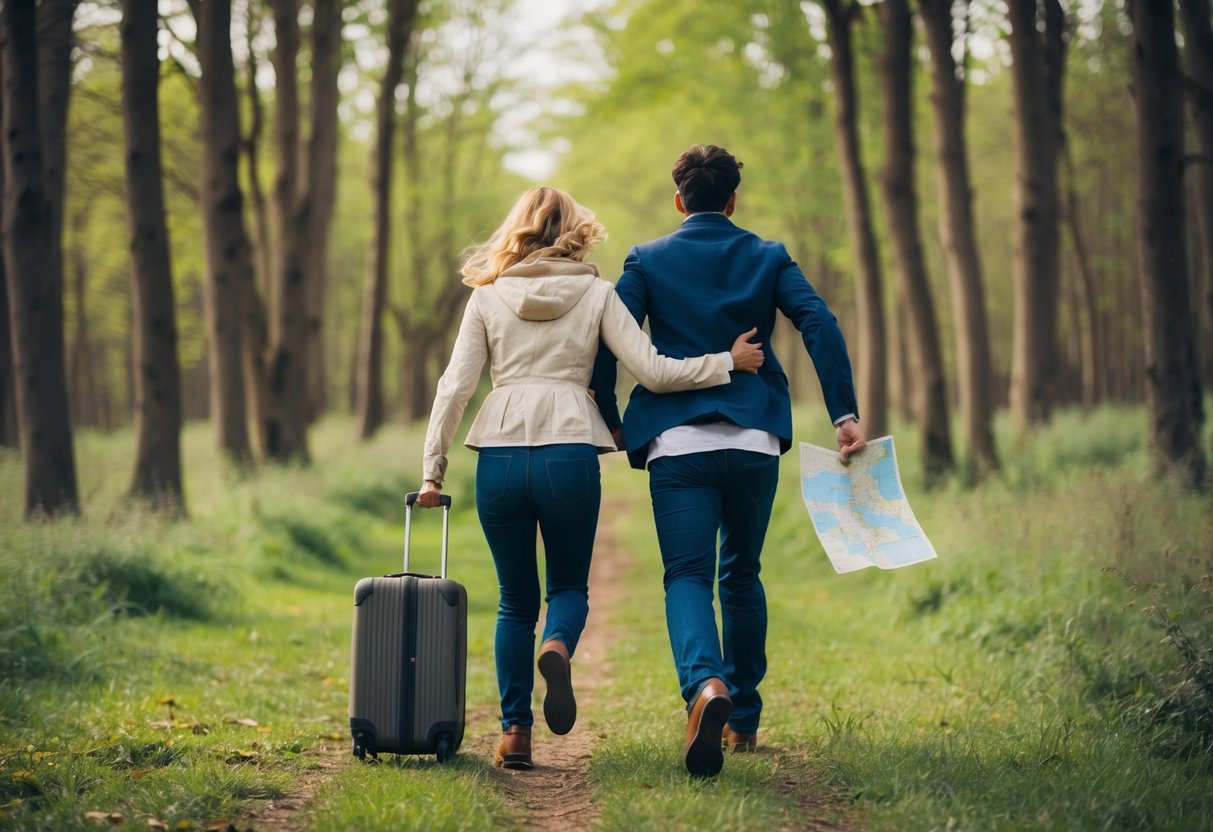
For some, the traditional wedding with a big guest list can feel overwhelming. By opting for elopement, you can personalize your event however you like, whether that means a simple exchange of vows or a special adventure together.
It’s about celebrating your marriage in a way that feels right for you, without any added pressure.
As you explore the idea of eloping, consider what matters most to you and your partner. This path often leads to a more intimate and meaningful experience, allowing your love to shine without distractions from a large ceremony.
Whether you dream of a spontaneous getaway or a meticulously planned escape, eloping can be a wonderful way to say “I do.”
Understanding Elopements
Elopements offer a unique and personal way for couples to marry. They are different from traditional weddings in many ways. You can learn about the history of elopements, how they compare to traditional weddings, and why many couples choose to elope instead.
The Evolution of Elopement
Elopement has changed a lot over time. Originally, it meant running away to get married without telling anyone. This was often due to disapproving parents or societal pressures. Today, eloping can be a planned event where you choose a special location.
Couples now often see elopements as a chance to create a meaningful experience just for themselves.
Adventure elopement is growing in popularity. This could mean saying “I do” at a breathtaking mountain top or a serene beach. Many couples want to break away from the traditional structure and opt for something more intimate and tailored to their preferences.
Elopement Vs. Traditional Wedding
The key difference between elopements and traditional weddings is the focus on guests. A traditional wedding usually includes family and friends. This can mean large gatherings with hundreds of people and extensive planning.
In contrast, an elopement is typically intimate, often just the couple or a few close friends.
Elopements allow for more personalization. You can choose the location, decorations, and even the officiant. This flexibility makes each elopement unique and fitting to your personalities.
Traditional weddings may involve more expectations and pressures, while elopements can be a stress-free celebration.
Reasons Couples Choose to Elope
Many couples choose to elope for various reasons. One common reason is to keep costs down. Traditional weddings can be expensive, whereas elopements often have lower expenses.
Another important reason is the desire for intimacy. Eloping offers a chance to focus solely on each other without distractions. Also, many couples prefer non-traditional ceremonies. This might include personalized vows or unique locations that reflect their journey together.
Finally, some couples just want an adventure. Elopements can be a thrilling way to start your life together. You get to explore new places or do activities that you both love. This is why many couples find eloping to be the perfect fit for their relationship.
Planning Your Elopement
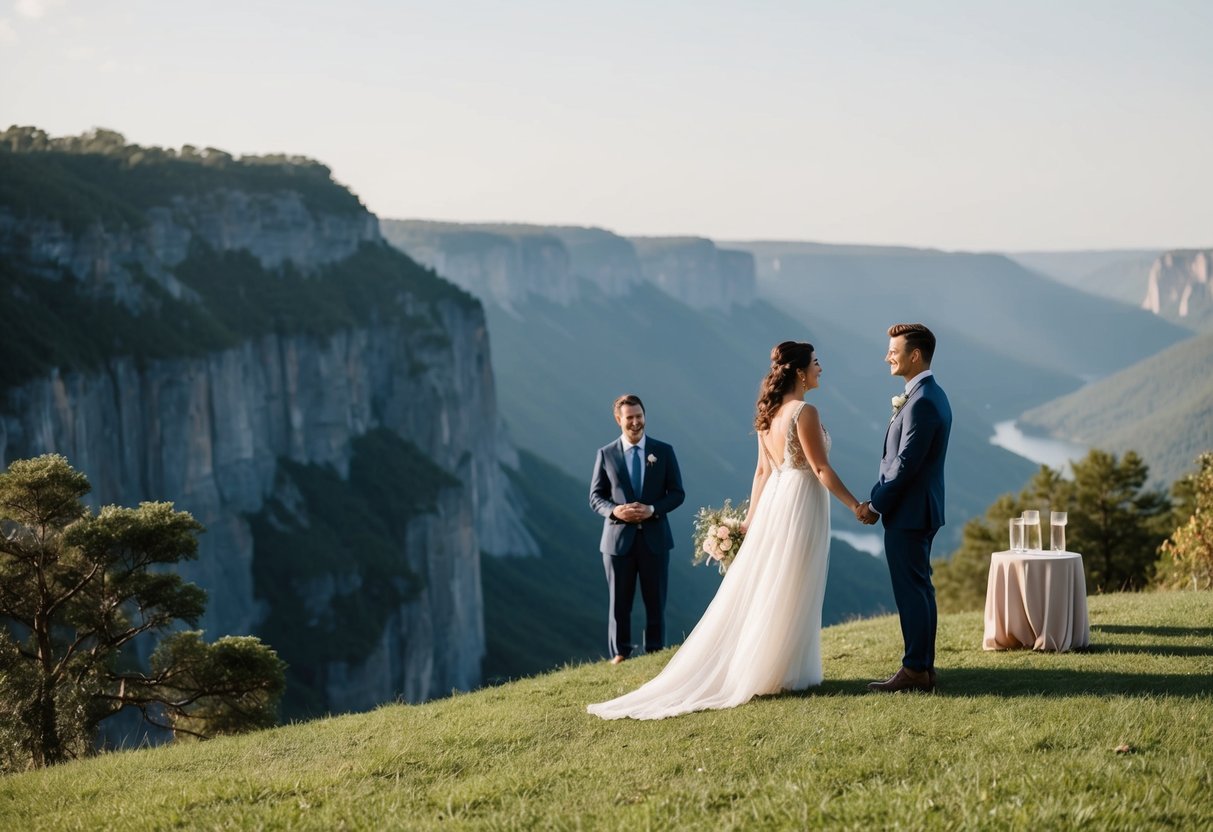
Planning your elopement can be a fun and exciting adventure. It offers the chance to create a special day that reflects your unique love story. You have the freedom to choose the location, set your budget, and consider legal requirements.
Choosing the Perfect Location
The location sets the mood for your elopement. Think about places that are meaningful to you both. Popular options include scenic mountains, serene beaches, or even a cozy park.
Consider places where you can have your intimate ceremony without interruptions. If you love adventure, look into unique destinations, like a national park or a city you’ve always wanted to explore.
Make sure the location fits your vision and is accessible for any guests you invite.
Building Your Elopement Budget
Creating a budget is essential for your elopement planning. Decide how much you can spend and stick to that amount. Here are some important items to include:
- Venue Fees: Some locations may charge for access.
- Photography: Capture your special moments with a professional photographer.
- Attire: Choose outfits that match the vibe you want.
- Travel Costs: Factor in transportation if you’re eloping far away.
- Flowers and Decor: Keep it simple or go all out!
Be flexible with your budget as you plan. You can make choices that fit your style without breaking the bank.
Legal Considerations and Marriage Licenses
Before you elope, make sure to check the legal requirements for getting married in your chosen location. This often includes obtaining a marriage license. Requirements can vary by state or country.
Here are some steps to follow:
- Research Local Laws: Understand the rules where you’re getting married.
- Get a Marriage License: Apply well in advance. Each location has different wait times.
- Bring Necessary Documents: Commonly needed items include identification and possibly proof of residency.
Being prepared will ensure a smooth ceremony and allow you to focus on what really matters—celebrating your love!
The Elopement Experience
Eloping can offer a refreshing alternative to traditional weddings. This journey allows you to create an intimate ceremony, capture the special moments, and decide how to share your joy with loved ones.
Creating a Personal and Intimate Ceremony
When you elope, your ceremony is all about you. You can choose a stunning backdrop, whether that’s a mountain peak or a serene beach. Without the pressure of a large guest list, you can focus on what truly matters: your connection.
Personal vows can be exchanged, making the event feel even more special. Consider adding unique elements, like a favorite song or a tradition that holds meaning for you both. This is your chance to create an atmosphere filled with love and happiness.
Capturing the Moment: Elopement Photography
Hiring an elopement photographer can help you preserve the magic of your day. Look for someone who understands your vision and style.
They can capture beautiful, candid moments that reflect your love story.
Whether you choose to have a simple shoot or a more adventurous one, your photographer should be ready to follow you wherever your heart takes you.
From sunrise ceremonies to intimate sunset portraits, every picture will tell a story. Make sure to share your ideas with the photographer for the best results.
Sharing the News with Family and Friends
After your elopement, you might want to tell family and friends about your special day. Consider having a post-elopement reception to celebrate with loved ones.
This can be a casual gathering, a dinner party, or a fun celebration where you share your photos and stories.
You might write personalized notes or make a fun video to recap your adventure. The goal is to keep the joy alive and include everyone in your journey, even if they weren’t there on the day.
After the Elopement
After your elopement, there are important things to consider. You might think about whether to have a post-elopement reception and how to handle family dynamics. These choices can impact your happiness and future memories.
Considering a Post-Elopement Reception
A post-elopement reception can be a way to celebrate your marriage with loved ones. You can choose a casual gathering or a more formal affair, depending on your style. Venue options range from restaurants to gardens or even your home.
Pros of a Reception:
- Sharing joy with family and friends
- Creating lasting memories together
Cons of a Reception:
- Potential stress in planning
- Possible costs that add up
Ultimately, your choice should reflect your desires and comfort level. Remember to communicate with your partner about what feels right for you both.
Navigating Family Dynamics and Future Regrets
After your elopement, family dynamics can play a significant role. Some family members may feel left out, while others might be supportive and excited. It’s crucial to address any feelings that arise.
Open communication can help ease tension. Consider having honest conversations to explain your decision. It may help to involve family in small ways, like sharing your elopement photos.
Think about future regrets as well. If you suspect you might wish you had celebrated with more people, a small microwedding or gathering could be a great compromise. Balancing your desires with family expectations can lead to a more fulfilling celebration of your love.