
What is Etiquette for Sending Invitations? A Friendly Guide to Making Your Guests Feel Welcome
Sending invitations can feel tricky, especially when you want to make a good impression. The key etiquette for sending invitations includes sending them in a timely manner, clearly stating the details of your event, and ensuring that your guests know how to RSVP. By following these simple guidelines, you can help set the right tone for your gathering.
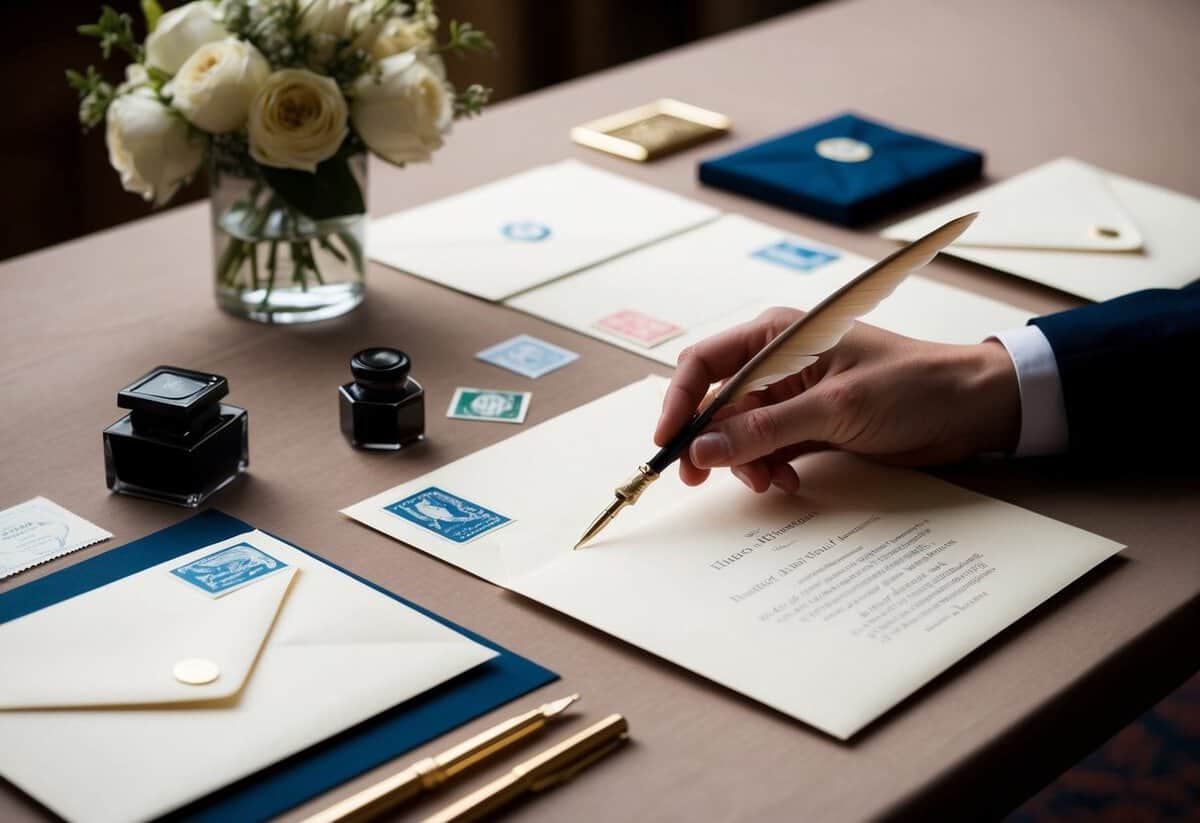
You may wonder why invitation etiquette matters. Proper etiquette shows respect for your guests and helps them feel valued. It also allows them to plan ahead and join in the celebration with ease. Whether it’s a wedding, birthday party, or dinner gathering, knowing how to send invitations the right way will enhance the experience for everyone involved.
As you prepare to invite your friends and family, consider these essential tips. They will make the whole process smoother and more enjoyable, leaving you free to focus on making your event a success.
Getting Started with Invitations
When planning an event, understanding etiquette for sending invitations is key. You want to make sure your guests feel welcomed and informed. This section will help you with proper invitation techniques and how to curate your guest list.
Understanding Invitation Etiquette
Invitation etiquette is all about following traditional guidelines to ensure your event is well-received. First, decide the style of your invitation based on the event’s formality. For a wedding, you might choose an elegant design, while a casual gathering could use a fun card.
Next, be clear about details. Include the date, time, location, and dress code, if necessary. Always remember to use proper language. For example, use “invite” when requesting attendance and “invitation” as the noun.
Don’t forget the RSVP! This means “répondez, s’il vous plaît,” or “please reply.” Asking guests to respond helps you plan better. You can include a deadline for RSVPs to keep things organized.
Determining the Guest List
Creating a guest list is crucial for any event. Start by listing people you want to invite. Prioritize close friends and family first. Think about the space available and how many people you can accommodate.
Consider using categories for your list. For example, make columns for “Must Invite,” “Would Love To Invite,” and “Consider If Space Allows.” This helps streamline your decisions.
Keep in mind that for events like weddings, proper etiquette suggests sending individual invitations to adult children, even if they live at home. For younger kids, you can include them in their parents’ invite. This ensures everyone feels included while following tradition.
Creating the Perfect Invitation
When planning an event, creating the perfect invitation is key. It sets the tone for your occasion and gives guests the essential information they need. You want to ensure your invitation is pleasing to the eye, clear in its message, and easy for guests to respond to.
Design and Wording
The design of your invitation should match the theme of your event. For formal occasions, like weddings, opt for elegant colors and fonts. For a baby shower, playful designs with soft pastels are great choices.
Your invitation wording should be straightforward and friendly. Include who is hosting the event, the name of the guest of honor, and the type of event. For example:
- Who: You and your partner
- What: Wedding celebration
- When: Date and time
- Where: Venue name and address
Don’t forget to use clear RSVP language, inviting guests to confirm their attendance.
Incorporating RSVP and Response Cards
Adding RSVP details is crucial for managing your guest list. Clearly state how guests should respond—whether through a phone call, text, or RSVP card.
If you include an RSVP card, keep it simple. A typical layout might include:
- Attend: Yes/No options
- Name: Space for their name
- Additional Guests: Room for names of any guests they might bring
Include a return address on the envelope, making it easy for them to respond. This small touch shows you care about their convenience.
Adding Event Details and Registry Information
Make sure to include all essential event details. This includes the date, time, and location of your gathering. If it’s a wedding, sharing your registry information can help guests know where to shop.
If you have a wedding website, include that link on the invitation too. It serves as a helpful resource for guests. This is a great place to share registry links and additional information about your event.
Ensure all these details are clearly stated in a logical order. Clarity helps your guests feel informed and excited about your event!
Sending Invitations Properly
Sending invitations is a crucial step in planning your event. Whether you choose digital or physical invites, each method has its benefits and considerations. Let’s explore how to manage save-the-dates while handling postage and preparation.
Choosing Between Digital and Physical Invitations
When deciding between digital and physical invitations, think about your event’s formality. Physical invitations, such as those for weddings and formal gatherings, convey elegance and thoughtfulness. They often set the tone for the event.
Digital invitations are cost-effective and better for casual occasions. They allow for easy RSVP tracking and fast communication. You can use platforms like Evite or Paperless Post.
Consider your guests too. Not everyone may appreciate digital invites. Make sure that your choice reflects your style and the event’s atmosphere.
Managing Save-the-Dates
Save-the-date cards are essential for letting guests know about significant events in advance. Ideally, you should send them out 6 to 8 months before formal gatherings.
Include key details like the event date, location, and your names. Simple designs can still make a big impact.
For casual events, a simple email may suffice, but for weddings, printed cards add a personal touch. Don’t forget to follow up with formal invitations later, providing all the specifics.
Addressing Postage and Handling
Pay attention to postage when sending physical invitations. Check the weight and size of your invites to ensure you use the correct stamps. A miscalculation can lead to extra charges or delayed mail.
Handwriting addresses adds a personal touch. Make sure to include return addresses and RSVP details. Consider using a clear, legible font for printed addresses.
For bulk mailing, consider visiting a local post office. They can help with postage rates and bulk mailing options.
Final Considerations Before Sending
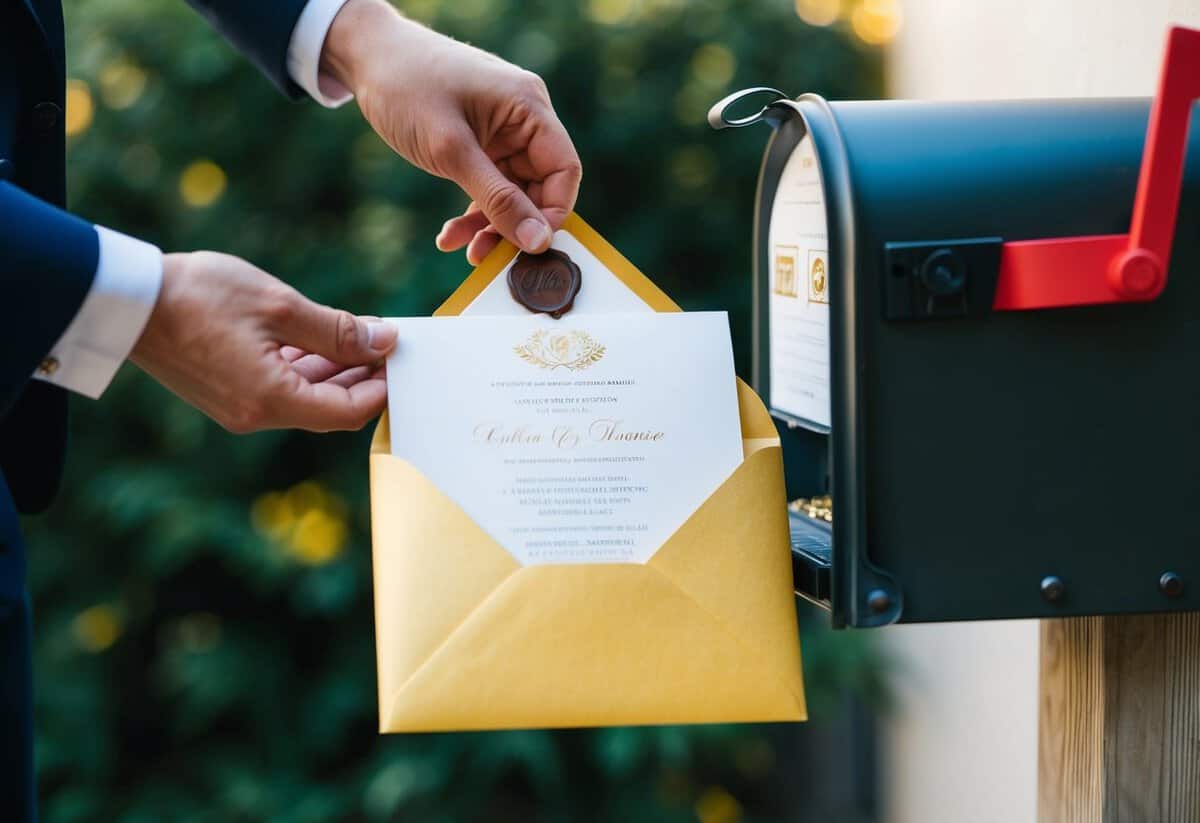
Before you send out your invitations, take a moment to think about a couple of important details. These include the dress code and ensuring you follow proper invitation etiquette. Paying attention to these factors will make your invitations stand out and help your guests feel comfortable.
The Role of Dress Code
Including a dress code on your invitation sets clear expectations for your guests. It helps them decide what to wear based on the formality of your event.
You can use terms like “casual,” “cocktail,” or “black tie” to guide them. If your wedding is outdoors, you might suggest “beach casual” or “rustic charm.”
Make sure to explain any specific attire, like the need for comfortable shoes if there’s uneven ground. A well-defined dress code can reduce confusion and ensure everyone arrives ready to celebrate.
Reviewing Invitation Etiquette
When preparing your invitations, consider key etiquette rules. First, always address guests by their proper titles, such as Mr., Mrs., or Dr. This shows respect and sets a formal tone.
Ensure you include all essential details like the time, date, and location of the event. You might also want to mention RSVP details clearly, so guests know when to respond.
If you’re inviting children, decide if they are included or if the invitation is “adults only.” Double-check your wording to avoid any unintentional misunderstandings. Taking these steps will help your event run smoothly and make your guests feel valued.