
What Is Involved in Rehearsal? A Friendly Guide to Preparation and Practice
Rehearsal is an essential part of preparing for any performance in theatre and the performing arts. In these sessions, actors, dancers, musicians, and technicians come together to bring a script or score to life. During these sessions, you’ll work on timing, movement, and emotional delivery, all while collaborating with your fellow performers to create a polished final piece.
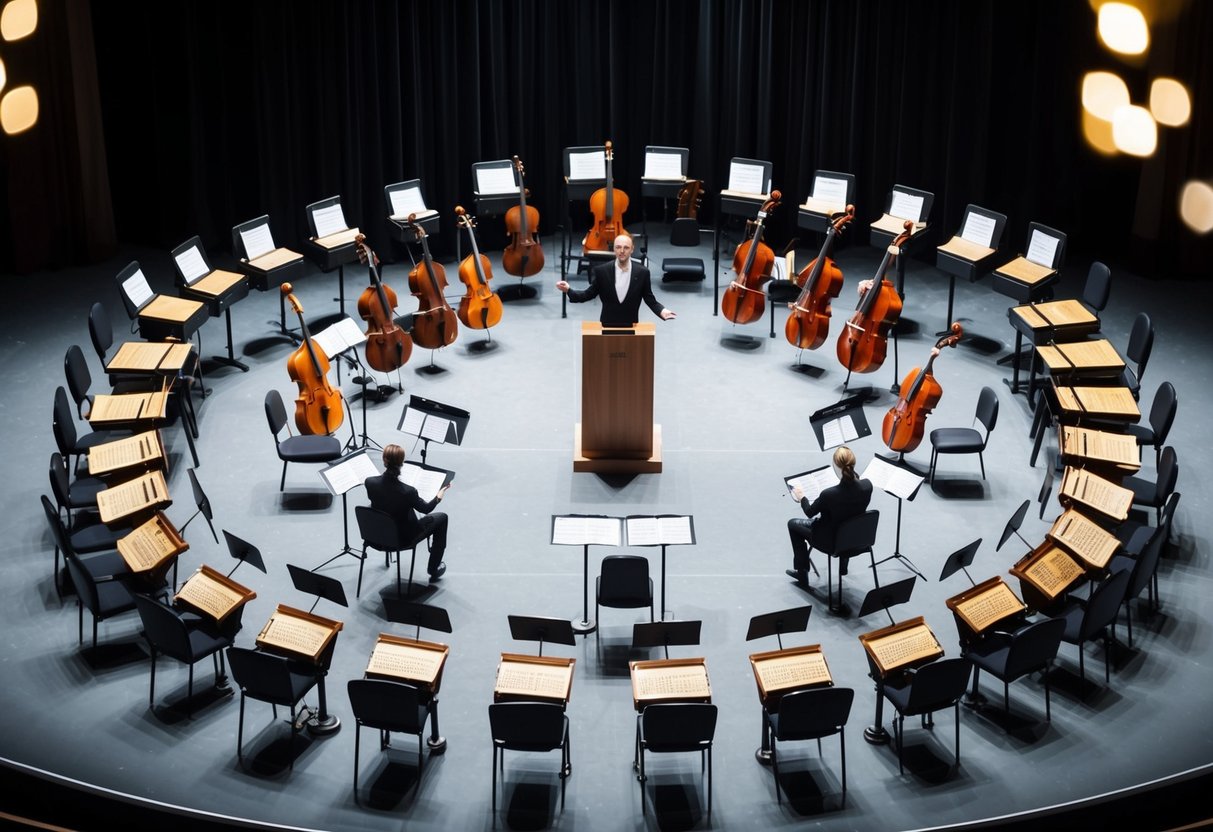
Engaging fully in rehearsals helps you gain confidence in your role and understand the overall flow of the production. You will also experience the creative process, which is often filled with laughter and challenges. The blend of discipline and spontaneity can lead to memorable moments that enhance your performance.
Whether you are a seasoned performer or just starting out, the rehearsal process is where you hone your skills and build connections with your team. By committing to this valuable time together, you set the stage for a successful show that resonates with your audience.
The Fundamentals of Rehearsal
Rehearsals play a crucial role in preparing for performances. Understanding their purpose and the types involved will help you make the most of this process.
Understanding Rehearsal Purpose
The main goal of rehearsal is to ensure that everyone is ready for the performance. You practice to improve your skills and build confidence.
During rehearsals, you work on specific sections to correct mistakes. This helps to create a smooth flow for the performance. Regular rehearsals also help everyone learn to work as a team, which is essential for a successful show.
Key activities might include warm-ups, run-throughs, and feedback sessions. Each part of the rehearsal contributes to the overall quality of the performance. As you practice, you’ll notice your progress, making you feel better prepared.
Types of Rehearsals
Different rehearsals serve various purposes throughout the process. Here are some key types to know:
-
First Rehearsal: This is when you gather for the first time. It’s often about introductions and getting a sense of the production.
-
Technical Rehearsal: In this stage, you focus on the technical aspects. Lighting, sound, and stage setups are worked on to ensure everything runs smoothly.
-
Dress Rehearsal: This is your final rehearsal before the show. Everyone wears costumes, and you go through the entire performance as if it were the real thing.
Each type of rehearsal is important and helps everyone get ready for the performance day. By understanding these stages, you’ll feel more confident and ready to shine on stage!
Key Rehearsal Components
Rehearsals are crucial for bringing a performance to life. They involve careful planning and collaboration to refine the show’s elements. Focusing on specific components like blocking, choreography, and musical elements is essential for a successful rehearsal.
The Art of Blocking
Blocking is the movement of actors on stage. It’s important because it helps tell the story visually. You should plan where each character will be during key moments.
Think about the space you have. Use it wisely to create interesting visuals. Mark specific spots for actors during intense scenes to emphasize emotions.
Also, consider the relationships among characters. Their positions can show connections or conflicts. Use blocking to guide the audience’s eyes to the action or dialogue that matters most.
Outside of the performance, you will want to practice the blocking so everyone knows their marks. This practice can be done with minimal dialogue, focusing solely on movement and positioning.
Choreography and Movement
Choreography adds movement to the performance and keeps it engaging. It is not just for dance; it includes any physical actions that tell a story.
When planning choreography, think about the tempo and mood of each scene. Use specific movements that match the emotions you want to convey. Make sure everyone is comfortable with the steps.
Rehearsals should include a lot of practice for these movements. Practice helps to ensure that each action is smooth and looks natural. Pay attention to how these movements fit within the overall flow of the performance.
Tip: Always communicate with your team. Ask for feedback and be open to changes. This will create a supportive environment where everyone can shine.
Musical Elements
Music plays a key role in setting the tone and atmosphere. Understanding intonation, dynamics, and phrasing can enhance the performance.
When rehearsing, make sure to pay attention to these musical elements. The conductor will guide the group to ensure everyone is in sync. Check that your intonation is consistent and clear.
Dynamics are important, too. Use louder and softer sounds to create contrast and keep the audience engaged. Phrasing helps to express musical ideas. It should feel natural and match the emotions conveyed by the scene.
Practice these components regularly. Regular rehearsals will help everyone become more comfortable and confident in their roles.
Enhancing Collaboration and Communication
Effective collaboration and strong communication are essential for a successful rehearsal. When everyone works together, the performance improves, leading to a more engaging experience for both performers and the audience. Here’s how you can enhance these important aspects.
The Role of the Director and Conductor
The director or conductor plays a vital role in guiding the rehearsal process. They set the vision and tone, ensuring that everyone understands their parts. Clear communication from them helps reduce confusion.
- Set Clear Goals: Make sure each rehearsal has specific objectives.
- Encourage Questions: Create an environment where you feel comfortable asking for clarification.
Listening is also key. When directors actively listen to your feedback, it shows that your input matters. This two-way communication strengthens the whole ensemble.
Cultivating an Ensemble Spirit
Fostering a sense of community among performers is crucial. When you feel like a team, collaboration becomes natural.
- Team Building Activities: Engage in exercises that strengthen relationships.
- Celebrate Successes: Acknowledge team achievements, no matter how small.
Encouraging open dialogue allows you to express ideas and concerns. This fosters a supportive atmosphere that makes everyone feel valued, ultimately boosting the quality of the performance.
Effective Feedback and Adaptation
Giving and receiving feedback is a vital part of rehearsal. Constructive criticism helps you improve and adapt your performance.
- Be Specific: Focus on what can be changed for better results. Avoid vague comments.
- Keep It Positive: Frame your feedback to highlight strengths before discussing areas for growth.
It’s essential to actively listen when receiving feedback. Take notes and ask questions if something isn’t clear. This exchange strengthens collaboration and leads to personal and group growth, making the rehearsal process smoother and more effective.
Preparing for Performance Day
As performance day approaches, the excitement builds. You want to ensure everything is set for a smooth opening night. This involves important steps like technical and dress rehearsals, as well as final preparations.
From Technical to Dress Rehearsals
Technical rehearsals are crucial for getting all elements in sync. This is where lighting, sound, and set changes come together. You will practice with all technical aspects to ensure everything works perfectly.
After technical rehearsals, dress rehearsals take place. This is your chance to run the show in full costume. It helps you get comfortable with everything you’ll wear and how it fits with your character. These rehearsals also help troubleshoot any issues, so be sure to give it your all.
The Final Touches Before Opening Night
As you prepare for opening night, focus on your character and lines. Go over your script once more and practice those tricky lines.
It’s natural to feel turbulence in your nerves. Take deep breaths and visualize your performance.
In the final days, make sure to hydrate well and rest your voice. Checking any props or costumes you will need is important too.
Arriving early on performance day allows you to settle in and calm any nerves. Take this time to connect with your fellow cast members for support before the show begins.