
What is it called when the bride and groom walk down the aisle? A Guide to Wedding Processional Terms
As you prepare for your big day, you might be wondering about the special moments that make weddings so memorable. One of the most significant parts of the ceremony is when you and your partner walk down the aisle together. This moment is often referred to as the “processional,” and it symbolizes your journey into a new life filled with love and commitment.
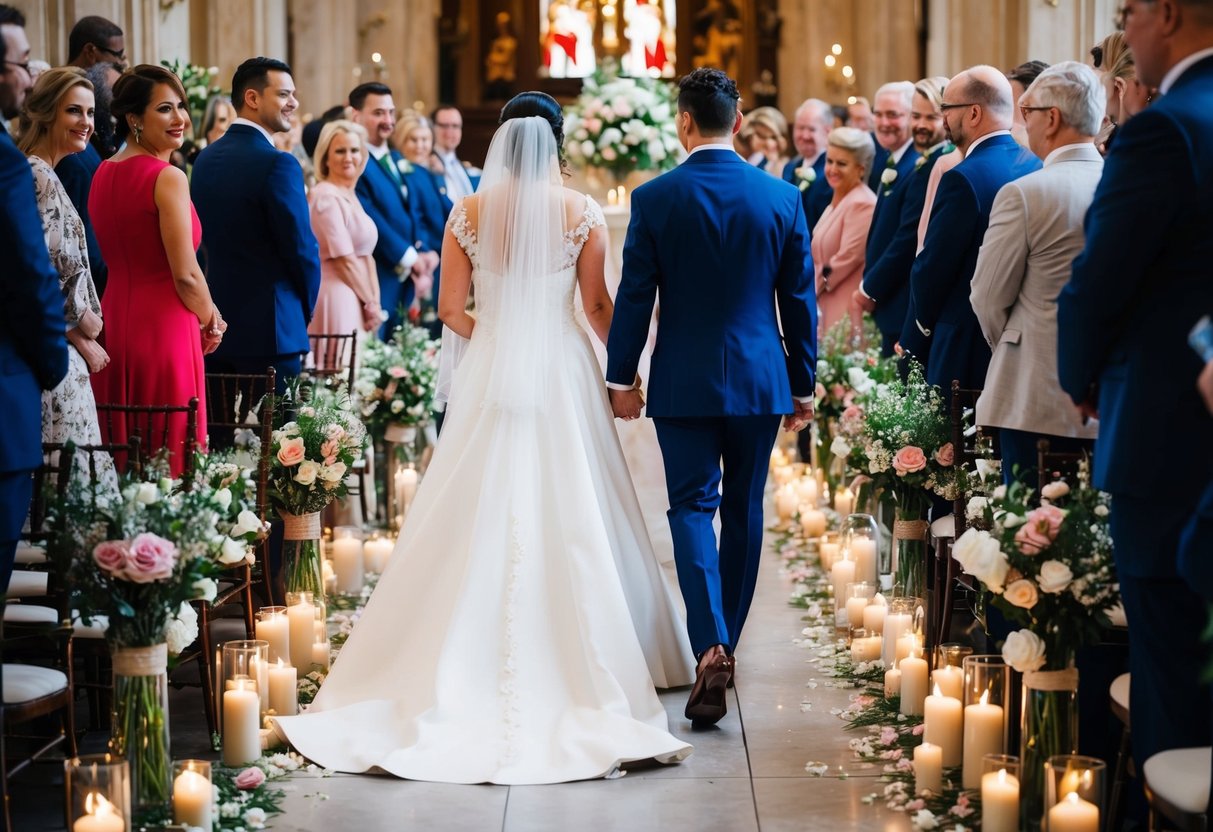
The aisle itself is more than just a pathway; it’s a meaningful space that represents the transition from single life to a joined future. When you walk down this beautiful path, you’re not only surrounded by friends and family, but you’re also participating in a time-honored tradition that celebrates love and togetherness. This moment is cherished by many, marking the start of your wedding ceremony and inviting joy into the hearts of everyone present.
Understanding the significance of this walk can enhance your appreciation for the ceremony. From the choice of music to the way you hold each other’s hands, each detail adds to the beauty of the moment. Embrace the excitement as you take those steps, knowing that this is just the beginning of your shared journey.
The Wedding Processional
The wedding processional is a special moment during the ceremony when the wedding party walks down the aisle. It sets the tone for the event and includes everyone from parents to the bride and groom. Let’s explore what this involves, including the traditional order and some variations.
Understanding the Processional
The processional marks the beginning of the wedding ceremony. It typically starts with the entry of family members and follows with the bridal party. Understanding how this works can help you plan yours better.
You’ll usually see parents, grandparents, and the wedding party, including bridesmaids and groomsmen, walking in a specific order. The officiant is typically already at the altar, waiting to greet the wedding party. This organized entrance makes the moment feel special and meaningful.
Traditional Order of Walking Down the Aisle
In a traditional wedding ceremony, the order of the processional often follows this sequence:
- Grandparents – They may walk down first.
- Parents – The groom’s parents generally walk together, followed by the bride’s mother.
- Wedding Party – The bridesmaids walk in order, with the maid of honor last.
- Flower Girls and Ring Bearer – They often walk in before the bride.
- Bride – She walks last, typically escorted by her father or both parents.
This order helps create a flow and build excitement leading up to your grand entrance as a couple.
Variations in Wedding Processionals
While many ceremonies stick to tradition, some choose to personalize their wedding processional. For instance, in Jewish weddings, it’s common for the groom to be escorted by both parents.
You might also skip certain traditional roles, such as not having a ring bearer or flower girl. Sometimes, couples walk down the aisle together, symbolizing equality.
Additionally, the music played during the processional can vary widely, from classic tunes to more modern songs. Each choice can create a unique atmosphere for your special day.
Roles and Responsibilities
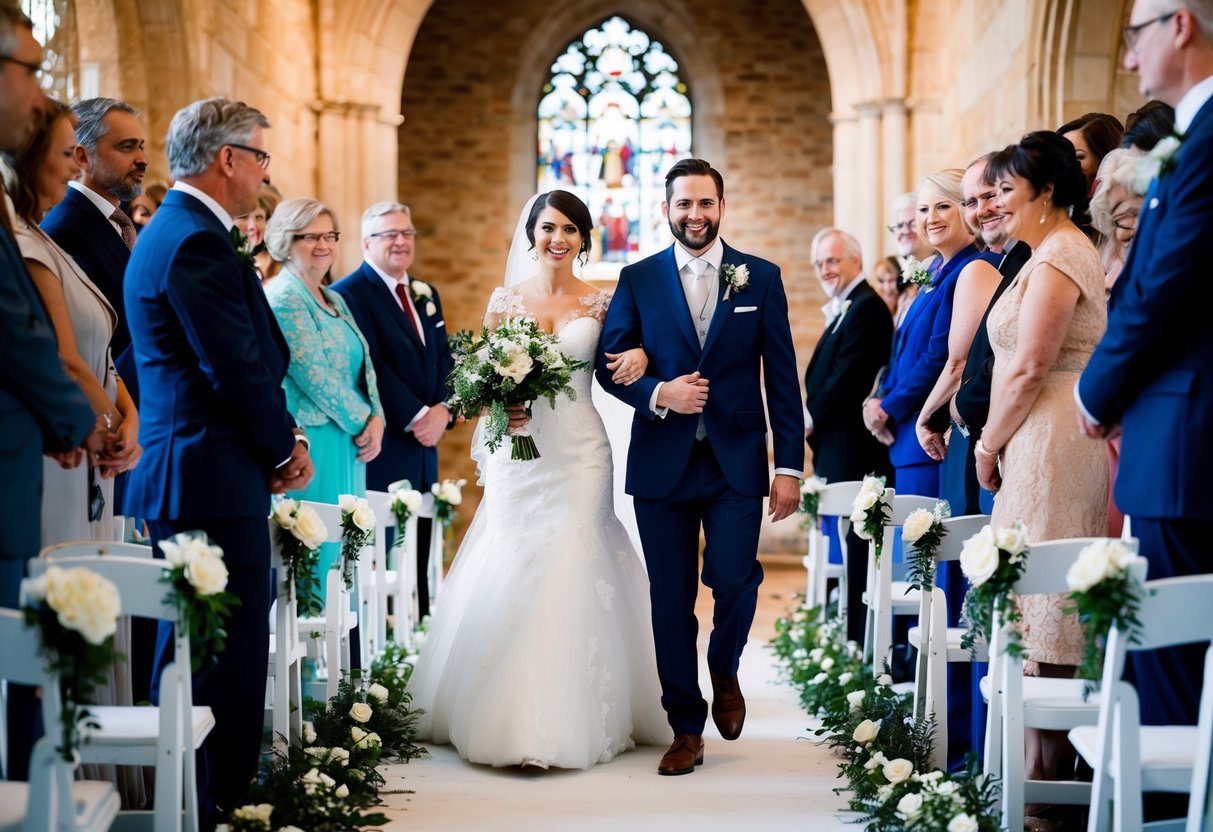
Understanding the roles and responsibilities during the wedding ceremony helps create a smooth experience. Each participant has specific duties that ensure the event flows seamlessly. Here’s a closer look at these important roles.
The Role of the Officiant
The officiant is a key figure in any wedding ceremony. They are responsible for leading the event and ensuring that everything follows the legal requirements. This person can be a religious leader or a legal officiant, depending on your preference.
The officiant guides you and your partner through your vows and the exchange of rings. Their presence is vital as they facilitate the ceremony, helping you express your love. They also often provide words of wisdom and reflection to make the event special.
Bridal Party Participants
Your bridal party includes significant figures like the maid of honor, bridesmaids, best man, and groomsmen. Each person supports you throughout the wedding process.
The maid of honor typically stands closest to you. She helps organize bridal events and supports you emotionally. Bridesmaids may assist with tasks like planning the bridal shower. On the groom’s side, the best man and groomsmen have their roles too.
The best man is responsible for coordinating celebrations and safeguarding the rings. Groomsmen provide support and aid with any needs leading up to your big day.
Immediate Families’ Involvement
Your immediate families play important roles during the ceremony. The parents of the bride and groom often carry special duties. Traditionally, the father of the bride escorts you down the aisle. This moment symbolizes familial support and love.
Your mother may help choose bouquets and ensure everything looks beautiful. The groom’s parents typically greet guests and support their son during the ceremony. Both families may be involved in the reception, giving toasts or offering blessings.
Family involvement adds depth and warmth to your wedding, making it feel more meaningful.
Special Moments and Symbols
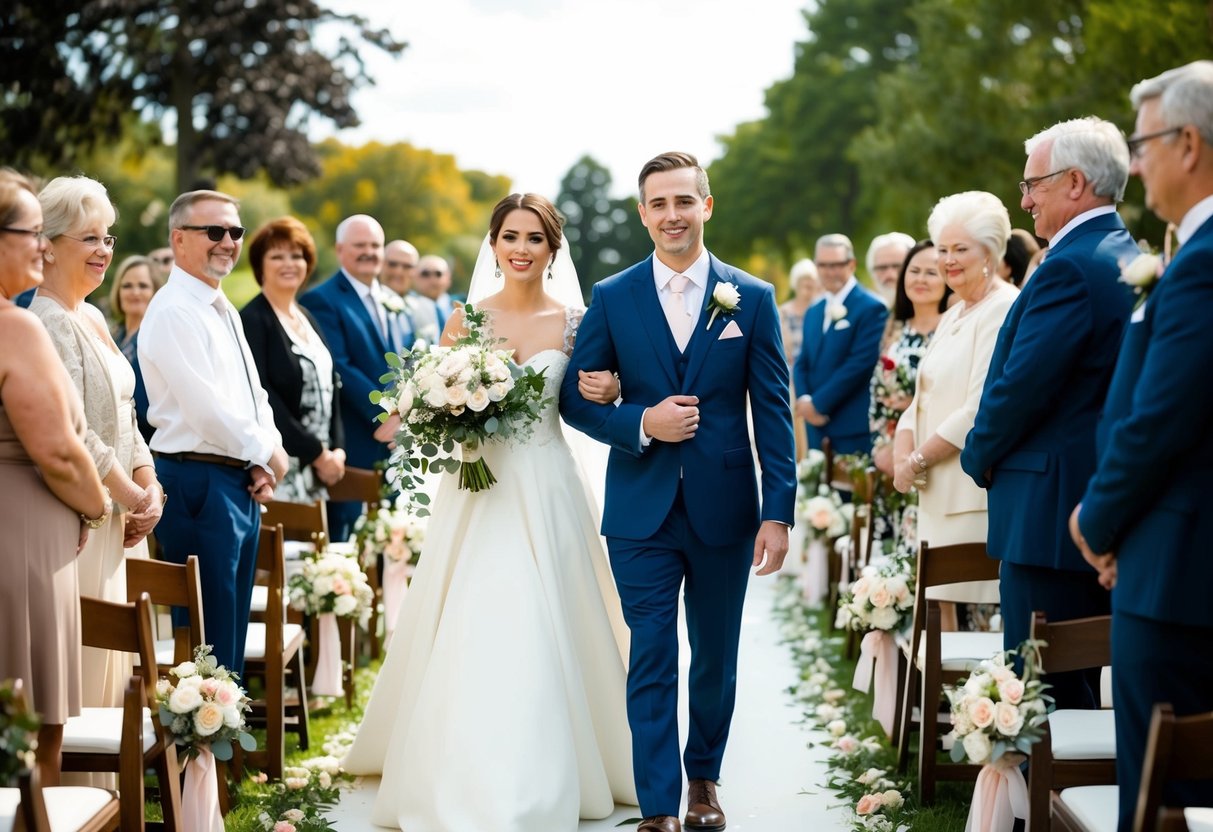
The moment when the bride and groom walk down the aisle is filled with deep meaning and symbolism. This part of the ceremony marks the beginning of their lifelong commitment. Aisles serve as pathways to symbolize their shared journey ahead.
The Entrance of the Bride and Groom
As the bride and groom enter, all eyes turn towards them. This moment reflects their unity and equal partnership. In many traditions, the bride is traditionally walked down the aisle by her father. This symbolizes the support she has from her family.
In recent years, however, couples have chosen to walk down the aisle together. This choice emphasizes their equal role in the marriage. In Jewish weddings, this can include a chuppah, a canopy representing the home they will build together. For Christian weddings, the traditional processional order often sees the bride entering last, adding to the moment’s emotional weight.
Significant Ceremonial Symbols
Many important symbols appear during the processional. The aisle itself represents the path to a new life together. It signifies the journey they embark upon as partners.
Ceremonial elements like vows are crucial. These promises symbolize dedication and love. Whether in a traditional setting or a modern context, these vows create a foundation for the couple’s future.
Additional symbols, like rings, represent the unbroken circle of commitment. Whether a wedding recessional follows after the ceremony or not, the moments during the entrance focus on the couple’s love and partnership. Each detail strengthens their bond as they take significant steps into their new life together.
Musical Elements and Traditions
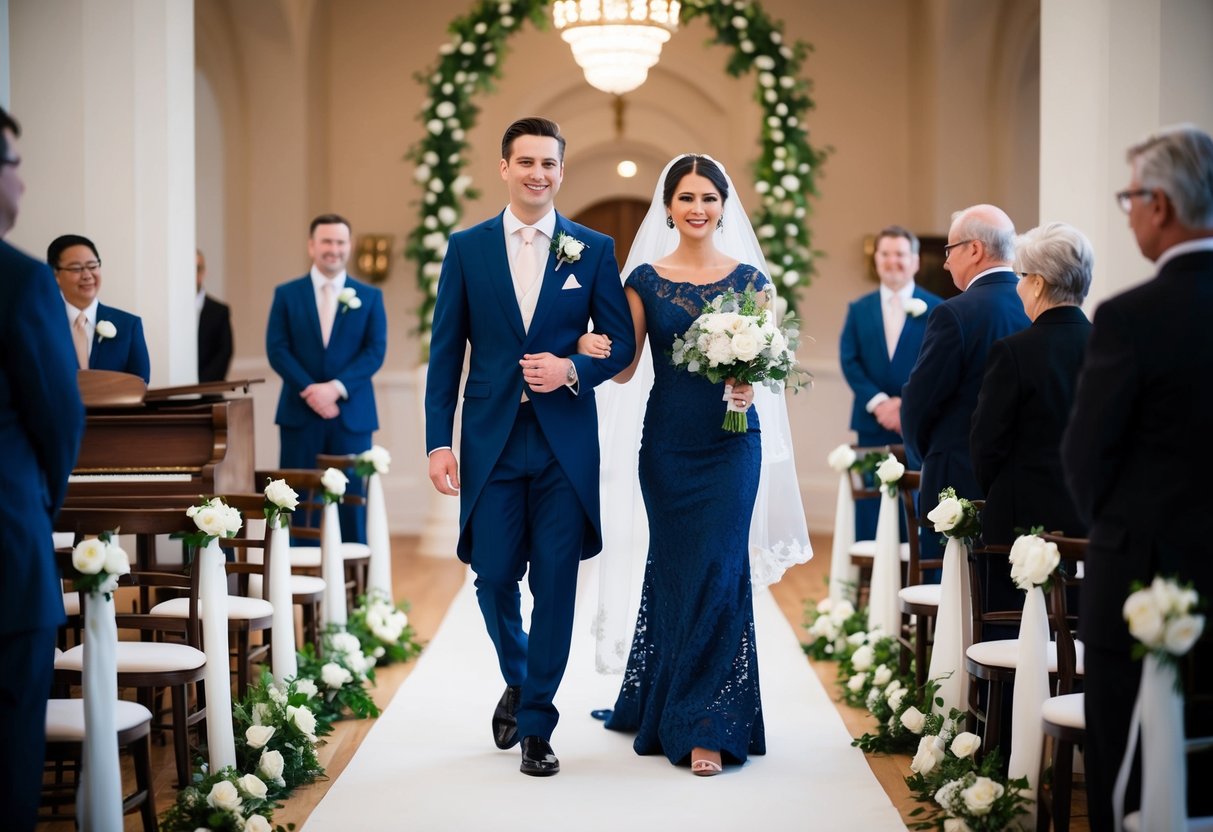
Music plays a key role in setting the mood for your wedding ceremony. From the moment you walk down the aisle to the last song of the evening, each piece of music adds to the beauty of your special day.
Choosing the Processional Music
As the bride and groom enter, all eyes turn towards them. This moment reflects their unity and equal partnership. In many traditions, the bride is traditionally walked down the aisle by her father. This symbolizes the support she has from her family.
In recent years, however, couples have chosen to walk down the aisle together. This choice emphasizes their equal role in the marriage. In Jewish weddings, this can include a chuppah, a canopy representing the home they will build together. For Christian weddings, the traditional processional order often sees the bride entering last, adding to the moment’s emotional weight.
The Recessional and Post-Ceremony Music
After you say “I do,” it’s time for the recessional. During the recessional, you both walk back down the aisle as a married couple. Fun and upbeat music usually plays during this time to celebrate your new union.
Choosing a lively song can set a festive mood for your guests. Many couples select songs that are popular or that resonate with their love story.
Following the recessional, a postlude can keep the energy alive as guests transition to the reception. You can keep a playlist ready for this, including tracks that make everyone want to dance. Don’t forget to consider the first dance song as well; it’s another significant musical moment in your celebration!