
What Is It Called When You Don’t Have a Wedding but Get Married? Understanding Alternative Commitments
You might not want a big wedding celebration but still wish to commit to your partner. When you don’t have a traditional wedding but still want to get married, you can consider options like elopement or a civil ceremony. These choices allow you to legally marry without the large-scale festivities that often accompany a wedding.
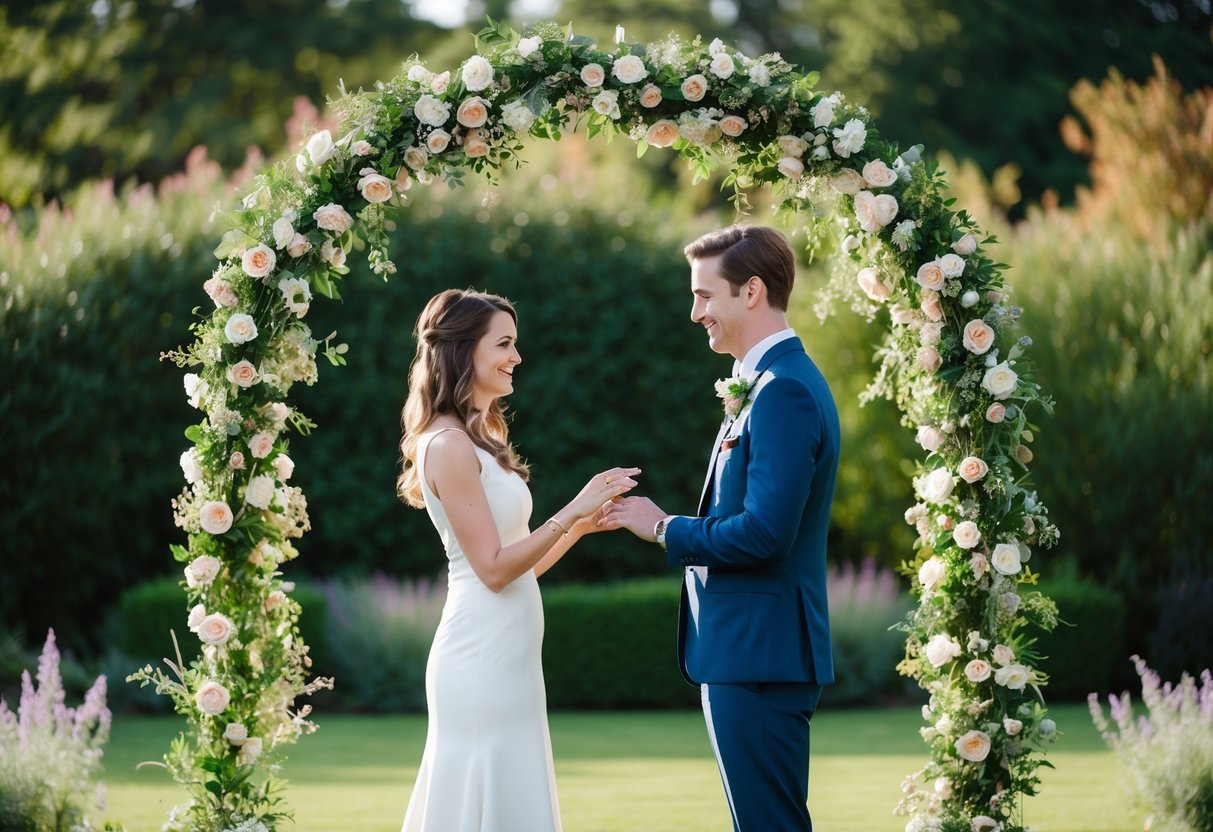
Elopements offer a more private and intimate experience. You can choose a beautiful spot and share the moment with just a few close friends or family. If you prefer something straightforward, a civil ceremony at a courthouse provides a quick and simple way to say “I do” with minimal fuss.
Exploring these options means you can focus on what truly matters to you and your partner. Whether you want an intimate setting or a no-frills legal process, there are plenty of ways to celebrate your love without following traditional wedding norms.
Understanding the Essentials of Elopement
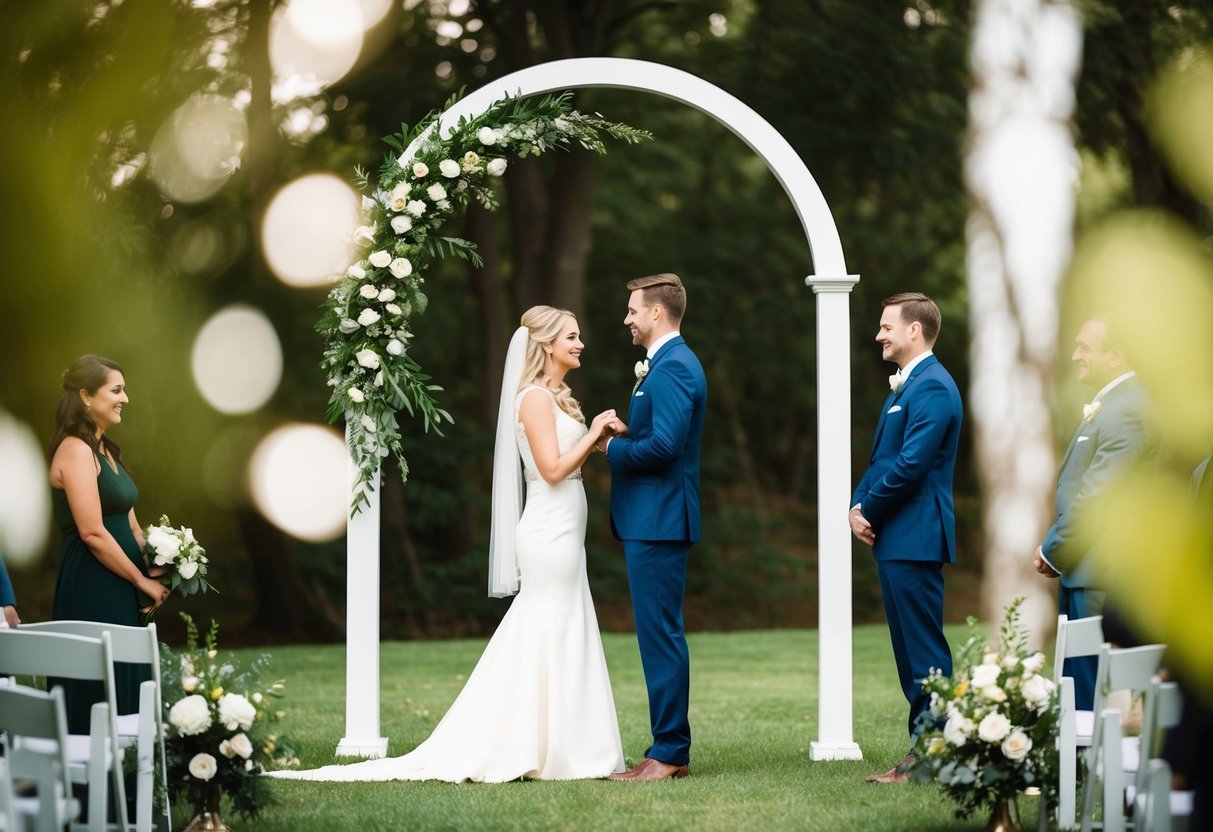
Elopement is an option that allows you to get married without the traditional wedding experience. It focuses on intimacy and personal choice, making it a popular choice for many couples today.
Defining Elopement
Elopement is marrying without a large ceremony or full guest list. Traditionally, it meant sneaking away to tie the knot in secret. Modern elopements can still be private, or you might invite a few close friends or family to join.
You can choose a location that reflects your style, whether it’s a scenic mountain, a beach, or even a courthouse.
Elopements typically require just two witnesses and an officiant to make the marriage legal. This simplicity allows you to focus on what matters most—your commitment to each other.
Elopement Vs. Traditional Wedding
When comparing elopement to a traditional wedding, the differences are clear. A traditional wedding usually involves a large gathering with many guests, elaborate planning, and often significant expenses.
With elopements, the emphasis shifts from the event to the couple. You get to personalize every detail, choosing an adventure elopement if that’s your style.
You face fewer obligations and stressors, allowing for a more relaxed experience. Eloping can feel more meaningful since the focus is solely on your love and vows.
The Legalities of Getting Married Without a Wedding
When you decide to get married without a traditional wedding, it’s important to know the legal steps involved. This section focuses on obtaining a marriage license, understanding civil ceremony options, and the role of an officiant in your legal marriage.
Obtaining a Marriage License
To be legally married, you’ll need to obtain a marriage license. This document is typically available at local government offices, such as county clerks or registrars. Requirements can vary by state or country, so it’s wise to check your local laws.
Before applying, you may need valid ID and sometimes proof of residency. Fees can range from $30 to $100, depending on where you live. Most licenses are valid for a limited time, usually between 30 to 90 days.
Remember, both partners must be present to apply. After getting your marriage license, you’ll be all set to move to the next steps in your journey to getting legally married.
Civil Ceremony Options
A civil ceremony is a way to tie the knot without the traditional wedding festivities. This option is often held at a courthouse or city hall. It can be as simple or as intimate as you want, without all the extras that come with a big wedding.
In many places, civil ceremonies are performed by a judge or court official. These ceremonies are recognized legally, so you won’t miss out on any important rights and responsibilities that come with marriage.
You can invite a few close friends or family members if you’d like. This is an excellent alternative if you want to focus on the legal aspect of marriage without all the fanfare.
Role of the Officiant in Legal Marriage
An officiant plays a crucial role in your legal marriage. They are the person who officiates the ceremony, ensuring that it meets legal requirements. In most cases, this could be a judge, a licensed officiant, or even a friend or family member who gets ordained.
When you choose an officiant, ensure they are authorized to perform marriages in your area. During the ceremony, the officiant will guide you through your vows and sign your marriage license, making it official.
Don’t forget to discuss the details of the ceremony with your officiant. Open communication ensures everything goes smoothly and that your legal marriage is recognized.
Alternatives to the Traditional Marriage Ceremony
If you’re looking for ways to get married without a formal wedding, there are several options. Each choice offers a unique way to celebrate your love without the traditional ceremony.
Backyard and Intimate Weddings
A backyard wedding is a cozy and personal way to tie the knot. It can be held in your own backyard or at a friend’s or family member’s place.
The setting allows for a relaxed, casual feel. You can decorate it however you like, which saves on costs and adds a personal touch. It’s easy to invite a small group of close friends and family, creating an intimate atmosphere.
You can also control the timeline. This means you can have the ceremony at a time that works best for you. With a backyard wedding, you create memories without the stress of a large event.
Commitment Ceremonies
A commitment ceremony is a meaningful way to celebrate your relationship without legal requirements. It can be as simple or elaborate as you wish.
The ceremony focuses on your love and commitment to each other. You can invite family and friends to witness your vows, making it special.
Many couples choose unique themes or personal elements. This could include readings, music, or even cultural traditions that reflect your journey together.
A commitment ceremony doesn’t require a marriage license, making it easier for couples who want a special day without the legalities.
Elopement Ceremony Fundamentals
Eloping is a popular choice for couples who want to marry without the fuss of a traditional wedding. An elopement usually involves just the couple and sometimes a witness.
You can head to a scenic location, like a park or beach, to exchange vows. This creates a beautiful backdrop for your special day.
Make sure to check local marriage laws and obtain a marriage license beforehand. This ensures that your elopement is legal and recognized.
Elopements can also be customized with personal touches like flowers or photography. This way, you still have special memories without the large crowds.
Cultural and Personal Considerations
Understanding the cultural and personal aspects of marrying without a traditional wedding can guide your decision. These considerations touch on how society views such choices and the benefits that can enhance your relationship.
Societal Perception and Acceptance
In recent years, many people have begun to accept different ways of getting married. Some see elopements or civil ceremonies as a valid choice. This shift reflects changing values around marriage, where a wedding is no longer the only option.
Education plays a key role in this acceptance. As people learn more about cohabitation and alternative marriage options, they become more open-minded. You might find that your friends and family are supportive of your choice to skip the wedding ceremony.
Concerns about not following tradition can arise, but they often lessen with time. When you explain your decision to loved ones, they can appreciate your unique approach to commitment.
Personal Benefits of Elopement
Eloping or choosing a civil ceremony can offer several personal benefits. For one, you can save money. Traditional weddings can be expensive, with costs adding up quickly for venues, decorations, and catering.
You also gain more control over your day. Without the stress of planning a large event, you can focus on what truly matters: your relationship.
A simple ceremony allows you to express your love in a meaningful way.
Additionally, elopement often provides an intimate experience. You can share your vows in a private setting, surrounded by just a few close friends or family members, or even just the two of you. This intimacy can deepen your bond.
Finally, skipping the big wedding can help you prioritize your future together. Couples can start their lives as partners sooner, leading to a cohabitation agreement that benefits both parties. A focused approach to your marriage can be a good foundation for your journey together.