
What Is It Called When You Don’t Have a Wedding? Exploring Alternatives to Traditional Ceremonies
If you’re thinking about marriage without the fuss of a traditional wedding, you might wonder what options are out there. This scenario is often referred to as an elopement or a civil ceremony. These choices allow you to get married legally without the expense or formality of a big event.

Imagine exchanging vows in a quiet park or even your backyard, surrounded only by a few close friends or family. You can keep it simple, yet meaningful.
More people are exploring ways to get married without a wedding, finding joy in smaller, intimate gatherings. Whether it’s a courthouse wedding or an elopement, it’s about making the day special for you and your partner.
Understanding Types of Marriage Ceremonies
Choosing how to get married can be exciting yet overwhelming. There are various types of ceremonies that let you legally bind your union without traditional wedding festivities. Here are some popular options you might consider.
Civil Ceremony
A civil ceremony is a simple, legal way to get married without religious involvement. It often takes place at a courthouse or a designated government office. You need a marriage license to have this ceremony.
This type of ceremony is usually short and can be tailored to your preferences. You can have a friend or family member officiate, or you may choose an appointed officiant. It’s an intimate ceremony, perfect for couples looking to keep things private and uncomplicated.
Commitment Ceremony
A commitment ceremony is more about personal meaning than legal requirements. You can have this type of ceremony without obtaining a marriage license. Many couples choose it to celebrate their love and commitment in front of family and friends.
This ceremony allows for greater flexibility in planning. You can include special readings, music, and personal vows that reflect your relationship. While not legally binding, it’s a beautiful way to mark your love story with those who matter most.
Religious Ceremony
If you and your partner share a faith, a religious ceremony may be a great fit. This type usually involves clergy or a wedding officiant who conducts the service according to religious traditions. You’ll often need to follow specific guidelines from your faith community.
During a religious ceremony, you can include rituals that reflect your beliefs. These may be prayers, readings from religious texts, or specific vows. This option allows for a rich, spiritual experience for you and your loved ones.
Elopement
Elopement is an exciting choice if you want to get married quickly and privately. You can elope alone or with just a few witnesses present. Often, couples choose a scenic destination for a memorable backdrop.
This option allows you to skip the planning of a large wedding. You can enjoy a unique adventure that focuses solely on your love. Plus, many couples find this experience to be less stressful and more personal, celebrating their union in an intimate way.
Legal Aspects of Non-Traditional Marriages
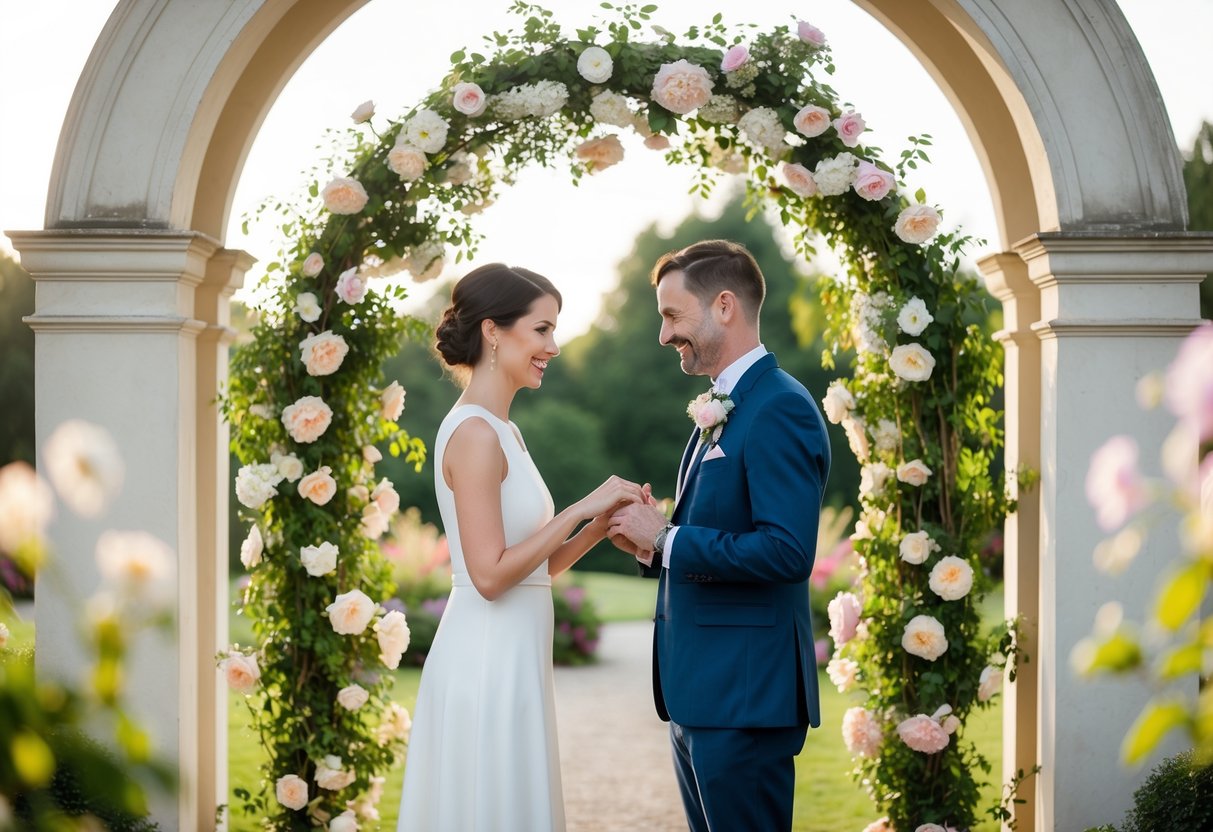
When considering non-traditional marriages, it’s important to understand the legal requirements and implications. You can get married without a wedding through various options like eloping or civil ceremonies. Here’s a look at key legal aspects.
Marriage License Requirements
To legally marry, you will need a marriage license. This document allows you to enter into a legal marriage, whether through a traditional wedding or a simple elopement.
Requirements for obtaining a marriage license vary by state. Generally, you must provide identification, pay a fee, and sometimes get blood tests. Most importantly, both partners need to apply together.
Make sure to check your local laws regarding waiting periods and expiration dates. After your ceremony, the signed license must be returned to the issuing authority to finalize your marriage legally.
Recognizing Elopements and Civil Unions
Eloping is a popular choice for many who prefer a simple ceremony. Legally, an elopement is often the same as a traditional wedding, as long as you have a valid marriage license. You can exchange vows privately in a meaningful location.
Civil unions are another option, often available for couples seeking legal recognition without a traditional wedding. These unions offer some legal benefits similar to marriage, but may not be recognized in all states. Always check if your state supports such arrangements.
Understanding your local laws can help you decide which option suits your needs best.
Benefits of Non-Ceremonial Marriage
Choosing a non-ceremonial marriage has several advantages. First, you can save on significant wedding expenses, allowing you to allocate funds elsewhere. You’ll avoid the stress of planning a large event.
A simple sign-and-go ceremony can be swift and straightforward, focusing on your commitment rather than on elaborate traditions. You may also enjoy more privacy, allowing for a more intimate experience.
Additionally, the legal status of non-ceremonial marriages often comes with benefits like access to health care and tax advantages. Understanding these benefits can help you make an informed choice.
Planning Your Non-Wedding

Planning your non-wedding can be exciting and freeing. You can create a ceremony that fits your style without the pressure of traditional wedding planning. Here are some important steps to help you move forward.
Choosing the Right Option for You
Start by selecting the type of non-wedding that suits you best. Options include eloping, a civil marriage, or having a commitment ceremony.
- Elopement: This is usually a private event, often just the couple and a witness.
- Civil Marriage: A simple ceremony conducted by a government official is quick and legal.
- Commitment Ceremony: This helps celebrate your love without the legal aspects of marriage.
Think about what feels right for you both, considering your personalities and desires.
Organizing the Necessary Documents
Regardless of your choice, you’ll need to gather some essential documents. If you choose a civil marriage, for example, you’ll need:
- A valid marriage license. Check local requirements for obtaining one.
- Identification, like a driver’s license or passport.
- Any documents showing the end of previous marriages, if applicable.
Make sure to apply for your license well in advance of your chosen date. This way, you can avoid last-minute stress.
Personalizing Your Intimate Ceremony
Personalization makes your ceremony special. Think about how you want to express your love.
- Choose a location that means something to both of you, like a favorite park or beach.
- Write your own vows to make your promises unique.
- Consider a meaningful officiant, whether it’s a friend or family member.
Feel free to incorporate special readings, music, or rituals that reflect your relationship. This will create a beautiful and intimate experience that’s truly yours.