
What Is It Called When You Eat After a Wedding? Understanding the Post-Ceremony Meal Tradition
After the joyful chaos of a wedding ceremony, you might wonder what you call the meal you sit down for with your friends and family. This meal is often referred to as the wedding breakfast, even if it doesn’t take place in the morning. It’s usually enjoyed by the newlyweds and their guests as part of the wedding reception and serves as a celebration of the couple’s new union.
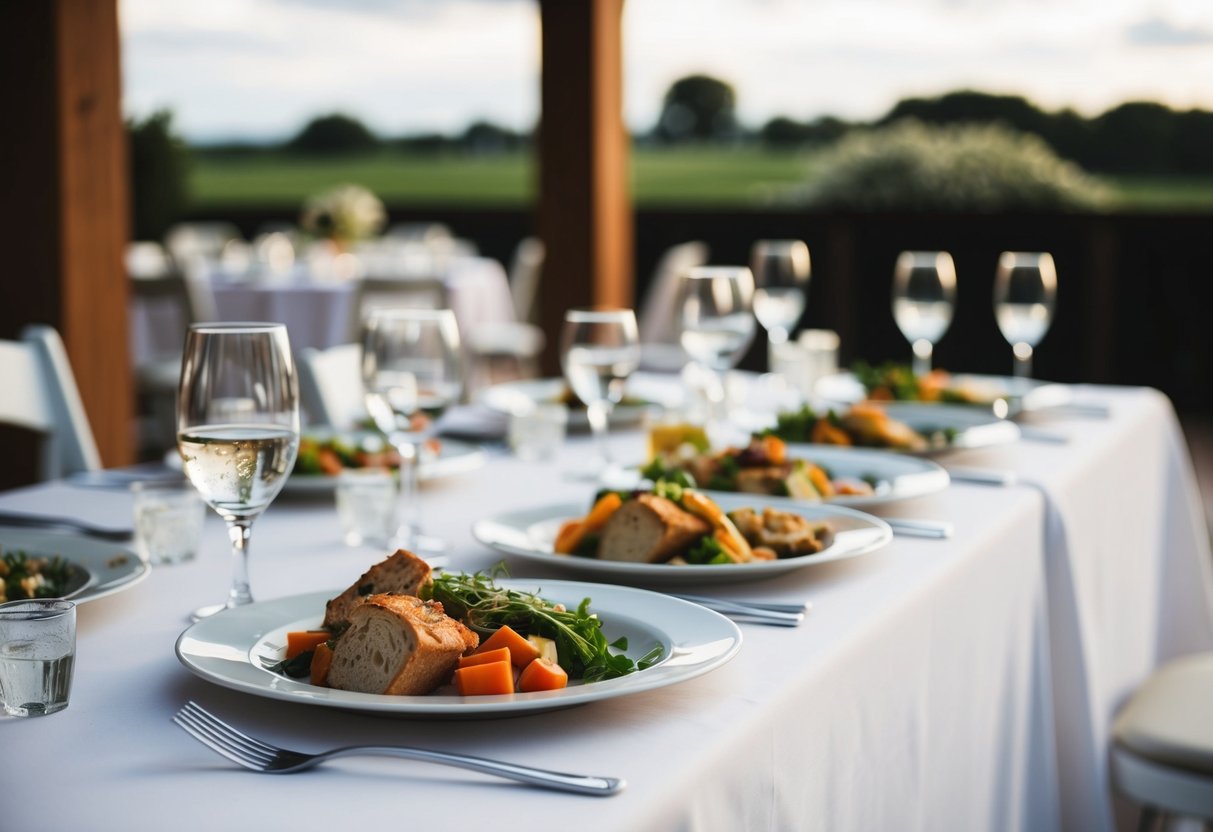
The wedding breakfast is more than just a meal; it’s a moment to relax and enjoy each other’s company after the excitement of the ceremony. This gathering allows everyone to share stories, laughter, and toasts, creating lasting memories. You’ll find that this part of the wedding celebration is essential for bringing everyone together, building connections, and kicking off the festivities.
As you dive deeper into the traditions surrounding this meal, you’ll learn how it has evolved and why it holds special significance for many couples today. Understanding the value of the wedding breakfast can help you appreciate its role in celebrating love and togetherness.
Understanding Wedding Receptions
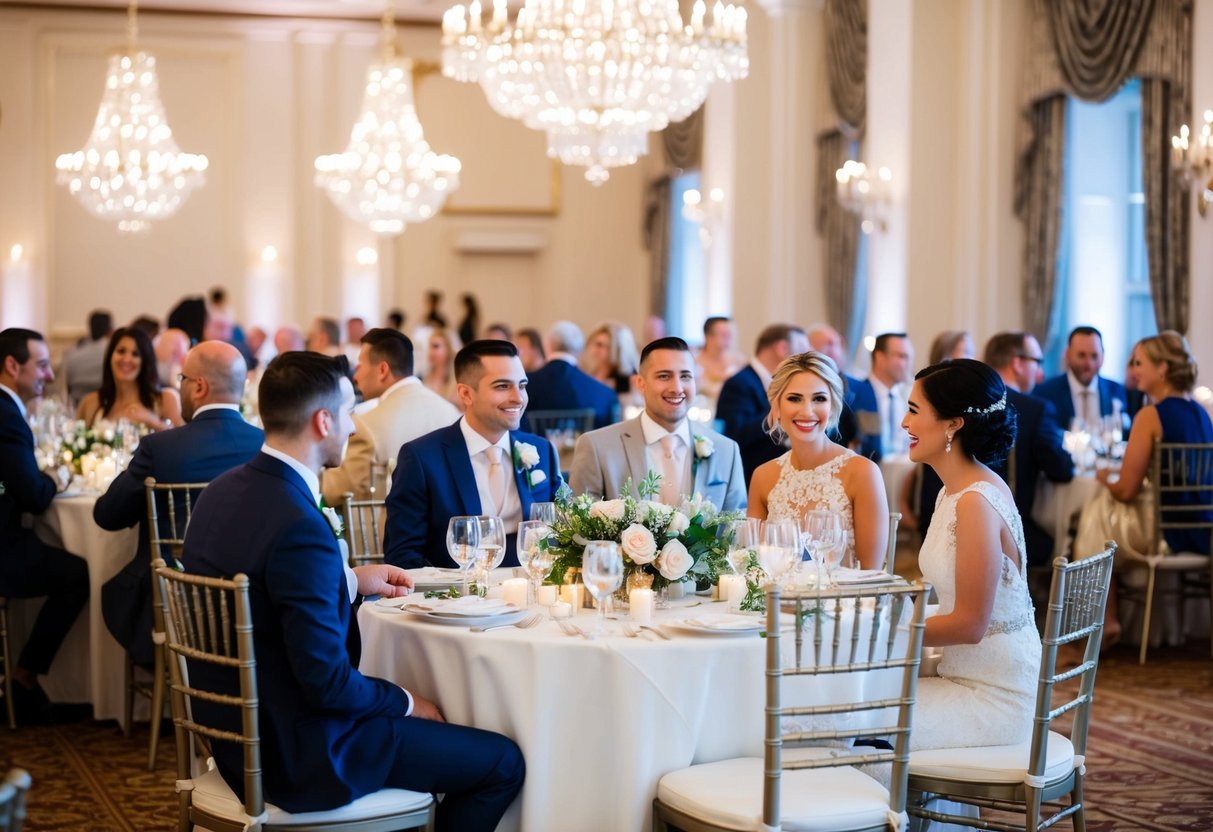
Wedding receptions are special events that celebrate the union of a couple. The meal shared after the ceremony plays an important role in this tradition, connecting family and friends.
Origins of the Wedding Breakfast
The term “wedding breakfast” has roots in English tradition, where it referred to the first meal shared by the newlyweds and their guests after the marriage ceremony. This meal was often called a wedding breakfast because it symbolized “breaking the fast” after a night of celebration.
Originally, people often had this meal in a church or wedding venue, especially after a morning ceremony. The breakfast would sometimes include holy communion, reflecting the couple’s spiritual journey.
Modern Interpretations and Traditions
Today, the wedding breakfast often includes a variety of dishes, ranging from formal sit-down meals to buffet-style options. Couples can choose a menu that reflects their tastes and heritage.
In modern settings, the wedding breakfast might also serve as a reception, filled with speeches, toasts, and entertainment. This part of the celebration can last several hours, with guests enjoying food and drinks while socializing.
Planning the Post-Wedding Meal
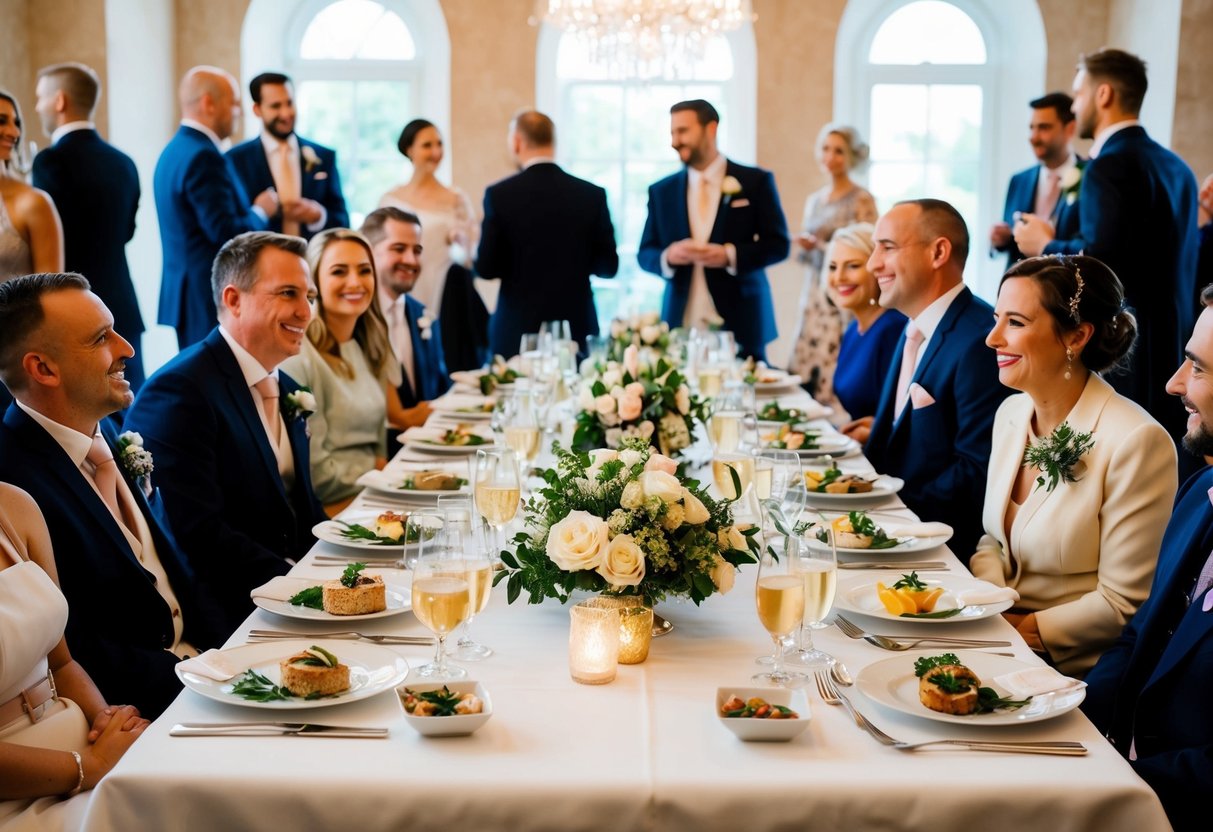
A post-wedding meal, often a brunch or lunch, allows guests to relax and enjoy time together after the big day. Thoughtful planning can make this gathering memorable and enjoyable for everyone.
Selecting a Menu to Remember
When choosing your menu, think about what your guests will enjoy. A wedding breakfast menu can include a mix of hearty and lighter options. You might offer dishes like:
- Eggs Benedict
- Pancakes
- Fruit platters
- Pastry selections
Consider a buffet lunch style for flexibility. Guests can select what they prefer while you cater to various tastes. Including some vegan options can be a nice touch for those with dietary restrictions. For a personal feel, you can even incorporate dishes that are special to you as a couple.
Catering to Dietary Needs
Understanding dietary requirements is crucial in your planning. Make sure to ask guests about their dietary restrictions when sending invites. Create a list to keep track of dietary restrictions, such as food allergies or preferences like vegetarian and vegan options.
When selecting your catering service, communicate these needs clearly. Most wedding catering companies are experienced in creating menus that accommodate diverse diets. This not only shows thoughtfulness but also ensures everyone has delicious options to enjoy at your post-wedding meal.
Food and Festivities
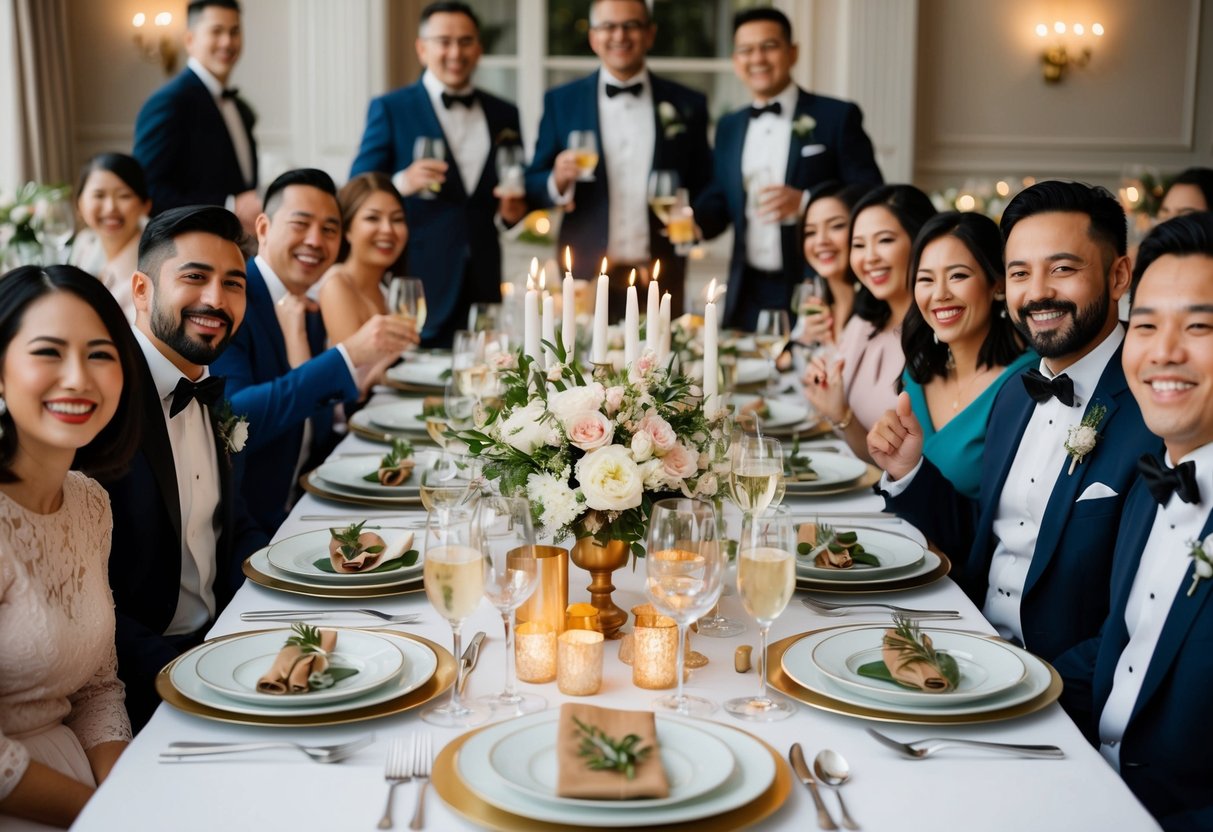
After the wedding ceremony, food and festivities become a big part of the celebration. You can enjoy various meal formats and create a lively dining atmosphere that keeps the celebration going.
Unique Meal Formats
When it comes to feeding your guests, there are several unique meal formats to consider. A traditional sit-down meal often includes a three-course meal, starting with appetizers like canapés, followed by a main dish and dessert, such as a classic wedding cake.
For a fun twist, consider a hog roast or a casual vibe with street food options. Food trucks can also add a trendy touch to your wedding. If your wedding is a destination wedding, think about offering local cuisine to make the experience even more memorable.
Entertainment and Dining Experience
Pairing food with entertainment can create an unforgettable experience.
For example, a post-wedding brunch allows everyone to gather and relax the next day. You can serve brunch favorites alongside champagne for a festive touch.
In-house catering can enhance the experience, ensuring the meal is prepared fresh.
Adding live cooking stations can also engage your guests. This interactive element makes for a unique dining experience that keeps everyone entertained, while enjoying delicious food together.