
What Is It Called When You Get Married But Don’t Have a Wedding? Understanding a Simple Ceremony
Many couples find themselves wanting to commit to each other without the traditional wedding ceremony. This option is often called an elopement or a civil ceremony, allowing you to get married legally without a lavish celebration.
Both choices provide a way to obtain a marriage certificate while skipping the stress and expense of a large wedding.
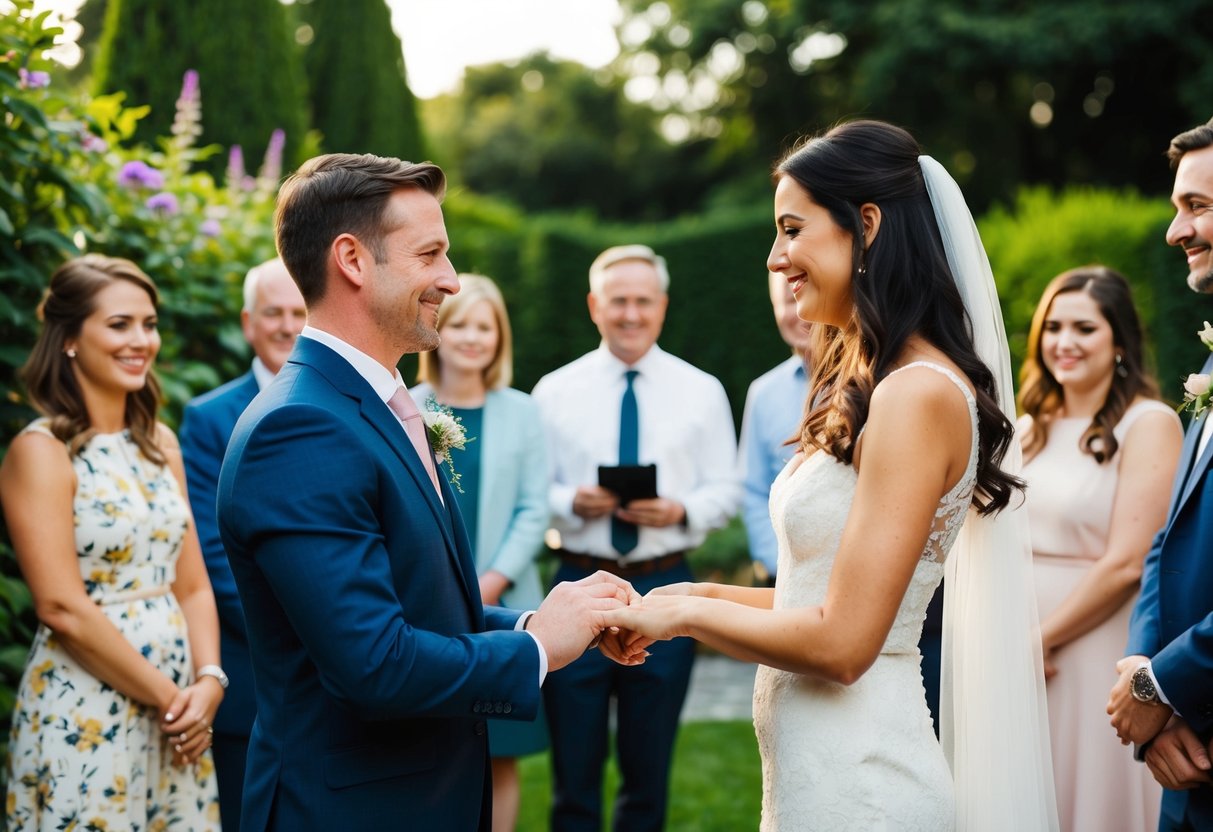
If you value a simple commitment over a big party, you might discover that having a legal marriage can be both meaningful and less complicated. With an elopement, you can exchange vows in an intimate setting. Meanwhile, a civil ceremony takes place in front of a licensed officiant, often at a local courthouse.
Choosing not to have a wedding does not mean you compromise on the importance of your relationship. Embracing a low-key approach can make your marriage experience uniquely yours while still giving you all the legal benefits of being married.
Understanding Non-Traditional Marriages
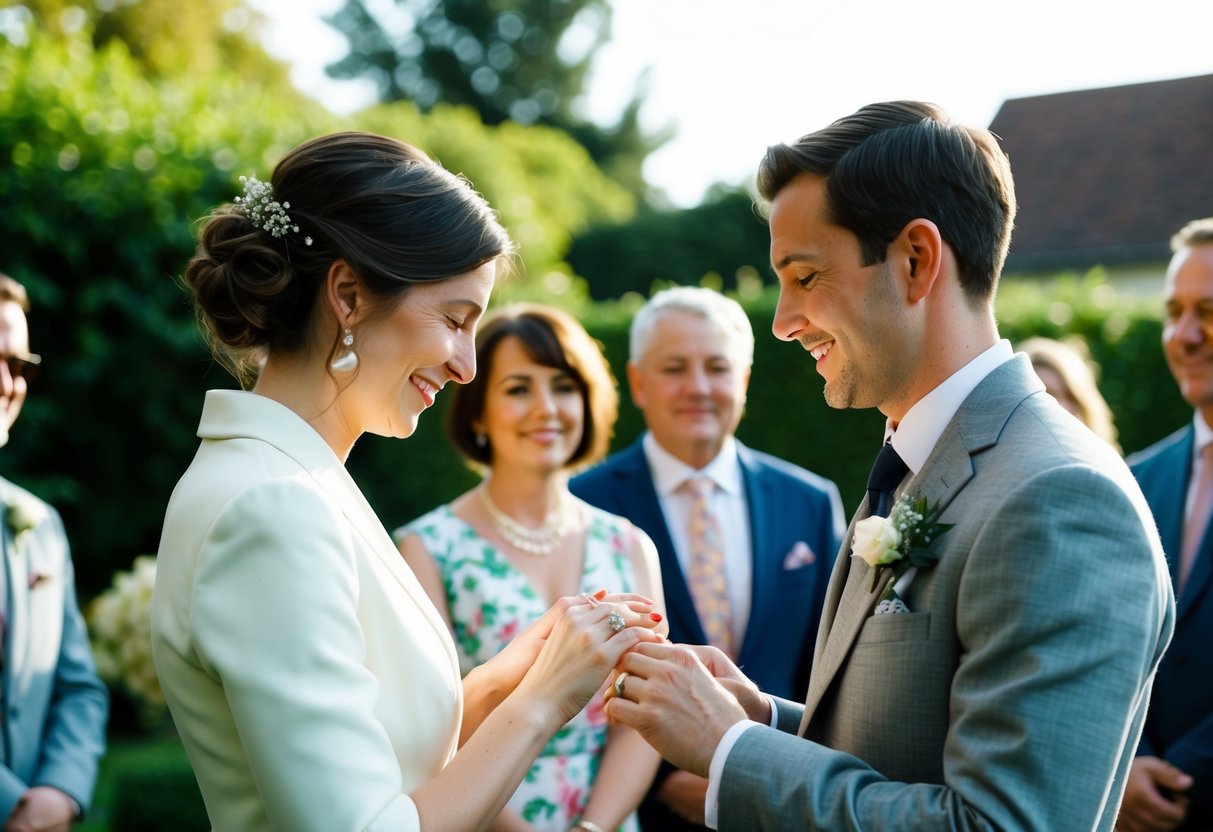
Non-traditional marriages offer couples various ways to commit without the typical wedding ceremony. These options can suit your preferences, lifestyle, and values better than traditional approaches.
Civil Marriages and Elopements
A civil marriage is a legal union conducted by a government official. This type of ceremony often happens without religious elements. You can choose a simple venue, making it quick and efficient.
A civil ceremony is perfect if you want to avoid the pressures of a big wedding.
On the other hand, eloping means getting married in a private setting, often just with a few close friends or family members. This option allows you to focus on each other without distractions.
Many couples find eloping to be an intimate and personal choice. You can select a scenic location, which can add meaning to the experience.
Common-Law and Domestic Partnerships
Common-law marriage occurs when you and your partner live together and present yourselves as a married couple, even without a formal ceremony. The requirements for common-law marriages can vary by state.
In some places, you only need to live together for a specific time and show intent to be married.
Domestic partnerships are similar, but they often provide legal recognition without the full rights of marriage. These partnerships can come with various legal benefits, such as healthcare coverage and inheritance rights.
This might be a great alternative if you prefer a committed relationship without a traditional marriage label.
Legal Considerations and Requirements

Getting married without a traditional wedding involves understanding specific legal requirements. It’s essential to know how to obtain a marriage license, the roles of the officiant, and the significance of the marriage certificate.
Obtaining a Marriage License
To get married, you first need to obtain a marriage license. This license is a legal document that allows you to marry. You can typically get one from your local County Clerk’s office.
Requirements for applying may vary by state or country. Generally, you and your partner will both need to provide identification, such as a driver’s license or passport.
Some places may also ask for proof of residency or a waiting period. Remember to check local regulations to ensure you meet all criteria.
Roles of the Officiant and County Clerk
The officiant plays a crucial role in your legal marriage ceremony. This person is responsible for conducting the ceremony and ensuring all legal requirements are met.
You can choose a variety of officiants, including a justice of the peace, religious leader, or a friend who has been ordained online.
The County Clerk is also vital. After your ceremony, they file your marriage certificate, which serves as legal proof of your marriage. It’s important to confirm that your officiant knows how to complete this process properly.
Validity of a Marriage Certificate
Once you have completed your ceremony, the next step is obtaining your marriage certificate. This document confirms that you are legally married.
Keep in mind that the marriage certificate must be filed with the local government by your officiant.
After it’s processed, you can request copies for your records. Many places offer certified copies for a small fee, which you may need for legal or personal reasons later on, like changing your name or applying for joint benefits.
Personalizing Your Commitment

When you choose to have a commitment ceremony or an intimate vow exchange instead of a traditional wedding, personalization becomes key. You can make this ceremony reflect your unique relationship, values, and desires. From the setting to the vows, every aspect can be tailored to suit you.
Tailoring the Ceremony to Your Preferences
Your commitment ceremony can take place almost anywhere, such as a small backyard or even a romantic spot in the city. Unlike large weddings, you have the freedom to choose a location that means something special to both of you.
Consider simple formats like a micro wedding or a city hall wedding, where you focus on what truly matters.
You might want to incorporate unique elements like special music, personalized decorations, or even a themed ceremony that represents your journey together. Make it feel authentic to who you are as a couple.
Vows and Intimate Ceremonies
Vows are the heart of your commitment ceremony. You can write your own vows to reflect your feelings, promises, and hopes for the future. This personal touch can make your ceremony deeply meaningful.
Intimate vow exchanges can take place in front of only a few loved ones or even just the two of you. You can express your love and commitment in a way that feels genuine and special.
Celebrating Without the Ceremony
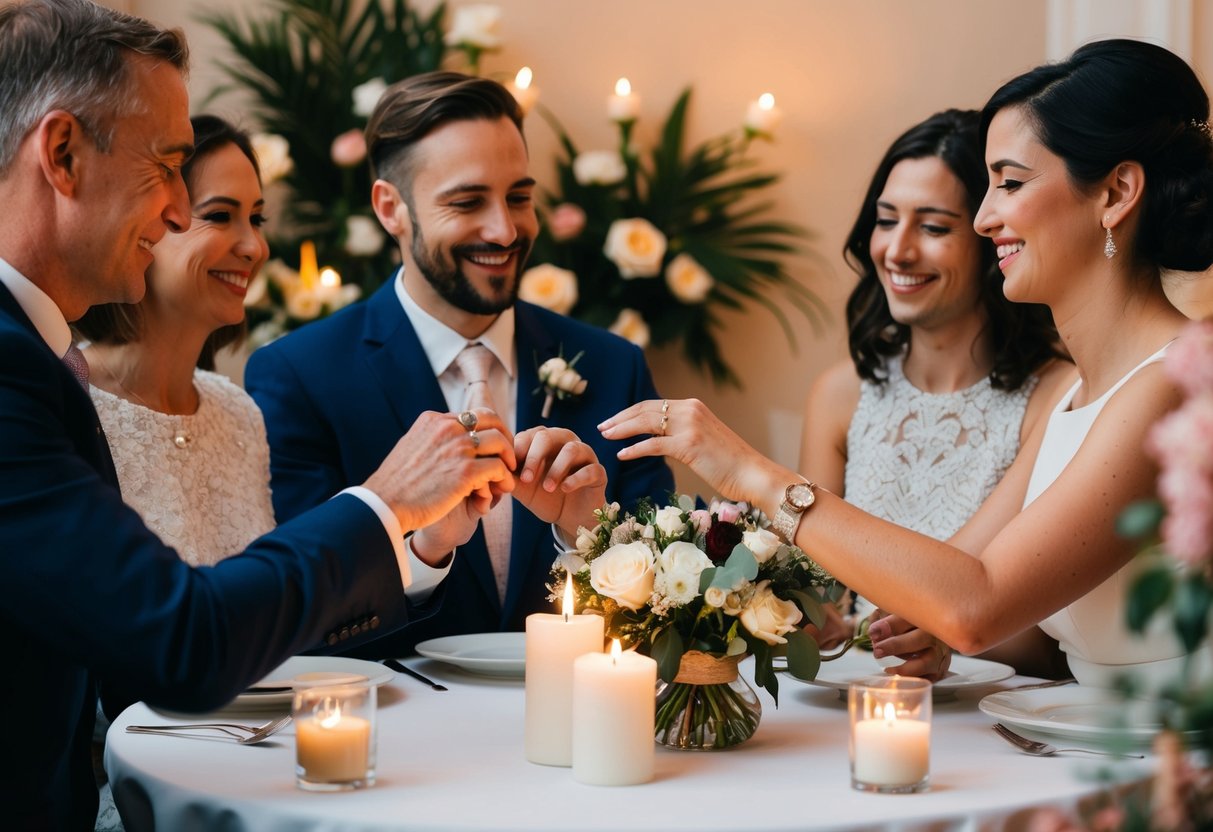
You can still celebrate your marriage without a traditional wedding ceremony. There are many creative ways to mark this special moment in your life, and it’s possible to acknowledge milestones as well.
Creative Alternatives to a Traditional Wedding
You can choose options like eloping or having a civil ceremony to legally marry. Both are recognized as valid forms of marriage without the need for a large celebration.
An elopement allows you to tie the knot in a more intimate setting, often just the two of you or with a close friend. This choice emphasizes the commitment rather than the event.
A civil ceremony is another great alternative. This option usually takes place in a simple setting, focusing on the legal aspects of marriage. Many couples appreciate the ease and cost-effectiveness of avoiding elaborate wedding traditions.
Consider personalizing your experience by writing your own vows or selecting a meaningful location that reflects your love story.
Acknowledging Marriage Milestones
Even without a wedding ceremony, you can still celebrate important milestones. For example, anniversaries are a perfect time to recognize your commitment.
Consider planning special dinners, weekend getaways, or small gatherings with family and friends. These moments can create lasting memories without the need for formal celebrations.
You should also acknowledge the significance of your marriage in your life. This can involve establishing traditions that are unique to you and your partner.
Being unofficially married or having a commitment ceremony can also be meaningful. Many couples find joy in celebrating their love in their own way. Focus on what feels right for you both.