
What Is It Called When You Randomly Get Married? Exploring Spontaneous Weddings and Their Charm
Getting married can be one of the most exciting life events for you and your partner. When you randomly get married, people often call it a spontaneous marriage or elopement. This kind of marriage happens without extensive planning, sometimes even in secret. It can be a thrilling way for two people in love to express their commitment to each other.

If you’ve ever dreamed of having a simple, intimate ceremony away from the fuss of traditional weddings, you aren’t alone. Many couples prefer the idea of just running off with their spouse to tie the knot, enjoying the moment without all the usual stress.
Whether it’s a private escape or a sudden decision after a romantic outing, spontaneous marriage can bring a unique joy to your love story.
Understanding the implications and emotions of such a decision can be essential as you embark on this journey. It’s important to think about how this choice affects your marital status and the future you envision with your partner.
So, let’s dive deeper into what spontaneous marriage means and what you should consider before taking that leap.
Understanding Elopement
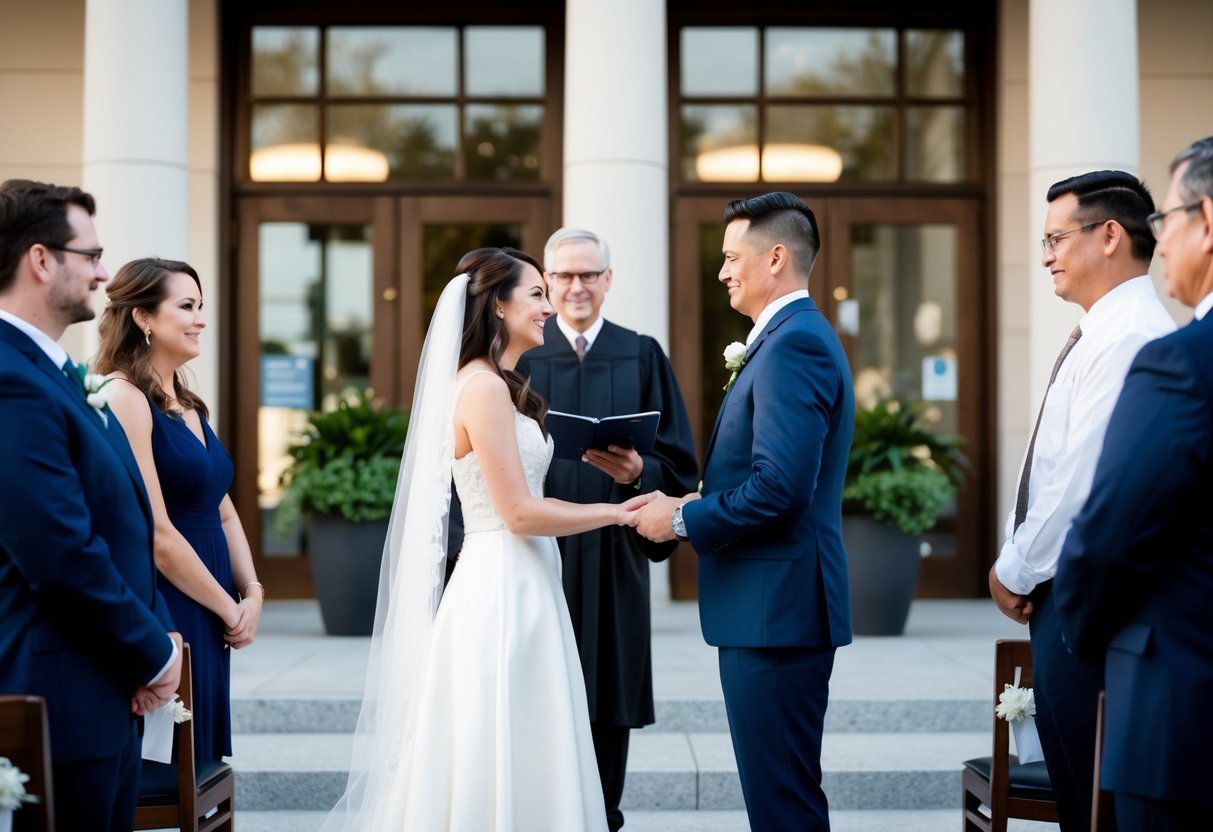
Elopement is a unique way for couples to marry with a focus on intimacy and personal connection. It differs from traditional weddings in many ways, including the size of the celebration and the reasons behind the choice to elope.
The Concept of Elopement
Elopement traditionally meant running away to get married in secret. Today, it has evolved into choosing to have a small, private ceremony. Instead of a large wedding with numerous guests, elopement often involves just the couple or a very small group.
Couples may elope at beautiful locations like beaches, mountains, or even local parks. This type of wedding allows you to create meaningful memories without the stress of extensive planning. Elopement focuses on what truly matters—your love for each other—and lets you customize your special day in a way that feels right to you.
Reasons for Elopement
There are many reasons why couples choose to elope. For some, it is a way to escape the pressures of planning a large wedding. Traditional weddings can involve complex arrangements and many guests, which can be overwhelming.
Other couples may seek a more intimate setting to celebrate their love. Eloping allows you to choose a destination that is special to you, giving the ceremony a personal touch. This way, you can prioritize your relationship and enjoy the moment together.
Additionally, elopement can be more cost-effective. With fewer expenses and a streamlined plan, couples can focus their budget on experiences rather than large gatherings.
Elopement vs. Traditional Weddings
Elopement and traditional weddings present different experiences. Traditional weddings usually host 150 or more guests, while elopements often feature just the couple or a few close friends or family members. This striking difference emphasizes the intimate nature of an elopement.
Planning a traditional wedding can involve more time and stress. This includes coordinating venues, catering, and numerous other details.
In contrast, an elopement allows for a more relaxed planning process. You can focus on creating a memorable moment without the pressure of a big event.
Ultimately, whether you choose to elope or have a traditional wedding depends on your personal style and what feels best for you as a couple. Each option has its own charm and significance.
The Legalities of Spontaneous Marriages

When considering a spontaneous marriage, it’s essential to know the legal requirements. This section covers the marriage license, the role of an officiant, and civil marriage considerations that you must keep in mind.
Obtaining a Marriage License
To get married, you typically need a marriage license. The process varies by state or country, but you’ll usually need to apply in person.
Requirements often include:
- Identification: Bring a valid ID, like a driver’s license or passport.
- Fee: There is usually a fee for the license, which can range from $20 to $100.
- Waiting Period: Some locations have a waiting period before you can marry.
Make sure to check your local laws, as some places allow you to obtain a license and get married the same day, while others might require you to wait a few days.
Requirements for an Officiant
An officiant is the person who conducts the marriage ceremony. Different regions have specific rules about who can perform the ceremony.
Options for officiants include:
- Religious Leaders: Such as priests, ministers, or rabbis.
- Civil Officiants: These are officials like judges or court clerks.
- Self-Solemnization: In some states, couples can marry without an officiant, known as self-uniting marriage.
It’s crucial to ensure that your chosen officiant is legally recognized to perform marriages in your area.
Civil Marriage Considerations
A civil marriage is a legally binding union without religious context. This type often requires following official government processes.
Key points include:
- Legal Rights: A civil marriage grants legal rights, such as tax benefits and inheritance rights.
- Recognition: Civil marriages are recognized by the state and provide legal proof of your union.
Make sure to understand how civil marriage laws apply to you, especially if you’re getting married on a whim. Knowing your rights can help you avoid complications later on.
Social and Emotional Aspects
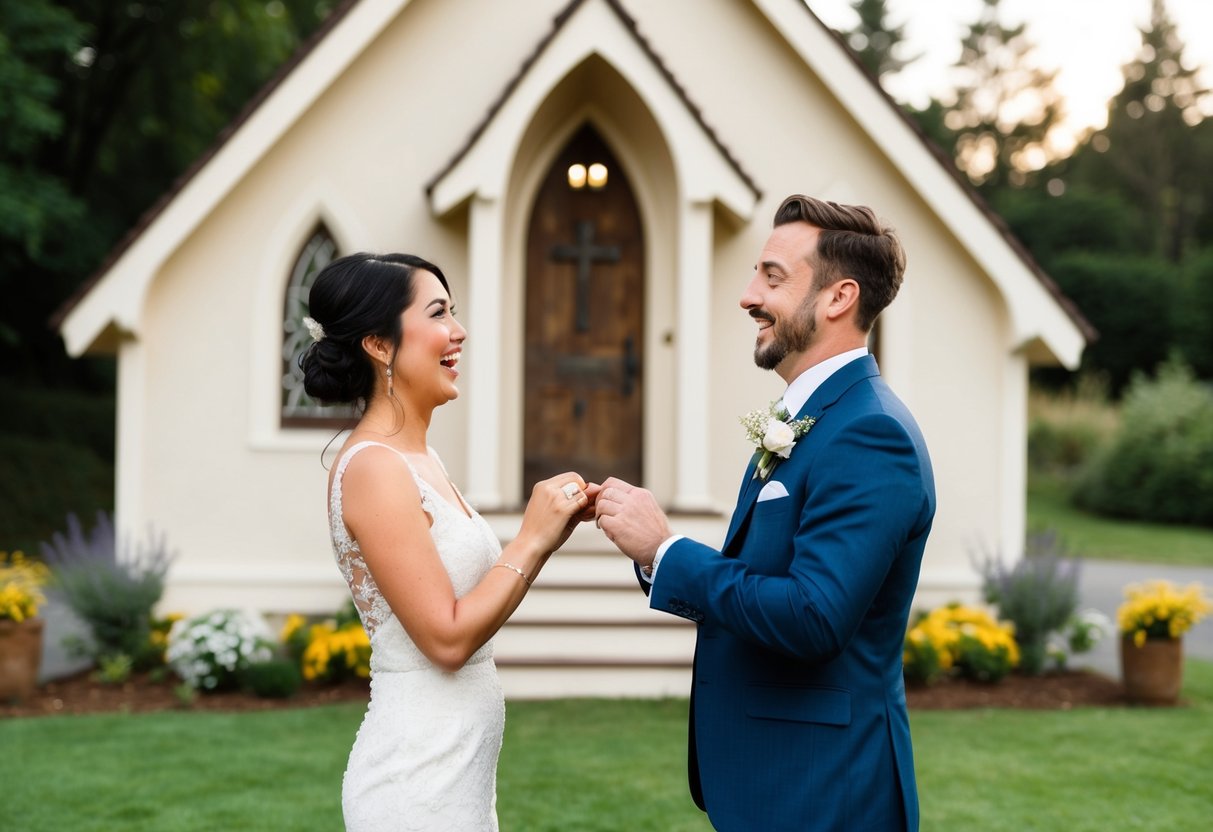
When you randomly decide to get married, it can bring about various social and emotional changes. This type of marriage may affect your relationships, how family and friends react, and the factors that contribute to satisfaction.
Impact on Relationships
Getting married unexpectedly can change your existing relationships. You might find that your bond with your spouse strengthens. This can lead to deeper feelings of love and shared experiences.
At the same time, existing friendships might shift. Friends may feel confused about your quick decision. Communication becomes key; sharing your feelings can help maintain these bonds.
It’s important to recognize that relationships can adapt over time.
Family and Friends’ Reactions
Your family and friends will likely have strong reactions to your sudden marriage. Some may be supportive and excited, seeing it as a unique adventure. Others might express concern or skepticism about your choice.
Communicating openly with them about your reasons can help. It might ease their worries and help them understand your perspective. You could invite them to share in your joy, whether through gatherings or simple chats.
Understanding their viewpoints, even the negative ones, is essential. It can strengthen your support system and help everyone adjust to this new chapter.
Marriage Satisfaction Factors
Various factors can affect your satisfaction in a randomly arranged marriage. Emotional support is vital. Being there for each other during tough times builds trust.
Shared values and interests also play a significant role. Engaging in activities together can deepen your connection. Additionally, open communication helps solve differences, fostering a happier relationship.
Don’t overlook the importance of quality time. Simple shared moments create lasting memories and build a strong foundation. Remember, love and satisfaction require ongoing effort from both partners.