
What Is It Like Being a Wedding Coordinator? A Look into the Joys and Challenges of This Exciting Role
Being a wedding coordinator is a dynamic and rewarding experience that brings countless challenges and joys. A wedding coordinator plays a key role in ensuring the day runs smoothly. They handle everything from vendor communication to timeline management. You get to be part of a couple’s most cherished moment while using your creativity and organizational skills.
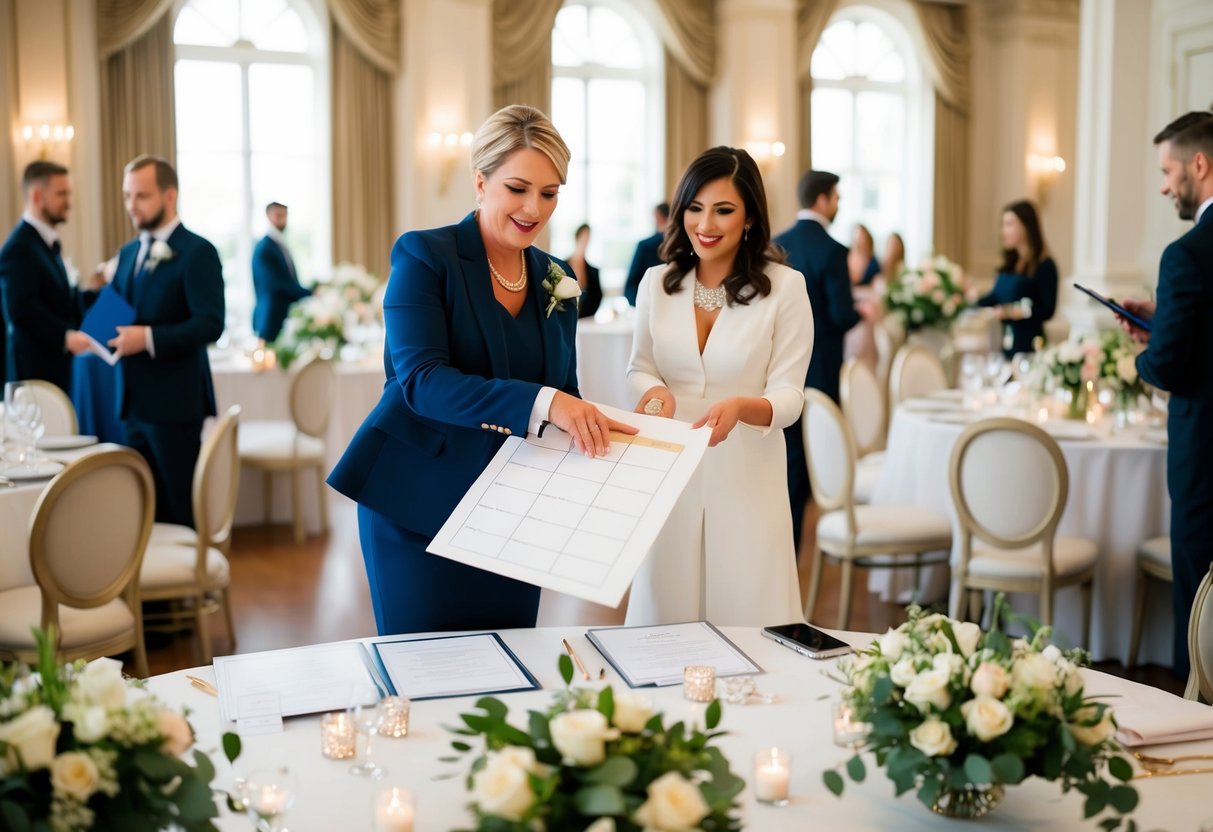
As a wedding coordinator, you’ll find yourself juggling multiple tasks and adapting to last-minute changes. You must manage relationships with various vendors, such as florists and caterers, while keeping a close eye on the budget. The job requires you to be calm under pressure. You’ll often be the go-to person for any issues that may arise on the big day.
Every wedding presents a unique opportunity for you to create a beautiful experience tailored to the couple’s vision. With each event, you gain new insights into what works best, allowing you to grow and improve your skills. The joy of seeing everything come together in the end makes it all worth it.
The Role of a Wedding Coordinator
As a wedding coordinator, you play a key role in making the big day a success. Your primary task is to ensure everything runs smoothly from start to finish.
You may also hear the term day-of coordinator. This means you focus on the wedding day itself, handling the details while the couple enjoys their celebration.
Your responsibilities include communicating with vendors, managing the schedule, and solving any unexpected problems. You stay organized to keep everyone on track.
Key tasks can include:
- Managing vendors: Ensure each vendor arrives on time and knows their duties.
- Setting up: Oversee the decoration and setup of the venue so it looks perfect.
- Coordinating the timeline: Keep track of the ceremony and reception timing.
- Assisting guests: Help with any guest questions or needs throughout the event.
You often meet with couples 1-2 months before the wedding. This time allows you to understand their vision and finalize details.
In contrast to a wedding planner, who handles planning from the start, your focus is mainly on executing those plans.
Working in the wedding industry requires strong communication and problem-solving skills. Your goal is to create a stress-free experience for the couple and their families. By managing the day’s flow, you help everyone enjoy this special moment.
Pre-Wedding Responsibilities
As a wedding coordinator, you play a crucial role before the big day. Your responsibilities include helping the couple plan, selecting vendors, and creating a detailed timeline for the event. This stage sets the foundation for a successful wedding.
Initial Consultation and Planning
During the initial meeting, you meet with the couple to discuss their vision for the wedding. This is an important opportunity to understand their preferences, style, and budget.
You may ask questions about the venue, guest list, and any specific themes they want to explore. This helps you gain insight into their expectations and begin the planning process.
After gathering this information, you can provide suggestions and your professional advice. You’ll help them establish priorities and outline the next steps. Keeping track of all ideas and decisions is essential for future meetings.
Vendor Collaboration and Selection
Once you have a clear vision, the next step is vendor selection. You help the couple identify and choose the right vendors for their needs, such as caterers, photographers, and florists.
You will recommend reliable professionals based on your experience and their preferences. It’s important to discuss contracts with each vendor to ensure everything is clear. This includes services, pricing, and payment schedules.
You will also assist in scheduling meetings with potential vendors. This way, the couple can ensure they find the best fit for their wedding.
Creating the Wedding Timeline
The timeline creation is one of the most critical aspects of your job. This document outlines all the essential tasks leading up to the wedding day.
You’ll work with the couple to build a detailed schedule that includes vendor arrivals, the ceremony start time, and reception activities. Aligning all moving parts is essential to avoid confusion on the day itself.
With a clear timeline in place, you can also prepare for any unexpected situations. A well-thought-out timeline helps ensure everything runs smoothly, keeping the couple’s stress to a minimum.
Wedding Day Execution
On your wedding day, execution is key to ensuring everything runs smoothly. This involves managing the ceremony and reception, creating a stress-free experience for you and your guests, and being ready to handle unexpected challenges that may arise.
Managing the Ceremony and Reception
As a wedding coordinator, you oversee the entire event timeline. This involves coordinating the ceremony procession and ensuring that each moment unfolds as planned. You will work closely with the officiant, bridal party, and musicians to keep everyone on schedule.
During the reception, you’ll manage vendor arrivals and set-up times. This includes everything from catering to floral arrangements. Maintaining open communication with vendors is crucial. You want to make sure that everyone knows where to be and when. Checking off items on the wedding day timeline will help keep everything organized and on track.
Ensuring a Stress-Free Experience
Your role as a coordinator is to create a stress-free wedding atmosphere. It’s your job to handle the many details that could cause anxiety for the couple. You’ll monitor the flow of events and make adjustments as needed.
You also ensure that guests know where to go and what to do. Clear signage and instructions can help to guide them. Constantly checking in with the couple and their families will help ease any nerves. Your goal is for them to enjoy the day without worrying about logistics.
Handling Unexpected Challenges
No wedding day is perfect, and unexpected challenges may come up. Your problem-solving skills will be essential during these moments. Whether it’s a vendor running late or a sudden change in weather, staying calm is important.
You should have backup plans in place. For instance, if it rains on an outdoor wedding day, having an alternate indoor location ready can ease a lot of stress. Quick thinking and decision-making will allow you to keep everything running smoothly, ensuring that the couple’s day remains special despite any hiccups.
Post-Wedding Wrap-Up
After the big day, there are still important tasks to complete. You will focus on finalizing vendor commitments and managing wedding gifts, ensuring everything is in order.
Finalizing Vendor Commitments
Once the wedding is over, it’s time to finalize all vendor commitments. This involves confirming that payments are settled and ensuring that no additional balances are left.
Create a list of all vendors, such as caterers, photographers, and florists. Check each one off as you complete payments. Be sure to settle any last-minute changes or charges.
It’s also wise to conduct a final walk-through with the venue. This ensures you didn’t leave anything behind and that all equipment used during the event is returned properly.
You might need to collect rental items, so coordinating the return process is key. Keeping organized records will help avoid any misunderstandings later.
Overseeing Wedding Gift Management
Next, you’ll manage the gifts received from guests. Start by organizing all gifts in a designated area to keep everything neat.
Then, set up a log to track who gave what. This will make thank-you notes easier to write later. Include details like any special messages included with gifts.
Don’t forget to check for any delivery issues or damaged items. Then, promptly address any concerns with the stores or vendors from whom the gifts were purchased.
Lastly, if you have wedding favors left over, find a thoughtful way to distribute them. This can be done by contacting guests who could not attend or donating them to a local charity.