
What Is It Like to Be a Wedding Coordinator? Insights into a Fun and Rewarding Career
A wedding coordinator is a person who brings someone’s dream wedding to life. You get the chance to handle all the details, ensuring that everything runs smoothly on the big day, giving couples peace of mind. This role involves managing various tasks, from coordinating vendors to making sure timelines are met, all while keeping the couple’s vision at the forefront.
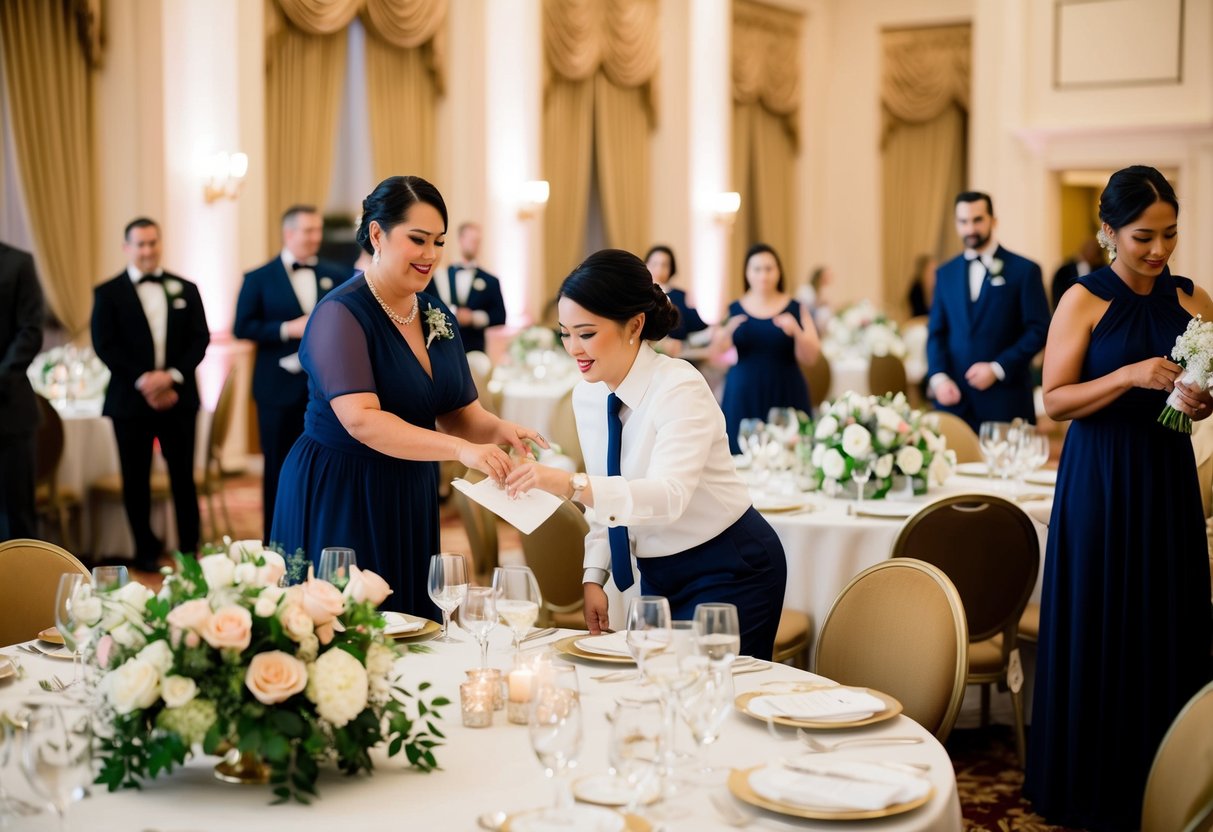
Each wedding is unique, and as a coordinator, you adapt to different styles, preferences, and challenges. You work closely with couples to understand their dreams and transform their ideas into reality, ensuring their day is memorable and special. This job requires strong organization skills and a passion for helping others, making it a fulfilling choice for those who love event planning.
In this fast-paced environment, you develop relationships with vendors and gain insights into what makes a wedding successful. If you love being behind the scenes and enjoy making dreams come true, a career as a wedding coordinator might be perfect for you.
Role and Responsibilities of a Wedding Coordinator
As a wedding coordinator, your role is vital in ensuring that every detail of the wedding is well-organized and runs smoothly. You handle planning tasks before the wedding, coordinate activities on the big day, and wrap things up afterward. This process includes managing timelines, addressing problems, and ensuring that everything aligns with the couple’s vision.
Pre-Wedding Consultation and Planning
In the beginning, you meet with the couple for a pre-wedding consultation to understand their needs and preferences. This step allows you to gather important information about their vision, budget, and any specific requests they may have.
You will also help create a detailed wedding timeline that outlines each step leading up to the wedding day. This timeline includes vendor meetings, design decisions, and rehearsal preparations. Attention to detail is key at this stage. You’ll coordinate booking vendors, such as caterers, florists, and photographers, ensuring everything is set according to plan.
Contingency planning is also crucial here. You anticipate possible issues that might arise, giving the couple peace of mind. Clear communication is essential, so you keep in touch with both the couple and their chosen vendors throughout the planning process.
Coordination of the Wedding Day
On the wedding day, your organizational skills come into play as you oversee all aspects of the event. You start early, ensuring all vendors arrive on time and everything is set up according to the timeline.
You also manage on-site coordination, guiding everyone through the ceremony and reception. Your problem-solving skills are put to the test as you address any unexpected challenges that may arise. Whether it’s last-minute weather changes or vendor delays, you adapt and find solutions quickly.
Additionally, you coordinate the rehearsal, ensuring that the bridal party knows their roles and timing. This preparation helps reduce stress and allows everyone to enjoy the day more fully. Your goal is to create a seamless experience for the couple and their guests.
Post-Wedding Wrap-Up
After the wedding, your work isn’t quite done. You will handle the post-wedding wrap-up, which involves ensuring that all vendors are paid and return items such as rental decor.
You may also help with gathering gifts and personal items left behind. Your organizational skills are crucial here to keep track of all the details. In many cases, you’ll follow up with the couple for feedback and to check on their satisfaction with the event.
This final stage solidifies your relationship with the couple, leaving them with one less thing to worry about as they settle into married life.
Managing Logistics and Vendors
As a wedding coordinator, you will focus on the details that keep everything running smoothly. This includes selecting the right vendors, managing contracts, and being prepared for the big day.
Venue and Vendor Selection
Choosing the right venue is crucial. Start by listing your couple’s must-haves, like guest capacity, style, and location. Visit several venues and take notes on their amenities and availability.
Next, select vendors such as photographers, florists, and caterers. Gather a list of trusted professionals and schedule meetings to see portfolios. Discuss budgets and gather quotes to help make informed decisions.
Remember to consider the venue coordinator, as they can assist with logistics. Ensure each vendor aligns with the couple’s vision and objectives to create a cohesive experience.
Handling Vendor Contracts and Payments
Once you’ve selected vendors, it’s time to review contracts. Make sure all details are clear, including services, timelines, and costs. Keep an eye out for any extra fees and clarify early to avoid surprises.
You’ll also manage vendor payments. Create a budget tracking system to ensure that all invoices are paid on time. This helps maintain good relationships with vendors and ensures services are secured.
Keeping copies of all contracts can save you from last-minute issues. Confirm all details with vendors 1-2 weeks before the wedding to ensure everyone is on the same page.
Day-Of Coordination and Scheduling
The day of the wedding is when your planning pays off. Create a detailed wedding day timeline and share it with the couple, vendors, and venue staff. This should include the ceremony time, vendor arrival times, and any key moments.
Stay flexible, as unexpected issues may arise. Your goal is to manage logistics while the couple enjoys their day. Be present to oversee all vendors, making sure they’re following the timeline.
Pay special attention to tasks like setting up the guest book or coordinating the delivery of the wedding cake. Your calm presence can help the couple feel at ease, allowing them to focus on celebrating their love.
Creating an Unforgettable Experience for the Couple and Guests
As a wedding coordinator, your primary goal is to create memorable experiences for both the couple and their guests. From managing the timeline to adding personal touches, every detail matters. Here’s how you can achieve this.
Crafting the Wedding Timeline and Floor Plans
Your first task is to design a comprehensive wedding timeline. This involves scheduling everything from the ceremony to the reception, including the wedding rehearsal. Managing time effectively is crucial to avoid last-minute issues.
Next, create detailed floor plans to ensure smooth movement. This includes seating arrangements for the bridal party and the guest list. By organizing areas for the ceremony procession and the reception, you can help guests navigate the venue comfortably. A well-thought-out layout also enhances the overall flow and feel of the event.
Ensuring a Stress-Free Wedding Day
A stress-free wedding day is pivotal for the couple to enjoy their special moments. To achieve this, maintain clear communication with all parties involved, including the wedding party and vendors. Provide a contact list and ensure everyone understands their roles.
You should also have a plan for potential last-minute issues. This might mean preparing solutions for unexpected weather or last-minute changes. Your ability to think on your feet will keep the day moving smoothly, allowing the couple to focus on making memories rather than worrying about details.
Personal Touches and Attention to Wedding Theme
Incorporating personal touches can make the day truly special. Work with the couple to understand their wedding theme and what represents them as a couple.
This could include unique décor elements, personalized favors, or a special song played during the reception. Attending to these details shows that you care about creating a memorable experience.
The little things often leave a lasting impact on guests, making them feel included in the couple’s journey. Aim to reflect the couple’s personality in every aspect of the wedding.