
What is Meant by Shotgun Marriage? Understanding Its Origins and Implications
A shotgun marriage often happens in response to an unexpected pregnancy. This type of marriage suggests that the couple felt pressure to tie the knot, often due to the circumstances surrounding the pregnancy. While the term has a humorous origin, it highlights the real emotions and complexities both partners face when making such an important decision under stress.
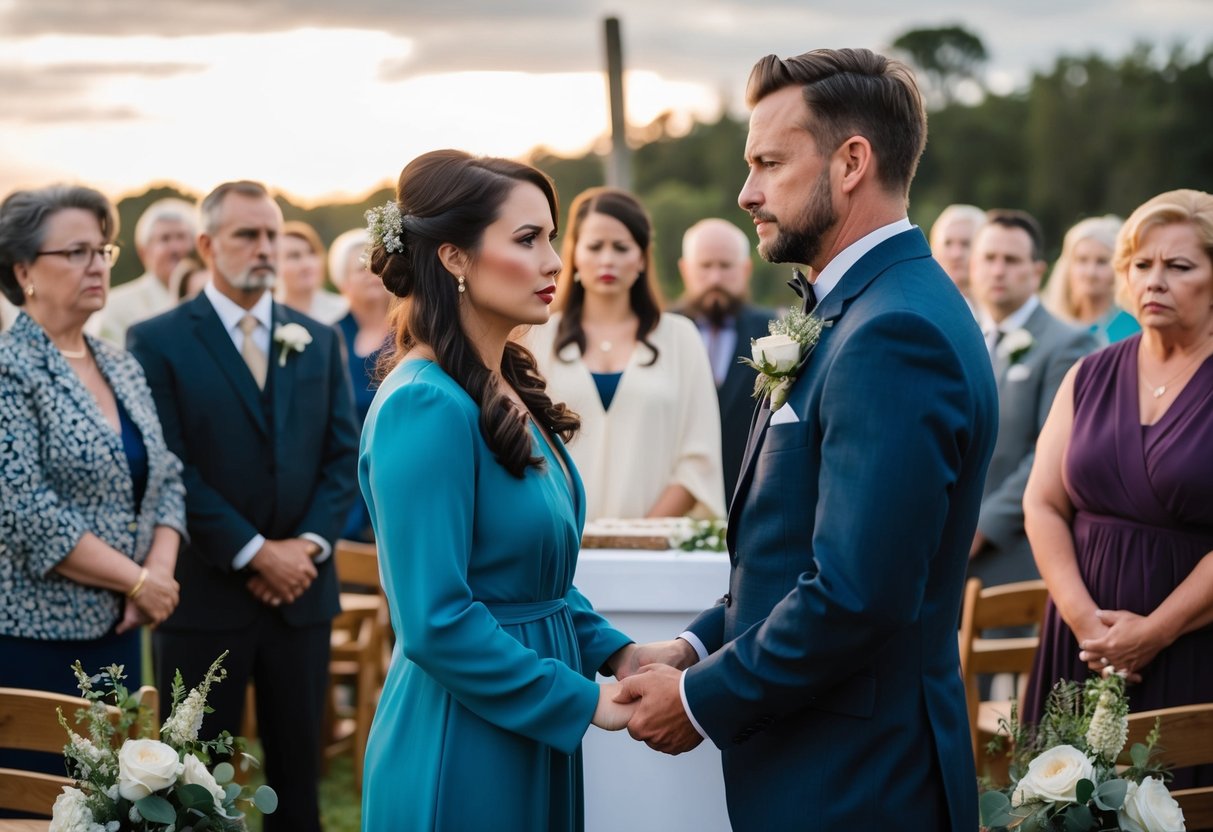
You might wonder why this term is still used today. A shotgun wedding reflects social expectations and cultural norms that can push individuals into commitments they might not have otherwise made. With its roots in the idea of being “forced” into marriage, the concept raises questions about love, responsibility, and the impact of societal pressures on personal choices.
Historical Context and Definitions
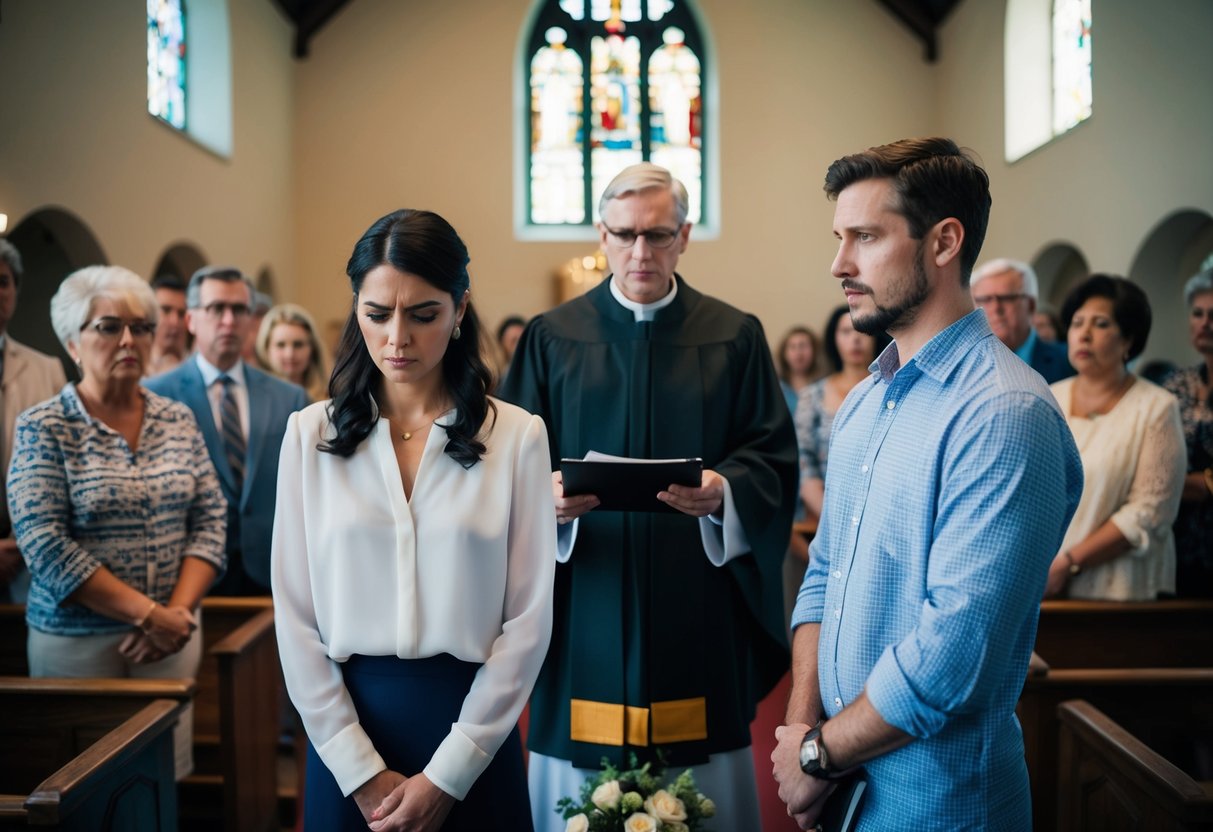
Understanding the roots of the term “shotgun wedding” helps clarify its meaning today. This section explores its origin, dictionary definitions, and how views about marriage evolved through significant societal changes.
Origin of the Term ‘Shotgun Wedding’
The term “shotgun wedding” has American origins and often refers to a situation where marriage occurs hastily, usually due to an unexpected pregnancy. Some historical accounts suggest that men were sometimes forced into marriage at gunpoint, hence the name.
This practice aimed to legitimize the relationship and prevent the stigma associated with having children out of wedlock. In earlier times, cultural pressure and societal norms heavily influenced marriages. Families sought to maintain their honor and reputation by ensuring that couples tied the knot quickly.
Shotgun Marriage in Dictionaries
Dictionaries define “shotgun wedding” as a forced marriage, often implying that one partner, typically the woman, is pregnant. This reflects societal attitudes, where premarital pregnancy was heavily frowned upon.
As language evolved, the term gained broader usage. It now describes hastily arranged marriages for various reasons, not solely related to pregnancy. Look up this term in dictionaries, and you’ll find consistent references to the urgency and pressure surrounding these unions.
Transition Through the Sexual Revolution
The sexual revolution of the 1960s and 1970s brought a significant shift in societal views on marriage and relationships. During this time, attitudes towards premarital sex and the role of women began to change dramatically.
Many people started to view relationships more freely. Traditional views regarding shotgun weddings began to decline, allowing couples more time to decide on marriage. The pressure to marry quickly, especially due to pregnancy, faded somewhat, and people’s choices in relationships expanded.
Cultural shifts led to the acknowledgment of “knobstick weddings,” another term representing pressured unions, showing how language and societal norms reflect changing values in love and partnership.
Social and Psychological Dynamics
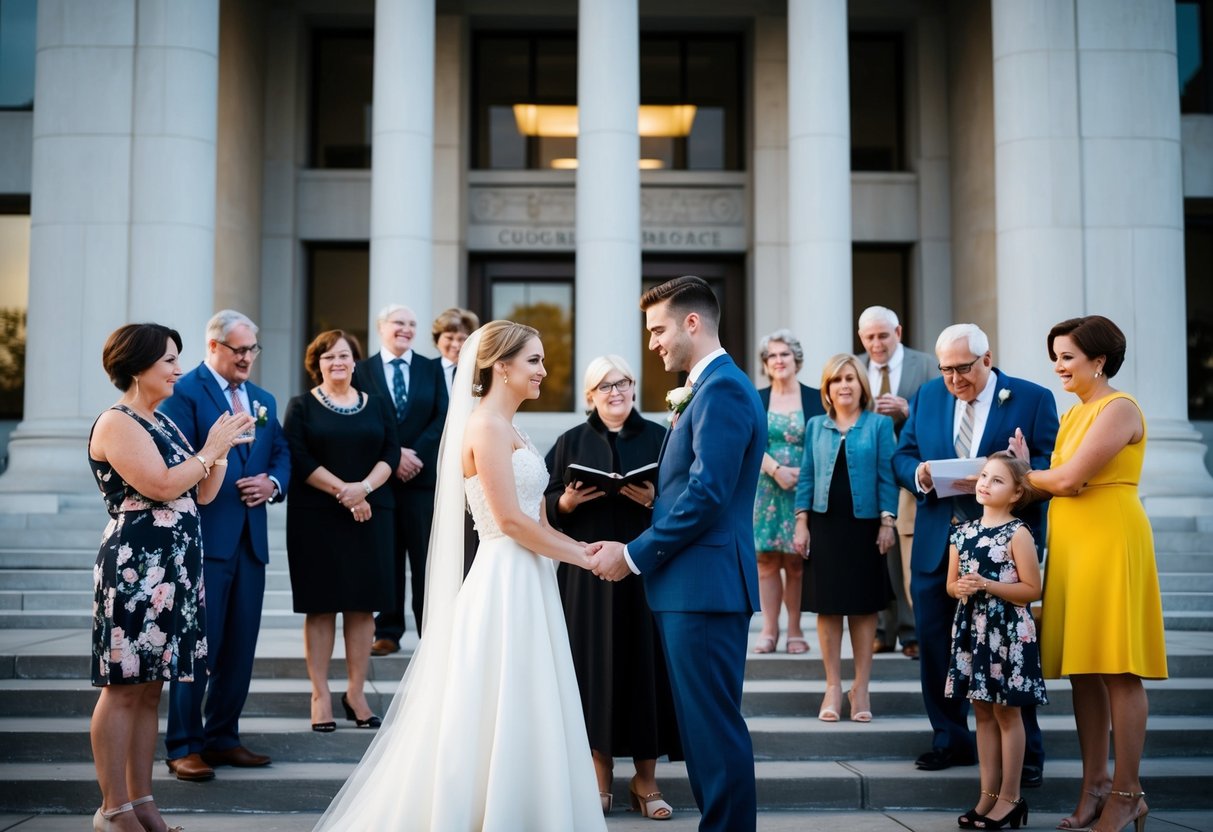
Understanding the social and psychological factors impacting shotgun marriages is essential. These factors often stem from societal norms, pressures, and the circumstances surrounding unplanned pregnancies. The following sections will explore how social honor, coercion, and forced unions influence these marriages.
Societal Expectations and Social Honor
In many cultures, societal expectations can create pressure to marry quickly when a couple faces an unplanned pregnancy. You may find that families often feel a strong need to maintain a sense of social honor. This pressure can prompt beliefs that marriage is necessary to uphold family reputation and social standing.
Social honor becomes especially significant in close-knit communities. Individuals are often judged based on perceived moral standards. You might feel that community opinions can drive couples to marry, even if they aren’t fully ready to start a life together.
Premarital Pregnancy and Forced Unions
When premarital pregnancy occurs, the dynamics shift dramatically. The couple may find themselves in a situation where marrying seems like the only option. This can transform what should be a joyful union into a forced union.
The emotional and psychological toll can be significant. You may experience anxiety about the future and uncertainty about the relationship. Without the foundation of mutual desire, marriages formed under these conditions may struggle from the start, leading to challenges both during and after the union.
Coercion and Compulsory Marriage
Coercion plays a vital role in many shotgun weddings. Family members or societal groups may exert pressure on the couple to marry quickly. You may notice that this coercion can come in subtle or overt forms. There could be threats of shame or loss of support, making it hard for the couple to resist.
When you consider compulsory marriage, it’s important to recognize how this can affect mental health. Individuals may feel trapped or resentful, leading to deeper issues in the relationship. This kind of pressure can make it difficult to build trust and intimacy, which are crucial for a healthy marriage.
Legal and Ethical Considerations
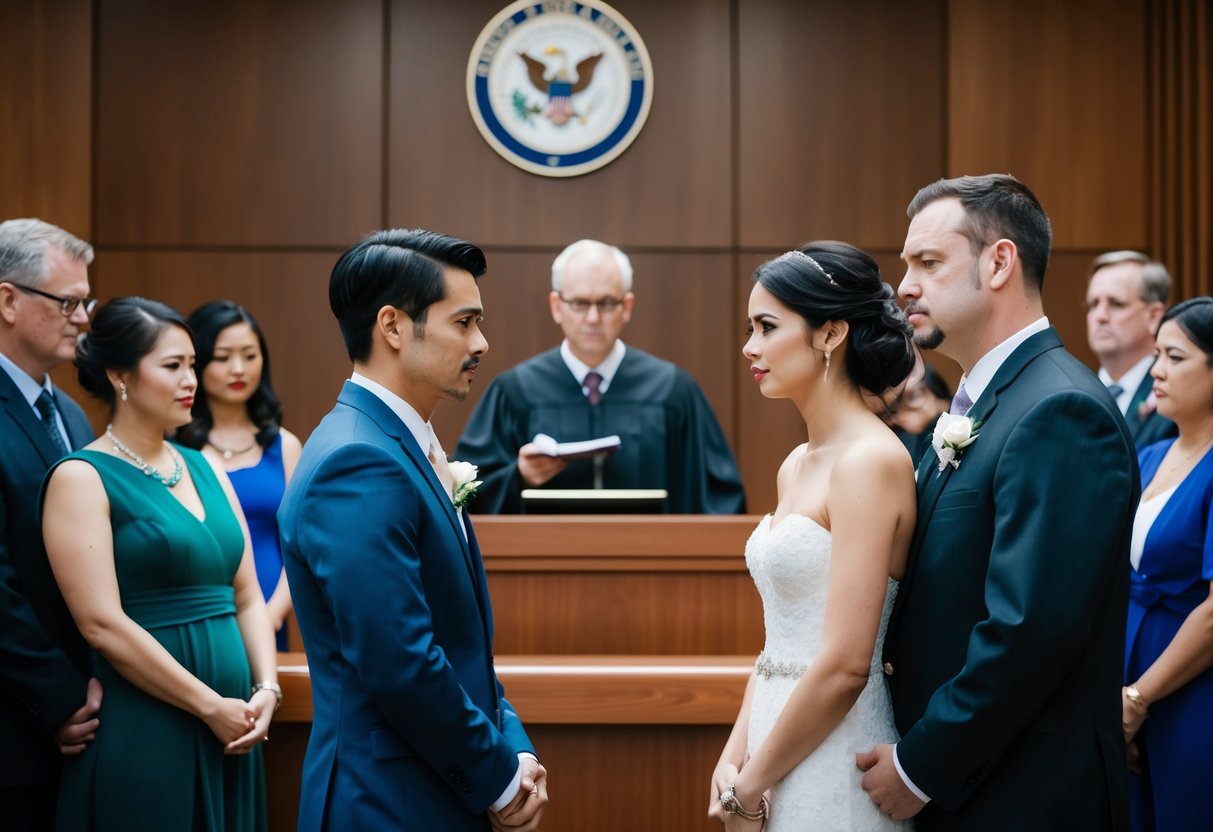
When you think about shotgun marriage, it’s important to consider the legal and ethical issues involved. These include how divorce rates may be affected and the protections against forced marriage.
Divorce and Marriage Stability
In shotgun marriages, the pressure of an unexpected pregnancy can lead to hurried decisions. This urgency may impact the stability of the marriage. Many couples face challenges, which can sometimes result in higher divorce rates.
Research shows that shotgun weddings can have different outcomes compared to traditional ones. Some studies indicate that couples who marry after an unplanned pregnancy may experience less marital satisfaction. This dissatisfaction can lead to a higher likelihood of divorce, especially if the marriage was primarily based on obligation.
Rights and Protections Against Forced Marriage
Legal protections exist to prevent forced marriages. In many places, both partners must freely consent to the marriage, ensuring that coercion does not occur. It is essential that you understand your rights if you feel pressured to marry.
In cases of dekichatta kekkon, or “marriage due to pregnancy,” it’s crucial to distinguish between genuine desire and obligation. If you or someone you know feels forced into marriage, it’s important to seek help. Laws against forced marriage vary by region, but support systems are often available to provide assistance and safeguard your rights.
Cultural Perspectives
Every culture has its own view on shotgun marriages. These perspectives shape how society reacts to unplanned pregnancies and the decision to tie the knot quickly. Understanding these views can help you see the nuances of shotgun weddings in different societies.
Variations Across Cultures
In some cultures, like in Japan, a shotgun wedding is referred to as dekichatta kekkon. This term reflects the expectation of marriage following an unplanned pregnancy. Here, families often feel a sense of responsibility to preserve honor and social standing.
In contrast, many Western cultures have evolved to view shotgun marriages with less stigma. While there is still some social pressure, the focus has shifted toward pragmatic reasons for marriage, like financial stability and support for the child.
Cultural norms heavily shape these variations. In regions where traditional values are strong, rushing into marriage can be more common. However, in progressive societies, people may prioritize personal choice over societal expectations, allowing couples more freedom in their decisions.
Impact on Social Status
The decision to get married due to an unplanned pregnancy often influences a couple’s social status. In traditional societies, a shotgun wedding can protect the family’s reputation. Marrying quickly helps avoid shame and reinforces community values.
In many cases, achieving social acceptance through marriage is vital. Families want to ensure their children are raised in a stable environment, which often means tying the knot.
Conversely, in more liberal cultures, the social implications are less severe. Couples may face acceptance regardless of their marital status. This shift allows more freedom for individuals and redefining expectations surrounding relationships.