
What is Meant by Wedding Ceremony? A Friendly Guide to Its Meaning and Significance
A wedding ceremony is much more than just a gathering; it is a beautiful ritual that celebrates love and commitment between two people. This event represents the official union of two individuals, symbolizing their vows and the start of a shared journey. During this special moment, couples express their love through personalized vows and heartfelt promises, making it a unique expression of their relationship.
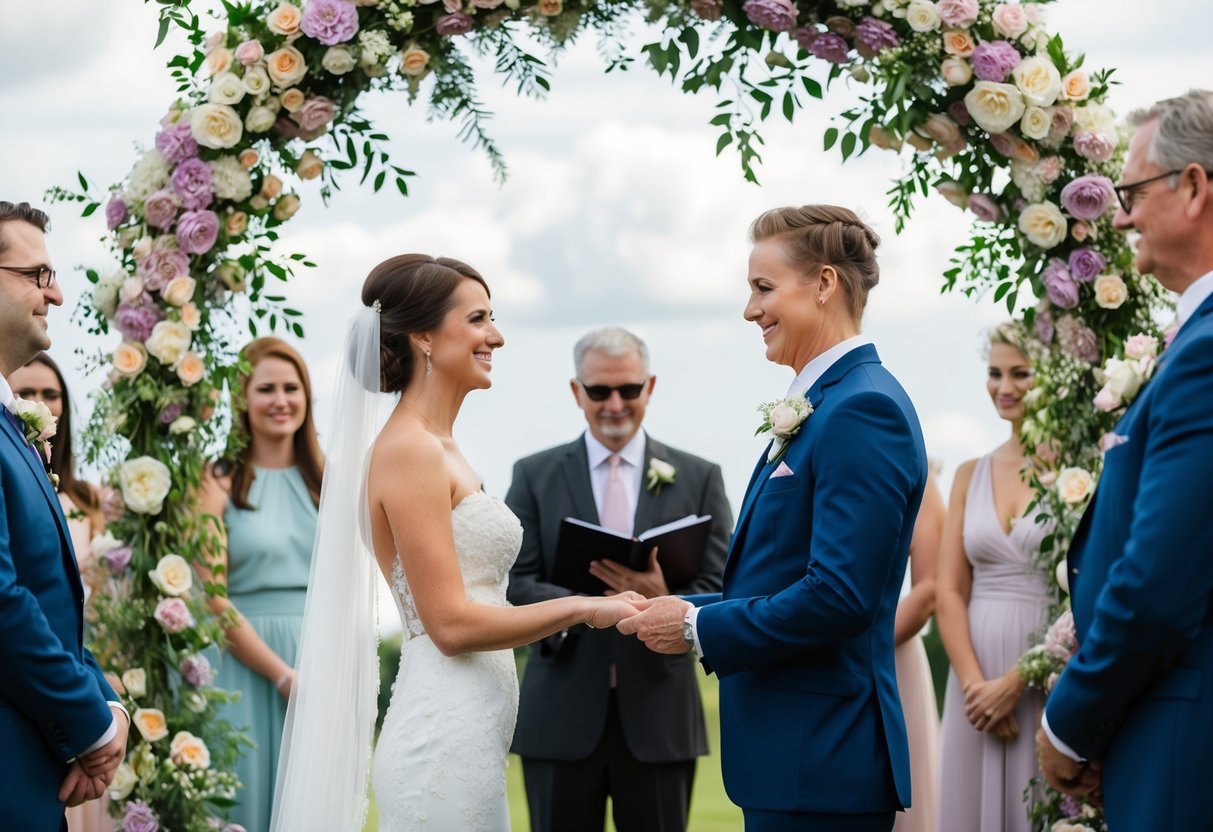
As you think about what a wedding ceremony means, consider how it brings together family and friends to witness this important milestone. It’s a celebration of love that can take many forms, whether it’s a traditional religious ceremony or a modern, intimate gathering. Each ceremony reflects the couple’s values and traditions, creating a memorable experience that resonates with everyone involved.
Understanding the essence of a wedding ceremony can help you appreciate the depth and importance of this occasion. It marks not only the legal commitment but also the emotional bond that ties two people together in a meaningful way. Whether you’re planning your own ceremony or simply reflecting on the beauty of love, this celebration holds a special place in the hearts of many.
Historical and Cultural Significance
Understanding the historical and cultural significance of wedding ceremonies can enrich your appreciation of these special events. Weddings reflect the values and beliefs of different societies, showcasing diverse customs and rituals.
Cultural Traditions
Cultural traditions shape the way weddings are celebrated around the world. Each culture has unique practices that highlight its heritage. For example, a traditional wedding ceremony in India often features vibrant colors, elaborate clothing, and numerous ceremonies over several days.
In contrast, a Japanese tea ceremony is simple and elegant, focusing on harmony and respect. In many cultures, specific attire, like the white dress in Western ceremonies, carries deep meaning. These customs symbolize love, unity, and the joining of families, making each wedding distinctly special.
Religious Ceremonies
Religious wedding ceremonies play a vital role in many cultures. They often involve rituals that reflect the beliefs of the couple. A Catholic wedding ceremony typically includes the exchange of rings and vows in a church setting, emphasizing the sanctity of marriage before God.
The Jewish wedding ceremony features traditions such as breaking a glass and the chuppah, symbolizing the home the couple will build together. Hindu wedding ceremonies involve countless rituals, including the Saptapadi, where the couple makes promises while taking seven steps together. Each religious ceremony connects the couple to their faith and community.
Civil Ceremonies
Civil ceremonies provide a secular alternative to traditional or religious weddings. These ceremonies are often simpler and focus on the legal aspect of marriage. In many countries, civil ceremonies can take place in a courthouse or a chosen venue, allowing couples to celebrate their commitment without religious affiliation.
These ceremonies often include a brief exchange of vows and might incorporate personal touches, like readings or music. Civil ceremonies can vary widely depending on local laws and customs, offering flexibility and a personalized experience for couples.
Components of a Wedding Ceremony
A wedding ceremony includes several important parts that create a memorable experience for you and your guests. Each element plays a role in expressing love, commitment, and celebration.
Wedding Processional and Recessional
The processional marks the start of the ceremony. This is when you and your wedding party walk down the aisle. The order often includes parents, bridesmaids, and groomsmen, leading to you. Your choice of music adds to the emotion of this moment.
After the ceremony, the recessional is the joyful exit. You and your spouse walk together, followed by your wedding party. This is a celebratory moment where smiles and laughter fill the air. Guests usually shower you with confetti or rice, enhancing the festive atmosphere.
Readings and Blessings
Readings can add a personal touch to your ceremony. You might choose favorite passages from literature, poems, or religious texts that reflect your love. This is a chance for family or friends to participate, making it special.
Blessings are often included to honor and seek good fortune in your marriage. They can come from spiritual leaders or close family members. A heartfelt blessing brings warmth and love, reinforcing the significance of your union.
Exchange of Vows and Rings
The exchange of vows is a key moment. Here, you express your love and promises to one another. This is often done in front of family and friends, making it deeply meaningful. You can write your own vows or use traditional ones, based on what resonates with you.
Following this, you partake in the ring exchange. This symbolizes your commitment. As you place the wedding rings on each other’s fingers, it represents a bond that is unending. The rings serve as a physical reminder of your promises, always visible in your daily life.
Pronouncements and Symbolic Gestures
The pronouncement of marriage is the moment you become officially married. An officiant declares you as a married couple, and it’s usually followed by applause. This declaration marks the start of your shared life together.
Symbolic gestures often accompany this part of the ceremony. Popular examples include lighting a unity candle or pouring sand together. These acts represent the merging of two lives into one. Each gesture adds a unique touch, making your ceremony reflect your personalities and values.
Roles and Participants
In a wedding ceremony, various individuals play important roles. Understanding who these participants are helps you appreciate the significance of the event. From the couple to guests, each person contributes to making the day special.
The Couple and Officiant
The heart of the wedding ceremony is the couple. You and your partner are the stars of the day, coming together to make lifelong promises. Your love and commitment take center stage during this meaningful event.
The officiant is the person who leads the ceremony. This could be a religious leader, a judge, or a friend who has been ordained. Their role includes guiding you through the vows, ensuring everything runs smoothly, and managing the legal aspects. A key moment is the declaration of intent, where you declare your willingness to marry each other, solidifying your commitment publicly.
Wedding Party
The wedding party is made up of your closest friends and family members. This often includes bridesmaids, groomsmen, and sometimes flower children. They are there to support you both during the ceremony and throughout the wedding planning process.
Bridesmaids help the bride with tasks like dress fittings and organizing pre-wedding events. Groomsmen assist the groom, often helping coordinate logistics. Each member has their own duties, making sure everything goes as planned. Their involvement adds joy and support to your special day.
Family and Guests
Family plays a crucial role in a wedding. They are there to witness your vows and offer support. Close relatives, like parents and siblings, often have special roles, such as walking you down the aisle or giving their blessing.
Guests fill the room with love and joy. They include friends, relatives, and other loved ones who celebrate your union. Creating a welcoming atmosphere for your guests makes your ceremony more memorable. Each person contributes to the tapestry of your love story, making it a day you’ll cherish forever.
Types of Wedding Ceremonies
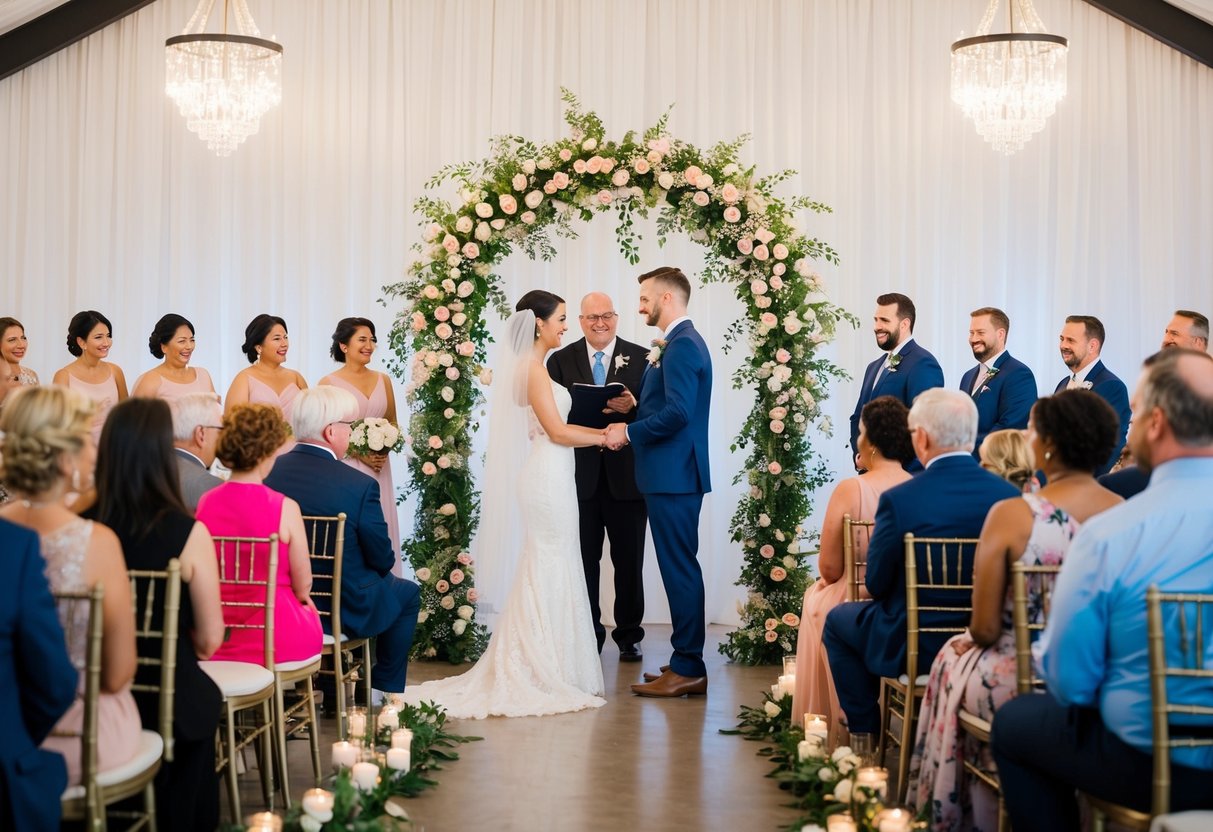
When planning your wedding, it’s essential to know the different types of ceremonies available. Each type reflects your personality and values, allowing you to create a memorable experience.
Traditional vs. Modern Ceremonies
A traditional wedding ceremony often includes customs that have been passed down through generations. This can involve religious rites or cultural practices. For example, a Catholic ceremony may feature a Mass, communion, and specific rituals that enhance the sacredness of the event.
On the other hand, modern ceremonies may take a more relaxed approach. These ceremonies can include civil ceremonies, where a judge or authorized official officiates. You might choose to personalize your vows and rituals based on your relationship rather than conforming to tradition.
In recent years, interfaith ceremonies have also become popular, combining elements from different religions to honor both partners’ backgrounds.
Alternative Ceremony Styles
If you prefer something unique, consider alternative wedding styles. Destination weddings offer an adventurous way to tie the knot in a beautiful location. Whether it’s a beach or a historic site, the backdrop adds a special touch to your ceremony.
Elopements and minimonies have also gained popularity. These options allow for a more intimate experience, often just shared with close family or friends.
Similarly, a commitment ceremony is a meaningful way to celebrate your union without the legal aspect.
You might also explore military weddings, which have specific traditions, or spiritual ceremonies that focus on personal beliefs rather than religious doctrines. Each type allows you to express your love in a way that feels right for you.