
What is Proper Etiquette for a Destination Wedding? Essential Tips for Guests and Couples
Planning a destination wedding can be exciting, but it also comes with its own set of rules to follow. Proper etiquette for a destination wedding includes clear communication with your guests, considering their travel plans, and showing appreciation for their effort to celebrate with you. Understanding these guidelines will help ensure a smooth experience for both you and your guests.
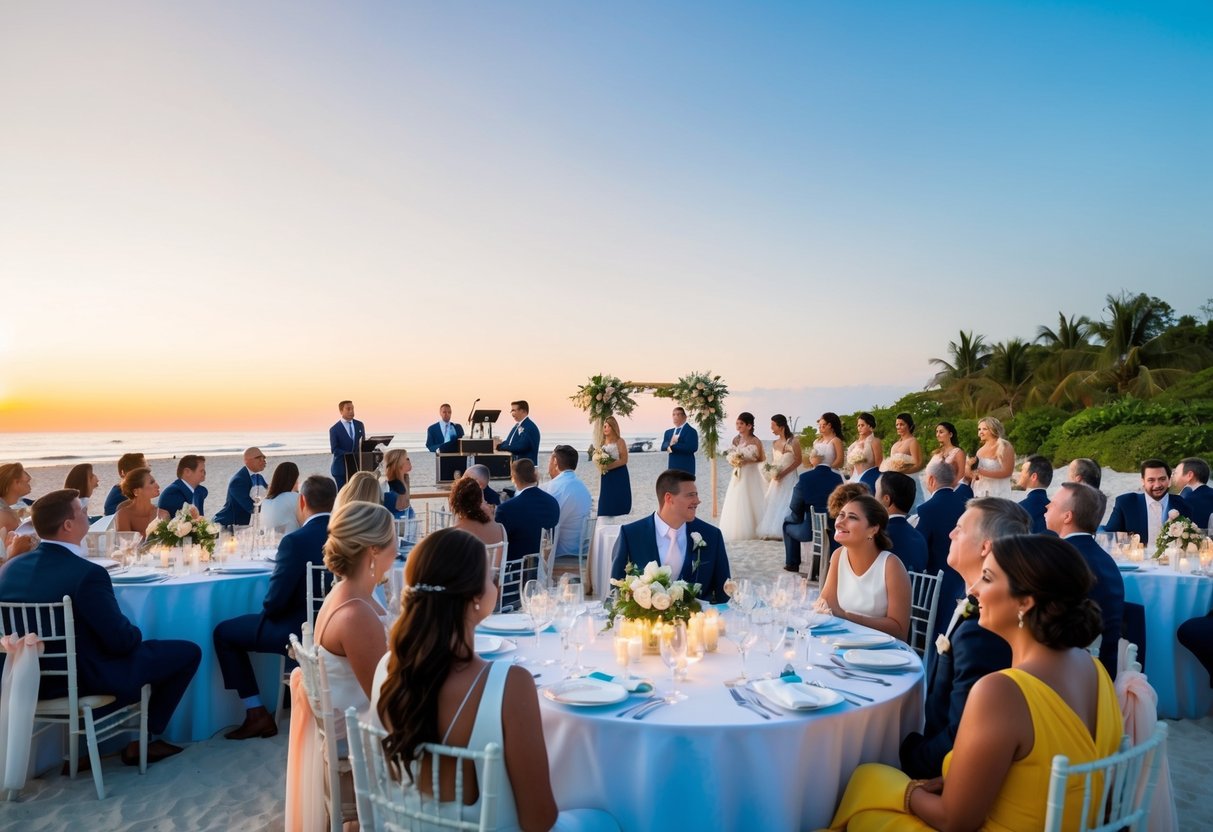
As you prepare for your special day, remember that your wedding isn’t just about you; it’s also about your loved ones. Being mindful of their needs and expenses shows respect and gratitude. From choosing the right location to providing helpful information about accommodations, thoughtful planning makes a big difference.
Navigating destination wedding etiquette doesn’t have to be overwhelming. With a little research and awareness of cultural differences, you can create a memorable experience that everyone will cherish. Let’s delve into the essential tips and tricks to keep in mind for your big day.
Planning Your Destination Wedding

Planning your destination wedding involves careful thought about several important factors. You’ll want to choose a stunning location, curate your guest list, and set a date that works for everyone involved. Here are some key points to consider.
Choosing the Perfect Location
Selecting the right location is one of the most exciting parts of planning your destination wedding. Think about places that hold special meaning for you and your partner.
Consider the following when choosing your location:
- Local Customs: Research local traditions and customs that could enhance your wedding experience.
- Accessibility: Ensure the site is easy for your guests to reach.
- Weather: Check the season and climate to avoid unpleasant surprises.
Include extra elements like scenic views or nearby attractions. This will help make the event enjoyable for you and your guests.
Creating and Managing Your Guest List
Building your guest list requires balancing your desires with practicality. Destination weddings often lead to a smaller group of attendees, so consider who truly matters most to you.
- Prioritize: Start with close family and friends.
- Communication: Let guests know that the trip is part of the celebration.
- Save-the-Dates: Send these early to give everyone time to plan.
You might consider setting up a wedding website. It can help manage RSVPs and share crucial details about travel, hotel options, and local customs.
Setting the Date and Sending Invitations
When setting a date, think about holidays, weather, and your guests’ availability. Choose a time when people are more likely to travel, like summer or early fall.
Once you have a date:
- Send Save-the-Dates: Give your guests advance notice to plan.
- Formal Invitations: Send these out closer to your date. Be clear about dress codes or themes.
Consider including information about local traditions or customs that could be interesting for your guests. This thoughtful touch will make your destination wedding feel even more special.
Travel and Accommodation Details
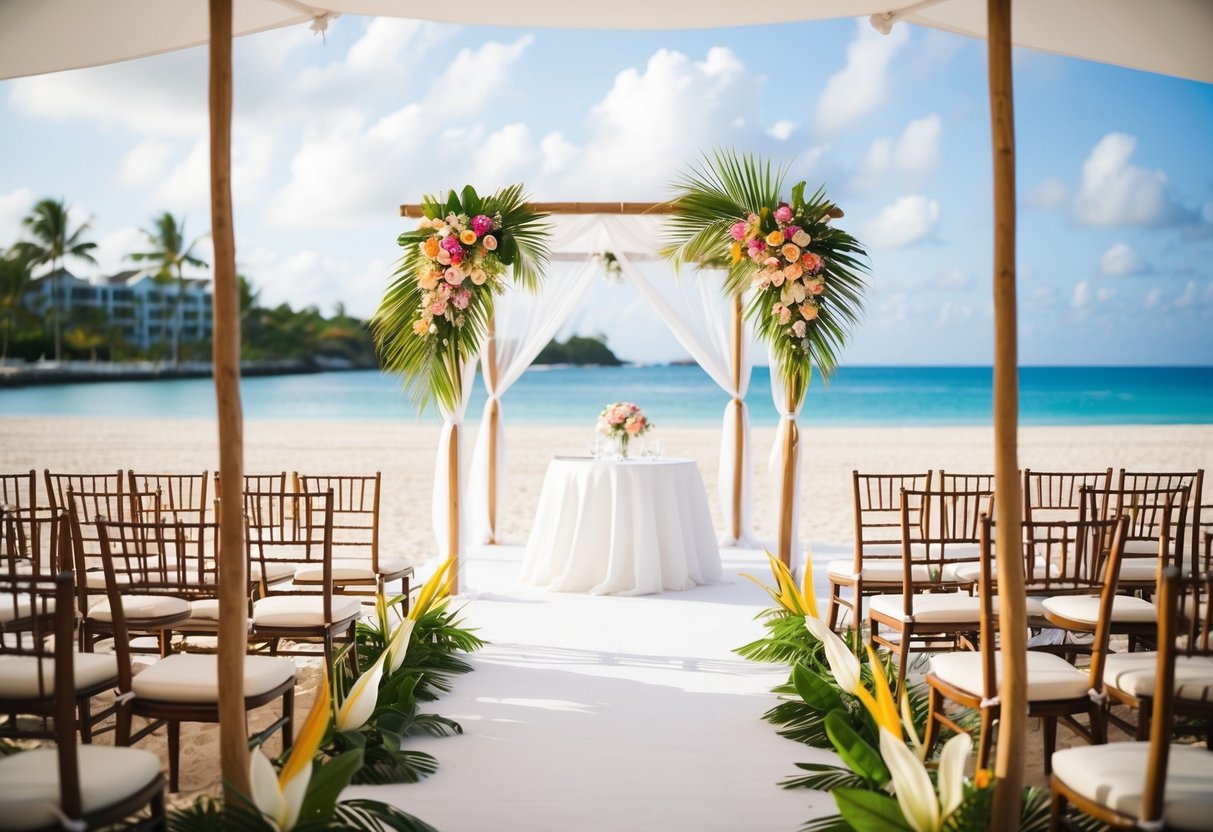
When planning a destination wedding, your guests will appreciate clear information about travel and accommodation. This helps them prepare and ensures they have a pleasant experience. Here’s how to provide essential details regarding travel arrangements and place to stay.
Arranging Travel Plans for Guests
Start by providing important information about airfare and travel options. Share details on the best airports to use, approximate travel times, and potential layovers. It’s helpful to suggest airlines that frequently fly to your destination.
Consider creating a timeline for booking flights. Suggest that guests book their tickets early, especially during peak seasons. If possible, you could coordinate with airlines for discounted group rates. Make sure to circulate this information through save-the-dates or your wedding website.
Providing Accommodation Options
Research and provide a list of accommodation options nearby. Include hotels, resorts, and vacation rentals at various price points. This will help cater to different budgets among your guests.
Key Points to Highlight:
- Group Rates: Negotiate group rates with hotels to make stays more affordable. This can give your guests savings while ensuring they stay nearby.
- Accessibility: Mention whether accommodations are child-friendly or pet-friendly if relevant.
- Proximity: Highlight how close options are to the wedding venue to make logistics easier for everyone.
Dealing with Unforeseen Circumstances
Sometimes, things don’t go as planned. It’s wise to prepare for unforeseen circumstances, such as flight delays or cancellations. Share important contact numbers, including your wedding planner or local contacts.
Encourage guests to have flexible travel arrangements if possible. Suggest that they check travel insurance options to protect themselves in case of unexpected issues. Notify everyone about local transportation options, like shuttles or taxis, to ensure they can navigate easily if plans change.
Wedding Etiquette for Guests

Attending a destination wedding comes with its own set of etiquette rules. You want to ensure you respect the couple’s wishes and make the experience enjoyable for everyone. Here are some important points to keep in mind.
Understanding Gift Etiquette
When it comes to gifts, consider what the couple may need or want. Many couples have gift registries, so check the invitation or wedding website for details. If they don’t have one, cash gifts or contributions to a honeymoon fund are often welcome.
Remember, the average cost of attending a destination wedding can be significant. As a guest, it’s vital to be sensitive about spending. Your presence is what truly matters to the couple. Choose a gift that fits within your budget while reflecting your appreciation for their special day.
Deciphering the Dress Code
Dress codes can vary significantly depending on the wedding location and theme. Look closely at the wedding invitation for any dress code details. Common options include formal, semi-formal, beachy casual, or tropical chic.
For formal weddings, men should opt for suits, while women might wear long dresses. For more casual events, light fabrics and comfortable shoes can be a good choice. Don’t forget to consider the weather and the venue. Bring layers if necessary, and opt for breathable fabrics if you’re in a warm climate.
RSVP and Attendance Considerations
Responding promptly to your RSVP is crucial. This helps the couple finalize their guest list and make necessary arrangements. If you can’t attend, let them know as soon as possible.
When traveling for the wedding, plan ahead. Consider accommodation, transportation, and any activities you want to enjoy nearby. Keep in mind that, as the wedding may be taking place in a different location, you are responsible for your travel expenses. Being punctual and respectful will make you’re attendance appreciated during this special event.
After the Celebration
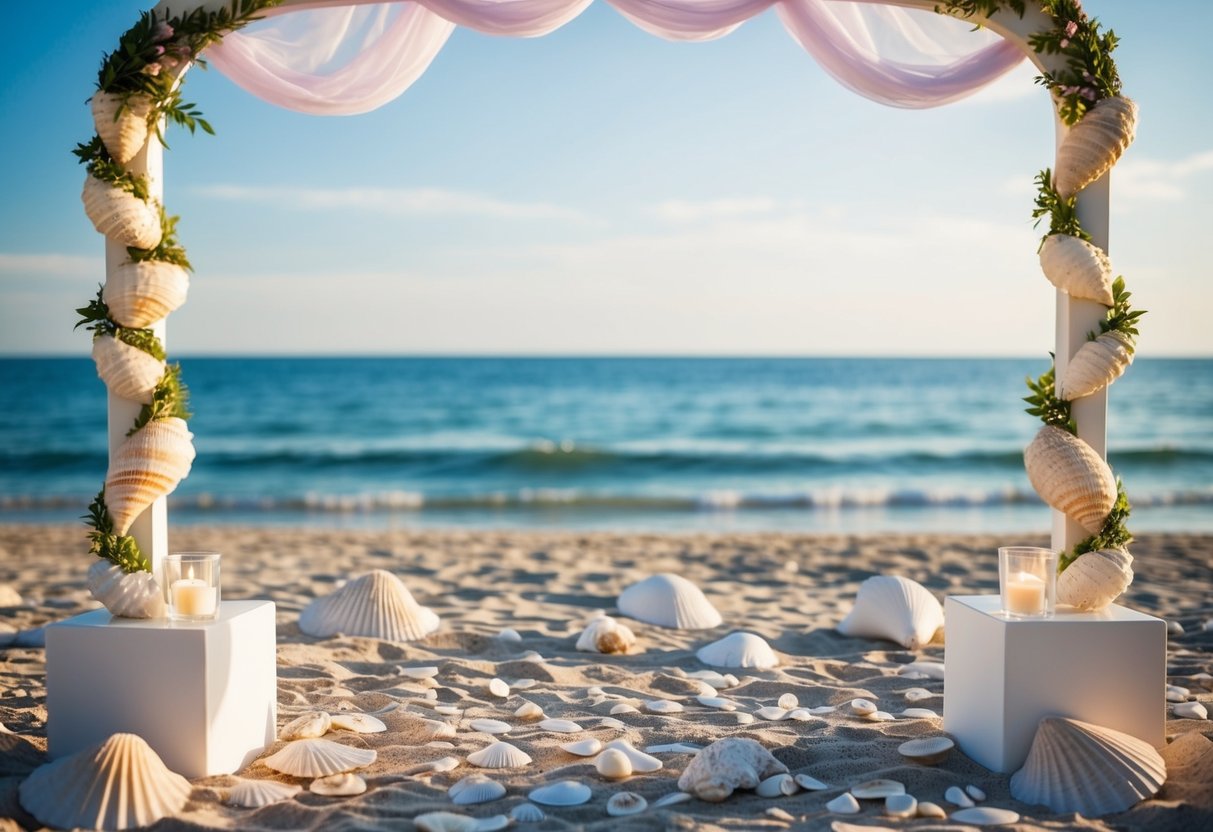
After your destination wedding, it’s important to keep the joy alive by celebrating with your loved ones and expressing your gratitude. Planning post-wedding events can add special memories, while thank-you notes ensure everyone feels appreciated.
Hosting Post-Wedding Events
Consider throwing a post-wedding event to connect with guests who traveled for your celebration. Options include a casual brunch, a cocktail party, or a more formal sit-down dinner. This is your chance to enjoy time together in a relaxed setting, especially if your wedding was more formal or chaotic.
You can also host a rehearsal dinner the night before your wedding as a way to kick off the festivities. It allows everyone to mingle and get to know each other before the big day.
When planning, think about your budget and the size of your guest list. Keeping the atmosphere light and fun is key. Whether you opt for an elegant gathering or a laid-back barbecue, make sure it reflects your style as a couple.
Expressing Gratitude with Thank-You Notes
Sending thank-you notes is a must after your destination wedding. These notes show appreciation for gifts, travel, and time spent with you.
Aim to send them out within three months after the wedding.
Be sure to personalize each note. Mention the specific gift or gesture your guest provided.
For example, if someone gifted you a beautiful vase, say how you plan to use it in your new home. A personal touch makes the note feel genuine.
Make a list of everyone who attended the wedding and their gifts so you don’t miss anyone.
Handwritten notes are always preferred, as they add a personal feel. Let your loved ones know how much their presence and support meant to you.