
What Is Proper Etiquette for Seating at a Wedding Reception? A Guide for Guests and Hosts
Planning the seating at your wedding reception can feel overwhelming, but it doesn’t have to be. Proper etiquette for seating at a wedding reception involves considering your guests’ relationships, comfort, and the overall flow of the event. By keeping these factors in mind, you can create a joyous atmosphere where everyone feels included and at ease.
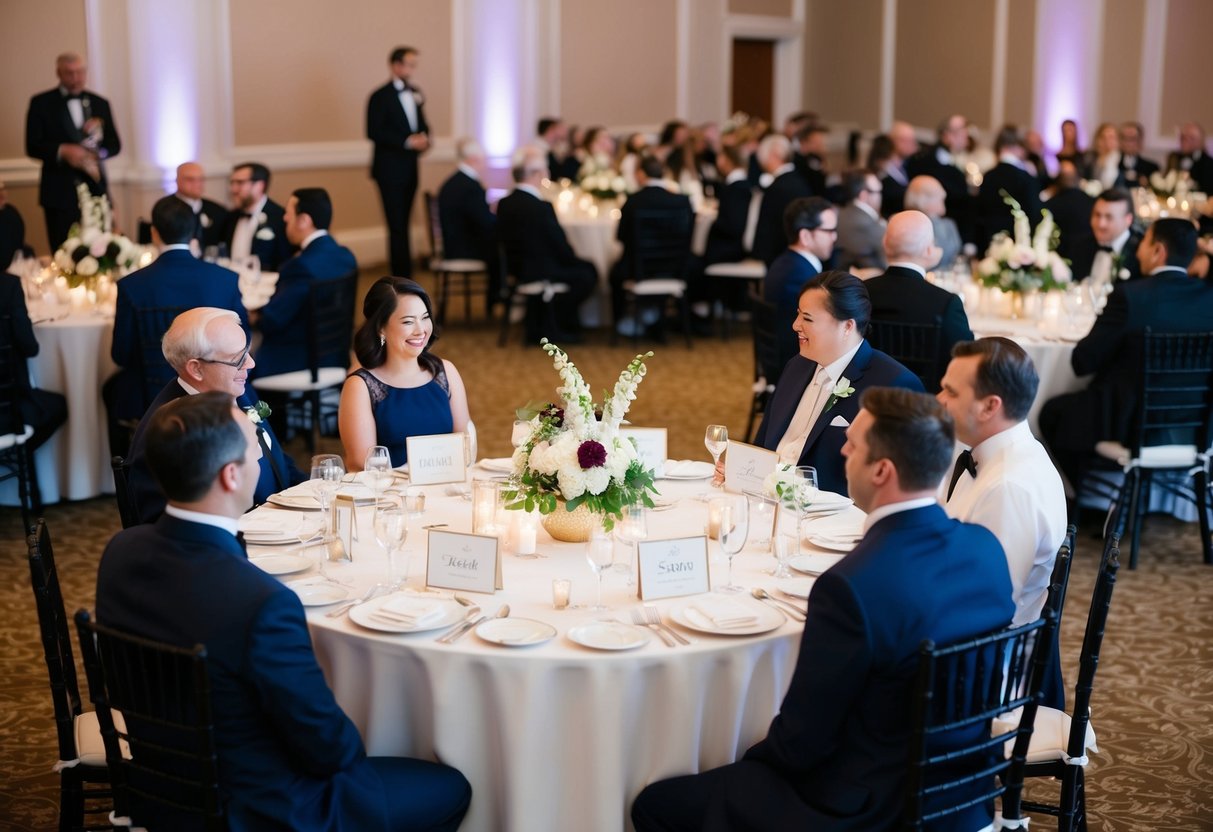
Start by thinking about how to group your guests. Family members usually sit together, while friends might enjoy being near each other too. It’s also important to place guests who know each other at the same table for a more enjoyable experience.
Taking time to plan these seating arrangements thoughtfully will help avoid any awkward moments.
Remember, good communication is key. Displaying a clear seating chart at the venue will guide your guests to their spots without confusion.
Keeping wedding etiquette in mind as you arrange the seating will ensure a smooth and pleasing reception for both you and your loved ones.
Designing Your Seating Chart

Creating a well-organized seating chart is essential for a smooth wedding reception. It helps guests find their places easily and encourages mingling among friends and family. Here’s what you need to know about designing your seating chart effectively.
Understanding Seating Chart Etiquette
Seating chart etiquette plays a big role in how comfortable your guests feel. Start by considering the relationships between your guests. Family members and close friends should sit together, while guests who may not know each other well can be placed at different tables.
It’s also important to avoid putting guests next to anyone they might not get along with. While your seating chart should be thoughtful, be flexible when necessary. Everyone wants to enjoy the day, and a little consideration can help create a positive atmosphere.
Selecting Table Shapes and Layout
The shape of your tables can affect the vibe of your reception. Round tables are popular for creating a more intimate feel. They facilitate conversation and make it easy for guests to see each other.
Rectangular tables allow for a different seating arrangement, possibly accommodating larger groups. Consider how you want your guests to interact and choose your table shapes accordingly.
Key Layout Ideas:
- Round Tables: Great for small groups and easier conversation.
- Rectangular Tables: Good for larger groups and more formal settings.
- U-Shaped Arrangement: Encourages togetherness and visibility.
Coordinating with Guest List and RSVPs
Before you create your seating chart, make sure you have an up-to-date guest list. Track RSVPs carefully to see who is attending. This will help you assign tables accurately.
You can use a spreadsheet or seating chart software to keep everything organized. Once you know who is coming, it’s easier to pair guests by interests or relationships.
Make notes on your spreadsheet about any special needs, like accessibility.
Assigning Tables and Creating a Chart
When it’s time to assign tables, start with the wedding party and close family. This creates a base for your seating chart. After that, think about friendships and dynamics within your guest list.
Using place cards can make it more personal. Consider printing names on cards and placing them at each seat for a nice touch.
Once your tables are assigned, create a master seating chart. This can be displayed at the entrance to help guests find their spots easily. You can use a large board or an easel for a more stylish look.
Helpful Tips:
- Keep the seating chart simple and clear.
- Use a designated area for the seating chart that all guests can see.
- Update the chart frequently to account for last-minute changes in RSVPs.
By focusing on these elements, you can design a seating chart that enhances your wedding reception experience for everyone involved.
Arranging the Head Table

When planning your wedding reception, the arrangement of the head table is a key detail. This table signifies honor and attention, giving you and your partner a special place among your guests. Consider various setups to create the perfect atmosphere.
Traditional Head Table Seating
In traditional weddings, the head table typically seats you, your partner, and your wedding party. You can position yourselves at the center, flanked by your bridesmaids on one side and groomsmen on the other.
Your parents may also join at this table, which helps include them in the celebration. It’s a good idea to keep the guests’ dynamics in mind to avoid any awkwardness.
Make sure to have a seating chart that clearly shows who sits where. This will help guests find their spots easily and reduce any confusion.
Alternatives to the Head Table
If you want a more relaxed vibe, you can consider alternatives to the traditional head table. Many couples choose to sit with their families or close friends instead of just the wedding party.
Another option is to create a combined table with all your guests, which might feel more inclusive. Additionally, some couples opt for multiple smaller tables, seating close friends and family together. This allows for more intimate conversations throughout the night.
Keep in mind the arrangement should fit your vision for the wedding and the atmosphere you want to create.
Positioning the Sweetheart Table
A sweetheart table is a charming option for just you and your partner. Placing this table in a prominent area can make it feel special.
You can decorate the sweetheart table with floral arrangements, candles, or personal touches that reflect your style. Positioning it at the front allows all guests to see you during speeches and toasts.
It’s also important to consider the seating arrangement for your guests around the table. A nearby seating chart can help place friends and family close enough for happy conversations, while also giving you a bit of privacy.
By focusing on these arrangements, you can create a wedding reception that feels both personal and memorable.
Special Considerations in Seating

When planning seating for your wedding reception, it’s important to consider the diverse needs of your guests. Addressing special requirements, managing children, and organizing plus-ones can help ensure everyone feels comfortable and included.
Accommodating Elderly Guests and Special Requirements
Elderly guests often have specific needs that should be considered. Choose seating that is comfortable and easily accessible. Place them closer to the front where it’s quieter.
If any guests have mobility issues, make sure they can navigate the space easily. Consider special requirements such as dietary restrictions or preferences. You can do this by talking to them in advance or noting information on your RSVP cards.
Children at the Reception: The Kids’ Table
Including children at your wedding can create a lively atmosphere. Designate a kids’ table with activities to keep them entertained. You may want to provide coloring books, toys, or games to engage them during the reception.
Make sure this table is close to their parents so adults can keep an eye on them. Consider offering a menu tailored to children’s tastes, like chicken tenders or mini pizzas. This will make the meal more enjoyable for them.
Managing Plus-Ones and Singles
When handling plus-ones, set clear guidelines from the start. If your guest has a partner, invite them along, but it’s helpful to communicate your wishes early. This prevents confusion and makes everyone feel valued.
For singles, consider arranging a pleasant seating plan that encourages interaction. Mix singles with couples to create a friendly environment. This can help guests feel included and can lead to new connections.
Finalizing Your Seating Arrangements
When it comes to seating arrangements for your wedding, careful thought can enhance your guests’ experience. Using place cards, table numbers, and escort cards can help guide your guests smoothly. Additionally, consider the atmosphere you want to create with your seating choices.
Place Cards, Table Numbers, and Escort Cards
Using place cards is a great way to show guests exactly where they should sit. These cards can be personalized with each guest’s name and placed on the table at their assigned seat. This simple touch prevents confusion during dinner.
Table numbers help guests identify their assigned tables quickly. Consider using clear, attractive designs that match your wedding theme.
Escort cards tell guests which table they will sit at, providing them with a clear starting point. Place these cards at the venue entrance or a specific area where guests can easily find them. With these tools, you can create a pleasant and organized reception setting.
The Role of Atmosphere in Seating
Your seating arrangement impacts the atmosphere of the reception. Think about the shape of the tables you will use. Round tables foster conversation, while rectangular tables can create a more formal feel.
When placing guests, consider their relationships. Grouping friends and family can spark joy and laughter, while keeping less compatible guests apart can help avoid tension.
Pay attention to the placement of tables in relation to features like the dance floor or the cake. This arrangement can enhance the experience, making sure everyone feels included and comfortable while enjoying the celebration.