
What Is the +1 Rule for Weddings? Understanding Guest Invitations and Plus-Ones
Weddings are joyful events that often come with many questions about etiquette. One common query is about the +1 rule, which refers to whether guests can bring a person of their choice to the celebration. Typically, the +1 rule means that you can invite a partner, spouse, or someone you are seriously dating to join you at the wedding.

This rule can vary depending on the couple’s preferences and the size of the event. While some might extend the invitation to all guests, others may limit it to close friends or family only.
It’s important to check the invitation for any specific mentions regarding plus-ones to avoid confusion and ensure everyone knows who is invited.
As you navigate wedding invitations, understanding the +1 rule will help you feel comfortable and confident in your choices. You don’t want to miss out on the fun, so knowing how this rule applies will make your experience smoother at any wedding you attend.
Understanding the +1 Rule in Weddings
The +1 rule at weddings helps guests know if they can bring a partner. Knowing when to offer this option is essential for good wedding etiquette.
It’s also important to consider different life stages and relationship types when deciding on plus-ones.
Definition and Origins of the +1 Rule
The +1 rule means that invited guests can bring one additional person to a wedding. This practice dates back to traditional wedding etiquette, where welcoming partners or dates is seen as polite.
The idea is to make sure your guests feel comfortable and valued. This rule can promote a friendly atmosphere and helps guests enjoy their experience.
By giving everyone the option, you show respect for their feelings and relationships.
When to Offer a Plus-One
You should consider offering a plus-one to guests who are married, engaged, or living together. This shows that you recognize their committed relationships.
If your guest is single, it depends on the size and formality of the wedding. For larger and more casual events, many singles appreciate being able to bring a friend.
However, it’s okay if you can’t offer everyone a plus-one. Many guests understand, as you can see in this article here: Wedding Etiquette Minefield: What’s Your +1 Rule?.
Life Stages and Relationships
Different life stages play a role in the plus-one decision. For instance, if someone is newly dating, you might choose not to extend a plus-one. This can prevent discomfort for both the guest and the couple.
On the other hand, long-term relationships deserve recognition. If a guest has had a significant other for a while, it’s respectful to invite them.
Your goal should be to create a welcoming environment. Each wedding is unique, so adapt your decisions to match your guests’ situations.
Navigating Guest List and Invitations
Creating a guest list and sending invitations can feel overwhelming. It’s important to get it right to ensure your day is special for everyone involved. Here’s how to manage these important tasks effectively.
Creating Your Guest List
Start by listing everyone you want to invite, including family, friends, and colleagues. This is your guest list. Consider your venue capacity and budget as you create it.
Next, decide who gets a plus-one. Generally, this applies to partners and close friends. Think about the dynamics, especially if some guests might feel left out if not allowed to bring someone.
As you gather names, keep track with a simple spreadsheet to see who can make it. You can also note any special considerations for each guest—like dietary needs.
Designing and Sending Wedding Invitations
When it comes to wedding invitations, design matters. Choose a style that reflects your personality and theme. Consider colors, fonts, and the overall look.
Make sure to include all important details: names, date, time, venue, and RSVP instructions. You can either use printed invitations or digital ones, depending on what suits you best.
Don’t forget the plus-one question. If a guest can bring someone, clearly mention it in the invitation. For example, write “John Smith and Guest” on the envelope or say “John Smith +1” in the text.
Managing RSVPs and Plus-Ones
Once you send out your invitations, it’s time to manage the RSVPs. Request guests to respond by a specific date. This helps you finalize the guest count.
You can include response cards with the invitations, ensuring guests know how to RSVP easily. If you’re using digital invites, consider a simple online form.
Keep track of who has responded. Noting who is coming with a plus-one is crucial. This way, you can adjust seating arrangements and catering needs appropriately. A well-managed RSVP list leads to a smoother planning process.
Etiquette for Guests and Hosts
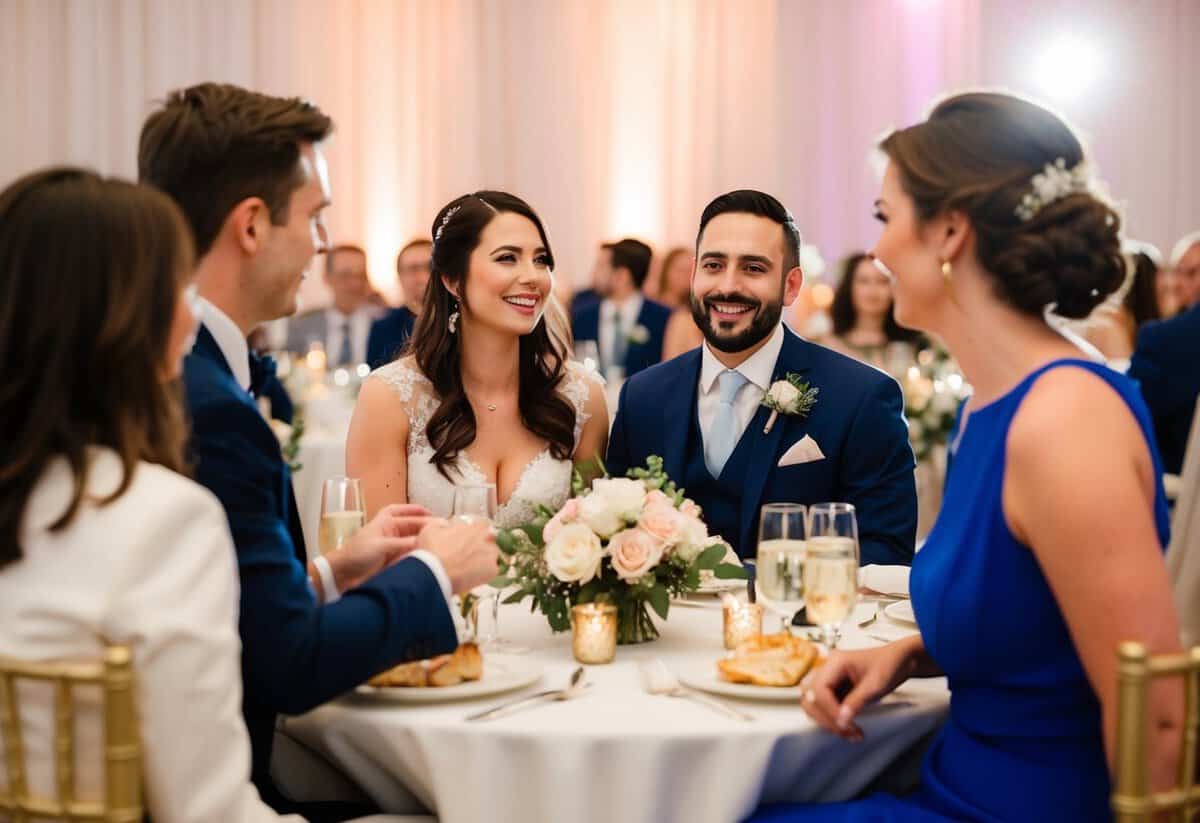
Navigating the plus-one rule at weddings involves understanding both guest requests and host expectations. Knowing when and how to communicate about plus-ones can make the experience pleasant for everyone.
When and How to Politely Ask for a Plus-One
If you feel you need a friend by your side to enjoy the celebration, it’s perfectly fine to ask for a plus-one. Start by checking the invitation. If it doesn’t specify, reach out to the couple or the host.
Be polite and direct. You might say, “I see I wasn’t assigned a plus-one. Would it be okay for me to bring a friend?” It’s best to ask early, as hosts appreciate knowing their guest list ahead of time.
How to Respectfully Decline an Unwanted Plus-One Request
If you receive an invitation that doesn’t offer a plus-one, you might be tempted to ask anyway. However, if you do not know anyone at the wedding well, it’s better to respect the host’s decision.
You can simply say, “Thank you for the invite. I’ll attend solo.” Remember, guests who are married or in serious relationships typically have more leniency with plus-ones. Always prioritize respect for the couple’s wishes regarding their guest list.
Challenges of a Destination Wedding
Destination weddings can complicate the plus-one situation. Often, budgets and space are tight, so hosts may not extend plus-one invitations.
If you’re invited to such a wedding, think about your travel plans. If you want to bring a friend, approach the hosts kindly. You can ask, “I’d love to come! Is there a chance I could bring a plus-one?”
Understand that the couple may have limited resources, so be prepared for any outcome. Always prioritize understanding and flexibility when it comes to wedding plans.
Planning and Budget Considerations

When planning your wedding, considering the +1 rule is essential. It can significantly affect your budget and logistics. Balancing these aspects will help ensure a smooth celebration.
Impact of Plus-Ones on the Wedding Budget
Inviting a +1 can greatly increase your wedding costs. Each extra guest adds expenses for catering, drinks, and seating.
For example, if you have 10 guests with +1s, this might mean 20 total guests at your reception.
Consider the following when budgeting:
- Catering Costs: Each meal can range from $50 to $200, especially for summer weddings.
- Beverages: Don’t forget about drinks! A drink package can significantly boost your expenses.
- Seating Cards: More guests mean you’ll need additional seating cards and table arrangements.
If you’re working with a tight budget, think about limiting the +1 option to serious relationships and cohabiting guests.
Logistics: Seating Arrangement and Meals
Managing seating arrangements becomes more complex with +1s. You’ll need to ensure everyone has a comfortable place.
Here are key points to keep in mind:
- Table Layout: With more guests, you might need to rent additional tables and chairs.
- Seating Plan: Create a seating chart to help organize guests efficiently.
- Meal Choices: More guests mean more meal options. You may need to decide on a fixed menu to simplify catering logistics.
Using a wedding planner can help manage these details efficiently. They will streamline the process, ensuring nothing is overlooked.