
What is the +1 Rule for Weddings? A Guide to Inviting Guests
Weddings bring people together to celebrate love. When planning invites, one important topic often comes up: the plus-one rule. The +1 rule for weddings means that some guests can bring a partner or friend, especially if they may not know many other attendees. This can help make everyone feel more comfortable and included at the event.
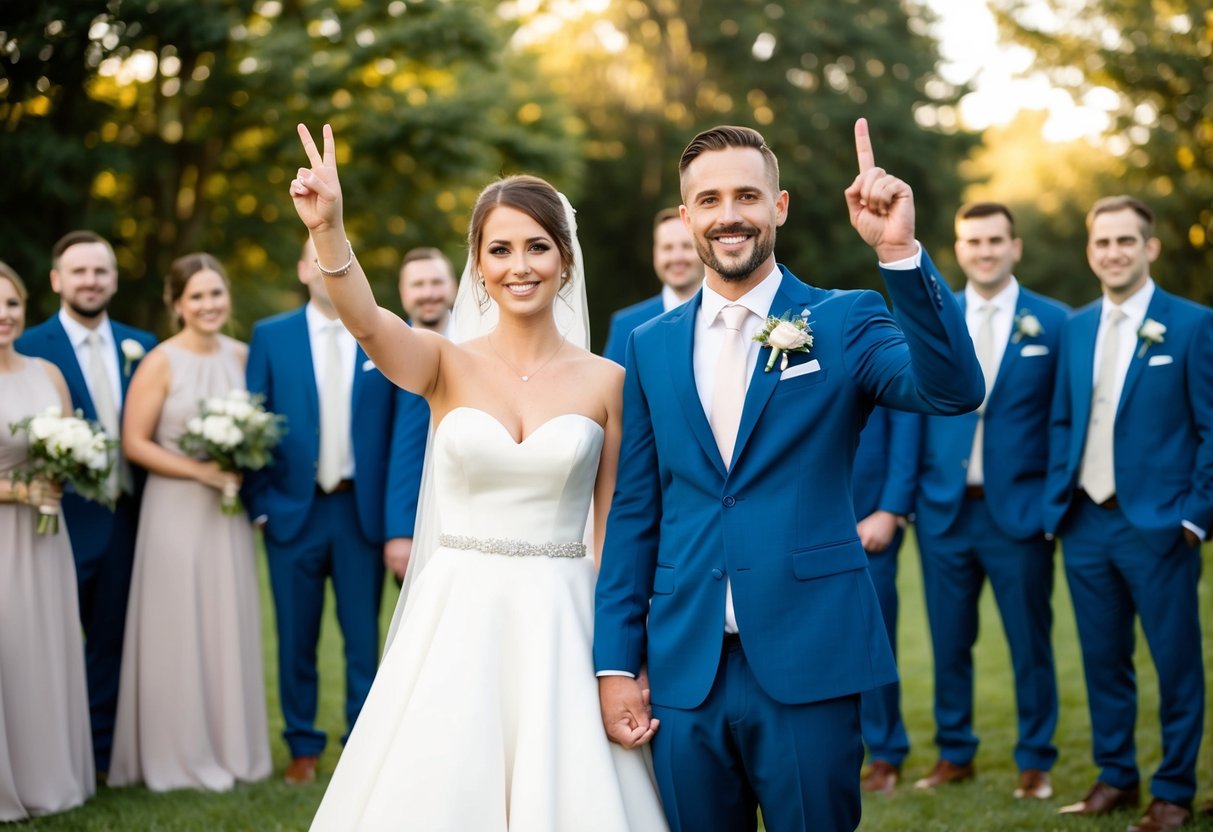
Understanding who gets a plus-one can vary depending on the couple’s preferences and the overall guest list. Some people choose to allow plus-ones for serious relationships, while others might limit them to single guests who may not know many others at the wedding. This flexibility can help ensure a fun time for everyone involved.
By exploring the +1 rule further, you’ll learn how to navigate this often tricky aspect of wedding planning. Discovering the right approach can lead to a more enjoyable experience for both you and your guests.
Understanding the +1 Rule

The +1 rule is an important aspect of wedding etiquette that helps manage your guest list while allowing attendees some flexibility. This section will cover what the rule means and why it matters for both couples and guests.
+1 Rule Explained
The +1 rule allows wedding guests to bring a companion to the event. This is often offered to friends, singles, or guests who may not know many other attendees. By giving a +1, you make it easier for them to enjoy the celebration.
It’s essential to clarify who is eligible for a +1. Generally, close friends, members of the wedding party, or guests traveling from far away can bring a friend. Make sure to state this clearly on your invitation or wedding website to avoid confusion.
Importance of +1s in Wedding Etiquette
Including a +1 can foster a more inclusive atmosphere. It shows consideration for guests who might feel uncomfortable attending alone. A polite invitation for a guest’s date or friend enhances their experience and encourages them to have fun.
From your point of view, being respectful and understanding each guest’s situation is crucial. Some may prefer to come alone, while others would appreciate the option to bring someone. Offering a +1 gives guests the freedom to choose what makes them comfortable, making your wedding a more enjoyable occasion.
Managing Your Guest List

Managing your guest list for a wedding is an important step in the planning process. It helps you stay organized and ensures that you both accommodate your loved ones and stick to your budget. The plus-one rule can make this easier, especially when determining who will join each guest at your celebration.
Determining Who Gets a Plus-One
When deciding who gets a plus-one, it’s helpful to have clear criteria. Generally, you might invite:
- Married and engaged couples: Always invite both partners.
- Cohabiting guests: If a guest lives with their partner, it’s kind to include them.
- Long-term relationships: Consider allowing those in serious relationships to bring a date.
For single guests, think about whether they generally attend events alone or with a plus-one. A good guideline is to offer a plus-one to single guests actively dating, but it is acceptable to limit it for others. This way, you keep your guest list manageable while being considerate of your friends’ feelings.
Cohabiting and Engaged Guests
Cohabiting and engaged guests are typically included in the plus-one rule. If they have a partner they’re living with or are engaged to, it’s best to invite both. This shows respect for their relationship.
When addressing invitations, list their names together. For example, write “John Smith and Jane Doe” instead of just inviting John. This makes it clear they are both welcome.
Remember to consider the comfort level of each couple. Inviting someone’s partner, especially if they’re not on friendly terms, can create awkward situations. Communicating about plus-ones beforehand can be a good approach.
Addressing Singles and Solo Guests
For single or solo guests, it’s essential to handle invitations with care. Not every single guest needs a plus-one, especially if they usually attend events alone.
To avoid awkward moments, include clear instructions on the invitation. Phrases like “We have reserved 1 seat in your honour” can help. This sets expectations without confusion.
If you choose not to give a plus-one, be prepared for varied reactions. Some guests may be disappointed. Focus on your relationship with each guest when making decisions. This can make your choices feel right to you and your soon-to-be spouse.
Etiquette for Guests and Hosts

Understanding the etiquette around plus-ones is important for both guests and hosts. It helps ensure everyone feels comfortable and respected during the wedding celebration. Here are some key points to keep in mind.
How to Politely Ask for a Plus-One
When you receive a wedding invitation and want to bring a guest, approach the topic with kindness and respect. You can start by checking if the invitation allows for a plus-one. If you’re unsure, a polite message to the couple is best.
Say something like, “I’m excited about your wedding! I noticed I didn’t have a plus-one option, but I was wondering if it might be possible to bring a guest?” This shows you care about their plans while expressing your needs.
How to Respectfully Decline
Sometimes, you might receive a wedding invitation without a plus-one option. If you can’t or don’t want to attend alone, it’s okay to decline. A simple, gracious response works best.
When declining, express your appreciation for the invite. You can write, “Thank you for inviting me to your special day. Unfortunately, I can’t attend, but I hope you have a wonderful celebration!” This keeps the tone friendly and respectful.
Responsibility of Wedding Hosts
As a wedding host, it’s essential to communicate clearly about plus-ones. If you choose to allow them, make it clear on the invitation. You might write, “You’re invited with a guest” or “Mr. John Smith and Guest” if you don’t know the name of their plus-one.
Make sure your RSVP cards also reflect this choice. Knowing who can bring a guest helps you plan better for seating and catering. Always be considerate of your guests’ feelings and relationships when deciding who gets a plus-one.
Practical Considerations

When planning your wedding, it’s important to think about how a plus-one impacts your budget and guest accommodations. These considerations can help you make informed choices that keep your event running smoothly while staying within your wedding budget.
Budgeting for Plus-Ones
Choosing if guests can bring a plus-one can significantly affect your wedding budget. Each additional guest means more expenses for food, drinks, and seating.
Here’s a quick outlook on costs:
- Food & Drinks: Estimate $50-$150 per person.
- Seating & Setup: Each extra guest may require additional tables and chairs.
Think about how many guests you can comfortably afford. If your budget is tight, you might need to limit plus-ones to serious partners only, like spouses or fiancés.
Accommodating Guests at a Destination Wedding
If you’re hosting a destination wedding, accommodating plus-ones can be tricky. Traveling can add extra costs for your guests, so consider their comfort.
Provide useful information on your wedding website, such as:
- Local Hotels: Suggest nearby places that offer group rates.
- Travel Tips: Share travel hacks or transportation options.
Keep in mind that couples traveling together can share costs, which eases their financial burden. It can be a fun adventure for guests but ensure they feel included and can manage their expenses.
Wedding Stationery and Plus-Ones
Your wedding invitations should clearly communicate your plus-one policy. Think carefully about how to phrase the invitation to avoid confusion.
- Use language like “We have reserved an extra seat for your guest” if you allow plus-ones.
- For those you choose not to include additional guests, consider wording such as “We look forward to celebrating with you” without implying more attendees.
Additionally, include details about seating cards at the reception. Make sure they indicate each guest’s seat and show whether they have a plus-one. This clarity can prevent last-minute confusion.